
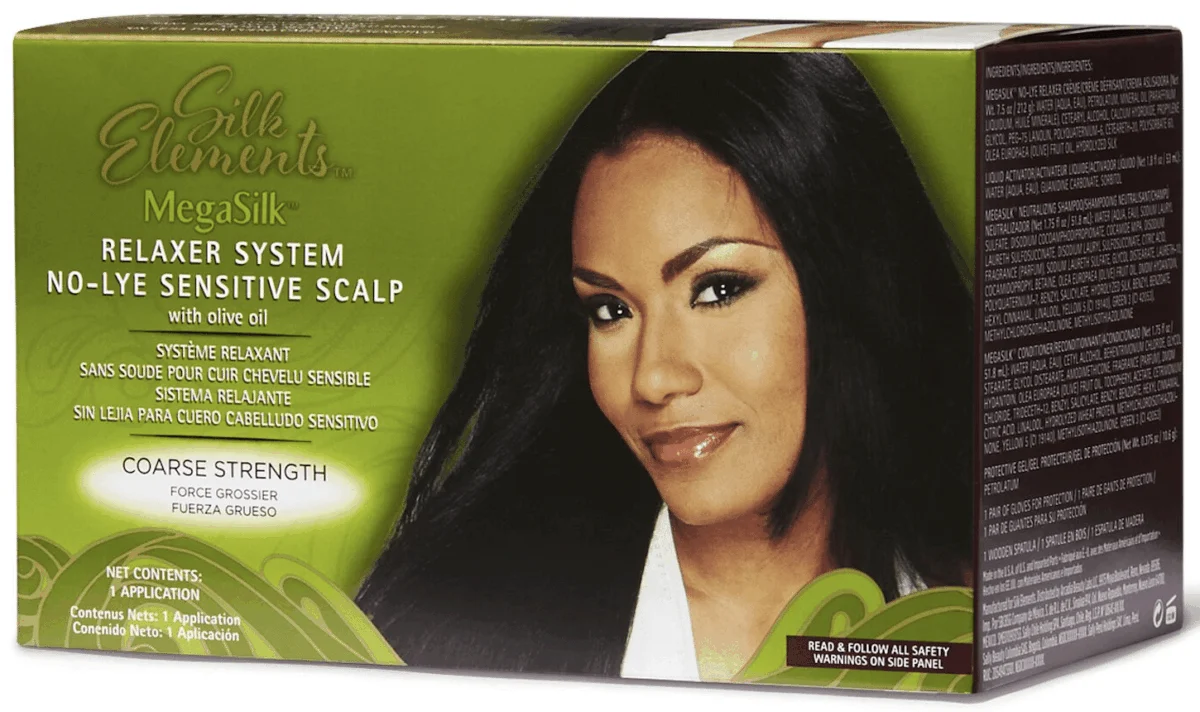
NATIONAL — In a significant and rapidly unfolding legal development, thousands of women across the United States are coming forward with allegations that chemical hair relaxers, including products manufactured by Silk Elements, have led to severe health complications, most notably various forms of cancer. This burgeoning legal battle, characterized by a growing number of individual lawsuits consolidated into a Multidistrict Litigation (MDL), underscores a profound public health concern and raises critical questions about product safety, corporate responsibility, and the long-term health implications of commonly used cosmetic items.
n
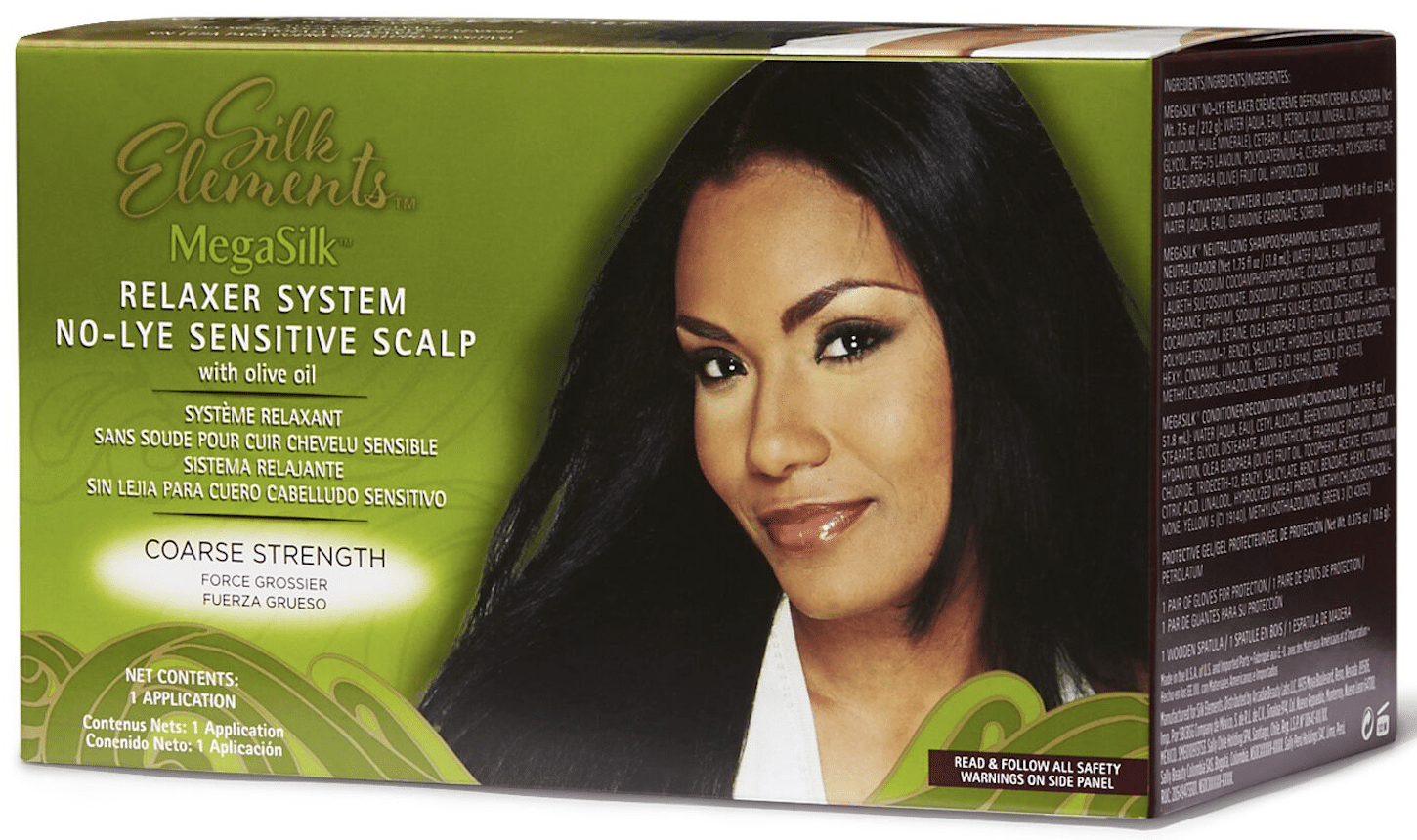
The core of these lawsuits centers on claims that manufacturers failed to adequately warn consumers about the presence of endocrine-disrupting chemicals (EDCs) and other hazardous substances in their hair relaxer formulations. These chemicals are alleged to interfere with the body’s hormonal system, potentially increasing the risk of hormone-sensitive cancers such as uterine, ovarian, and breast cancer, as well as debilitating conditions like uterine fibroids. For frequent users of products like Silk Elements hair relaxer, staying informed about these potential risks and understanding their legal rights has become paramount.
n
The Genesis of Concern: Unveiling the Scientific Link
n
The current wave of litigation and public awareness stems largely from pivotal scientific research that began to surface in recent years, culminating in a landmark study published in late 2022. While anecdotal reports and smaller studies had previously hinted at potential correlations, the scientific community’s understanding gained significant traction with the publication of the National Institutes of Health (NIH) Sister Study.
n
The Pivotal NIH Sister Study: A Turning Point
n
October 2022: The National Institute of Environmental Health Sciences (NIEHS), part of the NIH, published findings from its extensive Sister Study in the Journal of the National Cancer Institute. This long-term, prospective cohort study, designed to identify environmental risk factors for breast cancer and other health conditions, delivered profoundly concerning results regarding hair relaxer use.
n
The study, which followed over 33,000 women for more than a decade, revealed a strong statistical correlation between the frequent use of chemical hair straightening products and an increased incidence of uterine cancer. Specifically, women who reported using hair relaxers or straighteners at least four times a year faced a 150% higher risk (more than double) of developing uterine cancer compared to those who did not use such products. This finding was particularly alarming given the widespread use of these products, predominantly among Black women in the United States.
n
The Sister Study’s conclusions added substantial scientific weight to earlier, less conclusive research. For instance, a 2019 study published in the International Journal of Cancer, also part of the Sister Study, had already identified a potential link between permanent hair dye and straightener use and breast cancer risk, particularly for Black women. These accumulating scientific data points began to paint a clearer, more troubling picture of the potential health hazards associated with chemical hair relaxers.
n
The Chemical Conundrum: Understanding the Alleged Culprits
n
The scientific and legal investigations into hair relaxers point to a range of chemical ingredients believed to be responsible for the alleged health risks. These substances, often categorized as endocrine-disrupting chemicals (EDCs), are capable of mimicking or interfering with the body’s natural hormones, thereby disrupting normal physiological processes.
n
Key Chemicals Under Scrutiny Include:
n
- n
- Phthalates: Often used as plasticizers and solvents, certain phthalates (like DEHP) have been identified as potential human carcinogens and reproductive toxicants. They are known to leach from products and be absorbed through the skin.
- Parabens: Commonly used as preservatives in cosmetics, parabens (such as propylparaben and butylparaben) exhibit estrogenic activity, meaning they can mimic estrogen in the body. Elevated estrogen levels are a known risk factor for hormone-sensitive cancers like breast and uterine cancer.
- Formaldehyde-Releasing Agents: Ingredients like DMDM hydantoin or quaternium-15 release formaldehyde, a known human carcinogen, especially when heated or stored. Formaldehyde exposure is linked to various cancers.
- Lye (Sodium Hydroxide) and Guanidine Hydroxide: These highly alkaline chemicals are potent relaxers that break down hair bonds. While effective, they can cause scalp burns, irritation, and lesions. These breaches in the skin barrier may facilitate the absorption of other harmful chemicals into the bloodstream.
- Cyclosiloxanes: Some of these compounds (e.g., D4, D5, D6) are suspected endocrine disruptors and have been linked to reproductive issues and potential carcinogenicity in animal studies.
- Resorcinol: Used in some hair dyes and relaxers, it has been flagged as an endocrine disruptor and allergen.
n
n
n
n
n
n
n
The mechanisms of harm are believed to involve both direct absorption through the scalp, particularly when the skin is compromised by burns or irritation from the relaxer chemicals, and through inhalation of chemical fumes during application. Once absorbed, these EDCs can circulate throughout the body, potentially disrupting hormonal balance and contributing to cellular changes that may lead to cancer development.
n
The Legal Landscape: A Wave of Litigation Sweeps the Nation
n
In the wake of the Sister Study’s revelations, a torrent of product liability lawsuits began to inundate federal courts across the United States. Women diagnosed with uterine cancer, ovarian cancer, breast cancer, and severe uterine fibroids after using chemical hair relaxers for extended periods are seeking justice and compensation from manufacturers.
n
Formation of Multidistrict Litigation (MDL)
n
Given the thousands of similar claims against multiple manufacturers, the U.S. Judicial Panel on Multidistrict Litigation (JPML) consolidated these cases into a single MDL. On February 6, 2023, the Panel centralized all federal hair relaxer lawsuits into the U.S. District Court for the Northern District of Illinois, assigning them to the Honorable Mary Rowland. This centralization is crucial for efficient case management, allowing for coordinated discovery, consistent rulings on common legal issues, and potentially facilitating global settlements.
n
Defendants in the MDL Include:
n
While Silk Elements is a prominent name mentioned in these lawsuits, the MDL encompasses claims against numerous major beauty product manufacturers, including:
n
- n
- L’Oréal USA, Inc.
- Revlon, Inc.
- Strength of Nature Global, LLC (maker of products like Just For Me, Motions, and African Pride)
- Dabur International Ltd. (maker of Crème of Nature)
- Godrej Consumer Products Inc.
- Namaste Laboratories, LLC
- SoftSheen-Carson LLC (a subsidiary of L’Oréal)
n
n
The sheer number of defendants and the broad reach of their product lines highlight the systemic nature of the allegations facing the beauty industry.
Allegations Against Manufacturers
The lawsuits typically assert several key claims against the manufacturers:
- Failure to Warn: Plaintiffs allege that manufacturers knew or should have known about the potential carcinogenic risks associated with their products but failed to adequately warn consumers.
- Defective Design/Manufacturing: Claims argue that the products were inherently dangerous due to their chemical composition, making them defective in design, or that there were flaws in their manufacturing process.
- Negligence: Manufacturers are accused of failing to exercise reasonable care in the research, development, testing, manufacturing, and marketing of their hair relaxers.
- Breach of Warranty: Allegations include breaches of express or implied warranties regarding the safety and suitability of the products.
- Fraudulent Concealment: Some lawsuits contend that manufacturers actively concealed or misrepresented the health risks of their products to maintain sales.
These legal arguments aim to hold companies accountable for the harm allegedly caused by their products and to secure compensation for victims’ medical expenses, lost wages, pain and suffering, and other damages.
Types of Cancer and Conditions Included in the Lawsuits
The lawsuits against Silk Elements and other hair relaxer manufacturers typically include claims related to a range of severe health conditions, primarily those linked to hormonal disruption:
- Uterine Cancer (Endometrial Cancer): This is the most frequently cited cancer, directly supported by the findings of the NIH Sister Study.
- Ovarian Cancer: Another hormone-sensitive cancer, often alleged due to the potential for EDCs to disrupt ovarian function.
- Breast Cancer: Particularly hormone-receptor-positive breast cancers, given the estrogenic activity of certain chemicals found in relaxers.
- Uterine Fibroids: While not cancerous, these benign growths can cause significant pain, heavy bleeding, infertility, and often require surgery (hysterectomy or myomectomy). They are commonly associated with hormonal imbalances.
- Endometriosis: A condition where tissue similar to the lining of the uterus grows outside the uterus, potentially linked to hormonal disruption.
For individuals diagnosed with any of these conditions after regular use of hair relaxers, exploring legal options is a crucial step toward understanding their rights and potential for compensation.
Distinguishing Legal Avenues: Class Actions vs. Individual Injury Claims
It is vital for affected individuals to understand the difference between a class action lawsuit and an individual product liability lawsuit, especially in the context of hair relaxer litigation. The original content correctly highlights this distinction, which is critical for cancer victims.
Class Action Lawsuits
- Purpose: Class actions are designed to address common grievances shared by a large group of people who have suffered similar (often economic) harm from a product. In the context of hair relaxers, a class action might seek to compel manufacturers to pay for medical monitoring for all users, or to issue refunds for products purchased without adequate warnings.
- Compensation: Crucially, class action lawsuits generally do not compensate individual cancer victims for their specific personal injuries, medical expenses, lost wages, or pain and suffering. The focus is on systemic issues and broader relief for the entire "class" of consumers.
- Who Benefits: A broad group of consumers who purchased the product, regardless of whether they developed a specific illness.
Individual Product Liability Lawsuits (Mass Tort/MDL)
- Purpose: These lawsuits are filed by individuals who have suffered direct, specific personal injuries (e.g., a cancer diagnosis) due to a defective or dangerous product. The current hair relaxer MDL is a "mass tort" litigation, where many individual lawsuits are grouped for efficiency but remain distinct claims.
- Compensation: These lawsuits seek significant financial compensation for the specific damages incurred by the injured individual, including:
- Medical bills (past and future)
- Lost wages and loss of earning capacity
- Pain and suffering
- Emotional distress
- Loss of consortium (for spouses)
- Punitive damages (in some cases, to punish egregious corporate behavior)
- Who Benefits: Only those individuals who have suffered a diagnosed injury directly linked to the product.
The Key Takeaway for Cancer Victims: If you or a loved one has been diagnosed with cancer or uterine fibroids after using Silk Elements or other chemical hair relaxers, you need to pursue an individual product liability lawsuit, not rely on a class action. This type of claim is designed to provide direct, substantial compensation for your specific injuries and losses.
Industry and Regulatory Responses: A Standoff
The response from the beauty industry and regulatory bodies to these allegations has been a complex and often contested landscape.
Manufacturer Stance
Generally, the defendant manufacturers in the hair relaxer MDL have vehemently denied the allegations. Their legal strategies typically involve:
- Challenging Causation: Arguing that there is no definitive scientific proof directly linking their specific products to individual cancer diagnoses, citing other potential risk factors for these diseases.
- Product Safety: Maintaining that their products are safe when used as directed and comply with all applicable regulations.
- Lack of Knowledge: Claiming they were unaware of any alleged risks or that the science linking their products to cancer is not robust enough to warrant warnings.
- Pre-existing Conditions: Attempting to attribute plaintiffs’ illnesses to pre-existing conditions or other lifestyle factors.
These are common defenses in product liability cases, and the legal battle will largely revolve around the strength of scientific evidence presented by plaintiffs versus the manufacturers’ counter-arguments.
Regulatory Oversight and Its Limitations
The U.S. Food and Drug Administration (FDA) is the primary regulatory body for cosmetics. However, the FDA’s authority over cosmetics is significantly less stringent than its oversight of pharmaceuticals or medical devices.
- Limited Pre-Market Approval: Unlike drugs, cosmetic products and their ingredients generally do not require FDA approval before they are sold to the public. Manufacturers are largely responsible for ensuring the safety of their products.
- Reactive, Not Proactive: The FDA typically intervenes only after products are on the market and problems (like adverse reactions or safety concerns) are reported.
- Lack of Ingredient Bans: While the FDA has banned or restricted a small number of ingredients, many chemicals of concern (like phthalates and parabens) are still permitted in cosmetics in the U.S., even if they are restricted or banned in other countries (e.g., the European Union).
This regulatory framework means that the onus often falls on consumers and advocacy groups to highlight safety concerns, and on the legal system to hold manufacturers accountable when harm occurs. There are growing calls from public health advocates, scientists, and lawmakers for the FDA to adopt stricter regulations for cosmetic ingredients, particularly concerning endocrine disruptors.
The Human Toll and Broader Implications
The hair relaxer litigation transcends legal and scientific debates; it represents a profound human toll and carries significant implications for public health, consumer safety, and social justice.
Disproportionate Impact and Health Disparities
A critical aspect of this issue is its disproportionate impact on Black women. Chemical hair relaxers have been a staple in Black hair care for decades, rooted in historical and cultural pressures to conform to Eurocentric beauty standards. The Sister Study, along with other research, has consistently shown that Black women are the primary users of these products and, therefore, are most exposed to the alleged harmful chemicals.
This raises serious questions about environmental justice and health disparities. Critics argue that the beauty industry has historically marketed potentially harmful products to marginalized communities, exploiting cultural pressures without adequately ensuring safety or transparency. The lawsuits bring these issues to the forefront, demanding accountability for systemic health inequities.
Economic and Emotional Burden
A cancer diagnosis is devastating, both emotionally and financially. Victims face:
- Astronomical Medical Costs: Surgeries, chemotherapy, radiation, follow-up care, and medications can quickly accumulate to hundreds of thousands of dollars, even with insurance.
- Loss of Income: The inability to work during treatment and recovery can lead to severe financial strain.
- Emotional and Psychological Trauma: The physical pain, fear, uncertainty, and impact on quality of life are immeasurable.
- Impact on Families: The illness affects not just the individual but their entire support system.
The legal battles aim to alleviate some of this burden by securing compensation that helps cover these costs and acknowledges the immense suffering endured.
Future of the Beauty Industry
The hair relaxer lawsuits are likely to have a ripple effect across the beauty industry.
- Ingredient Reformulation: Manufacturers may face increased pressure to reformulate products, removing controversial chemicals and adopting safer alternatives.
- Increased Transparency: There may be a push for greater ingredient transparency and clearer labeling, allowing consumers to make more informed choices.
- Rise of "Clean Beauty": The litigation could further fuel the demand for "clean beauty" products, emphasizing natural, non-toxic ingredients.
- Enhanced Research and Development: Companies may need to invest more in robust safety testing for their cosmetic ingredients.
Ultimately, these lawsuits could serve as a powerful catalyst for a more responsible and health-conscious approach within the cosmetics sector.
Seeking Justice: What Victims Should Know
For individuals who have regularly used Silk Elements hair relaxer or other similar products and have subsequently been diagnosed with uterine cancer, ovarian cancer, breast cancer, or uterine fibroids, understanding their legal options is a critical step.
Key Considerations for Potential Claimants:
- Free Case Review: Many law firms specializing in product liability offer a no-cost, no-obligation review of potential cases. This initial consultation allows individuals to discuss their situation with an experienced attorney and determine if they have a viable claim.
- Experienced Legal Counsel: It is crucial to work with a law firm that has extensive experience in mass tort litigation, particularly involving product liability and complex medical causation. These cases require significant resources, legal expertise, and a deep understanding of scientific evidence.
- Required Documentation: Potential claimants should gather as much relevant documentation as possible, including:
- Medical records detailing their diagnosis, treatment, and prognosis.
- Records or recollections of their hair relaxer use (brands, frequency, duration).
- Receipts or purchase history if available.
- Statutes of Limitations: It’s important to act promptly. Each state has a statute of limitations, which is a deadline for filing a lawsuit. Missing this deadline can permanently bar an individual from seeking compensation.
- Contingency Fee Basis: Most product liability lawyers work on a contingency fee basis, meaning they only get paid if they win the case through a settlement or trial verdict. This allows victims to pursue justice without upfront financial burdens.
The journey through a product liability lawsuit can be long and challenging, but for many, it represents the only path to accountability and compensation for the profound suffering they have endured.
Conclusion
The lawsuits against Silk Elements and other hair relaxer manufacturers mark a pivotal moment in the ongoing debate about cosmetic product safety and corporate accountability. Driven by compelling scientific evidence, particularly the NIH Sister Study, thousands of women are seeking justice for severe health complications, primarily cancers and uterine fibroids, allegedly caused by these widely used products.
The distinction between class action lawsuits and individual injury claims is crucial for victims seeking compensation for their specific medical conditions. As the Multidistrict Litigation progresses, the legal and scientific arguments will continue to unfold, with profound implications for consumers, the beauty industry, and public health policy. For those who suspect their health has been compromised by chemical hair relaxers, taking proactive steps to understand their legal rights through a professional case review is the first and most vital step towards seeking the justice they deserve.

