
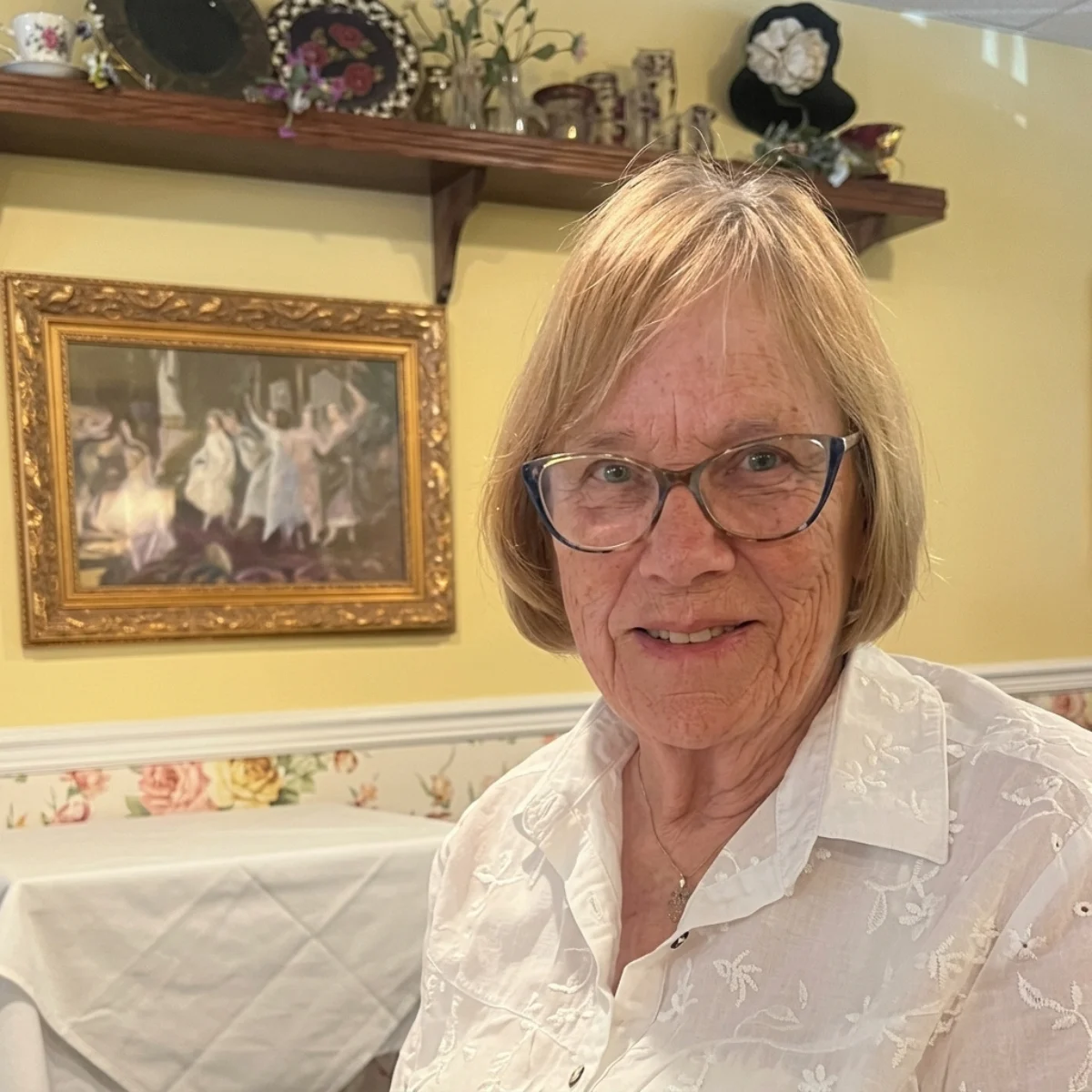
For millions of Americans living with obesity, the advent of GLP-1 and GIP receptor agonists has been hailed as a medical revolution, offering the first real pharmacological hope for a condition long stigmatized as a failure of willpower. Yet, for patients like Carol, a woman who spent decades navigating the labyrinth of weight management, the breakthrough of a successful prescription is often met with a secondary, more daunting barrier: the American healthcare bureaucracy.
n
The transition from clinical success to administrative failure highlights a growing crisis in the U.S. medical system. As pharmaceutical innovations outpace policy updates, patients are finding themselves trapped in a "success penalty" where the very efficacy of their treatment becomes the reason they are denied continued access.
n
Main Facts: The Paradox of Managed Care
n
The core of the issue lies in the "Medicare GLP-1 Bridge Program," an initiative designed to help patients transition into coverage or afford high-cost medications like Zepbound (tirzepatide). However, a flaw in the program’s "Proof of Authorization" documentation has created a logical stalemate for patients and physicians.
n
The program requires healthcare providers to verify that a patient has a qualifying condition, such as prediabetes. However, for patients who have successfully used the medication to bring their blood sugar levels into a healthy range, the question "Does the patient have prediabetes?" becomes a trap. If a doctor answers "No"—because the condition is currently controlled by the medication—the patient may be deemed ineligible for the subsidy. If the doctor answers "Yes," they fear they are misrepresenting the patient’s current clinical status on an official document.
n
This administrative bottleneck has forced many patients, including Carol, back toward "compounded" versions of medications—unregulated alternatives that the FDA has warned may not meet the same safety or efficacy standards as the brand-name originals.
n
Chronology: From Clinical Breakthrough to Administrative Breakdown
n
The Decades of Struggle
n
Carol’s journey mirrors that of many living with chronic obesity. For years, she cycled through the standard repertoire of weight-loss strategies: the ketogenic diet, extreme carbohydrate restriction, and severe caloric deficits. While these methods often yielded temporary results, they were biologically unsustainable. The "yo-yo" effect not only took a toll on her physical health, contributing to a diagnosis of prediabetes, but also eroded her mental well-being.
n
The Turning Point
n
The trajectory changed during a routine physical when her physician suggested Zepbound. Unlike previous attempts, the medication addressed the underlying hormonal and metabolic drivers of her weight. "It was a game changer," Carol recalls. For the first time, her prediabetes was managed, her energy levels stabilized, and the "food noise"—the constant, intrusive thoughts about eating—subsided.
n
Beyond the scale, the medication allowed Carol to regain her quality of life. As the primary caregiver for her disabled husband, the physical ease of movement and the reduction in systemic inflammation meant that her daily responsibilities felt less like a burden and more like a manageable part of her life.
n
The Financial Cliff
n
The honeymoon period ended when the financial reality of the treatment set in. Zepbound, while effective, carries a list price that often exceeds $1,000 per month. When Carol could no longer afford the out-of-pocket costs, she was forced to seek out compounded versions of the drug. While these provided a temporary stopgap, the lack of FDA oversight left her feeling uneasy about what she was injecting into her body.
n
The Bridge to Nowhere
n
When Carol learned of the Medicare GLP-1 Bridge Program, it appeared to be the solution she needed. The program was intended to bridge the gap for seniors who fall into the "donut hole" or face high costs due to Medicare’s historical exclusion of weight-loss medications. However, the application process quickly became an exercise in futility.
n
The "Proof of Authorization" form became an insurmountable wall. Because Carol’s prediabetes was successfully managed by the medication, her healthcare team was hesitant to certify that she "had" the condition in the present tense, fearing the legal and professional repercussions of signing a form that appeared to contradict her current lab results.
n
Supporting Data: The Scope of the Obesity Crisis in Medicare
n
The struggle Carol faces is not an isolated incident; it is a symptom of a systemic disconnect in how the U.S. government views obesity.
n
- n
- The 2003 Exclusion: Under the Medicare Prescription Drug, Improvement, and Modernization Act of 2003, Medicare is explicitly prohibited from covering "agents when used for anorexia, weight loss, or weight gain." This law was written in an era when obesity was viewed as a lifestyle choice rather than a chronic metabolic disease.
- The Cost of Compounding: According to recent market analysis, the demand for GLP-1s has led to a surge in the compounding pharmacy industry. However, the FDA has received numerous reports of adverse events linked to compounded semaglutide and tirzepatide, noting that some pharmacies use salt forms of the active ingredients that have not been tested for safety.
- The Clinical Impact: Clinical trials for tirzepatide (the active ingredient in Zepbound) showed that participants lost an average of 20.9% of their body weight over 72 weeks. For Medicare-aged patients, this weight loss correlates with a significant reduction in the risk of stroke, heart attack, and the progression of Type 2 diabetes.
- The Mental Health Toll: Studies indicate a high comorbidity between obesity and anxiety disorders. For Carol, the stress of losing access to her medication led to a clinical increase in anxiety, necessitating an adjustment to her psychiatric prescriptions—creating a secondary healthcare cost.
n
n
n
n
n
Official Responses and Policy Landscape
n
The Centers for Medicare & Medicaid Services (CMS) has recently begun to soften its stance, but only marginally. In early 2024, CMS issued guidance allowing Part D plans to cover anti-obesity medications if they are FDA-approved for an "additional" medically accepted indication—such as reducing the risk of heart attacks in patients with established cardiovascular disease.
n
However, this does not help patients like Carol, whose primary "additional" indication is prediabetes—a condition that, if successfully managed, effectively disappears from the "current" diagnosis list on many forms.
n
The Obesity Action Coalition (OAC), a leading advocacy group, has been vocal about the need for clearer guidance. "Access to obesity care does not end with a prescription," the OAC stated in a recent brief. The organization has launched the "Medicare GLP-1 Bridge Resource Hub" to provide patients with tools to navigate these specific bureaucratic hurdles, but they acknowledge that the system remains fundamentally broken.
n
Healthcare providers have also expressed frustration. Many doctors report that the "prior authorization" process for GLP-1s is the most time-consuming part of their practice, often requiring hours of "peer-to-peer" reviews with insurance adjusters who may not have expertise in metabolic health.
Implications: The Long-Term Cost of Short-Term Savings
The experience of patients like Carol raises profound questions about the future of public health in an aging population.
The "Managed Condition" Trap
If the healthcare system only provides coverage for those who are currently "sick," it creates a perverse incentive structure. Patients must effectively become unhealthy again to re-qualify for the medication that made them healthy in the first place. This "yo-yo" coverage is not only medically dangerous but also fiscally irresponsible, as it leads to the recurrence of expensive chronic conditions.
Health Equity and Access
The current system favors those with the "administrative literacy" to fight for coverage or the wealth to pay out of pocket. For seniors on fixed incomes, the inability to navigate complex forms or afford a $1,000 monthly bill means they are relegated to less effective or potentially unsafe treatments.
The Psychological Burden
The administrative burden of modern medicine is a form of "patient tax." Carol’s need for increased anxiety medication during her fight for Zepbound highlights how bureaucratic inefficiency can directly degrade a patient’s health. The feeling of being "defined by a label" or a BMI chart is exacerbated when the system refuses to see the person behind the paperwork.
The Path Forward
For Carol, the next step is a weight management clinic within her healthcare system, where a specialized team might have the expertise to navigate the "Proof of Authorization" form more effectively. But for many others, the path ends in resignation.
The story of Carol and the Medicare GLP-1 Bridge Program is a clarion call for policy reform. As the medical community moves toward treating obesity as a chronic disease, the insurance and federal frameworks must follow suit. Until the "Proof of Authorization" forms reflect the reality of chronic disease management—where a "no" on a prediabetes check-box is a sign of treatment success, not a reason for disqualification—thousands of patients will continue to fall through the cracks of the very system designed to catch them.
For those navigating the complexities of the Medicare GLP-1 Bridge Program, resources are available. The Obesity Action Coalition (OAC) provides updated information, FAQs, and communication tools for patients and providers at their Medicare GLP-1 Bridge Resource Hub.

