
Introduction
n
For decades, Starbucks Coffee Company has cultivated an image as a "pioneer of the perks," a corporation that views its baristas not merely as hourly workers, but as "partners" entitled to a suite of benefits often reserved for white-collar executives. From full tuition coverage at Arizona State University to comprehensive health insurance for part-time employees, the Seattle-based giant has long been the gold standard for retail employment.
n
However, that reputation is currently facing its most significant challenge in recent years. A reported decision by the company to curtail insurance coverage for GLP-1 medications—such as Wegovy and Zepbound—when prescribed specifically for weight loss has ignited a firestorm of criticism from healthcare advocates and employees alike. The decision, set to take effect in October, highlights a growing tension in corporate America: the struggle to balance the skyrocketing costs of revolutionary new pharmaceuticals with the commitment to holistic employee well-being.
n
Main Facts: The Policy Shift and the Growing Disconnect
n
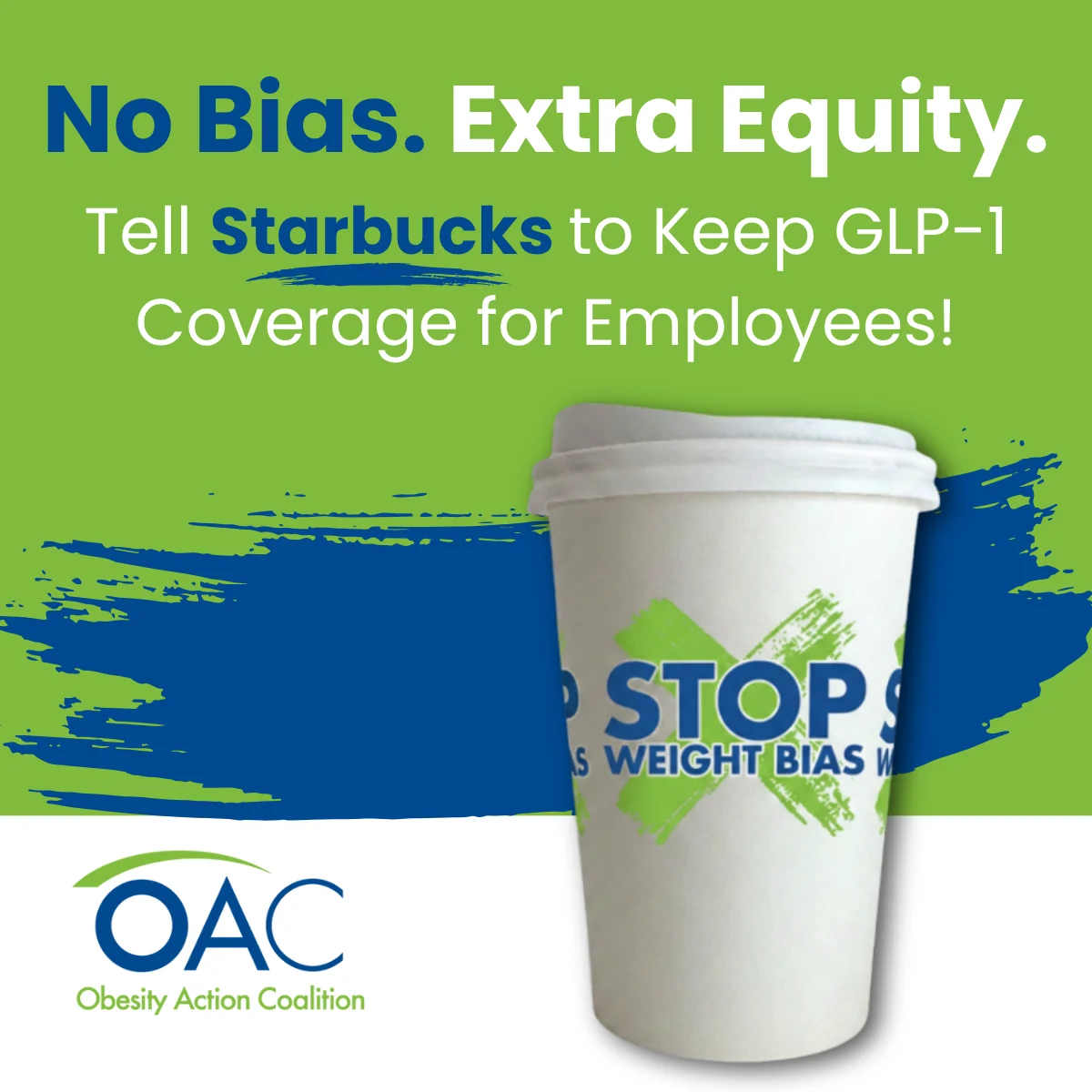
The crux of the controversy lies in a reported internal policy change that effectively bifurcates the use of Glucagon-like peptide-1 (GLP-1) receptor agonists. According to reports and statements from the Obesity Action Coalition (OAC), Starbucks plans to stop covering these medications for benefits-eligible employees when the primary diagnosis is obesity or chronic weight management.
n
Crucially, the coverage is expected to remain intact for employees who require the medications for other FDA-approved indications, most notably Type 2 diabetes (under brands like Ozempic or Mounjaro). For the thousands of Starbucks "partners" living with obesity, this distinction creates a significant barrier to care.
n
The timing of this decision is particularly striking. Just last month, Starbucks touted an independent analysis by Aon that ranked the company No. 1 in overall hourly benefits value among more than 60 major U.S. retail companies. By removing coverage for what the medical community increasingly recognizes as a chronic, biological disease, critics argue that Starbucks is undermining its own leadership position in the benefits space.
n
Furthermore, a perceived "corporate double standard" has emerged. While the company moves to restrict access to these drugs for its workforce, it is simultaneously pivoting its consumer-facing strategy to capitalize on the GLP-1 trend. Earlier this year, Starbucks leadership noted that the rise of GLP-1 medications was influencing consumer behavior, prompting the company to introduce more protein-rich food and beverage options to cater to customers with suppressed appetites.
n
Chronology: From Benefits Leader to Cost-Cutter
n
To understand the weight of this decision, one must look at the timeline of Starbucks’ benefits evolution and the meteoric rise of GLP-1 drugs.
n
- n
- 1988: Starbucks becomes one of the first private companies to offer full health benefits to part-time employees working at least 20 hours a week.
- 2014: The company launches the Starbucks College Achievement Plan, solidifying its reputation as an industry leader in employee investment.
- 2021–2023: The FDA approves Wegovy and later Zepbound for chronic weight management. Demand for these drugs surges globally, driven by clinical trials showing 15% to 20% body weight loss.
- Early 2024: Starbucks CEO Brian Niccol (then at the helm of Chipotle, but transitioning toward the Starbucks leadership conversation) and other retail executives begin discussing the "GLP-1 effect" on consumer food choices. Starbucks starts emphasizing protein-heavy menu items.
- August 2024: Starbucks highlights its No. 1 ranking in the Aon benefits study, reinforcing its public image as a top-tier employer.
- September 2024: Reports emerge that Starbucks will alter its health plan to exclude weight-loss-specific GLP-1 coverage starting in October.
- Late September 2024: The Obesity Action Coalition (OAC) issues a public call to action, urging Starbucks to reverse the decision and maintain equitable care for employees with obesity.
n
n
n
n
n
n
n
n
Supporting Data: The High Cost of Success
n
The underlying driver for Starbucks’ decision—and similar moves by other major employers like the University of Texas and various state health plans—is the staggering cost of GLP-1 medications.
n
The Financial Burden
n
GLP-1 drugs carry a list price often exceeding $1,000 to $1,300 per month per patient. Unlike medications for acute illnesses, these are intended for long-term, often lifelong, use. For a company with hundreds of thousands of employees, the math is daunting. Recent surveys from the Business Group on Health indicate that nearly 1 in 10 employers reported that GLP-1 drugs already account for more than 1% of their total health spend, a figure expected to rise exponentially.
n
The Efficacy of Treatment
n
Despite the cost, the medical data supporting these medications is robust. Clinical trials have demonstrated that GLP-1s do more than just reduce weight; they significantly lower the risk of cardiovascular events, including heart attacks and strokes, in patients with obesity. The National Institute of Diabetes and Digestive and Kidney Diseases (NIDDK) and the FDA have both recognized obesity as a complex, chronic disease that requires medical intervention beyond "willpower."
n
The Retail Landscape
n
According to the Aon study Starbucks recently cited, the average retail benefit package is becoming more lean as inflation and healthcare costs rise. However, the retail sector also has a higher-than-average percentage of employees who fall into the "overweight" or "obese" categories due to the socioeconomic factors often associated with hourly work. By cutting this coverage, Starbucks is impacting a significant portion of its demographic.
n
Official Responses and Stakeholder Perspectives
n
The Obesity Action Coalition (OAC)
n
The OAC has been the most vocal critic of the policy change. In a formal statement, the organization argued that "Obesity is not simply a matter of willpower or personal choices. It is a complex, chronic disease influenced by many biological, genetic, environmental and other factors."
The OAC’s primary grievance is the "unacceptable double standard" of covering the drug for one condition (diabetes) but not another (obesity). They argue this reinforces the stigma that obesity is a moral failing rather than a medical condition. "People living with obesity deserve the same consideration and access to appropriate treatment as people managing any other chronic disease," the OAC stated.
Starbucks’ Position
While Starbucks has not released a formal press release specifically detailing the internal insurance adjustments, the company has historically defended its benefits decisions as a balancing act. In general statements regarding benefits, Starbucks often emphasizes that it offers "industry-leading" packages that are "regularly reviewed to ensure they remain competitive and sustainable."
The company’s focus remains on its "Partner Promise," which claims that "great customer experiences begin with employees who feel cared for." However, the shift in GLP-1 coverage suggests that "care" now has a strictly defined financial ceiling.
Medical Community
Physicians specializing in metabolic health have expressed concern that these rollbacks will lead to a "rebound" effect. Studies show that when patients stop taking GLP-1 medications due to cost or loss of coverage, they typically regain the majority of the weight lost, often leading to a return of co-morbidities like hypertension and joint pain.
Implications: A Precedent for the Future of Work
The decision by Starbucks to pull back on GLP-1 coverage carries implications that extend far beyond the coffee counter.
1. The Erosion of the "Benefits Leader" Brand
For decades, Starbucks used its benefits package as a recruitment and retention tool, allowing it to hire higher-quality talent than its competitors. If Starbucks—a company that has historically prioritized employee health—cannot afford to cover obesity treatments, it signals to the rest of the retail industry that they should follow suit. This could lead to a broader industry trend of excluding weight-loss medications from standard plans.
2. The Legal and Ethical Debate
As obesity is increasingly recognized as a disability under various international health frameworks and potentially under the Americans with Disabilities Act (ADA) in specific contexts, the decision to deny treatment for it while covering it for other conditions may eventually face legal challenges. Ethically, the move raises questions about whether a corporation can claim to support "wellness" while denying the most effective scientific treatments for one of the most prevalent diseases among its workforce.
3. Impact on Productivity and Long-Term Costs
While Starbucks may save money in the short term by cutting GLP-1 coverage, the long-term economic impact is less clear. Obesity is a major driver of absenteeism, presenteeism (working while sick), and long-term disability. By preventing employees from accessing effective treatment, the company may see higher costs in other areas of its health plan, such as orthopedic surgeries, cardiovascular care, and mental health services related to the stigma of obesity.
4. The "New CEO" Factor
The timing of this change coincides with a major leadership transition. With Brian Niccol taking the helm—a leader known for operational efficiency and "back-to-basics" strategies—there is speculation that the company is entering an era of stricter cost controls. If the GLP-1 rollback is a harbinger of things to come, the "Starbucks Partner" experience may begin to look much more like a standard retail job and less like the "Third Place" for employees it once claimed to be.
Conclusion
Starbucks finds itself at a crossroads. It can continue to ride the wave of its No. 1 Aon ranking and its reputation as a socially conscious employer, or it can succumb to the bottom-line pressures that have forced other companies to trim their healthcare offerings.
The OAC and other advocacy groups are making a simple plea: treat obesity with the same medical rigor and insurance equity as any other chronic illness. As the October deadline approaches, the eyes of the retail world—and thousands of Starbucks partners—are on the company to see if it will live up to its own rhetoric of care, or if the "Starbucks experience" is becoming a luxury that even its own employees can no longer afford.

