
For decades, the question of whether smoking marijuana poses a significant risk for lung cancer has been a subject of scientific debate, marked by conflicting studies and a persistent disconnect between the known carcinogens in marijuana smoke and observed epidemiological data. While the combustion of organic material, including cannabis, inherently produces harmful chemicals, the direct link to lung cancer has remained surprisingly elusive. However, a recent, large-scale study has reignited this debate, suggesting a considerably elevated risk for individuals diagnosed with cannabis use disorder (CUD). This in-depth analysis explores the chemical realities, historical research, the implications of the new findings, and the ongoing challenges in definitively answering this critical public health question.
n
The Chemistry of Combustion: Carcinogens in the Smoke
n
At its core, the concern about marijuana smoke and lung cancer stems from its chemical composition. When any organic material is burned, incomplete combustion releases a complex mixture of chemicals. Marijuana smoke, much like tobacco smoke, contains known carcinogens, including volatile organic compounds (VOCs) and polycyclic aromatic hydrocarbons (PAHs). Among these are benzene, formaldehyde, and acetaldehyde, substances recognized for their ability to damage DNA.
n
A particularly concerning group of compounds are PAHs, such as benzo[a]pyrene (BaP). The history of understanding PAHs as carcinogens dates back to the 18th century, when British surgeon Percivall Pott observed a high incidence of scrotal cancer among chimney sweeps, attributing it to exposure to soot. Over a century later, chemists identified PAHs within coal tar and soot as potent carcinogens, with BaP being one of the most well-studied.

n
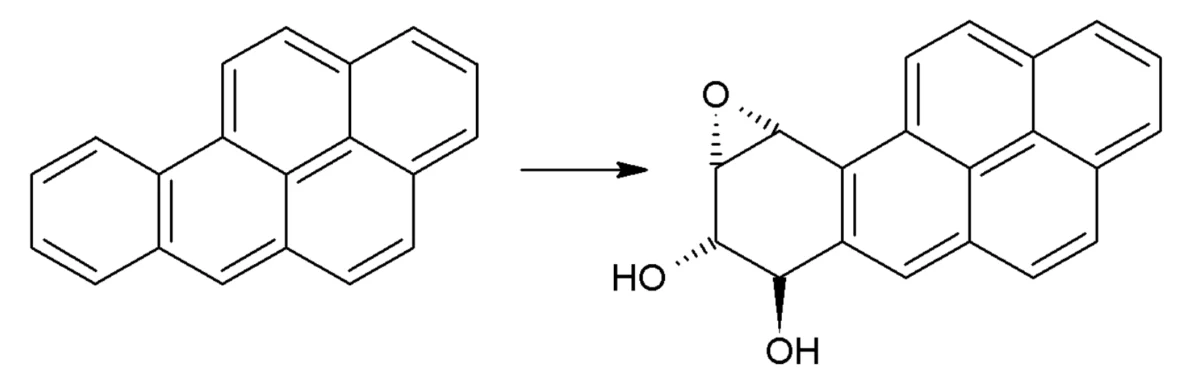
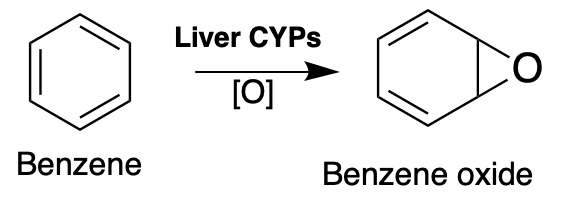
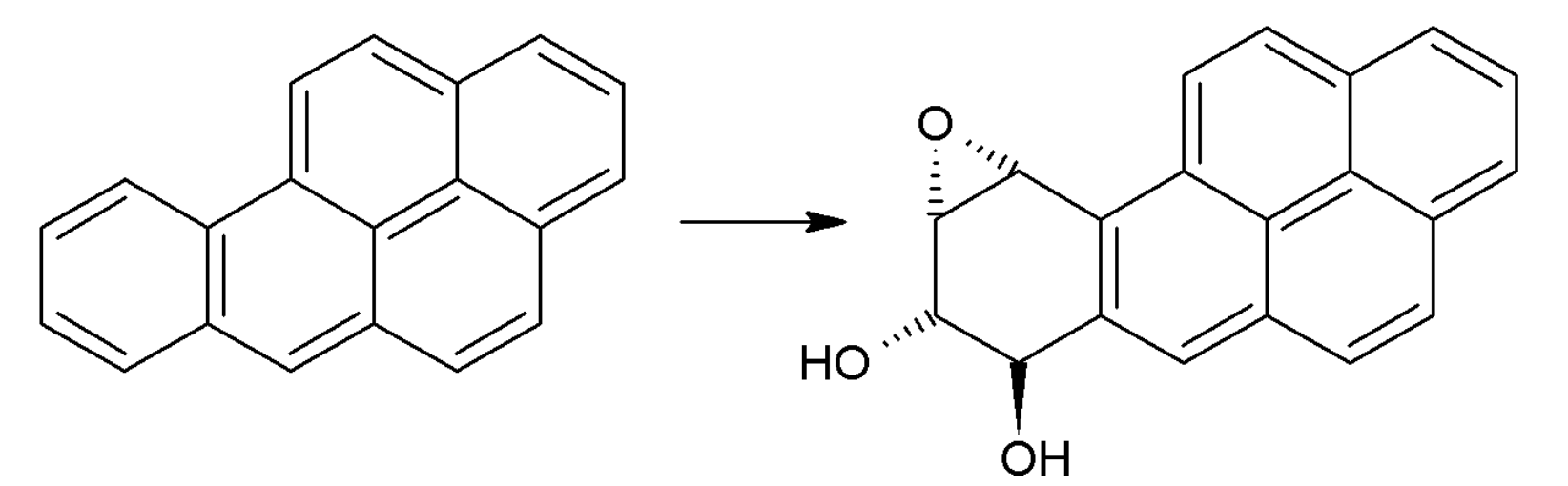
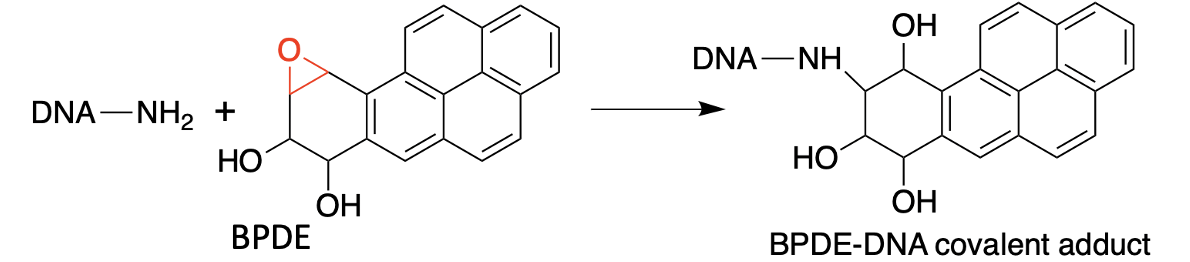
The danger of these compounds lies not only in their direct presence but also in their metabolic activation within the body. Enzymes, primarily in the liver, can convert seemingly less harmful substances into more toxic and reactive metabolites. For instance, benzene can be oxidized into benzene oxide, initiating a cascade of reactions that produce reactive metabolites implicated in its carcinogenicity. Similarly, BaP undergoes a multi-step enzymatic conversion to a highly reactive compound known as benzo[a]pyrene diol epoxide (BPDE).
n
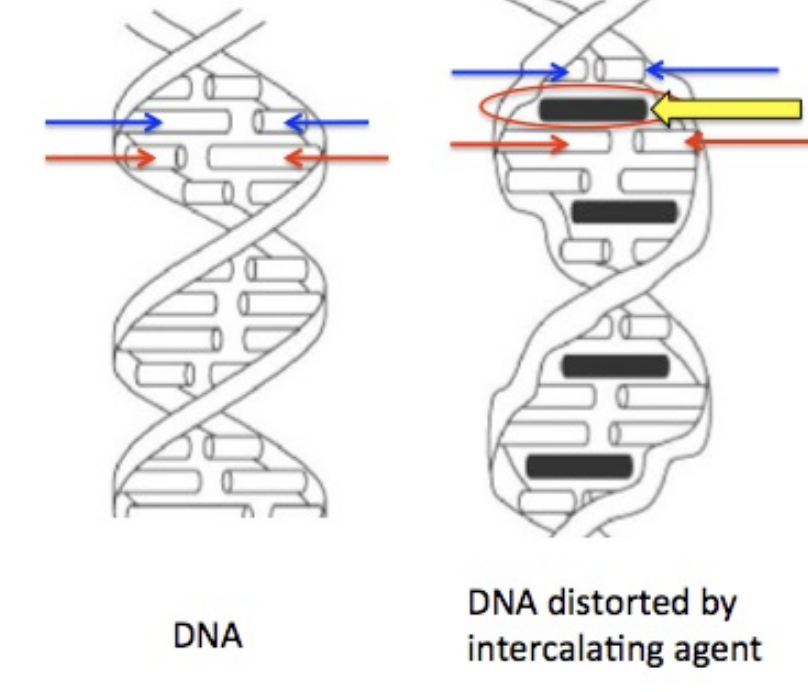
BPDE’s insidious nature lies in its molecular structure. Its planar, fused ring system allows it to intercalate, or slip, between the stacked base pairs of DNA. The reactive epoxide group can then form a covalent bond with DNA, particularly with guanine. If this DNA damage is not accurately repaired before cell division, it can lead to permanent mutations, a critical step in the development of cancer. Therefore, the presence of PAHs like BaP in marijuana smoke, which are known to form these DNA-damaging adducts, provides a strong chemical rationale for concern.
n
It is crucial, however, to acknowledge the differences between marijuana and tobacco smoke. While both contain many common carcinogens, tobacco smoke also harbors potent tobacco-specific nitrosamines (TSNAs), formed from nicotine and related tobacco alkaloids. Pure marijuana smoke does not contain these TSNAs. Conversely, the specific profile and concentrations of other carcinogens, like PAHs, may differ between the two. This chemical distinction underscores the need for independent research into marijuana’s specific health impacts, rather than simply extrapolating findings from tobacco.

n
A Patchwork of Evidence: Early Epidemiological Studies
n
Despite the clear presence of carcinogens in marijuana smoke, epidemiological studies investigating its link to lung cancer have yielded a perplexing array of results. For years, the prevailing narrative was that marijuana smoking did not appear to significantly increase the risk of lung cancer, especially when compared to the overwhelming risk associated with tobacco use.
n
Several large-scale studies have contributed to this complex picture. A notable analysis published in 2015, which pooled data from six studies encompassing over 2,000 lung cancer cases and nearly 3,000 controls, found an odds ratio (OR) of lung cancer among habitual cannabis smokers to be 0.96. This figure suggests virtually no increased risk. Even for individuals with substantial exposure, measured in "joint-years" (a metric approximating lifetime consumption), the OR remained close to 1. While these studies hinted at potential increased risks at extremely high levels of consumption, the sample sizes were too small to draw definitive conclusions.
n
Earlier research, such as a 40-year Swedish study involving nearly 50,000 men, presented a slightly different perspective. This study reported approximately a twofold increase in the subsequent risk of lung cancer among those who had used cannabis more than 50 times. However, this study had limitations, including measuring cannabis and tobacco use only at baseline and providing limited information on long-term smoking habits over the four decades of follow-up. The potential for confounding by tobacco use, or the lack of detailed information on the cumulative exposure to both substances, remained a significant concern.
n
The persistent discrepancy between the known carcinogenic properties of marijuana smoke and the largely equivocal epidemiological findings presented a scientific puzzle. Researchers grappled with several challenges:
n
- n
- Confounding by Tobacco Use: A substantial number of marijuana smokers also smoke cigarettes. Tobacco smoking is an exceptionally potent risk factor for lung cancer, making it difficult to isolate the independent effect of cannabis. Even with statistical adjustments, imperfect control for lifetime tobacco exposure can significantly distort results.
- Measurement of Exposure: Accurately quantifying marijuana exposure is challenging. Older studies often lacked detailed information on the frequency, duration, and potency of cannabis smoked. Metrics like "joint-years" are approximations, and individual smoking patterns (e.g., depth of inhalation, filtration methods) can vary widely.
- Latency Period: Lung cancer typically takes decades to develop. Identifying large cohorts of individuals with sufficient long-term, heavy marijuana exposure to observe a clear effect has been a considerable challenge.
- Variability in Cannabis Products: The potency and composition of cannabis have evolved significantly over time, particularly with the advent of modern cultivation techniques and the increasing prevalence of high-THC strains. Older studies may not reflect the risks associated with current cannabis products.
n
n
n
n
n
A Wake-Up Call: The Gallagher Study and Cannabis Use Disorder
n
In light of the ongoing debate and the limitations of previous research, a recent study by Tyler Gallagher and colleagues has generated significant attention. Published in JAMA Psychiatry, this research utilized a large dataset of electronic medical records from 67 U.S. healthcare organizations, spanning approximately 20 years. The study identified nearly 150,000 adults diagnosed with cannabis use disorder (CUD) and propensity-matched them with an equal number of individuals without CUD. This meticulous matching process aimed to control for demographic factors and known lung cancer risk factors, including tobacco and nicotine exposure.
n
The findings of the Gallagher study were striking and, for many, a cause for concern. Individuals diagnosed with CUD exhibited a significantly higher risk of developing lung or bronchial cancer, with a reported rate ratio (RR) of 3.87 times that of their matched controls. Furthermore, elevated risks were observed across various histological subtypes of lung cancer, including adenocarcinoma (RR 2.54), squamous-cell carcinoma (RR 2.90), and small-cell carcinoma (RR 2.70).
n
The magnitude of this association – an almost fourfold increased risk – is difficult to dismiss, especially in a study involving nearly 300,000 matched individuals. This contrasts sharply with the findings of earlier meta-analyses that suggested no significant increase in risk. The study’s reliance on electronic medical records, while providing a large sample size and the ability to control for some confounding factors, also introduces its own set of limitations.
n
Navigating the Disconnect: Why the New Findings Matter
n
The Gallagher study’s robust findings necessitate a re-evaluation of the relationship between marijuana use and lung cancer. Several factors contribute to its significance:
n
- n
- Magnitude of Association: An RR of nearly four is a substantial finding in epidemiological research. While not definitive proof of causation, it represents a strong signal that warrants further investigation.
- Control for Confounders: The study’s efforts to match participants based on tobacco and nicotine exposure, using electronic medical records, represent a significant step in addressing the pervasive issue of confounding. While the accuracy of this matching is debated, it aims to mitigate the influence of cigarette smoking more effectively than some previous studies.
- Focus on Cannabis Use Disorder: Diagnosing CUD implies a pattern of substantial and potentially problematic cannabis use. While this diagnosis doesn’t directly quantify the amount of cannabis consumed, it serves as a reasonable proxy for significant exposure, particularly given that cannabis has historically been predominantly smoked.
n
n
n
n
However, the study is not without its limitations, and these must be considered when interpreting the results:
- Diagnostic Proxy: A CUD diagnosis is not a direct measure of cannabis consumption. It does not reveal the frequency, duration, or potency of use. This lack of a clear dose-response relationship is a significant hurdle in establishing causality. A dose-response relationship, where increasing exposure leads to increasing risk, is a cornerstone of epidemiological evidence for carcinogenicity.
- Accuracy of Electronic Medical Records: While valuable, electronic medical records may not always capture the full nuances of a patient’s smoking history. Information on pack-years for tobacco or detailed cannabis consumption patterns might be incomplete.
- Potential for Unmeasured Confounders: Despite rigorous matching, there might be other unmeasured lifestyle factors or genetic predispositions that contribute to both CUD and lung cancer risk.
Official Responses and Evolving Public Health Guidance
As of the latest available information, major public health organizations, while acknowledging the ongoing research and the chemical properties of marijuana smoke, have not issued definitive statements directly linking marijuana smoking to lung cancer in the same way they have for tobacco. The U.S. National Cancer Institute (NCI) states that "marijuana smoke contains carcinogens and other toxins," and that "studies have shown that marijuana smoke can harm the lungs." However, they also note that "it is not yet clear whether marijuana use causes cancer." The American Lung Association similarly advises that "marijuana smoke contains many of the same toxins and carcinogens as tobacco smoke."
The complexity of the evidence has made it challenging for official bodies to issue clear-cut public health advisories. The potential for significant harm from the combustion products is chemically evident, yet the epidemiological data has historically been inconsistent. The Gallagher study represents a pivotal piece of new evidence that will undoubtedly prompt further discussion and potentially influence future public health guidance.
Implications and Future Directions: Towards a Clearer Picture
The findings of the Gallagher study, while not constituting definitive proof, cast a significant shadow of doubt on the notion that marijuana smoking is risk-free for lung cancer. The implications are far-reaching:
- Public Health Messaging: Health organizations may need to refine their messaging to reflect the growing evidence of potential harm. This could involve advising caution regarding the inhalation of marijuana smoke, particularly for individuals with a history of smoking or those at higher risk for lung cancer.
- Regulatory Considerations: As cannabis legalization and regulation continue to evolve, these findings could inform policies related to product labeling, public smoking restrictions, and public health education campaigns.
- Further Research: The study highlights the urgent need for more robust, longitudinal research. Future studies should focus on:
- Quantifying Dose-Response: Developing better methods to accurately measure cumulative cannabis exposure, including potency and frequency, is critical.
- Longitudinal Cohort Studies: Following large cohorts of individuals with varying levels of cannabis use over many decades, with meticulous tracking of both cannabis and tobacco consumption, is essential.
- Biomarker Research: Investigating biomarkers of exposure and early lung damage in cannabis smokers could provide valuable insights.
- Comparison of Smoking vs. Other Consumption Methods: Research into the relative risks of smoking versus other forms of cannabis consumption, such as edibles or vaporization, is also needed.
Conclusion: No Smoking Gun, but a Smoldering Concern
The question of whether smoking marijuana causes lung cancer remains complex. While chemistry unequivocally demonstrates the presence of carcinogens in marijuana smoke, historical epidemiological data has offered a mixed picture. The recent Gallagher study, with its large sample size and significant findings regarding cannabis use disorder, has undeniably tipped the scales, suggesting a substantially elevated risk that cannot be easily dismissed.
While there may not yet be a "smoking gun" definitively proving marijuana causes lung cancer, there is now a considerable amount of "smoke." The chemical composition of burnt cannabis, combined with the magnitude of association observed in the Gallagher study, creates a compelling case for caution. As scientific understanding progresses and more research emerges, public health guidance will likely evolve, emphasizing the importance of informed decision-making regarding the inhalation of marijuana smoke. The current evidence suggests that intentionally inhaling any form of smoke carries inherent risks, and with marijuana, the extent of that risk is becoming increasingly clear.

