
The landscape of American healthcare is currently undergoing a seismic shift as the Medicaid managed care model—the primary vehicle for delivering healthcare to the nation’s most vulnerable populations—faces an unprecedented confluence of legislative, financial, and operational pressures. For decades, Managed Care Organizations (MCOs) have been the bedrock of Medicaid, with over three-quarters of beneficiaries nationally enrolled in comprehensive plans. These organizations account for half of all Medicaid spending, which reached a critical milestone in fiscal year 2024.
n
However, the stability of this system is being tested by the 2025 federal budget reconciliation law. As states grapple with new work requirements, frequent eligibility redeterminations, and shifting financing structures, the private insurers that once raced to capture Medicaid contracts are now signaling a strategic retreat. Led by industry giants like Elevance Health, the market is entering a period of "right-sizing" that could have profound implications for millions of enrollees and the providers who serve them.
n
Main Facts: A System Under Duress
n
The current crisis in Medicaid managed care is rooted in a fundamental mismatch between fixed "capitation" payments and the rising "acuity"—or medical complexity—of the remaining member pool. In the wake of the 2025 federal budget reconciliation law, several key factors have emerged:
n
- n
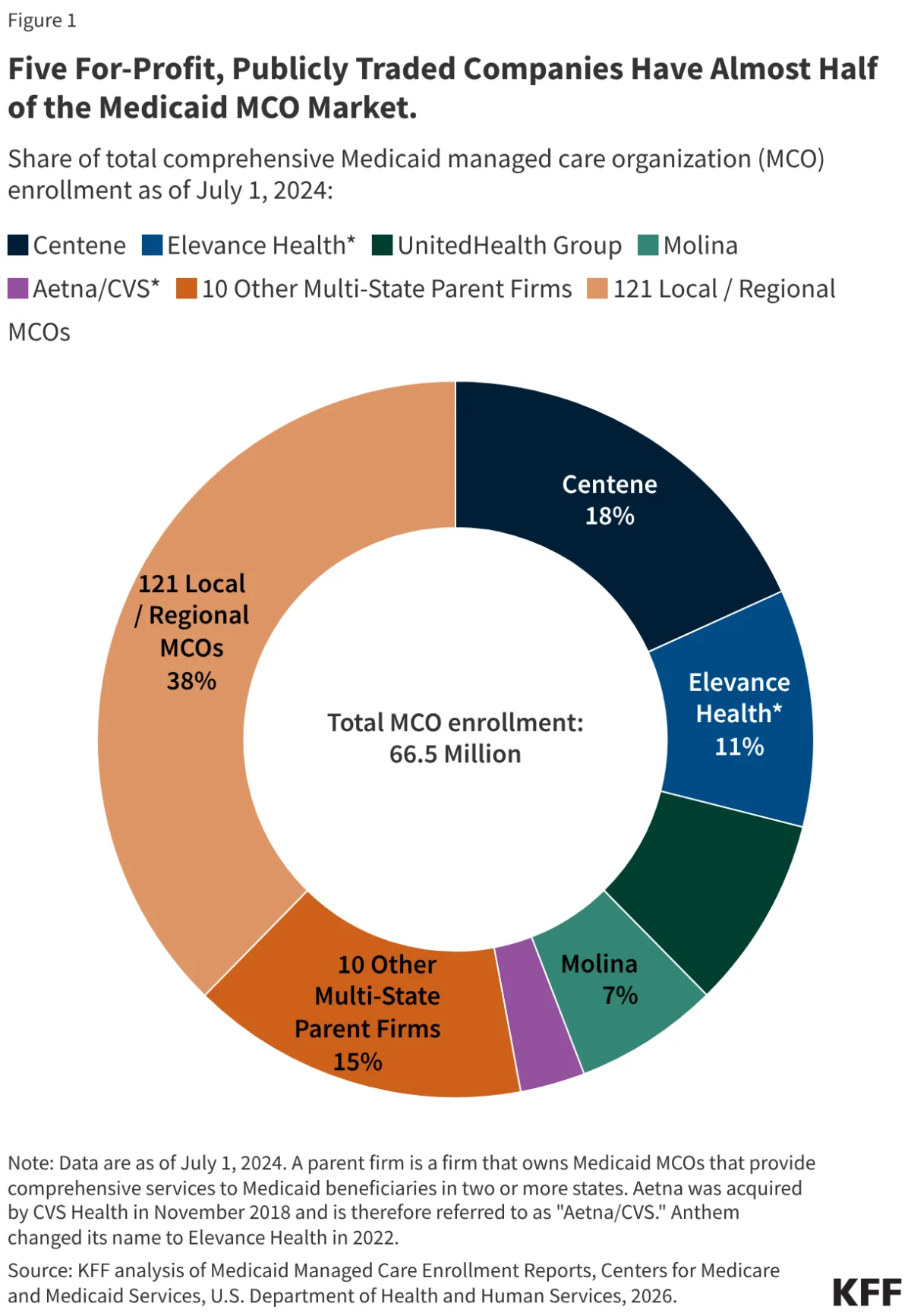
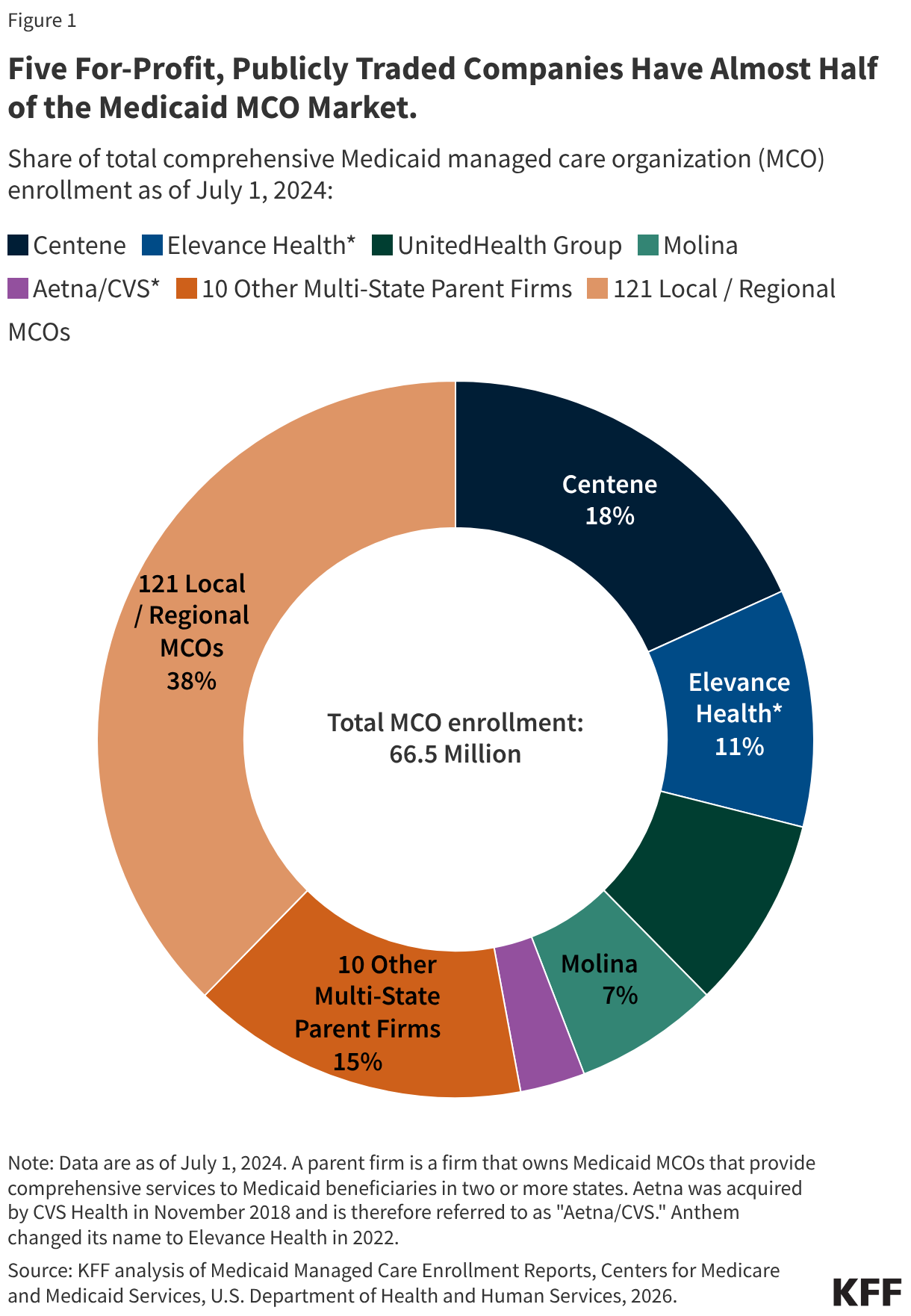
- Market Dominance: Medicaid managed care is no longer a niche market; it is the dominant delivery system. In FY 2024, half of all Medicaid spending flowed through MCOs. Five for-profit, publicly traded companies—Centene, Elevance Health, UnitedHealth Group, Molina, and Aetna/CVS—control nearly 50% of this market.
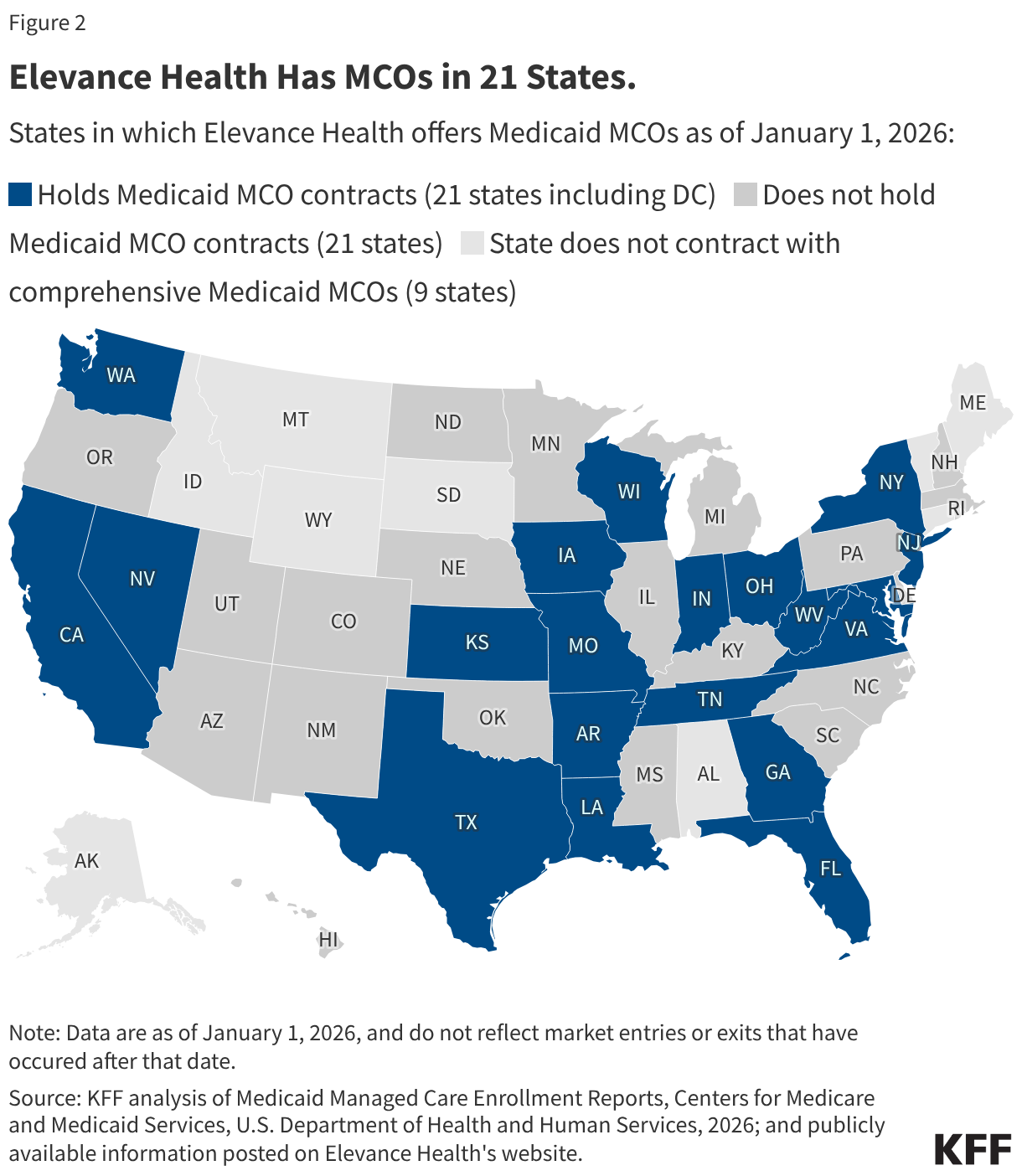
- The Elevance Exit: In a move that sent ripples through the industry, Elevance Health announced in July 2026 that it would begin exiting Medicaid markets where "the economics don’t support sustainable performance." This includes a high-profile departure from Washington D.C. and a scheduled exit from Louisiana by the end of 2026.
- The 2025 Reconciliation Law: This legislation has introduced volatility by mandating work requirements for "expansion adults" and requiring more frequent eligibility checks. These administrative hurdles often lead to "churn," where beneficiaries lose coverage due to paperwork rather than a loss of eligibility.
- Financial Erosion: Data from the National Association of Insurance Commissioners (NAIC) reveals that the average Medical Loss Ratio (MLR)—the percentage of premiums spent on actual medical care—rose from 88% in 2023 to 91% in 2024. This represents the highest MLR in the Medicaid sector in a decade, signaling a sharp decline in profitability for private insurers.
n
n
n
n
n
Chronology: From Pandemic Stability to Post-Reconciliation Volatility
n
To understand the current state of the market, one must look at the timeline of policy shifts that led to this juncture.
n
- n
- 2020–2023: The Continuous Enrollment Era. During the COVID-19 pandemic, federal law prohibited states from disenrolling Medicaid members. This led to record-high enrollment and relative financial stability for MCOs, as the pool included many healthy individuals who utilized few services.
- Late 2023: The "Unwinding" Begins. As the continuous enrollment provision ended, states began "unwinding" their rolls. Millions were disenrolled. Crucially, the healthiest members were often the first to leave, leaving behind a "sicker" pool of enrollees with higher healthcare needs—a phenomenon known as rising acuity.
- July 2025: The Reconciliation Law. The 119th Congress passed the 2025 federal budget reconciliation law. It introduced work requirements and modified program financing, including changes to provider taxes and state-directed payments.
- July 2026: The Elevance Earnings Call. During its Q2 earnings call, Elevance Health executives announced a strategic review of their Medicaid portfolio. They projected a Medicaid operating margin of -1.75% for the year, citing elevated utilization compared to pre-pandemic levels.
- August 1, 2026: D.C. Departure. Wellpoint DC (an Elevance subsidiary) officially exited the District of Columbia’s Medicaid program following a "mutual agreement" with city officials, despite having a contract that was supposed to run through 2028.
- September 2026: Louisiana Announcement. The Louisiana Department of Health announced that Elevance’s "Healthy Blue" plan would exit the state at the end of the year, affecting hundreds of thousands of members.
n
n
n
n
n
n
n
Supporting Data: The Economics of the Squeeze
n
The financial viability of Medicaid managed care relies on "actuarially sound" capitation rates. States pay MCOs a fixed monthly fee per member. If the member costs more than that fee, the MCO loses money.
n
The Profitability Gap
n
The shift in the Medical Loss Ratio (MLR) is the most telling statistic. At 91%, Medicaid MCOs are operating on thinner margins than any other health insurance sector, including Medicare Advantage and the individual commercial market. For a company like Elevance, where Medicaid members represent 20% of their total medical membership, an operating margin of -1.75% represents a significant drag on overall corporate performance.
n
Market Concentration
n
The "Big Five" (Centene, Elevance, UnitedHealth, Molina, and Aetna) operate in at least 13 of the 42 states that utilize MCOs. In some states, Elevance alone holds up to 44% of the market share. When a firm of this size exits, it creates a vacuum that other, often smaller or non-profit plans, may struggle to fill.
n
Acuity and Utilization
n
While the "unwinding" caused an initial spike in acuity, insurers are now worried about "incremental acuity pressure" in 2027. Work requirements typically impact "expansion adults"—the group that is generally healthier. If these individuals are removed from the pool, the average cost per remaining member rises, often faster than state actuaries can adjust the capitation rates.
n
Official Responses: States and Insurers at Odds
n
The tension between state budgets and corporate bottom lines is becoming increasingly visible in public statements and regulatory filings.
Elevance Health: Executives have been blunt about their fiduciary responsibility to shareholders. "We are reviewing our overall Medicaid portfolio," a spokesperson noted during the July earnings call. "We will plan to exit markets where the economics don’t support sustainable performance." The firm cited "utilization that remains elevated compared to pre-pandemic levels" as a primary driver of their exit strategy.
District of Columbia Department of Health Care Finance: Following the exit of Wellpoint DC, the department emphasized that the departure was a "mutual agreement." However, the exit followed a highly contested procurement process in 2022, suggesting that the relationship between the district and the insurer had been strained for years.
Centene Corporation: While not announcing a wholesale exit like Elevance, Centene has signaled trouble in specific markets. The company plans to stop participating in Arkansas’s Medicaid expansion program in 2027. Centene executives cited "current funding challenges" within the state’s unique model, which uses Medicaid funds to purchase private Marketplace coverage.
State Medicaid Agencies: In KFF’s 2025 Medicaid budget survey, many state officials expressed deep concern. They reported challenges in "projecting the potential impacts of federal policy changes," particularly regarding how work requirements would alter the health risk of their remaining populations.
Implications: A Risk to Continuity and Competition
The withdrawal of major insurers from the Medicaid market is not merely a corporate reshuffling; it has tangible consequences for the healthcare ecosystem.
1. Disruptions in Enrollee Care
When a plan exits a market, enrollees must be transitioned to new insurers. This often leads to:
- Provider Network Gaps: An enrollee’s primary doctor or specialist may not be in the network of the new plan.
- Authorization Hurdles: Existing prior authorizations for surgeries, medications, or therapies may not be honored by the new insurer, leading to dangerous delays in treatment.
- Administrative "Churn": Vulnerable populations, such as those with disabilities or chronic conditions, may struggle to navigate the paperwork of a transition, potentially falling out of the system entirely.
2. Administrative Burden on Providers
Doctors and hospitals are already struggling with the administrative requirements of the 2025 reconciliation law. Plan transitions add another layer of complexity. Providers must re-verify insurance for thousands of patients, renegotiate contracts with incoming plans, and navigate different billing systems, all while helping patients understand their new eligibility requirements.
3. Market Concentration and Reduced Competition
The exit of a major player like Elevance could have a "domino effect." If only one or two plans remain in a state, the lack of competition can lead to:
- Stagnant Quality: Without the threat of losing members to a competitor, plans may have less incentive to invest in high-touch care management.
- Leverage Imbalance: States may find themselves with less leverage to negotiate better rates or higher performance standards if they have only one viable bidder for their Medicaid contracts.
4. The "Quality" Silver Lining
Some policy analysts argue that the exit of for-profit giants could provide an opportunity. If lower-performing plans exit the market, it may allow local, provider-led, or non-profit MCOs to take a larger role. These organizations are often more deeply rooted in the community and may be more willing to accept lower margins in exchange for long-term stability.
Conclusion: The Path Forward
The Medicaid managed care market is at a crossroads. The era of "easy growth" fueled by pandemic-era policies has ended, replaced by a "new normal" of high acuity, administrative complexity, and fiscal austerity. As the 2025 reconciliation law continues to be implemented, states must find a way to balance the financial demands of private insurers with the health needs of their residents.
Whether the current wave of exits is a temporary correction or the beginning of a larger retreat from the public-private partnership model remains to be seen. What is certain is that the decisions made by executives in boardrooms and policymakers in state capitals over the next 18 months will define the future of healthcare for America’s most vulnerable citizens.

