
Introduction: A Sudden Shift in a Gold-Standard Benefits Program
n
For decades, Starbucks Coffee Company has cultivated an image as a "pioneer of the perks," a retail giant that treats its front-line baristas—referred to internally as "partners"—with the kind of comprehensive benefits usually reserved for white-collar corporate offices. From full tuition coverage at Arizona State University to comprehensive health insurance for part-time workers, the Seattle-based coffee chain has long used its benefits package as a primary tool for recruitment and retention.
n
However, a recent policy shift regarding the coverage of GLP-1 (glucagon-like peptide-1) medications has sent shockwaves through its workforce and sparked a heated debate within the healthcare advocacy community. Starting in October, Starbucks reportedly plans to discontinue insurance coverage for GLP-1 drugs when prescribed specifically for weight loss. While the medications will remain covered for other conditions, such as Type 2 diabetes, the decision marks a significant retreat from the company’s previous stance on comprehensive obesity care.
n
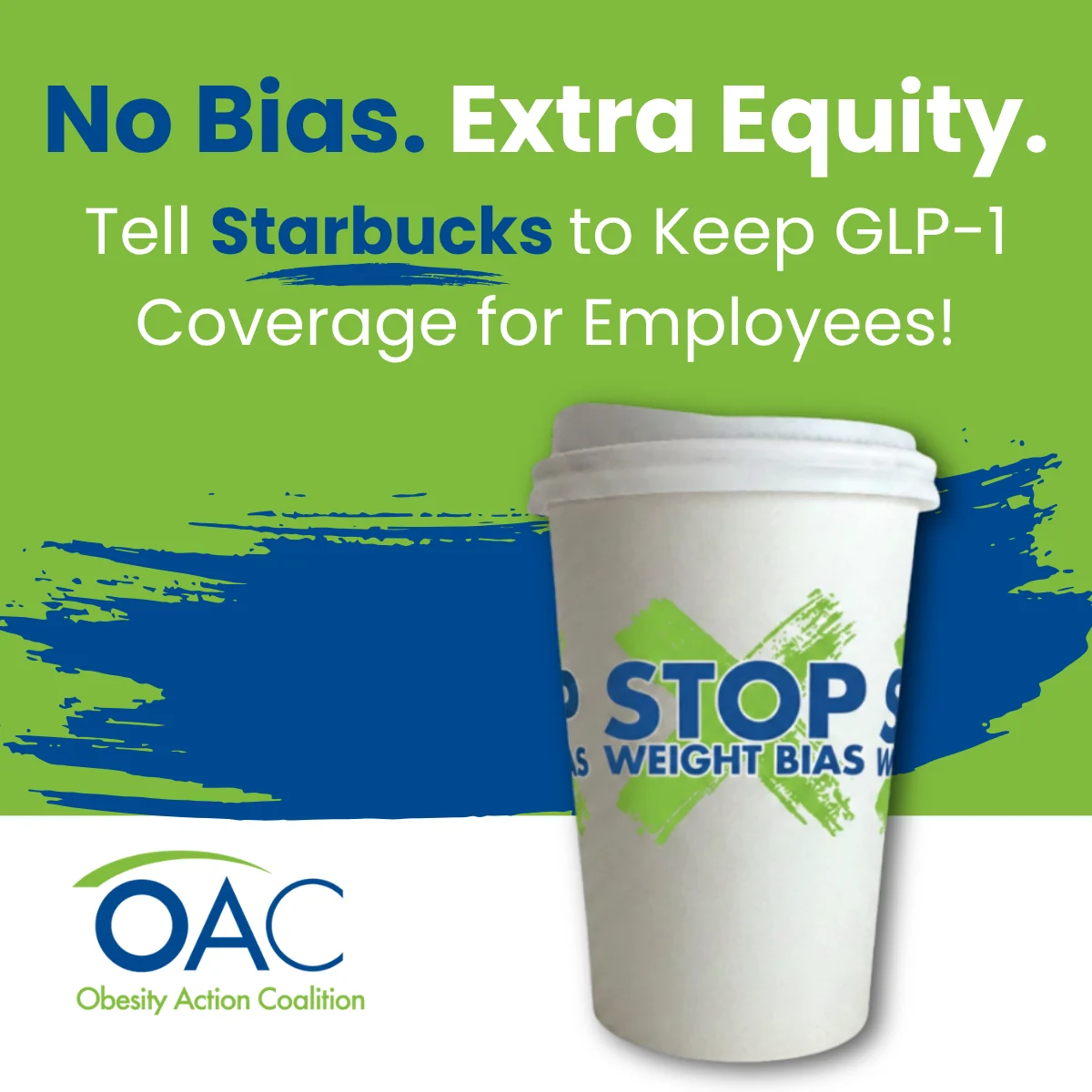
This move is particularly striking given that only last month, Starbucks touted an independent analysis by Aon that ranked the company No. 1 in overall hourly benefits value among more than 60 major U.S. retail companies. The decision has prompted organizations like the Obesity Action Coalition (OAC) to cry foul, alleging that Starbucks is reinforcing an outdated and harmful double standard regarding how obesity is treated compared to other chronic diseases.
n
Main Facts: The New Policy and Its Immediate Impact
n
The core of the controversy lies in the selective nature of the coverage reduction. GLP-1 receptor agonists, a class of drugs that includes brand names like Wegovy, Saxenda, and Zepbound, have revolutionized the treatment of obesity by mimicking hormones that target areas of the brain that regulate appetite and food intake.
n
Under the new policy, benefits-eligible Starbucks employees will no longer have access to these medications if their primary diagnosis is obesity or chronic weight management. The policy creates a "diagnostic gate," where two employees might be prescribed the same medication, but only the one with a diagnosis of diabetes will have it subsidized by the company.
n
For employees currently utilizing these medications to manage their weight, the financial implications are staggering. Without insurance coverage, the out-of-pocket cost for GLP-1 medications can exceed $1,000 per month—a price point that is functionally inaccessible for the vast majority of hourly retail workers. Advocacy groups argue that this decision forces employees to choose between halting a life-saving treatment or facing financial ruin.
n
Chronology: From Benefits Leader to Cost-Cutter
n
The timeline of Starbucks’ relationship with employee wellness and GLP-1 medications reflects the broader struggle of American corporations attempting to balance progressive values with the soaring costs of modern pharmacology.
n
- n
- September 2024: An independent analysis from Aon ranks Starbucks as the top provider of hourly benefits in the U.S. retail sector. Starbucks publicizes this ranking to reinforce its "Partner-first" culture.
- Early 2024: Starbucks CEO Brian Niccol (formerly of Chipotle) begins addressing the company’s strategic direction. In public remarks, he acknowledges the "GLP-1 effect" on consumer behavior, noting that as more Americans use these drugs, Starbucks must adapt its menu to include more protein-rich and "health-conscious" food and beverage options.
- Late Summer 2024: Reports begin to circulate among the Starbucks workforce and benefits administrators that the health plan formulary is being revised.
- October 2024: The reported deadline for the cessation of GLP-1 coverage for weight loss. This shift aligns with the start of many corporate fiscal quarters and the lead-up to open enrollment periods for the following year.
n
n
n
n
n
The transition is especially jarring because it occurs during a leadership transition. As the company looks to streamline operations and improve margins, the high cost of GLP-1 medications—which have become some of the most expensive line items for employer-sponsored insurance plans—appears to have become a target for cost-containment.
n
Supporting Data: The Science of Obesity and the Economics of Care
n
To understand the weight of Starbucks’ decision, one must look at the data surrounding obesity as a clinical diagnosis. In 2013, the American Medical Association (AMA) officially recognized obesity as a complex, chronic disease. This classification was intended to shift the public perception away from the "willpower" narrative and toward a biological understanding of the condition.
n
The Biological Reality
n
Obesity is influenced by a confluence of genetics, metabolic rates, and environmental factors. According to the National Institute of Diabetes and Digestive and Kidney Diseases (NIDDK), GLP-1 medications are a scientifically validated component of a multi-modal treatment plan, which may also include behavioral therapy and bariatric surgery. Clinical trials for medications like Wegovy have shown that participants lost an average of 15% of their body weight, significantly reducing the risk of heart disease, stroke, and certain cancers.
n
The Financial Pressure
n
The "GLP-1 boom" has placed unprecedented pressure on employer-sponsored insurance. According to data from the Kaiser Family Foundation (KFF), nearly 1 in 8 U.S. adults have taken a GLP-1 drug. For a company the size of Starbucks, which employs over 200,000 people in the U.S., the potential cost of covering these drugs for weight loss could reach hundreds of millions of dollars annually.
n
A recent survey by the International Foundation of Employee Benefit Plans found that while coverage for GLP-1s is increasing, many employers are implementing "utilization management" (like Starbucks’ recent move) to curb costs. Starbucks is not alone, but its position as a "benefits leader" makes its retreat more symbolic than most.
n
Official Responses and Perspectives
n
The Obesity Action Coalition (OAC)
n
The OAC has been the most vocal critic of the policy change. In an official statement, the coalition argued that Starbucks is "reinforcing an unacceptable double standard." They contend that by covering the drug for diabetes but not for obesity, the company is essentially stating that one chronic disease is more "valid" than the other.
n
"Obesity is not simply a matter of willpower or personal choices," the OAC stated. "When health coverage excludes treatment for obesity while maintaining access to GLP-1 medications for other health conditions, it reinforces the stigma that obesity does not deserve the same standard of care."
n
Starbucks Corporate Stance
n
While Starbucks has historically defended its benefits as a core part of its "Partner" value proposition, the company’s justification for this specific change centers on the sustainability of the overall benefits package. In general corporate communications, the company emphasizes that it must constantly evaluate its offerings to ensure they remain competitive and sustainable over the long term.
However, critics point out the "corporate paradox" mentioned by CEO Brian Niccol. By acknowledging that GLP-1s are changing what customers buy, the company is essentially profiting from the medications’ effects on the public while simultaneously denying the same health benefits to the people serving the coffee.
Implications: A Precedent for the Retail Industry
The decision by Starbucks to scale back GLP-1 coverage carries implications that extend far beyond the coffee counter. As a bellwether for the retail industry, Starbucks’ move may provide "cover" for other major retailers to follow suit.
1. The Erosion of the "Social Contract"
Starbucks has long operated on a social contract: in exchange for the demanding, high-stress environment of fast-paced retail, the company provides a safety net that is superior to its competitors. By removing coverage for a major class of medications used to treat a widespread chronic condition, Starbucks risks damaging its brand equity as an "empathetic employer."
2. Socio-Economic Disparities in Health
There is a significant socio-economic component to obesity. Data from the CDC consistently shows that obesity rates are higher among lower-income populations and certain marginalized communities. By removing insurance coverage, Starbucks is effectively ensuring that only its high-earning corporate executives can afford these treatments out-of-pocket, while the baristas who are most at risk are left without options.
3. The Long-Term Cost of Unmanaged Obesity
From a purely economic standpoint, some health economists argue that cutting GLP-1 coverage is "penny wise and pound foolish." Unmanaged obesity leads to a host of secondary conditions—including joint replacement surgeries, cardiovascular events, and sleep apnea—which are also expensive for employer-sponsored plans. By cutting the preventative treatment now, Starbucks may face higher healthcare costs and lower productivity due to illness in the future.
4. A Call to Action
The OAC has launched a campaign through its Action Center, urging the public and Starbucks employees to demand a reversal of the decision. The outcome of this pushback will be a litmus test for whether "employee-centric" companies can be held accountable to their stated values when faced with the high costs of modern medical breakthroughs.
Conclusion: The Future of Equitable Care
The Starbucks GLP-1 controversy is a microcosm of the larger crisis facing the American healthcare system: the tension between groundbreaking medical innovation and the ability to pay for it. For Starbucks, the path forward is a choice between maintaining its status as a benefits innovator or succumbing to the standard corporate pressure of cost-containment at the expense of employee health.
As the October deadline approaches, the eyes of the retail world—and the millions of Americans living with obesity—are on the "Green Siren." If a company that prides itself on being No. 1 in benefits cannot find a way to sustainably provide science-based obesity care, it raises a troubling question: Who will?
For the "partners" in the green aprons, the hope is that Starbucks will remember its own mantra: that a great customer experience begins with an employee who feels truly cared for—not just when they have diabetes, but when they are battling the chronic disease of obesity as well.

