
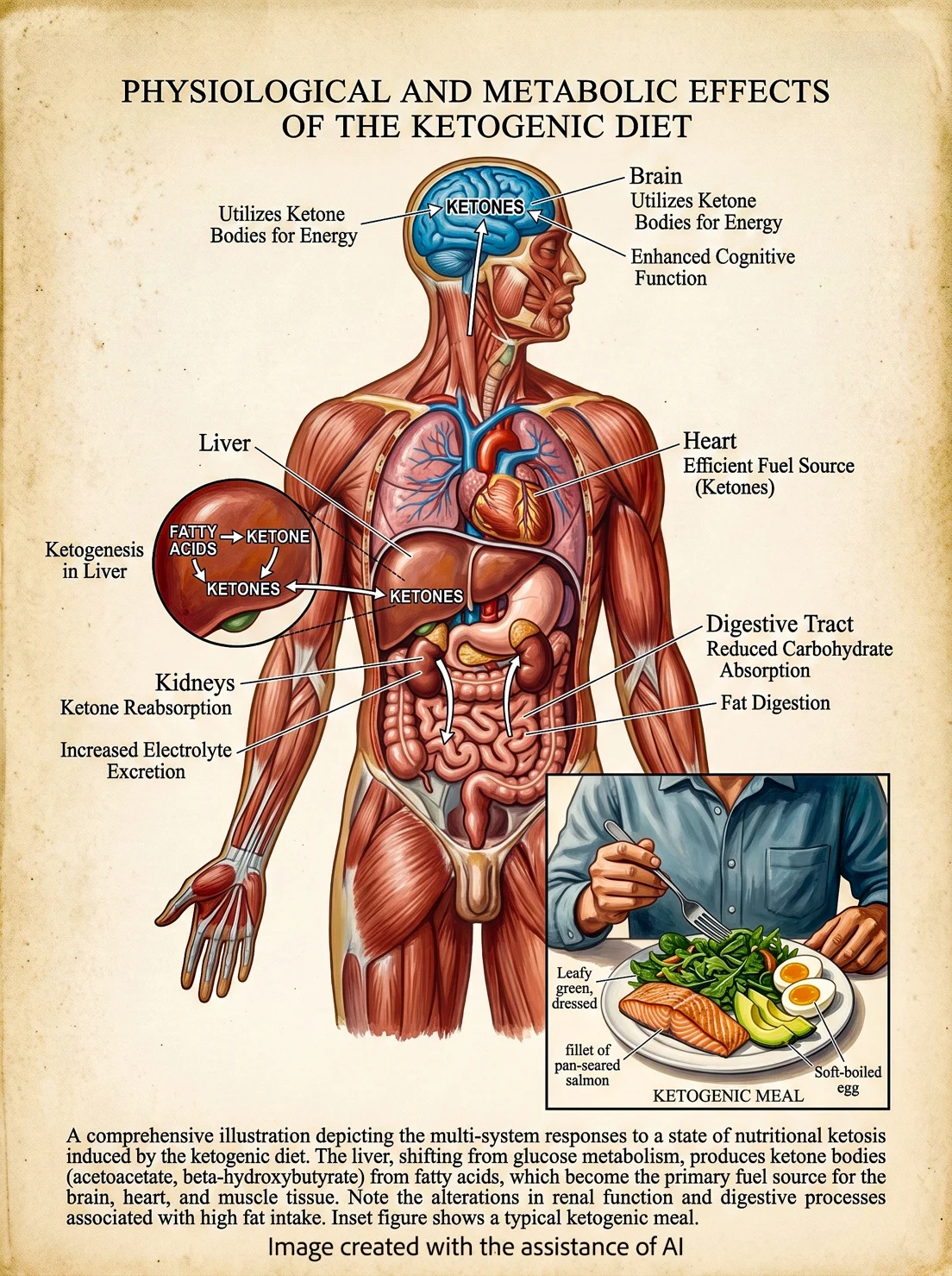
A reader’s inquiry into the comprehensive, long-term health effects of the ketogenic diet—specifically concerning cholesterol, heart disease, and other systemic impacts—resonates with a growing public interest in this popular dietary approach. While often lauded for its rapid weight-loss potential, the ketogenic diet fundamentally alters the body’s primary fuel source, leading to a cascade of physiological changes that extend far beyond the number on the scale. A recent randomized study published in Cell Metabolism offers crucial insights, providing a valuable perspective on the trade-offs associated with sustained ketosis. This article delves into the intricate workings of the ketogenic diet, examining its effects on various bodily systems, and critically analyzing the latest scientific evidence to answer the complex question of its long-term health implications.
n
The Fundamental Shift: From Glucose to Ketones
n
At its core, the ketogenic diet is characterized by a drastic reduction in carbohydrate intake, typically to less than 50 grams per day. This severe restriction forces the body to shift its primary energy substrate from glucose, derived from carbohydrates, to ketone bodies. This metabolic state, known as ketosis, involves the breakdown of fats into three main ketone bodies: beta-hydroxybutyrate (β-HB), acetoacetate, and acetone.
n
This metabolic reprogramming has profound downstream effects throughout the body:
n
Neurological Impact: Fueling the Brain
n
The brain is an energy-intensive organ, traditionally relying almost exclusively on glucose. In a ketogenic state, however, ketone bodies become a significant fuel source, reportedly supplying 60-70% of the brain’s energy needs. The remaining glucose is synthesized by the liver through a process called gluconeogenesis. Beyond providing energy, ketone bodies have been shown to enhance central nervous system signals that dampen nerve excitability. This mechanism is precisely why the ketogenic diet has been a long-standing therapeutic intervention for epilepsy, demonstrating remarkable efficacy in reducing seizure frequency.
n
Endocrine and Cardiovascular Effects: Insulin, Lipids, and Blood Pressure
n
The drastic reduction in carbohydrate intake leads to a significant decrease in insulin secretion. Insulin, a hormone primarily responsible for regulating blood glucose levels, also plays a role in fat metabolism. Lower insulin levels generally translate to reduced triglyceride levels in the blood. Furthermore, ketogenic diets are often associated with an increase in high-density lipoprotein cholesterol (HDL-C), commonly referred to as "good" cholesterol.
n
Reduced insulin signaling also impacts kidney function. The kidneys tend to retain less sodium when insulin levels are low, leading to increased urination and a reduction in overall blood volume. This can contribute to a decrease in blood pressure. However, this rapid loss of sodium, potassium, and water is also believed to be the primary metabolic driver behind the common "keto flu." This transient syndrome, typically experienced within the first 24 to 72 hours of adopting the diet, can manifest as fatigue, headache, nausea, and muscle cramps, as the body adjusts to the new metabolic paradigm and electrolyte balance.
n
Gastrointestinal Harmony: The Gut Microbiome’s Response
n
The gut microbiome, a complex ecosystem of microorganisms residing in the digestive tract, is also affected by the ketogenic diet. With a reduced intake of fermentable soluble fibers—a primary food source for many gut bacteria—the composition of the microbiome can change. Moreover, the altered dietary fat-to-fiber ratio can influence gut transit times, potentially leading to either faster transit (diarrhea) or slower transit (constipation) in different individuals.
n
Anti-Inflammatory Properties: The Role of Beta-Hydroxybutyrate
n
Emerging research suggests that beta-hydroxybutyrate (β-HB), the predominant ketone body, possesses anti-inflammatory properties. It is believed to reduce the production of inflammatory cytokines, a group of signaling molecules that play a crucial role in the body’s immune response and can contribute to chronic diseases when dysregulated. This potential anti-inflammatory effect is an area of ongoing investigation and may offer additional health benefits beyond metabolic improvements.

n
The Evidence Base: A New Study Sheds Light on Comparative Efficacy
n
A pivotal study published in Cell Metabolism aimed to compare the effects of different dietary macronutrient compositions on metabolic health in individuals with prediabetes and hepatic steatosis, conditions often indicative of "metabolically unhealthy" status. The research involved 42 adults who were randomized into three groups, each following a different dietary plan for a specified period:
n
- n
- Ketogenic Diet: Characterized by approximately 4% carbohydrate content.
- Mediterranean Diet: Featuring around 50% carbohydrate content.
- Low-Fat, Plant-Based Diet: With approximately 70% carbohydrate content.
n
n
n
n
Crucially, all meals were prepared and delivered to participants, ensuring adherence to the prescribed macronutrient profiles.
n
Key Findings from the Randomized Trial:
n
The study yielded several significant observations:
n
- n
- Weight Loss Parity: All three dietary interventions resulted in a comparable 10% weight loss within a similar timeframe. This suggests that, at least in this cohort and duration, the specific macronutrient distribution was less critical for achieving initial weight loss than the overall caloric deficit or adherence to a structured eating plan.
- Improvements in Fat Mass: All groups demonstrated similar reductions in body fat mass, further reinforcing the notion that overall weight loss was the primary driver of these improvements.
- Cardiovascular Risk Factor Reduction: Notably, all three diets led to significant improvements in key cardiovascular risk factors. These included reductions in total cholesterol, LDL-cholesterol (often termed "bad" cholesterol), ApoB (a protein component of LDL particles), blood pressure, and triglycerides. This finding is particularly encouraging, as it suggests that multiple dietary patterns can contribute to better heart health when weight loss is achieved.
- Metabolic Health Enhancements (Keto Diet Specific): The ketogenic diet group exhibited a notable reduction in the liver’s production of fat (lipogenesis). Furthermore, the very low carbohydrate intake significantly improved markers of prediabetes. This outcome is largely anticipated given the direct impact of carbohydrate restriction on glucose metabolism and insulin sensitivity.
n
n
n
n
n
Interpreting the Data: Generalizability and Nuance
While the findings of this study are robust and informative, the authors emphasize the importance of nuanced interpretation regarding their generalizability:
-
For Individuals with Metabolic Dysfunction-Associated Steatotic Liver Disease (MASLD): The study participants, characterized by prediabetes and hepatic steatosis, fall under the umbrella of Metabolic Dysfunction-Associated Steatotic Liver Disease (MASLD). Current research indicates that MASLD affects a substantial portion of the adult population in the United States. For individuals with this specific metabolic profile, the ketogenic diet may indeed be a highly effective intervention for improving liver fat accumulation and metabolic health markers. The significant reduction in lipogenesis observed in the keto group directly addresses a core issue in MASLD.
-
For the General Overweight Population: For individuals who are overweight but do not exhibit baseline insulin resistance or elevated hepatic lipogenesis, the study’s findings suggest a more liberating perspective. In such cases, the strict carbohydrate restriction of the ketogenic diet may not offer a unique physiological advantage for fat loss compared to other dietary approaches that achieve similar weight reduction. The observed improvements in weight, blood pressure, and lipoproteins were remarkably consistent across a wide spectrum of macronutrient compositions, from 4% to 70% carbohydrate. This strongly indicates that weight loss itself is the primary metabolic driver for these improvements in individuals without pre-existing metabolic derangements.
The takeaway for the broader population, therefore, is that rigid adherence to a single dietary dogma may not be necessary. The "best" diet is ultimately the one that is sustainable, promotes a feeling of satiety, and is based on whole, nutrient-dense foods. This personalized approach, rather than a one-size-fits-all prescription, is likely to yield the most enduring health benefits.
The "Good, the Bad, and the Ugly": A Balanced Perspective
While the ketogenic diet offers potential benefits, it’s crucial to acknowledge its potential drawbacks:

The Good:
- Effective Weight Loss: For many, the ketogenic diet leads to significant and relatively rapid weight loss, which can have cascading positive effects on overall health.
- Improved Blood Sugar Control: Especially beneficial for individuals with type 2 diabetes or prediabetes, as it drastically reduces glucose intake and reliance on insulin.
- Therapeutic Applications: Proven efficacy in managing epilepsy and is being explored for other neurological conditions.
- Potential Cardiovascular Benefits: When combined with weight loss, can improve lipid profiles and blood pressure in some individuals.
- Reduced Appetite: Many individuals report a decrease in hunger and cravings, which can aid in adherence.
The Bad:
- "Keto Flu": Initial side effects like fatigue, headache, and nausea are common as the body adapts.
- Nutrient Deficiencies: Restrictive nature can lead to deficiencies in fiber, certain vitamins, and minerals if not carefully planned.
- Digestive Issues: Constipation or diarrhea can occur due to changes in fiber intake and gut transit.
- Sustainability Challenges: The strict nature of the diet can make it difficult to maintain long-term for many individuals.
- Impact on Gut Microbiome: Potential negative alterations to the diversity and composition of gut bacteria.
The Ugly:
- Elevated LDL Cholesterol: While HDL and triglycerides may improve, some individuals experience a significant and concerning rise in LDL cholesterol, particularly those with a genetic predisposition. This requires careful monitoring and may necessitate a reassessment of the diet.
- Kidney Strain: For individuals with pre-existing kidney conditions, the high protein intake often associated with keto diets could be problematic.
- Potential for Disordered Eating: The extreme nature of the diet could trigger or exacerbate disordered eating patterns in vulnerable individuals.
- Long-Term Health Unknowns: While short-to-medium term studies are promising, comprehensive, multi-decade studies on the long-term effects of sustained ketosis on all populations are still limited.
Official Responses and Expert Opinions
Leading health organizations, while acknowledging the potential benefits of dietary changes for weight management and metabolic health, generally advocate for balanced, sustainable eating patterns. The American Heart Association and the Dietary Guidelines for Americans emphasize the importance of whole foods, fruits, vegetables, lean proteins, and healthy fats, without mandating specific macronutrient ratios for the general population.
However, the scientific community is increasingly recognizing the potential therapeutic role of ketogenic diets in specific clinical contexts, such as epilepsy and certain metabolic disorders. The Cell Metabolism study exemplifies this evolving understanding, highlighting that the efficacy of the ketogenic diet may be context-dependent. Experts generally agree that individuals considering a ketogenic diet should consult with a healthcare professional or registered dietitian to ensure it is appropriate for their health status, to monitor for potential side effects, and to develop a nutritionally sound plan.
Implications for Public Health and Individual Choices
The research, particularly the recent Cell Metabolism study, offers several critical implications for public health messaging and individual dietary choices:
- Personalized Nutrition: The findings underscore the need to move away from a one-size-fits-all approach to nutrition. What is beneficial for someone with MASLD may not be optimal for a metabolically healthy individual.
- Focus on Weight Loss and Overall Diet Quality: For the majority of the population seeking to improve their health through weight management, the primary focus should remain on achieving a healthy weight through a balanced, whole-foods-based diet, regardless of precise macronutrient ratios.
- Monitoring is Key: For those undertaking a ketogenic diet, particularly for long-term adherence, regular monitoring of cholesterol levels, kidney function, and overall well-being is paramount.
- Education and Guidance: Increased public education on the nuances of different dietary approaches, their potential benefits, risks, and the importance of personalized medical advice is crucial.
In conclusion, the ketogenic diet is a powerful metabolic intervention that can yield significant health benefits, particularly for individuals with specific metabolic conditions like prediabetes and MASLD. However, its long-term effects and suitability for the general population are more nuanced. The latest scientific evidence suggests that while weight loss is a primary driver of health improvements, the optimal dietary path to achieve it may vary significantly from person to person. Staying informed, prioritizing whole foods, and seeking professional guidance are essential steps for anyone considering this or any other significant dietary change. The journey to optimal health is often a personal one, guided by evidence and tailored to individual needs and circumstances.

