
By [Your Name/Agency]
n
The landscape of American long-term care is undergoing a profound transformation. As the population ages and the preference for "aging in place" becomes nearly universal, Medicaid has emerged as the primary architect and financier of the nation’s home- and community-based services (HCBS). According to the latest estimates from KFF, 5.3 million Medicaid enrollees now rely on home care to assist with the fundamental activities of daily living—from eating and bathing to managing complex medication regimens.
n
As we move toward 2027, the reliance on family caregivers has never been more critical, nor has the policy environment surrounding them been more complex. While Medicaid paid for two-thirds of all home care spending in the U.S. in 2023, a new KFF survey of state officials reveals a system at a crossroads, balancing the urgent need for caregiver support with looming fiscal constraints and increased federal oversight.
n
Main Facts: The Centrality of Medicaid in Home Care
n
Medicaid’s role in home care is often misunderstood by the general public, many of whom mistakenly believe Medicare covers long-term supportive services. In reality, Medicare coverage for home care is extremely limited, leaving Medicaid to fill the gap for low-income individuals and those with significant disabilities.
n
The core of this support system is "self-direction." This model grants Medicaid enrollees greater autonomy, allowing them to choose who provides their care and what specific services they receive. Most significantly, self-direction often allows Medicaid funds to be used to pay family caregivers. This is a vital economic lifeline; a 2026 AARP study found that the out-of-pocket costs for family caregivers average nearly one-third of their household income—a figure that rises even higher for those with lower incomes or complex medical needs.
n
Key Findings from the 2026 State Survey:
n
- n
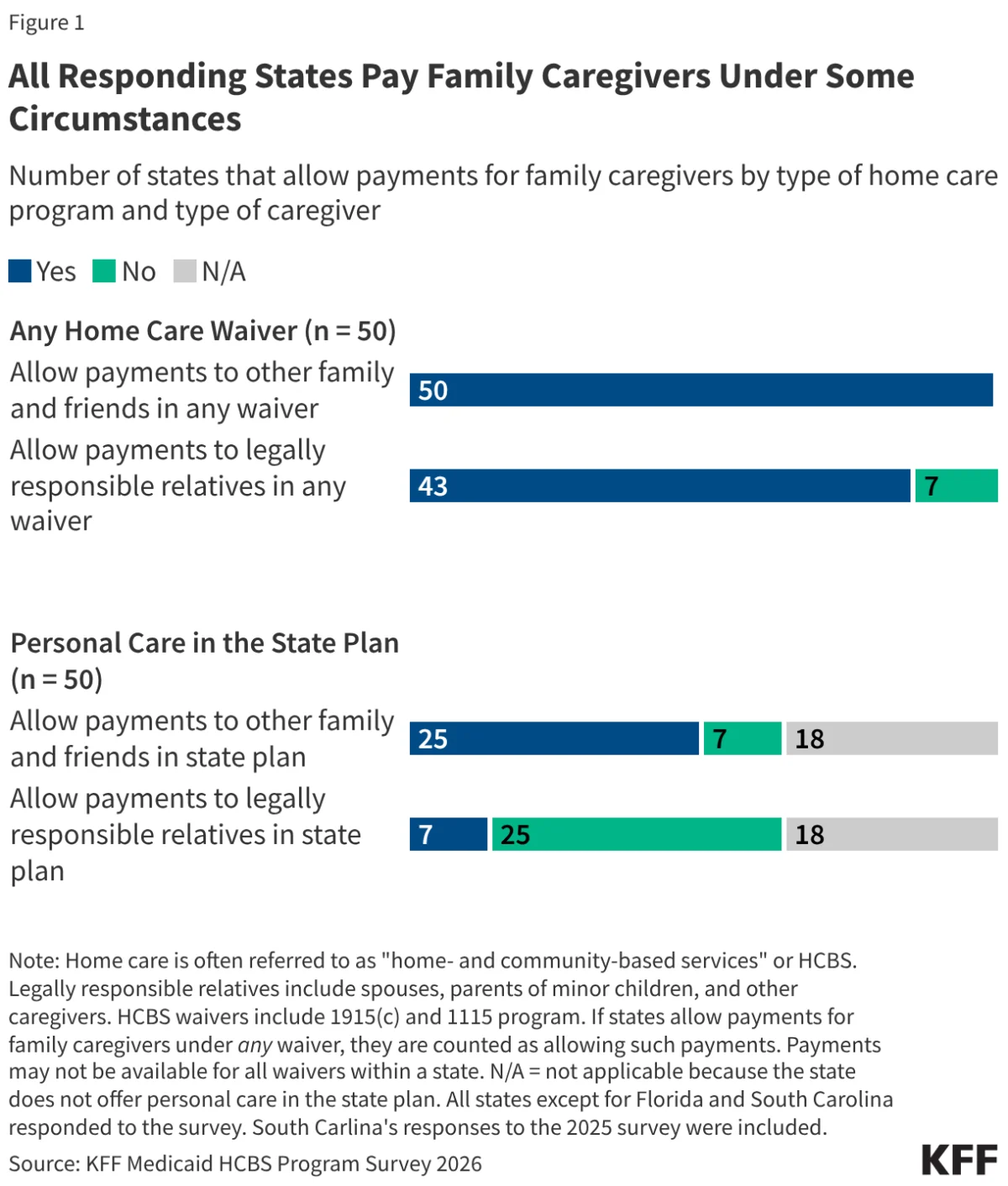
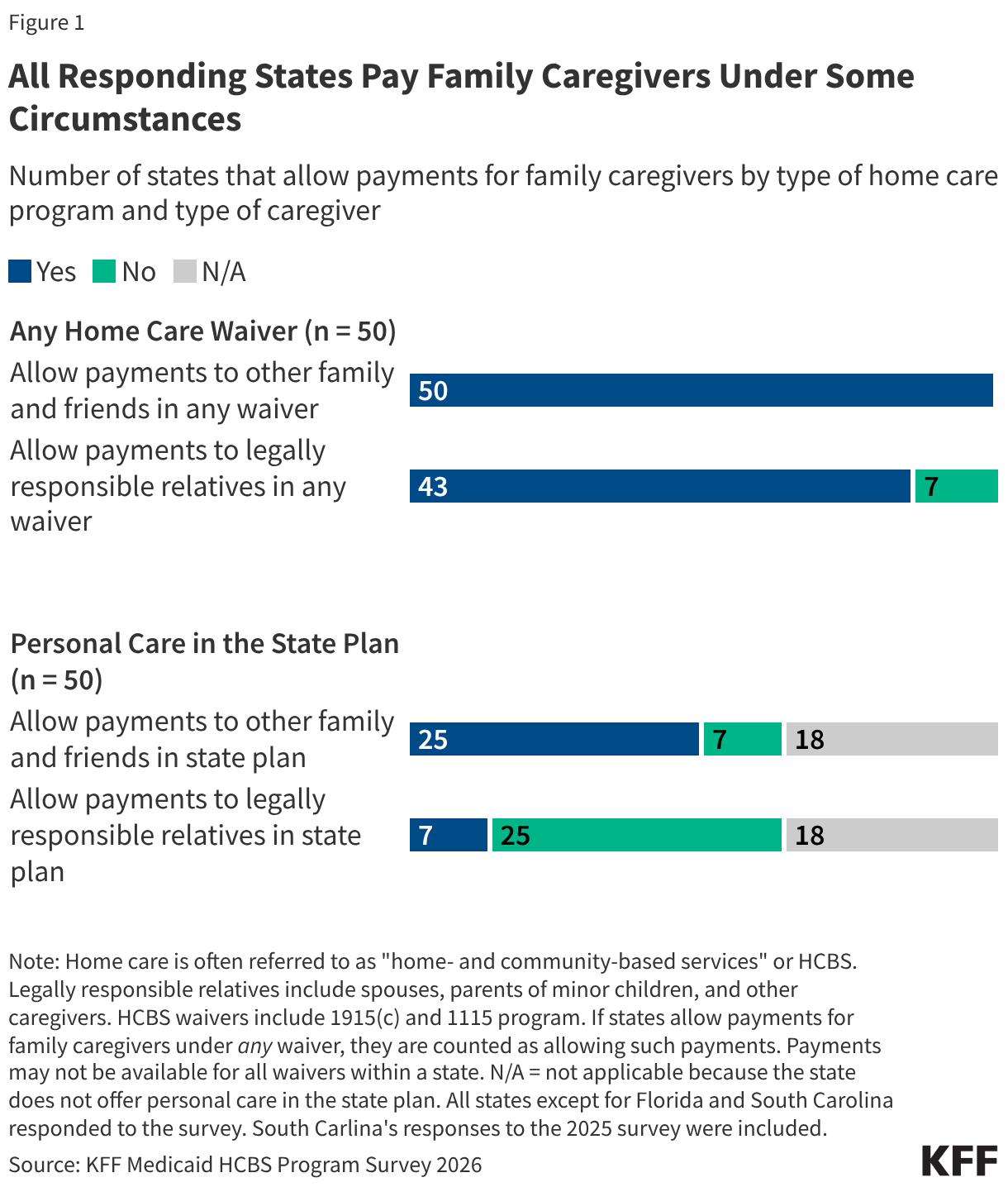
- Universal Recognition: All responding states (49 states and the District of Columbia) pay family caregivers under at least some circumstances.
- Self-Direction Dominance: Nearly every state allows self-direction, with Alaska being the sole exception among respondents.
- Expansion Trends: Despite fiscal warnings, four states—Indiana, New York, New Mexico, and D.C.—expanded self-direction options in 2026.
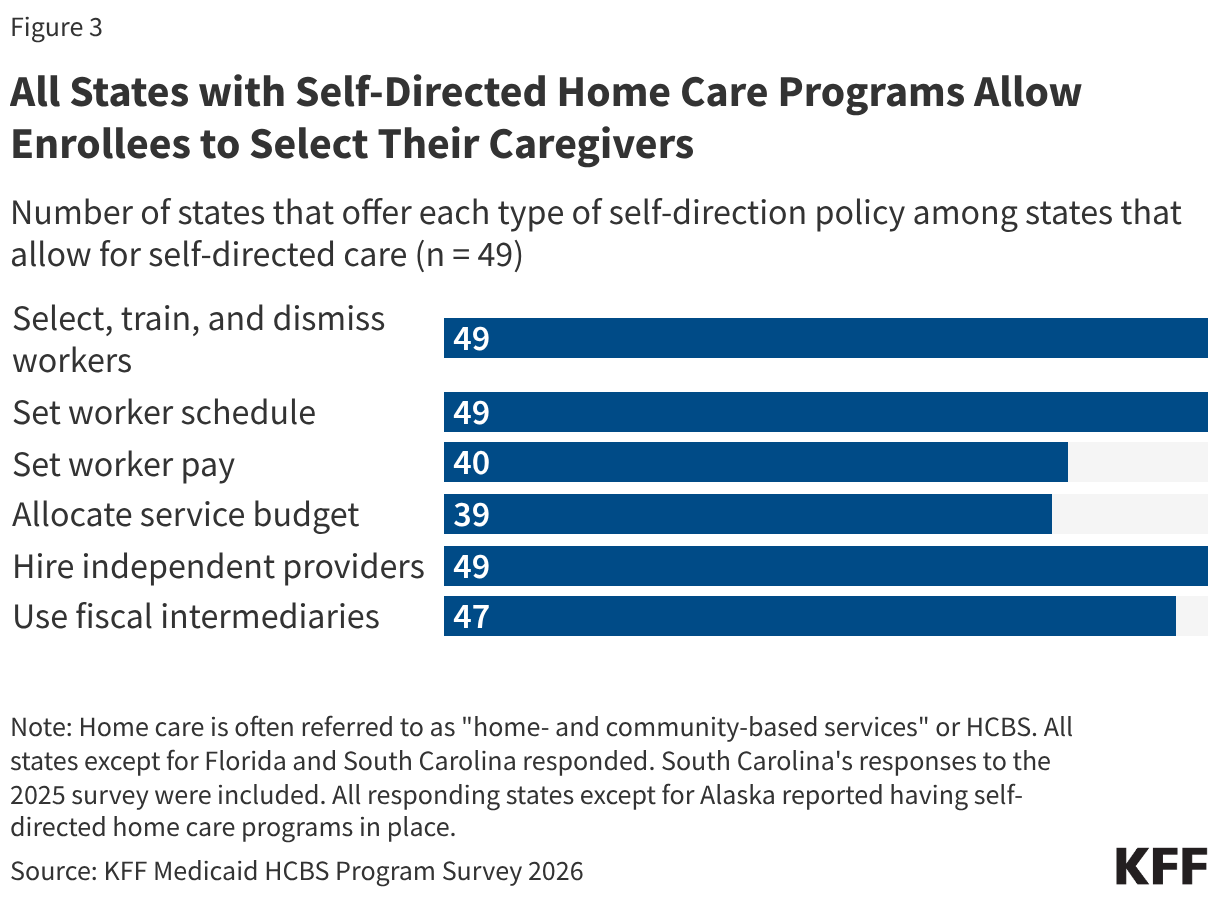
- Authority Models: All states with self-direction provide "employer authority" (hiring/firing workers), while 40 states provide "budget authority" (setting payment rates).
n
n
n
n
n
Chronology: From Consumer-Directed Roots to 2027 Pressures
n
The current Medicaid HCBS framework did not appear overnight. It is the result of decades of advocacy and evolving federal policy.
n
The Origins of Self-Direction
n
The "consumer-directed" movement began as a series of demonstration programs in 19 states, fueled by grants from the Robert Wood Johnson Foundation. These programs sought to empower individuals with disabilities, moving away from a medicalized, agency-led model toward one centered on personal choice.
n
2025–2026: The Year of Expansion and Survey
n
Between April and August 2026, KFF conducted its 24th annual survey of Medicaid officials. This period saw significant activity, including Nebraska’s move to allow payments to "legally responsible relatives" (such as spouses and parents of minor children) across multiple waivers. This was a notable shift, as these relatives have historically faced the strictest legal hurdles for reimbursement.
n
2027 and Beyond: The Approaching Headwinds
n
As the calendar turns toward 2027, three major factors are converging to pressure state Medicaid budgets:
n
- n
- Slower Revenue Growth: State tax revenues are beginning to cool following a post-pandemic surge.
- The 2025 Reconciliation Law: Substantial changes to Medicaid financing are expected to alter how states manage their long-term care portfolios.
- Program Integrity Audits: The federal government has renewed its focus on "program integrity," specifically targeting potential fraud in home care. While intended to stop bad actors, these audits have already led to paused reimbursements in two states, creating a "chilling effect" on family caregiver programs.
n
n
n
n
Supporting Data: A Deep Dive into State Programs
n
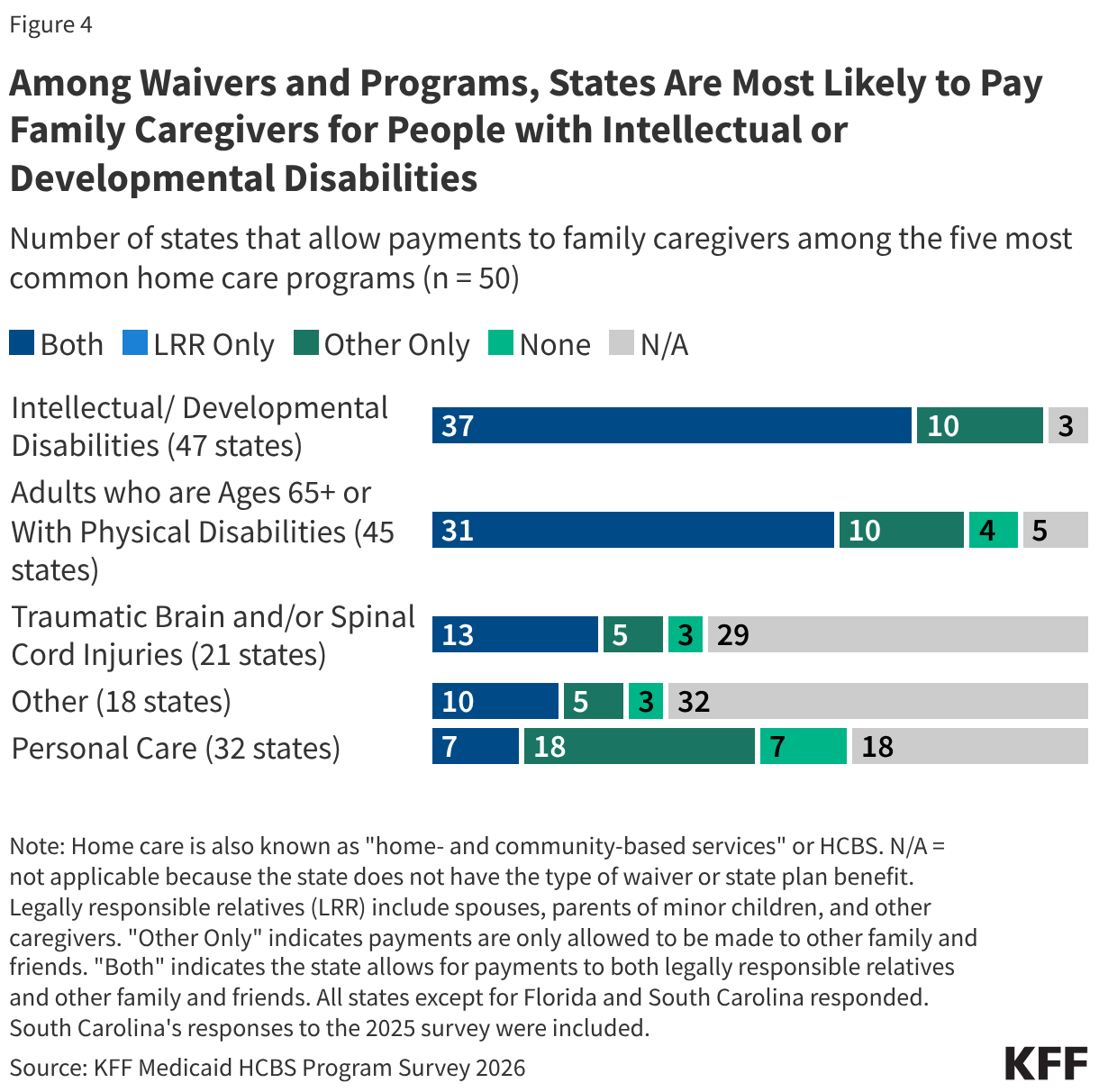
The 2026 survey data highlights the specific mechanisms states use to deliver care. The most flexible programs are consistently found within waivers for people with Intellectual or Developmental Disabilities (I/DD).
n
Where Payments Are Most Common
n
In the 47 responding states with I/DD waivers, 100% allow payments to family caregivers. In contrast, waivers for adults aged 65 and older or those with physical disabilities are slightly more restrictive, with 41 out of 45 responding states allowing such payments.
The Concept of "Employer" and "Budget" Authority
To understand the data, one must distinguish between the two types of authority granted to enrollees:
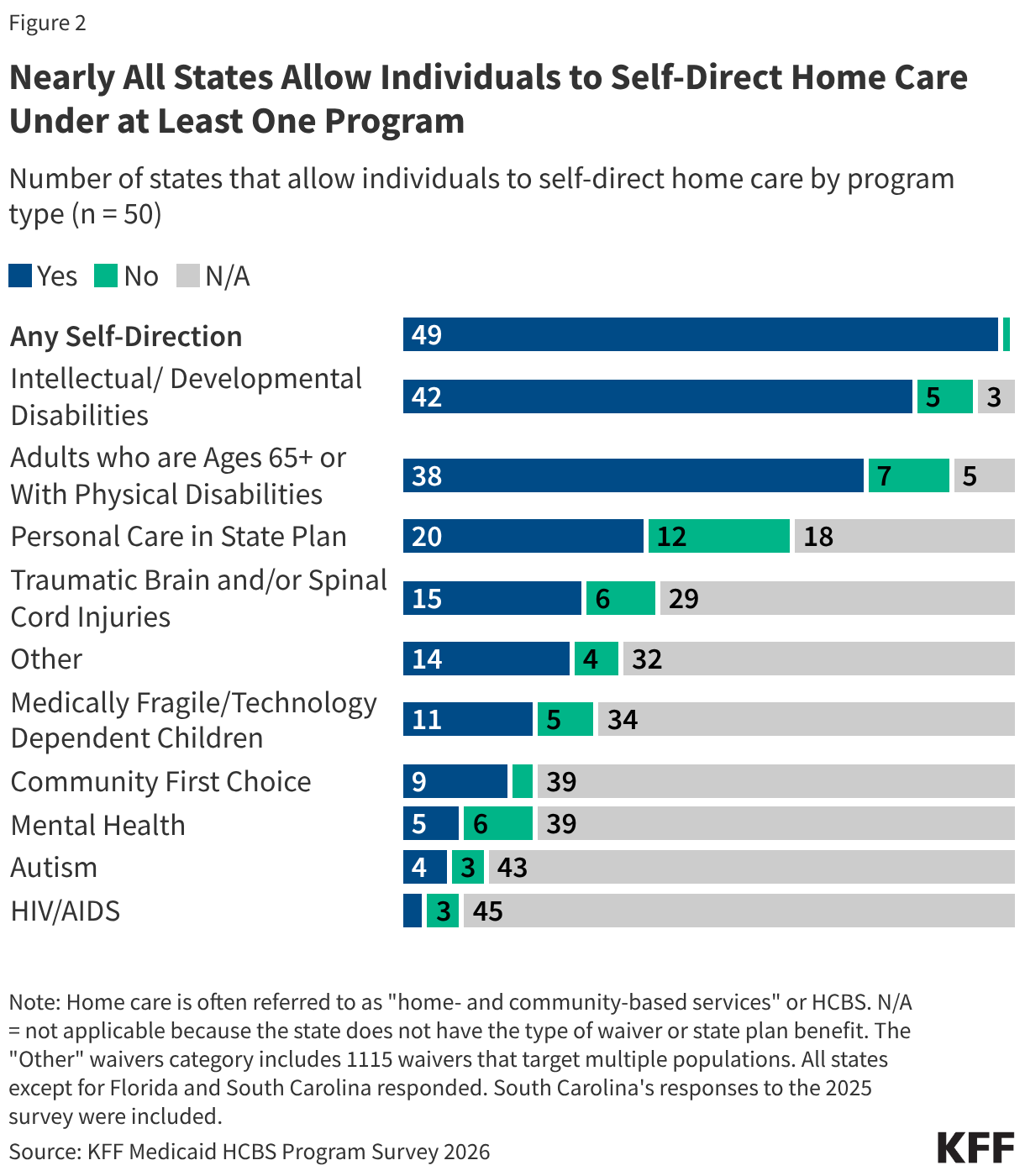
- Employer Authority: Found in all self-direction states, this allows the enrollee to select, train, and dismiss their own workers.
- Budget Authority: Found in 40 states, this allows the enrollee to decide how their allocated Medicaid funds are distributed across different services, including setting the hourly wage for their caregivers.
Respite Care: The Universal Support
While direct payment is a primary focus, "respite care"—services that allow a primary caregiver to take a break—is the most widely available non-monetary support.
- Daily Respite: Offered by 44 states.
- Institutional Respite: Offered by 43 states (care provided in a facility setting).
- Weekly Respite: Offered by 29 states.
Official Responses: State and Federal Perspectives
State officials are increasingly vocal about the "workforce crisis" in home care. Many report that paying family caregivers is not just a matter of preference, but a matter of necessity. With a national shortage of professional home health aides, family members are often the only people available to provide care.
The Nebraska Case Study
Nebraska officials took a proactive stance in 2026 by expanding payments to legally responsible relatives. This move recognizes that for many families, a parent or spouse must quit their job to provide "extraordinary care"—care that exceeds what is typically expected in a domestic relationship. By allowing these relatives to be paid through Medicaid, the state aims to prevent institutionalization, which is far more costly to the taxpayer than home care.
Federal Oversight and Program Integrity
Federal officials, meanwhile, are walking a tightrope. While the Biden-Harris administration previously championed the expansion of HCBS, the focus on "program integrity" reflects a concern about the lack of oversight in private homes. Because family caregivers are often not registered as traditional Medicaid providers, federal auditors are scrutinizing these payments more closely. Tracking data shows that several proposed state-level cuts in late 2026 were specifically aimed at programs supporting family caregivers, often cited as a response to this federal pressure.
Implications: The Data Gap and the 2027 "Work Requirement" Collision
The most striking takeaway from the KFF report is not what we know, but what we don’t know. Despite the billions of dollars flowing to family caregivers, states collect remarkably little data on them.
The "Data Black Hole"
Over half of the surveyed states could not report what percentage of their waiver recipients are self-directing their care. Even fewer (only 14 states) knew exactly how many paid and unpaid caregivers were active in their systems. This lack of data creates a significant policy risk. Without knowing who these caregivers are, states cannot effectively target support groups, training, or financial relief.
The 2027 Policy Collision
A major implication of this data gap involves the Affordable Care Act (ACA) Medicaid expansion. Starting January 1, 2027, many Medicaid enrollees will be subject to new "community engagement" or work requirements. While caring for a disabled family member can qualify as an exemption or count toward required hours, the lack of state records means the burden of proof will fall entirely on the caregiver.
"The lack of data on caregivers’ Medicaid eligibility will likely increase the paperwork burden on family caregivers," the report warns. "They will be required to provide documentation showing they are meeting the requirements or qualify for an exemption, adding stress to an already demanding role."
The Rise of Structured Family Caregiving
One emerging solution is "Structured Family Caregiving" (SFC), now adopted by 12 states including Arizona, Georgia, and newly in 2026, Nevada. Under this model, Medicaid pays a provider agency a daily per diem (roughly $40–$70), and the agency passes a portion of that to the family member while providing them with a coach, a nurse, and monthly home visits. This model offers a middle ground: it provides the family with income while ensuring a level of professional oversight that satisfies federal "program integrity" concerns.
Conclusion
As the U.S. heads into 2027, the Medicaid home care system remains the primary bulwark against the mass institutionalization of the elderly and disabled. However, the system is brittle. The heavy reliance on family caregivers—who are often underpaid and undertracked—suggests that any future cuts to Medicaid financing or increased administrative hurdles could have devastating consequences for millions of American households. For now, states continue to innovate with self-direction and structured care, but the looming shadow of fiscal reconciliation and federal audits suggests a period of significant volatility ahead.

