
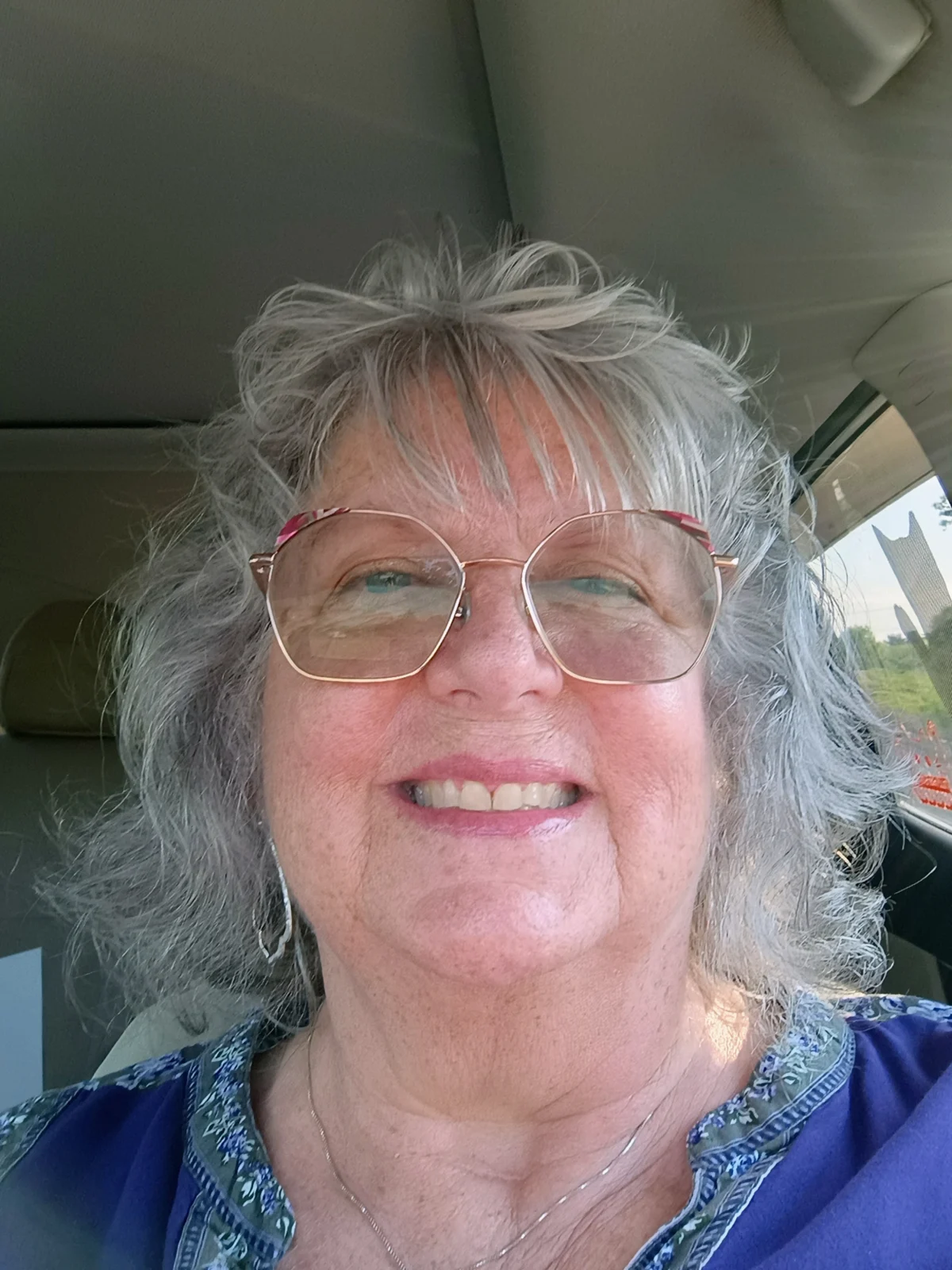
The journey toward health for millions of Americans living with obesity is rarely a straight line. For Angela Young, a dedicated member of the Obesity Action Coalition (OAC) and a Board of Education employee in West Virginia, that path has been defined by clinical breakthroughs, insurance-mandated setbacks, and the critical importance of a persistent healthcare team. Her story serves as a poignant case study in the broader national struggle over the accessibility and affordability of glucagon-like peptide-1 (GLP-1) receptor agonists—a class of medications that has revolutionized obesity medicine but remains a point of intense fiscal contention for insurers and state governments.
n
Main Facts: The Struggle for Continuity of Care
n
Angela Young’s medical narrative highlights three primary challenges currently facing patients in the United States: the physiological reality of "food noise," the volatility of state-sponsored insurance programs, and the clinical necessity of individualized treatment plans.
n
Obesity is increasingly recognized by medical authorities, including the American Medical Association (AMA), as a chronic, relapsing disease rather than a lifestyle choice. Young’s experience validates this shift. For her, the introduction of Wegovy (semaglutide) in 2023 was not merely about the 30 pounds she lost; it was about the cessation of "food noise"—the intrusive, persistent thoughts about food that often characterize the neurological component of obesity.
n
However, the medical success of these treatments is frequently decoupled from their economic accessibility. Young was a participant in a pilot program through West Virginia’s Public Employees Insurance Agency (PEIA), which provided coverage for anti-obesity medications (AOMs). When the program was abruptly discontinued due to soaring costs, Young—like thousands of others—was forced to stop a treatment that was working. The subsequent return of her "food noise" and the rapid regain of the weight she had lost underscore the chronic nature of the disease and the dangers of "treatment interruptions" dictated by policy rather than medicine.
n
Chronology: A Multi-Year Battle for Health
n
2023: The Promise of the Pilot Program
n
Angela Young began her journey with Wegovy in 2023 under the auspices of a West Virginia PEIA pilot program. This initiative was designed to provide state employees with access to high-cost, high-efficacy weight loss medications. For Young, the results were immediate and profound. Beyond the physical weight loss, she experienced a newfound mental clarity as the biological drivers of her appetite were regulated for the first time in her life.
n
Late 2023: The Coverage Cliff
n
The success of the PEIA pilot program became its undoing. As demand for GLP-1 medications surged, the state faced a budgetary crisis. Citing the unsustainable cost of the drugs—which can retail for over $1,000 per month without insurance—PEIA discontinued the program. Young was faced with an out-of-pocket cost exceeding $500 per month, an impossible sum on her salary. Forced to discontinue Wegovy, her biological symptoms returned "with a vengeance," leading to the total regain of the 30 pounds she had worked to lose.
n
Early 2024: Clinical Trials and Side Effects
n
Refusing to give up, Young transitioned to the West Virginia University (WVU) Medicine Weight Management program. In March 2024, her medical team facilitated a transition to Ozempic. While initially effective for weight loss, the medication triggered severe side effects, including depression. After three months, the clinical decision was made to cease Ozempic, leaving Young at a crossroads.
n
Mid-2024: The Transition to Medicare and Zepbound
n
Upon turning 65 and transitioning to Medicare, Young’s insurance landscape changed again. Despite the federal ban on Medicare coverage for weight loss, she was approved for Zepbound (tirzepatide) for related health indications. As of late 2024, she has lost 14 pounds in two months with minimal side effects. She currently pays approximately $100 per month out of pocket—a significant but manageable expense on a fixed income.
n
Supporting Data: The Economics of Obesity in West Virginia
n
Young’s struggle is set against the backdrop of a public health crisis in West Virginia. According to the Centers for Disease Control and Prevention (CDC), West Virginia consistently ranks among the states with the highest obesity rates in the nation, often exceeding 40%.
n
The financial data regarding the PEIA pilot program illustrates the tension between long-term health benefits and short-term fiscal constraints:
n
- n
- Cost of Care: In early 2024, PEIA officials reported that spending on GLP-1 medications had reached roughly $5 million per month, a figure that was projected to climb.
- The "Rebound" Effect: Clinical studies, including the STEP 4 clinical trial, have shown that patients who discontinue semaglutide (Wegovy) typically regain two-thirds of their lost weight within a year. Young’s experience of regaining 100% of her lost weight is a common clinical outcome when treatment is interrupted.
- The Medicare Gap: Under the Medicare Modernization Act of 2003, Medicare is expressly prohibited from covering "agents when used for anorexia, weight loss, or weight gain." This 20-year-old statute remains the primary barrier for seniors seeking modern obesity treatment.
n
n
n
n
Official Responses: Advocacy and Policy Shifts
n
The discontinuation of the PEIA pilot program and the ongoing Medicare coverage gap have sparked significant pushback from advocacy groups and healthcare providers.

n
The Obesity Action Coalition (OAC): The OAC, of which Young is a member, has been vocal in its criticism of "coverage cliffs." The organization argues that obesity should be treated with the same continuity as hypertension or diabetes. They have launched the "Medicare GLP-1 Bridge Resource Hub" to help patients like Young navigate the complex requirements of federal and private assistance programs.
n
West Virginia PEIA: In official statements, PEIA leadership defended the decision to cut the pilot program as a matter of fiduciary responsibility. They noted that the agency faced a projected $147 million deficit and that the "exponential" growth in GLP-1 prescriptions threatened the solvency of the entire insurance pool for state employees.
n
The Medical Community: Doctors at the WVU Medicine Weight Management program have emphasized that obesity treatment is not "one-size-fits-all." Young’s success with Zepbound after failing on Ozempic highlights the need for a diverse formulary. Medical professionals argue that when insurers limit options to a single "preferred" drug, they ignore the complex biochemistry of individual patients.
n
Implications: The Path Forward for Obesity Care
n
Angela Young’s experience carries profound implications for the future of healthcare policy and patient advocacy.
n
1. The Necessity of Legislative Reform
The "Treat and Reduce Obesity Act" (TROA) is currently under consideration in Congress. If passed, it would effectively repeal the 2003 ban on Medicare coverage for weight loss medications. Young’s transition to Medicare highlights the urgency of this legislation; without it, seniors are left to navigate a patchwork of "off-label" approvals or high out-of-pocket costs that jeopardize their health.
2. The Fallacy of Short-Term Cost Cutting
While West Virginia’s PEIA saved money in the short term by cutting the pilot program, the long-term costs of untreated obesity—including type 2 diabetes, cardiovascular disease, and orthopedic surgeries—often far exceed the cost of the medications. Young’s regain of 30 pounds represents a return to a higher-risk health profile, potentially costing the state more in the long run through increased medical claims.
3. The Role of the Healthcare Team
A central theme of Young’s story is the refusal of her healthcare providers to view a change in treatment as a "failure." In many traditional medical settings, a patient who regains weight is often met with stigma. The WVU Medicine Weight Management team’s approach—viewing the process as an ongoing clinical adjustment—is a model for the future of chronic disease management.
4. Equity and Access
Young’s current out-of-pocket cost of $100 per month is a "success story" in the current climate, yet she remains acutely aware of her privilege. For many on fixed incomes, even $100 is a barrier. Her story highlights the "zip code and insurance code lottery" that determines who receives life-saving medication in the United States.
Conclusion
Angela Young’s journey is a testament to the resilience required of patients in the modern American healthcare system. "My experience has shown me that obesity treatment isn’t one-size-fits-all, and neither is the path to finding the right treatment," she reflects.
Her message to others is one of persistent advocacy: "If one treatment doesn’t work, or if circumstances change, it’s worth continuing the conversation with a healthcare provider. There may be another path forward." As the medical community continues to refine its understanding of obesity and as policymakers grapple with the costs of GLP-1s, the voices of patients like Young will remain the most critical factor in driving systemic change. For now, the "quieting of the noise" remains her primary goal—a mental and physical peace that she believes every patient deserves, regardless of their insurance status.

