
For the millions of individuals globally living with insulin-dependent diabetes, the act of self-injection is more than a daily chore; it is a critical, life-sustaining ritual. However, the efficacy of this life-saving hormone is inextricably linked to the precision of its delivery. Clinical data and patient testimonials frequently highlight a frustrating array of complications: the stinging sensation of a "bad" injection, the sight of insulin leaking back out of the skin, localized bruising, and, most critically, unexplained blood sugar spikes despite following a prescribed dose.
n
Recent clinical guidelines and technological advancements emphasize that how insulin is administered is just as important as how much is given. By refining injection techniques, patients can not only improve their daily comfort but also achieve more predictable glycemic control, ultimately lowering their HbA1c and reducing the risk of long-term complications.
n
Main Facts: The Pillars of Effective Insulin Administration
n
The fundamental goal of an insulin injection is to deliver the hormone into the subcutaneous fat layer—the area between the skin and the muscle. When insulin is accidentally injected into muscle tissue, it is absorbed too quickly, leading to an increased risk of hypoglycemia (low blood sugar). Conversely, if it is injected into damaged skin or scar tissue, absorption becomes erratic and slow.
n
To ensure consistent delivery, healthcare providers now emphasize several core principles:
n
- n
- Needle Geometry: The transition toward shorter needles (4mm for pens and 6mm for syringes) has revolutionized comfort and safety, making the "pinch-up" technique largely unnecessary for most adults.
- Thermal Regulation: The temperature of the insulin at the moment of injection significantly impacts the sensory experience, with room-temperature insulin being the gold standard for comfort.
- Mechanical Precision: A "10-second rule" is now widely recommended to ensure the full dose is absorbed before the needle is withdrawn.
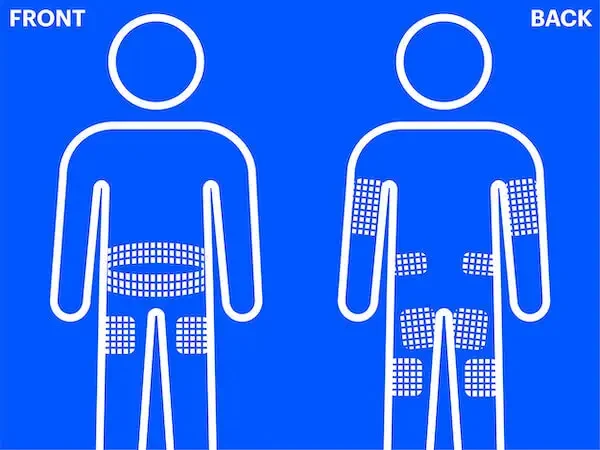
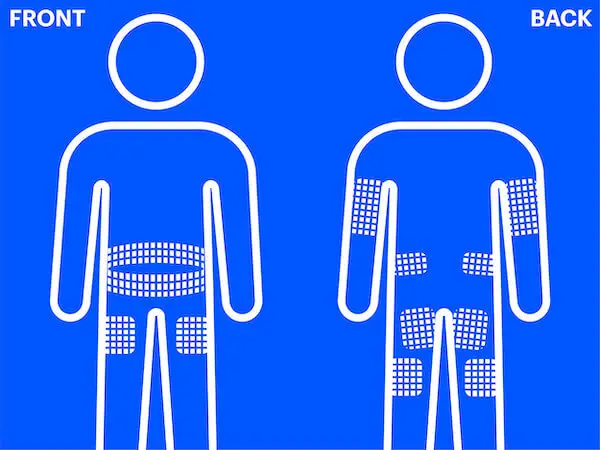
- Site Stewardship: Systematic rotation of injection sites is the primary defense against lipohypertrophy—a condition where lumpy, fatty deposits form under the skin, sabotaging insulin absorption.
n
n
n
n
n
Chronology: The Evolution of Insulin Delivery
n
The journey of insulin delivery has transitioned from primitive, painful methods to highly refined, "intelligent" systems.
n
1920s – 1950s: The Era of Glass and SteelnIn the early days of insulin therapy, patients used large-bore, reusable glass syringes and thick steel needles that required sharpening at home. Injections were deep and often traumatic to the tissue, leading to significant scarring and a high barrier to adherence.
n
1960s – 1980s: Disposable InnovationnThe introduction of disposable plastic syringes and finer needles in the 1960s marked a turning point in hygiene and comfort. In the 1980s, the first insulin pens were developed, providing a more discreet and portable option for patients on the go.
n
1990s – 2010s: The Micro-Needle RevolutionnResearch began to show that the subcutaneous fat layer was much thinner than previously thought. This led to the development of "nano" needles. Needle lengths dropped from 12.7mm to 8mm, then to 5mm, and finally to the current 4mm standard. This era also saw the rise of the first insulin pumps, which provided continuous subcutaneous insulin infusion (CSII).

n
2020s and Beyond: Automated Delivery and InhalationnToday, the landscape includes not just injections, but "Artificial Pancreas" systems—Automated Insulin Delivery (AID) systems that use algorithms to communicate between a Continuous Glucose Monitor (CGM) and a pump. Furthermore, ultra-rapid acting insulins and inhaled options (like Afrezza) are providing patients with more choices than ever before.
n
Supporting Data: Pharmacokinetics and Site Selection
n
The human body does not absorb insulin at a uniform rate across all surfaces. Understanding the pharmacokinetics—the way the body moves a drug through its system—is essential for timing meals and activity.
n
Absorption Hierarchy
n
- n
- Abdomen: The fastest absorption rate. This is the preferred site for rapid-acting insulin taken before meals.
- Upper Arms: Moderate absorption speed.
- Thighs and Buttocks: The slowest absorption rates. These sites are often preferred for long-acting (basal) insulin, where a slow, steady release is desired.
n
n
n
n
The Impact of Temperature and Storage
Clinical data suggests that while insulin must be stored in the refrigerator to maintain its long-term potency, "in-use" insulin is remarkably stable at room temperature. Cold insulin is more viscous and can cause a "stinging" sensation as it enters the interstitial fluid.
| Insulin Type | Examples | Stability at Room Temp (up to 86°F/30°C) |
|---|---|---|
| Ultra-rapid acting | Fiasp, Lyumjev | 28 Days |
| Rapid-acting | Lispro, Aspart, Glulisine | 28 Days |
| Long-acting (U-100) | Glargine (Lantus, Basaglar) | 28 Days |
| Long-acting (High conc.) | Glargine U-300 (Toujeo), Degludec (Tresiba) | 56 Days |
The Danger of Lipohypertrophy
Lipohypertrophy (LH) is perhaps the most common complication of insulin therapy. Studies indicate that up to 64% of people with diabetes who inject insulin develop these fatty lumps. Research shows that patients with LH often require significantly higher doses of insulin (up to 15-20% more) because the scarred tissue prevents the hormone from reaching the bloodstream effectively. This not only increases the cost of treatment but also leads to "unexplained" glycemic variability.
Official Responses and Expert Guidance
Medical organizations, including the American Diabetes Association (ADA) and the Forum for Injection Technique (FIT), have issued standardized "Best Practice" guidelines to mitigate the risks associated with poor injection habits.
On Needle Length:
Experts now reach a consensus that 4mm pen needles are effective for patients regardless of their Body Mass Index (BMI). Because the skin (dermis) is rarely thicker than 2.5mm, a 4mm needle is guaranteed to pass through the skin into the fat without hitting the muscle.
On Rotation Techniques:
"The One-Finger Rule" is the gold-standard recommendation. Patients are advised to imagine a grid on their injection site and move each subsequent injection at least 1cm (about one finger’s width) away from the previous spot. Furthermore, the abdomen should be divided into quadrants, with a different quadrant used each week.
On Physical Activity:
Healthcare providers warn against injecting into a "working muscle." If a patient plans to go for a run, injecting into the thigh can cause the muscle to heat up and blood flow to increase, causing the insulin to absorb at an accelerated rate, potentially leading to a dangerous "crash" in blood sugar.
Implications: The Ripple Effect of Injection Quality
The implications of refining insulin injection techniques extend far beyond simple comfort. They touch upon the economic, psychological, and clinical facets of diabetes management.
Clinical Implications
Proper technique leads to a reduction in HbA1c levels. Even a 0.5% reduction in HbA1c can significantly decrease the risk of retinopathy (eye damage), nephropathy (kidney damage), and neuropathy (nerve damage). When insulin is absorbed predictably, the "rollercoaster" of highs and lows is smoothed out, leading to better long-term health.
Economic Implications
Wasted insulin—whether through leakage, "dead space" in syringes, or the need for higher doses due to scar tissue—represents a massive financial burden. In the United States, where insulin costs remain a point of political and social contention, maximizing the efficiency of every unit is a matter of economic necessity for many families.
Psychological Implications
"Diabetes Burnout" is a recognized clinical condition. The mental toll of having to perform a painful or "failed" injection multiple times a day can lead to treatment non-adherence. When injections are painless and blood sugar responses are predictable, the psychological burden of the disease is lightened, fostering a more positive relationship between the patient and their treatment plan.
Conclusion: Mastering the Routine
While the future of diabetes care may lie in fully automated, "closed-loop" systems that eliminate the need for manual injections, the reality for the majority of the global population remains the syringe or the pen.
Mastering the "Subcutaneous Success" checklist—using short needles, rotating sites religiously, waiting 10 seconds before withdrawal, and ensuring insulin is at room temperature—is the most effective way to ensure that the medicine works as intended. By treating the injection site with the same care as the dosage itself, patients can take back control of their health, one injection at a time.
This report was compiled with data and resources supported by Breakthrough T1D and Embecta, focusing on the global effort to standardize insulin delivery education.

