
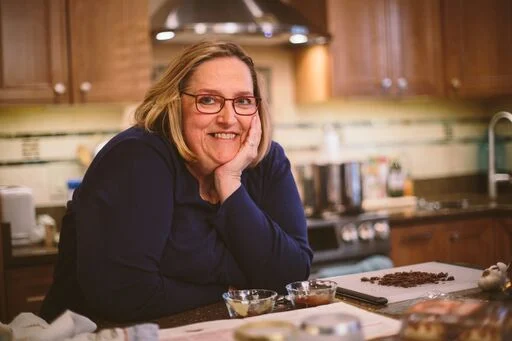
For decades, the narrative surrounding obesity in the United States was one of personal failure, a lack of willpower, and a moral shortcoming. For Patty Nece, this narrative was not just a societal observation; it was a deeply internalized identity. Like millions of others, Nece spent a significant portion of her life trapped in a cycle of shame, avoiding conversations about her weight and feeling the heavy burden of social stigma.
n
However, a decade-long journey with the Obesity Action Coalition (OAC) transformed Nece from a silent sufferer into a leading national advocate. Today, Nece is taking her commitment to the cause a step further by announcing a legacy gift to the OAC. By including the organization as a beneficiary in her estate plans, Nece is ensuring that the fight against weight stigma and the push for comprehensive medical care will continue for generations to come.
n
Main Facts: A Strategic Commitment to Long-Term Change
n
The core of this announcement lies in the power of "planned giving." While annual donations and memberships sustain the day-to-day operations of non-profit organizations, estate gifts—often referred to as legacy gifts—provide the long-term financial bedrock necessary for systemic change. Patty Nece’s decision to name the OAC in her will represents a significant vote of confidence in the organization’s mission to elevate the conversation around obesity.
n
The OAC, a non-profit organization with over 80,000 members nationwide, focuses on three primary pillars: education, advocacy, and support. Nece’s gift is specifically aimed at ensuring these pillars remain standing. Her contribution is intended to fund ongoing efforts to:
n
- n
- Dismantle weight-based discrimination in healthcare, employment, and media.
- Advocate for legislative changes, such as the Treat and Reduce Obesity Act (TROA), which aims to expand Medicare coverage for obesity treatments.
- Provide a science-based community for individuals who have historically been marginalized by the medical establishment.
n
n
n
n
For Nece, this is not merely a financial transaction but a symbolic gesture to an "old friend." Having experienced the life-changing impact of the OAC’s resources firsthand, she views her estate gift as a way to "pay it forward," ensuring that the next generation does not have to navigate the same hurdles of shame and misinformation that she did.
n
Chronology: From Silence to Advocacy
n
To understand the significance of Nece’s legacy gift, one must look at the trajectory of her involvement with the obesity community. Her story mirrors the evolution of the obesity movement itself—a transition from a focus on "dieting" to a focus on "disease management."
n
The Era of Shame (Pre-2010s)
n
Before joining the OAC, Patty Nece lived in the shadow of weight stigma. "I was too embarrassed and ashamed," she recalls. "I felt like a failure because I couldn’t manage my weight on my own." During this period, the prevailing medical and social view was that obesity was a simple matter of "calories in versus calories out." This oversimplification placed the entire burden of the disease on the individual, leading to high rates of depression and social isolation among those affected.
n
The Turning Point (Finding the OAC)
n
More than ten years ago, Nece discovered the OAC. This was a pivotal moment where she began to learn about the biological complexities of obesity. The OAC provided her with a new vocabulary, framing obesity as a chronic, relapsing disease rather than a character flaw. This shift in perspective was revolutionary. It allowed Nece to decouple her self-worth from her weight and began her journey toward self-advocacy.
n
The Rise of the Advocate (2014–Present)
n
As Nece became more involved with the OAC, her role expanded from a member to a leader. She began to explore how weight stigma had permeated every facet of her life, from medical offices where doctors dismissed her concerns to public spaces where she felt judged. Her passion for the cause led her to become a vocal advocate, eventually serving in leadership roles within the OAC and testifying before government bodies about the need for better access to care.
n
The Legacy Decision (2024)
n
Recognizing that the battle against stigma is a marathon, not a sprint, Nece recently formalized her estate plans. She realized that while she has seen significant progress in her lifetime—including the emergence of effective new medications—the work is far from finished. Her decision to include the OAC in her will ensures that the infrastructure for advocacy remains robust long after her personal involvement ends.
n
Supporting Data: The Magnitude of the Obesity Crisis
n
Nece’s individual story is set against a backdrop of a global health crisis. The data surrounding obesity and its societal impact underscores why long-term advocacy is so critical.
n
Prevalence and Health Impact
n
According to the Centers for Disease Control and Prevention (CDC), the adult obesity prevalence in the United States reached 41.9% in 2020. Obesity is linked to more than 200 other chronic diseases, including type 2 diabetes, heart disease, and certain types of cancer. Despite this, obesity remains one of the most underfunded and misunderstood areas of public health.
n
The Cost of Stigma
n
Research published in journals like Obesity Reviews indicates that weight stigma is a significant barrier to effective healthcare. Patients who experience "weight bias" from their providers are less likely to seek follow-up care and more likely to experience poor mental health outcomes. Furthermore, studies have shown that individuals with obesity face a "wage penalty," earning less than their thinner counterparts for the same work, particularly among women.
n
The Funding Gap
n
While billions of dollars are funneled into treating the consequences of obesity (like heart disease), a fraction of that is spent on treating the root cause or advocating for the rights of those living with the disease. Non-profits like the OAC rely heavily on individual donors to fill this gap. Legacy gifts are particularly valuable because they are often "unrestricted," allowing the organization to pivot and address emerging issues, such as the current debate over the pricing and accessibility of GLP-1 receptor agonists.
n
Official Responses: The OAC Perspective on Planned Giving
While the OAC maintains a professional and community-focused tone, the leadership emphasizes that gifts like Patty Nece’s are transformative for the organization’s mission.
In response to Nece’s announcement, the sentiment within the OAC community is one of profound gratitude. The organization views Nece not just as a donor, but as a "champion" whose life’s work is now permanently woven into the fabric of the coalition.
"Patty’s decision to include the OAC in her estate plans is a testament to her belief in a future where weight stigma no longer exists," a representative might state, reflecting the organization’s ethos. "Legacy gifts allow us to plan for the long term. They give us the confidence to launch multi-year advocacy campaigns and to remain a constant voice in Washington, D.C., and in local communities."
The OAC encourages its members to view planned giving as an accessible option for everyone, regardless of the size of their estate. By offering resources on how to include the organization in wills, trusts, and insurance policies, the OAC is building a "Heritage Society" of supporters who are committed to a post-stigma world.
Implications: Building a Different Future
Patty Nece’s legacy gift has implications that reach far beyond the OAC’s balance sheet. It signals a shift in how individuals with obesity view their own legacy and their power to affect change.
A Shift in the Cultural Paradigm
Nece’s gift is a direct challenge to the "shame" model of obesity. By publicly discussing her estate planning, she is asserting that her life and the lives of others with obesity are worth defending. This helps to normalize the idea that obesity is a medical condition deserving of long-term investment, rather than a temporary problem to be solved with a "quick fix."
Legislative and Medical Access
The continuation of the OAC’s work, funded by legacy gifts, is crucial for legislative success. The Treat and Reduce Obesity Act (TROA) has been introduced in multiple sessions of Congress. Sustained funding ensures that lobbyists and patient advocates can continue to pressure lawmakers to pass this essential legislation. Furthermore, as new medical treatments like GLP-1s become available, the OAC plays a vital role in advocating for insurance coverage, ensuring that these life-changing medications are not just available to the wealthy.
Impact on Future Generations
Perhaps the most significant implication of Nece’s gift is its impact on those yet to come. "I don’t want future generations to live with a misunderstood and stigmatized disease like I have throughout my life," Nece said. Her gift funds the education of future medical professionals, the development of anti-bullying programs in schools, and the creation of a more inclusive society where a person’s weight does not determine their value.
Conclusion: A Call to Continued Action
Patty Nece’s journey from "shame to legacy" serves as a roadmap for others in the obesity community. Her story highlights that while the personal struggle with weight is difficult, the collective power of advocacy can change the world.
Through her estate gift, Nece is not just remembering an "old friend"; she is planting a tree under whose shade she may never sit, but whose fruit will nourish a more compassionate and medically informed society. As the OAC continues to grow, it is the foresight of individuals like Patty Nece that will ensure the voice of the patient is never silenced again. For those interested in following in her footsteps, the OAC provides comprehensive resources to help turn a lifetime of experience into a legacy of change.

