What causes a deviated septum? This condition, where the nasal septum is off-center, can affect breathing and lead to various symptoms. Understanding the factors that contribute to a deviated septum is crucial for comprehending its impact on overall health and well-being. From prenatal development to traumatic incidents, a multitude of elements play a role. This exploration delves into the intricacies of this common nasal issue, examining its causes and potential implications.
The nasal septum, a crucial structure within the nose, is responsible for directing airflow. A deviation from its normal position can result in various degrees of obstruction, impacting breathing comfort and potentially triggering other health concerns. This article will examine the common causes of a deviated septum, including those related to genetics, injuries, and other contributing factors. We’ll also discuss the importance of early detection and treatment options.
Introduction to Deviated Septum
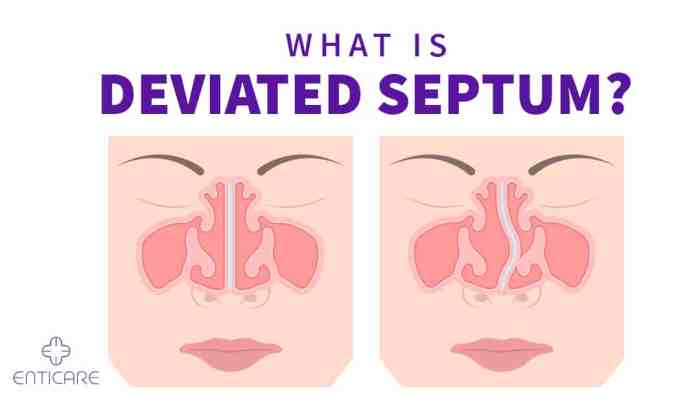
A deviated septum is a common condition affecting the nasal structure, characterized by a shift or displacement of the nasal septum, the wall of cartilage and bone that divides the nasal cavity. This displacement can impede airflow, leading to various symptoms and potentially impacting overall nasal function. Understanding the anatomy of the septum and the nasal cavity is crucial to grasping the impact of a deviated septum.The nasal septum plays a vital role in directing airflow into the lungs.
It is composed of cartilage and bone, and its proper alignment is essential for efficient nasal breathing. A deviated septum disrupts this natural pathway, potentially causing air to be forced through one nostril more than the other, creating breathing difficulties. This can affect not only nasal airflow but also sinus health and overall well-being.
Nasal Septum Anatomy
The nasal septum is a midline structure situated within the nasal cavity. It separates the right and left nasal passages. The septum’s structure is a combination of cartilage and bone, providing both flexibility and structural support. Its proper alignment is critical for efficient airflow. The cartilage portion is more flexible and prone to bending, while the bony part provides a stable foundation.
Types of Septum Deviations
Deviations can range from minor shifts to more significant displacements. A complete deviation involves a significant displacement of the septum, potentially obstructing a large portion of the nasal cavity. Partial deviations, on the other hand, involve a less pronounced shift. The severity of the deviation directly impacts the degree of airflow obstruction and associated symptoms.
Key Anatomical Structures Related to the Septum
| Structure Name | Brief Description | Location | Potential Impact of Deviation |
|---|---|---|---|
| Septal Cartilage | Flexible cartilage forming the anterior part of the septum. | Anterior portion of the nasal septum. | Deviation can lead to asymmetry and airflow obstruction. |
| Septal Bone | Bony structure forming the posterior portion of the septum. | Posterior portion of the nasal septum. | Deviation can contribute to significant blockage of airflow. |
| Nasal Conchae (Turbinates) | Curved, bony structures that increase the surface area of the nasal cavity. | Lateral walls of the nasal cavity. | Deviation of the septum can impact the airflow patterns around the conchae, potentially contributing to nasal congestion. |
| Nasal Vestibule | The entrance to the nasal cavity. | Anterior part of the nose. | Deviation of the septum may not directly affect the vestibule but can impact the overall airflow through the nasal passages. |
Causes of Deviated Septum
A deviated nasal septum is a common condition where the cartilage and bone that form the nasal septum is not centered. This can lead to various symptoms, ranging from mild discomfort to more significant breathing problems. Understanding the causes behind this condition is crucial for diagnosis and treatment.The development of the nasal septum is a complex process that involves intricate interactions between genetic predispositions and environmental influences.
A deviated septum, a common nasal condition, can stem from a variety of factors, from forceful impacts to subtle growth patterns during childhood. While managing a deviated septum primarily involves addressing the nasal issue directly, it’s important to consider your overall health, and living well with hypertension living well with hypertension can significantly impact your well-being.
Ultimately, understanding the root causes of a deviated septum is crucial for effective management and long-term health.
Factors influencing its formation can be broadly categorized into prenatal and postnatal elements, both of which play a role in determining the final shape of the septum. External forces like trauma also contribute to the development of a deviated septum in many cases.
Prenatal and Postnatal Factors in Septum Development
The nasal septum begins forming early in fetal development, and its structure is influenced by various factors. Genetic predisposition plays a significant role in the overall development of the nasal cavity, including the septum. Specific genes are responsible for controlling the growth and patterning of cartilage and bone. Certain prenatal exposures, such as infections or nutritional deficiencies during pregnancy, might indirectly impact the developing septum.
Postnatal factors, including respiratory infections and allergies, can also contribute to the development of septal deviation, though their precise impact is not always clear.
Trauma and Septum Deviation
Trauma, both blunt and penetrating, is a significant contributor to septal deviation. Injuries to the nose can result in fractures of the nasal bones and cartilage, displacing the septum. The severity of the displacement depends on the force and direction of the impact. Sports injuries, accidents, and even forceful nose-picking can lead to septal deviation.
Congenital vs. Acquired Deviations
Septal deviations can be categorized as either congenital or acquired. Congenital deviations are present at birth, often due to abnormal development during fetal growth. Acquired deviations, on the other hand, develop later in life as a result of injury or other factors.
Table: Contrasting Congenital and Acquired Causes of Deviated Septum
| Category | Cause | Examples | Potential Risk Factors |
|---|---|---|---|
| Congenital | Abnormal development during fetal growth | Genetic predisposition, intrauterine infections, nutritional deficiencies | Family history of septal deviation, exposure to certain medications during pregnancy |
| Acquired | Injury or other factors after birth | Blunt force trauma, penetrating trauma, nose picking, allergies, chronic infections | Participation in contact sports, motor vehicle accidents, repetitive nose injuries, chronic nasal congestion |
Examples of Injuries Causing Septum Deviation
Common injuries that can lead to septal deviation include:
- Sports injuries: Contact sports like boxing, wrestling, and football can expose individuals to forceful impacts that can fracture the nasal bones and cartilage, displacing the septum.
- Motor vehicle accidents: Collisions can cause significant trauma to the face, potentially resulting in septal deviation. The impact can be particularly forceful and widespread, leading to various facial injuries.
- Falls: Falls from heights or falls on the face can result in fractured nasal bones and cartilage, displacing the septum.
- Assault: Physical assaults involving blows to the nose can result in severe septal deviation.
Symptoms and Diagnosis
Understanding the symptoms of a deviated septum is crucial for accurate diagnosis and appropriate treatment. A deviated septum can manifest in various ways, impacting nasal function and overall well-being. The severity of the deviation directly correlates with the intensity of the symptoms experienced.A thorough evaluation, encompassing both physical examination and diagnostic imaging, is essential for confirming the presence and extent of a deviated septum.
This process helps determine the most suitable course of action for each individual case.
Common Symptoms of a Deviated Septum
The symptoms associated with a deviated septum can range from mild discomfort to significant respiratory issues. These symptoms often overlap with other conditions, making accurate diagnosis challenging. Careful attention to the specific presentation of symptoms and their duration is essential.
A deviated septum happens when the wall separating your nostrils isn’t straight. This can be caused by a blow to the face or, less commonly, by something that happens during development. Learning how to use crutches correctly, if you’re dealing with an injury, is really important, but that’s a whole different ballgame! If you’re looking for proper techniques, check out this guide on how to use crutches.
Ultimately, a deviated septum can also be a factor that might not have an apparent cause.
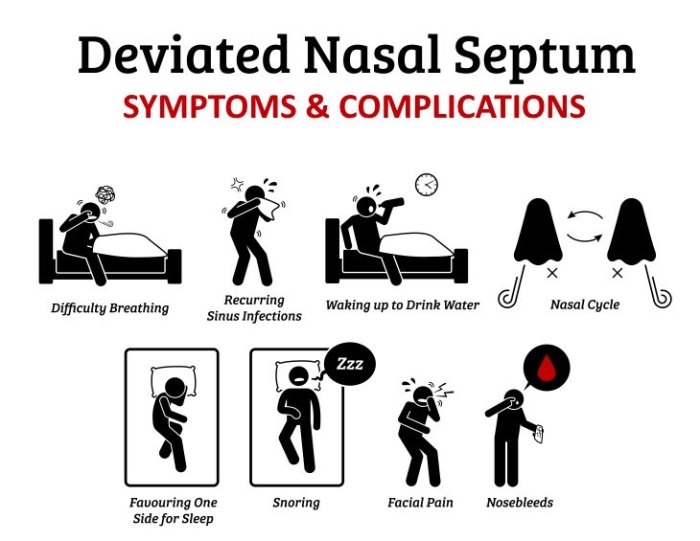
- Nasal congestion: This is a common complaint, characterized by a persistent feeling of stuffiness in one or both nostrils. This congestion can vary in severity and may be accompanied by a sensation of blockage.
- Nasal obstruction: A deviated septum can restrict airflow through the nasal passages, leading to difficulty breathing through the nose. This is particularly noticeable during exertion or sleep.
- Facial pain or pressure: Discomfort in the facial area, often localized around the nose and sinuses, can be a symptom of a deviated septum. This pain may be intermittent or persistent.
- Recurring sinus infections: The obstructed airflow caused by a deviated septum can create a breeding ground for bacteria and viruses, leading to more frequent sinus infections.
- Snoring: In some cases, a deviated septum can contribute to snoring, particularly if it affects the airflow during sleep.
- Headaches: Headaches, often described as a dull ache, can be associated with a deviated septum, especially when the deviation affects the nasal passages significantly.
Variations in Symptoms Based on Severity
The intensity of symptoms directly correlates with the degree of septum deviation. Mild deviations may cause only minor discomfort, while significant deviations can lead to more severe and persistent symptoms. For example, a person with a mild deviation might experience occasional nasal congestion, whereas someone with a severe deviation could suffer from chronic nasal obstruction and recurring sinus infections.
Diagnostic Methods for a Deviated Septum
Accurate diagnosis relies on a combination of physical examination and imaging techniques. A thorough evaluation allows healthcare professionals to determine the best treatment approach.
Physical Examination
A physical examination of the nasal cavity is the initial step in diagnosing a deviated septum. This involves careful inspection of the nasal passages using a nasal speculum. The examiner will look for any visible deviations or asymmetries in the nasal septum. The process also includes checking for any signs of inflammation or other related conditions.
Imaging Techniques
Nasal endoscopy is a valuable imaging technique for visualizing the nasal passages in detail. Using a thin, flexible tube with a camera at the end, the physician can directly observe the nasal cavity, identify the exact location and extent of the deviation, and assess any associated conditions. This non-invasive procedure provides crucial information for accurate diagnosis.
Diagnostic Table
| Symptom | Potential Severity | Associated Diagnostic Methods | Further Details |
|---|---|---|---|
| Nasal Congestion | Mild to Severe | Physical Examination, Nasal Endoscopy | May be intermittent or persistent, often accompanied by nasal obstruction. |
| Nasal Obstruction | Mild to Severe | Physical Examination, Nasal Endoscopy, CT Scan | Difficulty breathing through the nose, especially during exertion. |
| Facial Pain/Pressure | Mild to Moderate | Physical Examination, Nasal Endoscopy | Localized discomfort around the nose and sinuses. |
| Recurring Sinus Infections | Moderate to Severe | Physical Examination, Nasal Endoscopy, CT Scan | Frequent infections due to obstructed airflow. |
Performing a Nasal Examination, What causes a deviated septum
During a nasal examination, the physician uses a nasal speculum to gently open the nasal passage for visualization. The physician will carefully examine the nasal septum for any deviations from its normal position. If a deviation is suspected, further diagnostic methods like nasal endoscopy or imaging studies might be necessary to confirm the diagnosis and determine the extent of the deviation.
Treatment Options for Deviated Septum
A deviated septum can range from a minor annoyance to a significant cause of breathing difficulties. Fortunately, various treatment options exist, from simple lifestyle adjustments to surgical interventions. Understanding the advantages and disadvantages of each approach is crucial for making an informed decision with your healthcare provider.Treatment for a deviated septum is tailored to the severity of the condition and the patient’s individual needs.
Mild cases may respond well to non-surgical interventions, while more significant deviations often require surgical correction. The goal of any treatment is to improve nasal airflow, reduce nasal congestion, and alleviate associated symptoms.
Non-Surgical Interventions
Non-surgical interventions are often the first line of treatment for a deviated septum, particularly for mild cases. These approaches focus on alleviating symptoms and improving nasal airflow without the need for surgery.
- Nasal Saline Irrigation: Regular rinsing of the nasal passages with a saline solution can help to clear mucus and debris, thus improving airflow and reducing congestion. This simple technique can provide temporary relief for many patients.
- Nasal Steroids: These medications can help reduce inflammation in the nasal passages, thereby improving airflow and alleviating congestion. They are often prescribed for long-term management of symptoms.
- Humidifiers: Maintaining adequate humidity in the air can help to prevent dryness and crusting in the nasal passages, potentially improving airflow and comfort.
- Avoiding Irritants: Identifying and avoiding irritants like smoke, dust, and strong odors can minimize nasal inflammation and discomfort.
Surgical Interventions
Surgical interventions are reserved for cases where non-surgical treatments are ineffective or for individuals experiencing significant breathing problems. Septoplasty is the most common surgical procedure for correcting a deviated septum.
- Septoplasty: This surgical procedure involves straightening the deviated nasal septum using techniques such as trimming or repositioning the cartilage and bone. The goal is to restore proper nasal airflow and alleviate associated symptoms.
Surgical Techniques for Septoplasty
Various surgical techniques can be used during septoplasty, each with its own advantages and disadvantages.
| Surgical Technique | Recovery Time | Potential Complications | Success Rate |
|---|---|---|---|
| Open Septoplasty | 4-6 weeks | Bleeding, infection, septal perforation, persistent pain, or deviated septum recurrence. | High (80-95%) |
| Closed Septoplasty | 2-4 weeks | Bleeding, infection, septal perforation, or deviated septum recurrence, but potentially less scarring. | High (75-90%) |
| Endoscopic Septoplasty | 1-2 weeks | Bleeding, infection, septal perforation, or deviated septum recurrence, but potentially less scarring. | High (85-95%) |
Septal Repair Surgery: Pre-op and Post-op Care
Septal repair surgery, often septoplasty, is a delicate procedure. Pre-operative preparation and post-operative care are crucial for a successful outcome.
- Pre-operative Care: Patients are advised to stop taking certain medications (e.g., aspirin, ibuprofen) several days before the surgery. A thorough medical evaluation is conducted to assess the patient’s overall health and identify any potential risks. Discussions about expectations and potential complications are essential.
- Post-operative Care: Post-operative care includes strict adherence to prescribed medications, regular follow-up appointments with the surgeon, and careful management of pain and swelling. Patients should avoid strenuous activities for several weeks following the surgery.
Complications and Outcomes
A deviated septum, while not always a serious condition, can lead to various complications if left untreated or improperly managed. Understanding these potential issues is crucial for making informed decisions about your health. Ignoring a deviated septum can have a negative impact on your overall well-being, affecting your quality of life and potentially leading to more significant health problems.The long-term consequences of a deviated septum extend beyond simple nasal discomfort.
Chronic issues can develop, impacting breathing patterns and sinus health. Early intervention and appropriate treatment can significantly reduce the risk of these complications.
A deviated septum, a condition where the wall separating your nostrils isn’t straight, can be caused by a variety of factors, like injuries or even some genetic predispositions. Sometimes, similar to how a finger might lock up straight (like in the case of fingers locking up straight no pain ), these issues can have underlying causes that aren’t immediately apparent.
Ultimately, understanding the root of a deviated septum involves a deeper look into possible contributing factors.
Potential Complications
A deviated septum can create a breeding ground for nasal congestion and infections. This often leads to repeated sinus infections, impacting the quality of life and requiring ongoing medical attention. The structural abnormality can also affect the delicate balance of airflow in the nasal passages, leading to persistent dryness or irritation, and possibly making you more susceptible to nasal allergies.
Chronic Sinus Infections
A deviated septum can obstruct the natural drainage pathways of the sinuses. This blockage prevents proper sinus aeration and can trap mucus, creating an ideal environment for bacterial or viral growth. The result is recurrent sinus infections (sinusitis), characterized by facial pain, pressure, and nasal discharge. Chronic sinusitis can lead to more severe complications, such as post-nasal drip, headaches, and even vision problems in severe cases.
Some individuals experience chronic sinusitis that can lead to significant discomfort and reduced quality of life.
Impact on Quality of Life
A deviated septum can significantly impact an individual’s quality of life. Persistent nasal congestion, difficulty breathing through the nose, and recurring sinus infections can cause discomfort, fatigue, and sleep disturbances. These issues can affect concentration, work performance, and overall well-being. For example, a child with a deviated septum might experience difficulty concentrating in school due to persistent nasal congestion, impacting their academic performance.
Long-Term Effects on Nasal Breathing
Over time, a deviated septum can lead to a narrowing of the nasal passages, making nasal breathing progressively more challenging. This can affect sleep quality, leading to sleep apnea, and exacerbate existing breathing problems. As a result, patients may experience chronic fatigue and reduced energy levels. This can be especially pronounced in individuals with underlying respiratory conditions.
Table of Potential Complications
| Potential Complications | Likelihood | Preventive Measures | Further Notes |
|---|---|---|---|
| Chronic Sinusitis | Moderate to High (depending on the degree of deviation) | Prompt diagnosis and treatment of deviated septum, maintaining good nasal hygiene, avoiding irritants, and addressing underlying allergies | Sinusitis can lead to more serious complications if left untreated. |
| Sleep Disturbances | Moderate | Treatment of the deviated septum, maintaining good sleep hygiene, and managing any underlying conditions like allergies | Sleep apnea can be a significant complication. |
| Nasal Dryness/Irritation | Moderate | Using nasal saline sprays, humidifiers, and avoiding harsh environmental conditions | Chronic dryness can increase susceptibility to infections. |
| Difficulty with Nasal Breathing | High (especially with severe deviations) | Surgical correction, maintaining good nasal hygiene, and avoiding irritants | Long-term impact on quality of life and overall health. |
Long-Term Effects on Overall Health
A deviated septum, if left untreated, can have lasting effects on an individual’s overall health. It can exacerbate pre-existing respiratory conditions, increase the risk of complications, and impact the quality of life, potentially impacting mental health due to chronic discomfort and difficulty sleeping. Chronic nasal congestion and sinus infections can lead to complications affecting other areas of the body.
Regular check-ups and early intervention are essential for mitigating these long-term consequences.
Prevention and Management
A deviated septum can significantly impact nasal function and overall well-being. Fortunately, proactive measures can reduce the risk of complications and improve symptom management. By understanding the factors contributing to septal deviations and adopting healthy habits, individuals can minimize the discomfort and potential long-term consequences associated with this condition.Managing a deviated septum often involves a multifaceted approach that focuses on both prevention and symptom relief.
This includes strategies to maintain nasal health, prevent injuries, and address discomfort through lifestyle adjustments and potential medical interventions.
Preventive Measures
Understanding the potential causes of septal deviations is crucial for prevention. While some deviations are congenital, meaning present from birth, many are due to trauma. Therefore, a significant aspect of prevention centers around injury avoidance. Taking steps to protect the nose from physical impact is paramount.
- Avoidance of Nasal Trauma: Accidents, sports injuries, and even forceful nose-blowing can contribute to septal deviation. Protecting the nose during activities with a high risk of impact, such as contact sports, is vital. Using protective gear, like mouthguards in sports, is an important measure. Proper technique during nose-blowing is also crucial. Gentle, controlled blowing, rather than forceful exhalation, minimizes the risk of septal damage.
- Maintaining Healthy Nasal Hygiene: A clean nasal passage is less susceptible to infections. Using gentle saline nasal sprays or rinses can help clear nasal passages of irritants and allergens. Avoiding harsh chemicals and irritants that can inflame the nasal lining is also important.
- Addressing Underlying Conditions: Certain medical conditions can contribute to nasal congestion and inflammation, which, over time, can impact the septum. Managing conditions like allergies or chronic sinusitis through appropriate medical intervention can indirectly contribute to septal health.
Strategies for Symptom Management
Effective symptom management is crucial for maintaining quality of life. The severity of symptoms varies greatly depending on the degree of septal deviation. However, lifestyle changes and medical interventions can significantly alleviate discomfort.
- Nasal Irrigation and Humidification: Maintaining adequate nasal moisture can reduce dryness and inflammation, which can exacerbate symptoms. Regular use of saline nasal sprays or rinses can help clear blockages and reduce dryness. Using a humidifier in the home or office can help maintain proper humidity levels, particularly during dry seasons.
- Over-the-Counter Medications: Decongestants, antihistamines, and pain relievers can help manage symptoms like congestion, runny nose, and headaches. However, it is crucial to follow dosage instructions carefully and consult a healthcare professional if symptoms persist or worsen.
- Lifestyle Adjustments: Certain lifestyle choices can impact nasal function. For example, quitting smoking can greatly improve overall respiratory health, including nasal function. A balanced diet rich in vitamins and minerals is essential for maintaining healthy nasal tissue.
Recommendations for Quality of Life
Improving quality of life hinges on proactive symptom management and a focus on nasal health. This includes addressing any underlying issues and adopting strategies that support overall well-being.
- Regular Checkups: Regular visits to a healthcare professional for routine checkups can help identify and address potential problems early. This can help prevent the worsening of symptoms and potentially identify underlying conditions.
- Avoiding Irritants: Identifying and avoiding environmental triggers that can exacerbate nasal congestion or inflammation is vital. These triggers could include dust, smoke, pollen, or strong odors.
- Stress Management: Stress can influence various physiological processes, including nasal function. Practicing stress-reducing techniques like meditation, yoga, or deep breathing exercises can help maintain a healthier nasal environment.
Preventative Tips and Lifestyle Changes
By incorporating these preventative measures into daily routines, individuals can contribute to maintaining healthy nasal function and reducing the risk of complications.
- Regular Nasal Irrigation: Daily saline irrigation can help clear out nasal passages and maintain moisture.
- Avoiding Irritants: Recognizing and avoiding triggers like strong smells or dust can significantly reduce nasal inflammation.
- Proper Sleeping Posture: Maintaining good posture during sleep can help ensure proper nasal breathing.
- Balanced Diet: Consuming a balanced diet rich in vitamins and minerals can contribute to healthy nasal tissue.
Conclusive Thoughts: What Causes A Deviated Septum
In conclusion, understanding what causes a deviated septum involves recognizing the intricate interplay of genetic predisposition, developmental factors, and potential injuries. From congenital deviations to acquired traumas, a range of factors can lead to this condition. Recognizing these causes is critical for proper diagnosis and treatment, ensuring optimal nasal function and overall well-being. This exploration into the causes of a deviated septum has highlighted the significance of comprehensive care and preventative measures.