

The scene was one of pure, unadulterated joy. The Johnsons were celebrating their daughter’s first birthday, her tiny fingers smeared with applesauce – a seemingly innocuous, healthy treat. Little did they know, that innocent pouch of WanaBana Apple Cinnamon Fruit Puree was a ticking time bomb, contaminated with dangerously high levels of lead, poised to unleash havoc on their daughter’s developing health and potentially ignite a wave of applesauce lawsuits across the nation.
n
This idyllic family moment, shattered by a hidden toxin, mirrors the tragic reality faced by countless families across the United States. A product designed for convenience and nutrition has instead become a source of widespread concern, triggering urgent recalls, extensive investigations, and a growing demand for accountability from manufacturers.
n
Key Takeaways
n
- n
- Widespread Contamination: Applesauce pouches from WanaBana, Schnucks, and Weis, particularly the cinnamon-flavored varieties, have been linked to a lead poisoning outbreak affecting over 118 children across 31 U.S. states.
- Source Identified: The Food and Drug Administration (FDA) has pinpointed contaminated cinnamon, supplied by Negocios Asociados Mayoristas S.A. and used by Austrofood SAS, as the likely source of lead.
- Severe Health Risks: Lead poisoning, especially in young children, can lead to devastating long-term health consequences, including neurological damage, developmental delays, behavioral issues, and organ damage.
- Urgent Public Health Response: The FDA has issued strong advisories, collaborated with state health departments, and initiated recalls to remove contaminated products from circulation.
- Legal Recourse: Affected families are pursuing legal action, including individual lawsuits and potential class actions, to seek compensation for medical expenses, pain and suffering, and long-term care.
- Importance of Vigilance: Consumers are urged to check recall lists, dispose of affected products, and seek immediate medical testing for any child who may have consumed the contaminated applesauce.
n
n
n
n
n
n
n
Free Applesauce Lawsuit Review
n
Have you or a loved one been exposed to applesauce containing lead poisoning? If so, you may be entitled to significant financial compensation by filing an applesauce lawsuit.
n
For a no-cost, no-obligation review of your potential case, please start your instant applesauce lawsuit case review below.
n
Instant Case Review
n
Hi there 👋 I can help you to quickly see if you qualify!
n
Is the injured individual you or a loved one?
n
0 of 5 answered
n
A Silent Scourge: The Lead Poisoning Outbreak Linked to Applesauce Pouches
n
An invisible enemy, heavy and insidious, lay hidden within the vibrant packaging of a beloved childhood snack. Applesauce pouches, a ubiquitous item in lunchboxes and pantries, became the unexpected vector for a lead poisoning outbreak that has sent shockwaves through the nation. Spanning 31 U.S. states, this crisis has impacted at least 118 children, turning a simple, healthy-seeming treat into a grave health hazard. The pouches, specifically WanaBana Apple Cinnamon Fruit Puree, were discovered to harbor lead levels alarmingly higher than the safety thresholds established by the Food and Drug Administration (FDA).
n
The Human Cost: Symptoms and Vulnerability
n
The victims of this insidious contamination are predominantly young children, whose developing bodies are acutely susceptible to the toxic effects of lead. Their symptoms, often subtle at first, can escalate to debilitating conditions. While the original article listed headaches, cramps, and hyperactivity, the spectrum of lead poisoning symptoms in children is far broader and more concerning. These can include:

n
- n
- Gastrointestinal: Abdominal pain, vomiting, constipation, loss of appetite.
- Neurological: Irritability, lethargy, developmental delays, learning difficulties, behavioral problems (such as ADHD-like symptoms or aggression), headaches, seizures, and in severe cases, encephalopathy (brain damage) and coma.
- Physical: Anemia, slowed growth, fatigue, weight loss, and in rare, severe instances, kidney damage.
n
n
n
n
The insidious nature of lead poisoning means that symptoms can be non-specific and easily mistaken for other common childhood ailments, making diagnosis challenging without targeted testing. The only reliable method for detecting lead poisoning is a blood test, which measures elevated blood lead levels (BLLs). The FDA has issued an urgent public health advisory, imploring consumers to immediately cease consumption of all recalled applesauce pouches and to consult a healthcare provider for testing if their child may have consumed these products.
n
Chronology of a Crisis: Unfolding the Contamination Event
n
The timeline of the applesauce lead contamination crisis reveals a rapid escalation from initial reports to widespread public health alerts.
Early October 2023: State health officials in North Carolina began investigating elevated blood lead levels in several children. Their investigation traced a common exposure back to WanaBana Apple Cinnamon Fruit Puree pouches.
October 26, 2023: North Carolina officials notified the FDA of their findings. The FDA immediately launched its own investigation, focusing on the specific product and its distribution.
October 28, 2023: WanaBana USA, in collaboration with the FDA, initiated a voluntary recall of all WanaBana Apple Cinnamon Fruit Puree pouches. This recall was issued due to confirmed elevated lead levels found in product samples.
November 2023: As the FDA’s investigation deepened, the focus shifted to the ingredients. Preliminary testing by the FDA and state partners indicated that the cinnamon used in the recalled products was the likely source of the lead contamination. This led to further testing of other cinnamon-containing applesauce products.
November 8, 2023: Schnucks, a regional grocery chain, announced a voluntary recall of its brand of applesauce pouches with cinnamon, after testing revealed elevated lead levels.
November 9, 2023: Weis Markets, another grocery chain, followed suit, recalling its own brand of cinnamon applesauce pouches.
November 21, 2023: The first significant lawsuit against WanaBana was filed in Florida by a parent whose one-year-old daughter was diagnosed with lead poisoning after consuming the contaminated applesauce. This marked the beginning of formal legal challenges against the manufacturers.

December 2023 – Present: The FDA continued to update its list of affected products and states, providing ongoing guidance to consumers and healthcare providers. The investigation expanded to include the entire supply chain, scrutinizing the foreign ingredient suppliers. As of early December 2023, the confirmed number of affected children continued to rise, reaching over 118 across 31 states. The FDA also noted that the contaminated products were distributed internationally, including to Cuba and the United Arab Emirates, underscoring the global reach of food safety vulnerabilities.
This chronology highlights the critical role of state health departments in initial detection and the FDA’s subsequent rapid response in issuing recalls and investigating the source.
The FDA’s Rigorous Investigation and Official Responses
Upon realizing the gravity of the situation, the FDA initiated a comprehensive investigation to pinpoint the source of the lead contamination. Their primary suspect quickly became the cinnamon used in the recalled pouches. This led to extensive testing, not just of the WanaBana products, but also of other fruit pouches, particularly those containing cinnamon, to ascertain the presence of lead contamination across a wider range of products.
Austrofood SAS, the company responsible for producing the cinnamon-flavored applesauce pouches, and Negocios Asociados Mayoristas S.A., the third-party distribution company that supplied the cinnamon, were immediately placed under intense scrutiny by the FDA. The agency collaborated closely with state and local health partners, leveraging their resources to track adverse reports related to the recalled products. The data collected revealed that the affected children ranged in age from less than one year to five years, highlighting the extreme vulnerability of this demographic.
The FDA’s response has been multifaceted, encompassing:
- Public Advisories: Issuing repeated warnings to consumers to avoid recalled products and seek medical advice.
- Recall Facilitation: Working with manufacturers and distributors to ensure effective and comprehensive product recalls.
- Supply Chain Investigation: Tracing the contaminated cinnamon back to its origin, examining import records, and testing raw materials.
- Monitoring and Data Collection: Continuously updating the number of confirmed cases and the geographical spread of the outbreak.
- International Collaboration: Engaging with international regulatory bodies due to the global distribution of the contaminated ingredient.
This proactive and collaborative approach underscores the FDA’s commitment to protecting public health and holding responsible parties accountable.
Supporting Data: Scope and Impact
The data surrounding this lead poisoning outbreak paints a stark picture of its scale and potential long-term ramifications.
- Geographic Spread: The fact that the outbreak has touched 31 U.S. states demonstrates the widespread distribution network of the contaminated products and the pervasive risk they posed.
- Victim Demographics: With victims ranging from infants to five-year-olds, the most vulnerable population segments are disproportionately affected. Lead is particularly harmful to young children because their brains and nervous systems are still developing, and they absorb lead more easily than adults.
- Lead Levels: While specific lead levels were not detailed in the original text, the mention of "significantly higher than the acceptable threshold" implies concentrations far exceeding safe limits, likely leading to acute toxicity rather than just chronic exposure. The FDA’s action levels for lead in food are typically very low, measured in parts per billion (ppb), so "significantly higher" would mean levels that pose an immediate and substantial health risk.
- Affected Brands and Retailers: Beyond WanaBana, the inclusion of Schnucks and Weis brands indicates that the problem extended beyond a single product line, likely due to a shared contaminated ingredient in the supply chain. These products were widely available at various retailers, including Dollar Tree stores and Eatwell Markets, making their reach extensive.
- Economic Burden: The estimated annual cost of immediate treatment for lead poisoning, including diagnostic testing, nurse visits, environmental assessments, and chelation therapy, can be as high as $271,000 per child. This staggering figure often does not account for the indirect costs, such as lost parental wages, special education needs, and the lifelong impact on earning potential, which can easily push the total economic burden per case into the millions.
Long-Term Health Consequences: A Shadow Over Childhoods
The most devastating aspect of lead poisoning, particularly in children, lies in its long-term health consequences. Unlike many toxins, lead has no safe level of exposure, and even low levels can cause irreversible damage. The effects can be pervasive, impacting nearly every system in the body:
- Neurological and Developmental: This is the most critical area of concern. Lead exposure can lead to reduced IQ, learning disabilities, attention deficit hyperactivity disorder (ADHD), behavioral problems (aggression, impulsivity), speech and language delays, and impaired hearing. These cognitive and behavioral deficits can persist throughout a child’s life, affecting their academic performance, social interactions, and future employment prospects.
- Growth and Physical Development: Lead can interfere with a child’s normal growth, leading to stunted growth and delayed puberty.
- Renal System: Chronic lead exposure can cause kidney damage, potentially leading to kidney disease later in life.
- Hematological System: Lead inhibits the production of red blood cells, leading to anemia, which can cause fatigue, weakness, and shortness of breath.
- Cardiovascular System: Research suggests a link between early childhood lead exposure and increased risk of hypertension (high blood pressure) and other cardiovascular diseases in adulthood.
- Reproductive System: In severe cases, lead can affect reproductive health, though this is more commonly observed with higher, chronic exposures.
These profound and often irreversible impacts underscore the severity of the applesauce contamination and highlight why compensation claims must consider not just immediate medical costs, but the lifelong suffering and diminished quality of life experienced by the victims.
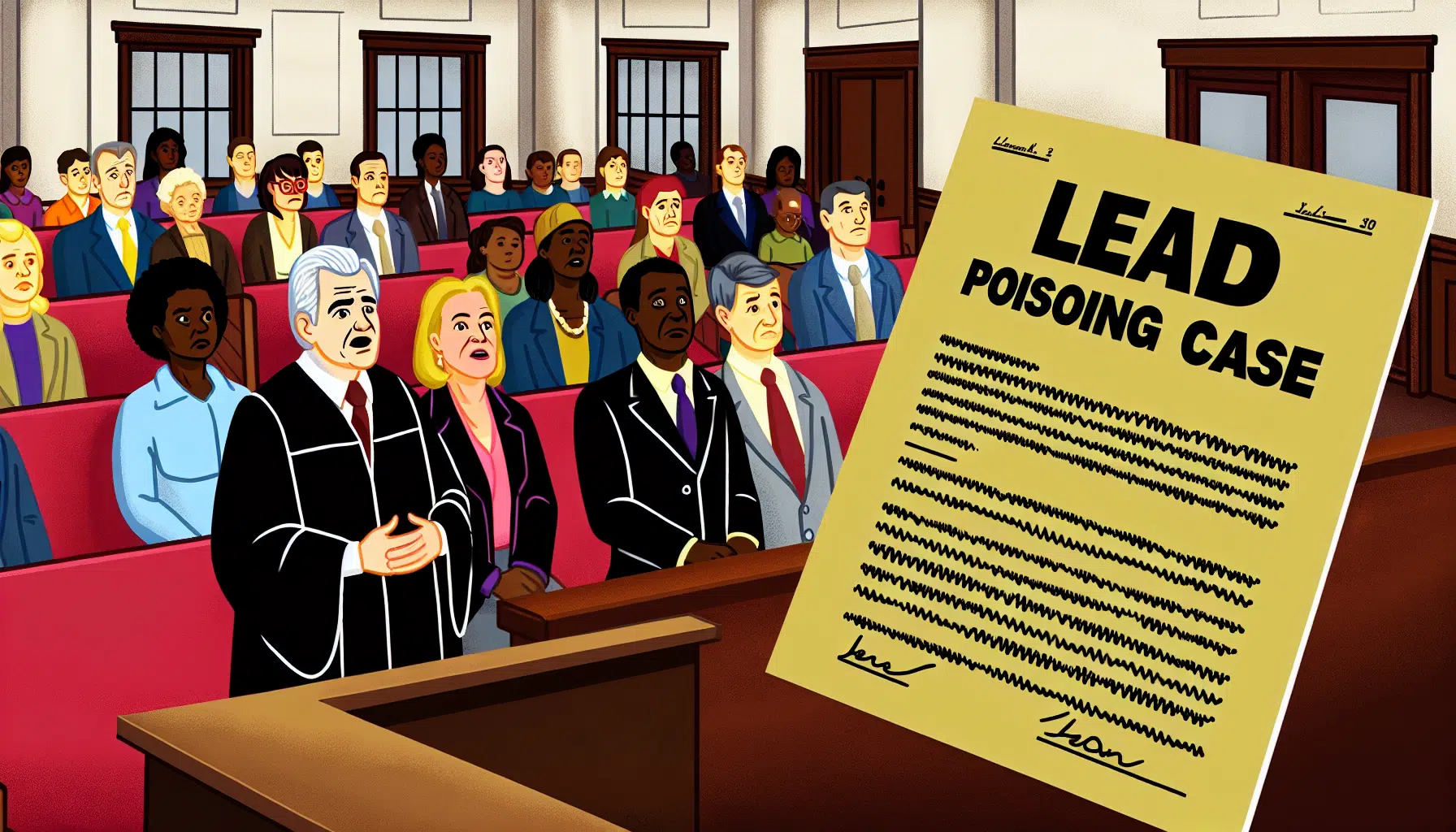
Legal Action Against Applesauce Manufacturers: Seeking Justice
In the wake of this public health crisis, legal actions were swift and decisive. Parents of affected children have initiated individual lawsuits, and the specter of class action suits looms large over the manufacturers. Companies like WanaBana, Schnucks, and Weis now face the full force of product liability law, with the documented 34 individuals initially identified as affected by the lead poisoning outbreak linked to WanaBana LLC being just the tip of the iceberg.
Recognizing the urgent need for support, legal entities like the Lead Poisoning Claim Center, established by law firms, have stepped forward to provide legal assistance to those affected. These centers serve as crucial beacons of hope, guiding victims through the complex legal landscape towards justice and potential compensation.
Recent Lawsuits Filed: Holding Corporations Accountable
The legal storm intensified with the filing of the first lawsuit against WanaBana for lead contamination. On November 21st, a concerned parent, identified as Simon, filed a lawsuit in Florida on behalf of his one-year-old daughter who suffered from lead poisoning after consuming WanaBana applesauce pouches. This landmark filing served as a stark reminder of the manufacturers’ responsibility to ensure product safety.
The lawsuit explicitly underscored the critical importance of having children tested for lead poisoning if they had consumed the recalled WanaBana applesauce pouches, effectively amplifying the public health message. The voluntary recall of WanaBana’s apple cinnamon fruit puree pouches, initiated on October 29, 2023, due to confirmed elevated lead levels, provided a strong basis for these legal challenges. These individual lawsuits are typically filed under product liability laws, alleging negligence, strict liability (meaning the manufacturer is liable regardless of fault if the product is defective and caused harm), and breach of warranty.
Class Action Possibilities: United for Collective Justice
The sheer number of affected individuals and the commonality of their claims make class action lawsuits a powerful tool in this crisis. Class actions enable a group of affected individuals, who share similar injuries from the same product, to collectively pursue legal action against the responsible party. This approach offers several compelling advantages:
- Shared Resources: It allows plaintiffs to combine their financial resources, making litigation more feasible and cost-effective, especially against large corporations.
- Collective Bargaining Power: A large group of plaintiffs often holds more leverage in negotiations, potentially leading to a larger settlement or award.
- Efficiency: It streamlines the legal process, avoiding hundreds or thousands of individual trials that would clog the court system.
- Access to Justice: It provides a pathway for individuals with smaller claims, who might not pursue individual litigation due to high costs, to seek justice.
However, class actions also come with potential drawbacks, such as limited individual control over the litigation process and potentially longer durations due to the complexity of managing a large group. Despite these challenges, class action lawsuits represent a vital avenue for collective justice, offering the potential for substantial remunerations and sending a powerful message to manufacturers about product safety.
Compensation for Victims: A Path to Recovery
Amidst the ongoing legal battles, the prospect of compensation emerges as a critical element for the victims of lead-contaminated applesauce. Those affected may be eligible for significant financial compensation, not only for the immediate losses but also for the profound, long-term impact on their lives. Categories of potential compensation include:
- Medical Expenses and Treatment: This covers all past, present, and future medical costs related to lead poisoning, including diagnostic tests, doctor visits, chelation therapy, specialized care, and ongoing monitoring.
- Pain and Suffering: Compensation for the physical discomfort, emotional distress, anxiety, and psychological trauma experienced by the child and their family.
- Lost Wages and Earning Capacity: For adults, this might cover lost income due to illness. For children, it can cover the projected loss of future earning potential due to developmental and cognitive impairments caused by lead poisoning.
- Special Education and Long-Term Care: Costs associated with special education services, tutoring, therapy, and any necessary long-term care or assistive devices required due to lead-induced disabilities.
- Loss of Enjoyment of Life: Compensation for the diminished ability to participate in activities and enjoy life as fully as they would have without the injury.
While no amount of compensation can truly undo the devastating damage caused by lead poisoning, it can provide crucial financial support, alleviate the economic burden associated with treatment and long-term care, and offer a measure of justice for the victims and their families.
Seeking Legal Help: The Indispensable Role of an Experienced Attorney
Navigating the labyrinthine legal landscape following a lead poisoning outbreak can be an overwhelming and emotionally draining ordeal for affected families. This is where the indispensable value of an experienced attorney becomes paramount. Attorneys specializing in product liability and lead poisoning cases can provide critical guidance and advocacy, effectively:

- Evaluating the Case: Assessing the strength and viability of the claim, identifying all responsible parties, and determining the potential damages.
- Gathering Evidence: Collecting medical records, blood test results, product purchase receipts, and other crucial documentation to build a robust case.
- Negotiating Settlements: Representing clients in discussions with manufacturers’ legal teams and insurance companies to secure fair compensation.
- Litigating in Court: If a fair settlement cannot be reached, representing clients vigorously in court to fight for their rights and compensation.
Having a competent attorney by your side can significantly impact the outcome, often making the difference between a successful claim for substantial compensation and a protracted, stressful, and ultimately unrewarding legal battle. Attorneys serve as fierce advocates, ensuring that victims’ rights are protected throughout the complex process.
Evaluating Your Case: A Strategic Approach
A seasoned attorney will meticulously assess the strength of your case and formulate the most effective strategy for pursuing compensation. This evaluation involves several critical factors:
- Confirmation of Lead Poisoning: Verifying the diagnosis through official medical records, specifically blood lead level tests that show elevated levels.
- Causation: Establishing a clear link between the consumption of the contaminated applesauce and the lead poisoning. This often involves reviewing dietary history and recall dates.
- Extent of Damages: Documenting all medical expenses (past and future), evidence of pain and suffering, and the long-term health consequences, including potential impacts on development and future earning capacity.
- Responsible Parties: Identifying all entities in the supply chain that may be liable, from the ingredient supplier to the manufacturer and distributor.
- Statute of Limitations: Ensuring the case is filed within the legally mandated timeframe for bringing a lawsuit.
By thoroughly examining the victim’s exposure, confirming the diagnosis, and documenting all damages, an attorney can build a solid foundation for a lead poisoning case, substantially increasing the chances of a successful outcome.
Navigating the Legal Process: Expert Guidance
The legal process, particularly in complex product liability cases, can be intricate and intimidating for those without legal expertise. An experienced attorney acts as an indispensable guide, offering clarity and unwavering support at every step. Their assistance includes:
- Explaining Legal Rights: Clearly articulating the victim’s rights and available legal options.
- Filing Documentation: Preparing and filing all necessary legal documents accurately and on time, including the complaint, motions, and discovery requests.
- Managing Discovery: Overseeing the exchange of information and evidence between parties, including depositions, interrogatories, and requests for documents.
- Negotiating and Mediating: Representing clients in settlement negotiations, mediation sessions, and other alternative dispute resolution processes.
- Court Representation: If a settlement is not reached, skillfully representing clients in court during trial.
The timeframe for resolving lead poisoning cases, from filing to receiving compensation, typically ranges from 12 to 24 months, though complex cases can take longer. With an experienced attorney diligently managing the process, victims can navigate this challenging period with confidence, secure in the knowledge that their best interests are being fiercely protected.
Prevention and Safety Measures: Protecting Our Children
In the aftermath of such a large-scale lead poisoning outbreak, prioritizing prevention and implementing robust safety measures are paramount. The crisis serves as a stark reminder of the need for constant vigilance in food safety. Identifying recalled products and remaining alert to the symptoms of lead poisoning are critical steps individuals can take to shield themselves and their families from further harm.
Knowledge is indeed power. Being well-informed about potential dangers and understanding how to mitigate them can prevent future lead poisoning cases. Armed with accurate information, consumers can make educated choices and take proactive steps to ensure the safety and well-being of their loved ones through effective disease control measures.
Identifying Recalled Products: A Crucial First Step
Recognizing and removing recalled products from homes is an essential step towards preventing additional cases of lead poisoning. The WanaBana Apple Cinnamon Fruit Puree Pouches were the initial focus of the recall, but it expanded to include similar products from Schnucks and Weis. These products, containing the contaminated wanabana apple cinnamon puree, were not only distributed across the U.S. but also found their way to international markets like Cuba and the United Arab Emirates, underscoring the global reach of this issue.
To efficiently identify recalled products, consumers should:

- Consult Official Recall Announcements: Regularly check the websites of the FDA and other relevant public health authorities for the most up-to-date recall information.
- Review Product Details: Pay close attention to lot codes, UPCs (Universal Product Codes), specific brand names, and expiration dates mentioned in recall notices. These details are crucial for accurately identifying affected products.
- Check Purchase Locations: Be aware of the retailers where the products were purchased, as recall notices often specify store chains involved.
- Dispose Safely: Follow recall instructions for proper disposal of contaminated products, which usually involves discarding them safely to prevent accidental consumption.
Monitoring for Symptoms of Lead Poisoning: Early Detection is Key
Maintaining a close watch for symptoms of lead poisoning constitutes another critical step in averting additional harm, especially in young children. While many symptoms can be subtle and non-specific, recognizing potential warning signs can prompt early medical intervention. Parents and caregivers should monitor for:
- Behavioral Changes: Increased irritability, lethargy, difficulty concentrating, or hyperactivity.
- Gastrointestinal Issues: Persistent abdominal pain, constipation, or loss of appetite.
- Developmental Delays: Any regression in milestones, such as speech, motor skills, or cognitive abilities.
- Other Physical Signs: Unexplained headaches, fatigue, or pallor (pale skin) due to anemia.
It is crucial to remember that while these symptoms can be monitored at home, a definitive diagnosis of elevated blood lead levels can only be made through a blood test conducted by a healthcare professional. If a child has consumed any of the recalled products or exhibits any of these symptoms, seeking immediate medical attention for testing and potential treatment is paramount to minimizing the potential long-term health impacts.
Summary
The lead poisoning outbreak linked to contaminated applesauce pouches represents a profound breach of consumer trust and a severe public health crisis. It has affected countless families, leading to serious, often irreversible, health consequences for vulnerable children and significant legal repercussions for the responsible parties. This tragic event forcefully underscores the absolute necessity of rigorous quality control measures throughout the food production and supply chain, from raw material sourcing to final product packaging. It also highlights the critical need for consumers to remain vigilant, informed about product recalls, and proactive in understanding potential health risks.
While legal battles and compensation claims can never fully undo the damage inflicted by lead poisoning, they offer a vital path to justice for the victims and their families. They provide crucial financial support for expensive medical treatments, long-term care, and aim to compensate for the profound pain and suffering endured. As we navigate this ongoing crisis, the importance of collective vigilance, accessible information, and swift action in safeguarding ourselves and our most vulnerable loved ones from such preventable dangers cannot be overstated. This incident serves as a stark and enduring reminder that food safety is not merely a regulatory concern, but a fundamental right and a cornerstone of public health.
Frequently Asked Questions
What applesauce was recalled?
As of December 1, 2023, Schnucks, WanaBana, and Weis Cinnamon Apple Purée and Applesauce Products have been recalled due to lead contamination. Data from the Food and Drug Administration and state and local health departments indicate that over 118 cases of possible harm from lead contamination have been reported.
Why is there lead in apple sauce?
Lead contamination in applesauce has been linked to contaminated cinnamon, as identified by the FDA. The investigation points to the cinnamon used in the recalled products—WanaBana, Schnucks, and Weis—as the source of the lead. The contaminated cinnamon was supplied by Negocios Asociados Mayoristas S.A. to Austrofood SAS, the producer of some of the affected pouches.
Is apple cinnamon baby food being recalled in 2023?
Yes, apple cinnamon baby food products, specifically WanaBana, Schnucks, and Weis Cinnamon Apple Purée and Applesauce Products, were recalled in late 2023 due to lead contamination, following reports from the Food and Drug Administration.
How can I identify recalled applesauce products?
You can identify recalled applesauce products by consulting official recall announcements from the FDA or other relevant health authorities. These announcements provide specific details such as brand names, product descriptions, lot codes, UPCs, and expiration dates of the affected items.
What legal actions are being taken against the manufacturers of the contaminated applesauce pouches?
Several legal actions have been initiated against the manufacturers of contaminated applesauce pouches, including individual lawsuits filed by parents of affected children seeking compensation for medical expenses and damages. The possibility of large-scale class action lawsuits is also being explored to provide collective justice for all victims.

