Which type of mouthwash works best? This isn’t a simple question, as the ideal mouthwash depends heavily on individual needs. From preventing cavities to tackling bad breath, the market offers a wide variety of options, each with its own set of ingredients and claims. This guide delves into the different types, their effectiveness, and how to choose the right one for you.
We’ll explore the science behind different mouthwashes, looking at active ingredients like fluoride and chlorhexidine. We’ll also examine user reviews and compare popular brands to help you navigate the choices and find a solution that aligns with your oral health goals. Finally, we’ll discuss the importance of long-term use and how to adjust your routine as needed.
Types of Mouthwashes
Mouthwash is a valuable oral hygiene tool, aiding in maintaining healthy gums and teeth. Beyond the simple act of rinsing, various mouthwashes target specific dental needs, from preventing cavities to treating gum disease. Understanding the different types and their respective benefits can empower you to choose the most effective mouthwash for your individual oral health goals.Choosing the right mouthwash is crucial for optimal oral hygiene.
Different mouthwashes contain various active ingredients, each designed to address specific oral health concerns. This detailed overview will categorize mouthwashes based on their active ingredients, outlining their typical uses and target applications, and comparing their benefits and potential side effects.
Active Ingredient Classifications
Mouthwashes are categorized by the active ingredients they contain. These ingredients are carefully formulated to target specific oral health issues. Understanding the active ingredients can help you choose the right mouthwash for your needs.
- Fluoride Mouthwashes: These are frequently used to strengthen tooth enamel and prevent cavities. Fluoride, a naturally occurring mineral, helps remineralize tooth enamel, making teeth more resistant to acid attacks from plaque and sugar. This strengthens the teeth and reduces the risk of decay. Fluoride mouthwashes are often recommended for children and adults prone to cavities. They’re also commonly found in many toothpaste formulations.
- Chlorhexidine Mouthwashes: These are potent antimicrobial agents that can effectively reduce plaque and bacteria. Chlorhexidine is particularly useful in treating gum disease and reducing the risk of infections. Due to its strong antimicrobial properties, it is often prescribed by dentists for managing severe gum inflammation and infection. However, long-term use can sometimes stain teeth, and it’s crucial to follow your dentist’s instructions.
- Essential Oil Mouthwashes: These mouthwashes typically utilize a blend of natural essential oils, such as peppermint, eucalyptus, and tea tree oil. These oils possess antibacterial and antiviral properties, helping to freshen breath and reduce plaque. They are often favored for their natural approach to oral hygiene and their pleasant taste, making them a popular choice for daily use. While generally safe, essential oils can sometimes cause mouth irritation in sensitive individuals.
- Antiseptic Mouthwashes: These mouthwashes often contain ingredients like cetylpyridinium chloride or other antiseptics. These ingredients work by killing or inhibiting the growth of microorganisms in the mouth, thereby preventing the build-up of plaque and promoting a healthier oral environment. They are commonly used for freshening breath and providing a general cleaning effect. Antiseptic mouthwashes are frequently recommended for people who have experienced recent dental procedures or have oral health conditions.
Comparative Analysis of Mouthwash Types
The following table summarizes the key characteristics of different mouthwash types.
| Type of Mouthwash | Active Ingredients | Benefits | Potential Side Effects |
|---|---|---|---|
| Fluoride | Fluoride | Strengthened enamel, cavity prevention | Possible enamel etching (in high concentrations), staining |
| Chlorhexidine | Chlorhexidine | Effective plaque reduction, gum disease treatment | Tooth staining, altered taste, oral irritation |
| Essential Oil | Peppermint, eucalyptus, tea tree oil, etc. | Fresh breath, plaque reduction, antibacterial | Mouth irritation, allergic reactions (rare) |
| Antiseptic | Cetylpyridinium chloride, etc. | General oral hygiene, plaque reduction, breath freshening | Possible mouth irritation, staining |
Effectiveness of Mouthwashes
Choosing the right mouthwash can significantly impact your oral health. Understanding how mouthwashes work and their proven effectiveness is crucial for making informed decisions about your oral hygiene routine. This section delves into the scientific mechanisms behind mouthwash efficacy, clinical trial results, proper usage, and tailored regimens.The effectiveness of mouthwashes stems from their ability to target and eliminate oral bacteria, which are responsible for plaque buildup and gum inflammation.
Different types of mouthwashes employ various mechanisms to achieve this, from actively killing bacteria to altering their environment to prevent their growth.
Scientific Mechanisms of Action
Mouthwashes employ several mechanisms to combat oral bacteria. Some directly kill bacteria through antimicrobial agents, while others alter the oral environment to make it less hospitable for bacterial growth. For example, chlorhexidine, a common ingredient, is a broad-spectrum antimicrobial that effectively inhibits bacterial growth. Other ingredients, like essential oils, may disrupt bacterial cell membranes. The specific mechanisms and effectiveness vary depending on the active ingredients and their concentrations.
“The effectiveness of a mouthwash often depends on the specific active ingredients and their concentration, impacting how effectively they target and eliminate bacteria.”
Clinical Trial Results
Numerous clinical trials have investigated the effectiveness of various mouthwashes in reducing plaque and gingivitis. Studies have consistently shown that mouthwashes containing specific active ingredients, such as chlorhexidine and cetylpyridinium chloride, can significantly reduce plaque and gingivitis when used regularly. Results often demonstrate a statistically significant difference in plaque and gingivitis levels between mouthwash users and control groups.
The magnitude of the effect can vary based on the specific mouthwash and the duration of the study.
Figuring out the best mouthwash can be tricky, right? While there’s no single “best” type, comparing drug prices between the US and Canada is a huge factor to consider. For example, if you’re looking to save money, checking out america versus canada drug prices for mouthwash could be worthwhile. Ultimately, the best mouthwash for you depends on your individual needs and budget.
Consider factors like the ingredients and the recommended usage.
Proper Mouthwash Usage
Correct use is essential to maximize the benefits of a mouthwash. Rinsing with a sufficient amount of mouthwash (usually 20-30ml) for a prescribed duration (typically 30 seconds) is crucial. Swishing the mouthwash thoroughly and ensuring it reaches all areas of the mouth, including the back of the tongue and the gum line, is also important. It’s also vital to avoid eating or drinking for at least 30 minutes after rinsing to allow the mouthwash’s active ingredients to work effectively.
Mouthwash Regimens
Tailoring a mouthwash regimen to individual needs is crucial for optimal results. For individuals with gingivitis, a mouthwash containing antimicrobial agents may be beneficial. A person with dry mouth might find a mouthwash with moisturizing properties helpful. Some mouthwash regimens may be part of a broader oral hygiene strategy, such as combining mouthwash use with brushing and flossing.
Consult a dentist to determine the most appropriate mouthwash regimen for your specific oral health needs.
Ingredients and their Effects: Which Type Of Mouthwash Works Best
Mouthwash ingredients play a crucial role in their effectiveness and safety. Understanding the active components and their potential impact on oral health is essential for informed choices. Different ingredients target various aspects of oral hygiene, from fighting bacteria to soothing inflammation. This section delves into the most common active ingredients, their effects, and potential risks.The efficacy and safety of a mouthwash are intricately linked to its components.
While many ingredients aim to improve oral health, potential side effects or interactions with existing medical conditions must be considered. Choosing the right mouthwash involves balancing the desired benefits against potential risks.
Common Active Ingredients
A variety of active ingredients are used in mouthwashes, each with a specific mechanism of action. Understanding these mechanisms helps us appreciate the targeted effects of different products.
- Chlorhexidine Gluconate: This is a potent antimicrobial agent that effectively targets a wide range of bacteria. It’s often used to treat gingivitis and prevent plaque buildup. However, long-term use can stain teeth and potentially lead to altered taste perception. Chlorhexidine can also interact with certain medications, so careful consideration is crucial, especially for those with pre-existing conditions.
- Cetylpyridinium Chloride: This ingredient is known for its antiseptic properties. It’s effective against various bacteria and can help reduce plaque formation. Generally considered safe for most individuals, cetylpyridinium chloride is less potent than chlorhexidine, making it suitable for daily use. However, some individuals may experience temporary oral discomfort or a burning sensation.
- Hydrogen Peroxide: This is an oxidizing agent that can help remove superficial stains and reduce gingivitis. Lower concentrations are often used in mouthwashes for their antibacterial effects. However, higher concentrations can cause irritation and damage tooth enamel. Its effectiveness for deep-seated oral issues might be limited.
- Essential Oils (e.g., Peppermint, Tea Tree): These natural ingredients often offer a soothing effect and can provide a fresh breath sensation. Their antimicrobial properties can contribute to reducing plaque and gingivitis. However, their effectiveness varies widely depending on the specific oil and concentration. Some individuals may be allergic to certain essential oils, and their long-term effects are not fully understood.
Efficacy and Safety Profiles
The effectiveness and safety profiles of different ingredients vary significantly. Consideration of the specific ingredient and its concentration is essential when evaluating a mouthwash.
- Chlorhexidine, while highly effective against bacteria, requires careful monitoring for long-term use due to potential staining and taste alteration. Its efficacy is well-documented in clinical trials, but its safety profile needs careful consideration in specific populations.
- Cetylpyridinium Chloride offers a milder approach, making it suitable for daily use. Its efficacy in reducing plaque and gingivitis is supported by research, but its potency might be less pronounced compared to chlorhexidine.
- Hydrogen Peroxide, while useful for surface cleaning, has limitations in addressing deeper oral health concerns. Its use should be carefully monitored to avoid potential enamel damage, especially at higher concentrations.
- Essential Oils, although natural, require more research to fully understand their long-term effects. Their efficacy depends heavily on the specific oil and concentration, potentially requiring different formulations for optimal results.
Potential Risks and Side Effects
Some ingredients carry potential risks or side effects, especially for individuals with certain health conditions.
| Ingredient | Purported Benefits | Potential Risks/Contraindications |
|---|---|---|
| Chlorhexidine Gluconate | Effective against bacteria, treats gingivitis | Staining, altered taste, interactions with some medications, long-term use may cause oral irritation |
| Cetylpyridinium Chloride | Antiseptic properties, reduces plaque | Temporary oral discomfort, burning sensation in some individuals |
| Hydrogen Peroxide | Removes surface stains, reduces gingivitis | Irritation, potential enamel damage at high concentrations |
| Essential Oils | Fresh breath, antimicrobial effects | Allergies to specific oils, variable effectiveness depending on concentration, limited research on long-term effects |
User Experiences and Reviews
Mouthwash users often share their experiences online, providing valuable insights into the effectiveness and impact of different products. These reviews, while subjective, can offer a broader understanding of what works well and what doesn’t for various individuals. Analyzing these reviews allows us to identify common themes and potential factors influencing user satisfaction.
Common Complaints and Praises
User reviews reveal a range of opinions regarding different mouthwash formulations. Some users praise the refreshing sensation and noticeable improvement in breath freshness. Others highlight the effectiveness in combating plaque buildup and reducing gum inflammation. Conversely, some users report experiencing burning sensations, altered taste, or a lack of noticeable impact on oral health. This variability underscores the importance of individual responses to different ingredients and formulations.
Brand-Specific User Experiences
Certain brands consistently receive positive or negative feedback. For instance, one popular brand often receives praise for its potent minty flavor and reported effectiveness in fighting bad breath. However, some users have reported a lingering unpleasant aftertaste. Conversely, a different brand may be praised for its gentle formula, suitable for sensitive mouths, but receive criticism for not being as effective in addressing severe plaque buildup.
Testimonials and Case Studies
Numerous user testimonials emphasize the role of specific mouthwash types in addressing their individual oral health concerns. A common theme is the reported improvement in gum health, reflected in reduced inflammation and bleeding. Users often mention that using the mouthwash regularly helped them maintain a healthy smile and prevent future dental problems. However, other users report no significant changes in their oral health after using a particular product, emphasizing the importance of considering individual responses.
Summary of User Reviews
| Mouthwash Type | Positive Reviews | Negative Reviews |
|---|---|---|
| Anti-plaque | Effective in reducing plaque buildup, improved gum health, fresh breath. | Some users reported a burning sensation, not effective for all users, taste was not pleasant. |
| Anti-gingivitis | Reduced gum inflammation, prevented bleeding, fresh breath. | Some users experienced no noticeable impact, taste was not pleasant, irritation for sensitive mouths. |
| Whitening | Visible improvement in tooth whitening, fresh breath, reduced surface stains. | Some users reported no whitening effect, staining of teeth, sensitivity. |
| Sensitive Mouth | Gentle formula, tolerated by sensitive mouths, good for daily use. | Less effective in addressing plaque buildup or gum inflammation, not strong enough flavor for some. |
Recommendations for Specific Needs
Choosing the right mouthwash can significantly impact your oral health. Understanding your individual needs and concerns, coupled with knowledge of the various mouthwash types and their ingredients, empowers you to make informed choices. This guide will help you navigate the world of mouthwashes, tailoring your selection to your specific oral health goals.Effective oral hygiene relies on a multi-faceted approach, incorporating proper brushing, flossing, and the strategic use of mouthwash.
Mouthwash plays a crucial supporting role in complementing your daily routine, targeting specific oral health issues and enhancing the overall effectiveness of your preventative measures.
Selecting Mouthwash for Cavity Prevention
Cavities develop when acids produced by bacteria in the mouth erode tooth enamel. Choosing a mouthwash with fluoride is a key preventative strategy. Fluoride strengthens tooth enamel, making it more resistant to acid attack. Look for mouthwashes specifically formulated for cavity prevention. Many contain remineralizing agents like calcium and phosphate, which can help repair minor enamel damage.
Figuring out the best mouthwash can be tricky, but it’s often a personal preference. While some swear by antiseptic formulas, others find fluoride-based mouthwashes more effective. Ultimately, the best choice depends on individual needs. If you’re experiencing mood swings, which can be linked to hormonal changes like those during menopause, exploring potential causes and coping strategies could be beneficial.
For more information on menopause mood swings causes and coping, check out this helpful resource: menopause mood swings causes and coping. Ultimately, the right mouthwash will depend on your specific needs and oral health goals, so experimentation might be needed.
A mouthwash containing fluoride and other cavity-preventative ingredients can effectively aid in the prevention of cavities.
Managing Gum Disease with Mouthwash
Gum disease, a common oral health concern, can progress from gingivitis to periodontitis, affecting the supporting structures of your teeth. Mouthwashes containing chlorhexidine or cetylpyridinium chloride (CPC) can help manage gum disease by targeting bacteria and reducing inflammation. These ingredients are often found in mouthwashes designed to treat and prevent gum disease. However, consult with a dentist or periodontist for professional guidance, especially if you suspect gum disease.
They can accurately diagnose the condition and recommend the most appropriate treatment plan, including mouthwash use.
Addressing Bad Breath (Halitosis)
Halitosis, or bad breath, is often a symptom of underlying oral issues. Mouthwashes containing antimicrobial agents, such as zinc chloride, or those formulated for freshening breath can help neutralize odor-causing bacteria. While mouthwash can mask the odor temporarily, addressing the underlying cause of bad breath, such as poor oral hygiene or certain medical conditions, is crucial. Consult a dentist to determine the source of your bad breath if it persists despite using mouthwash.
Choosing Mouthwash for Different Age Groups
Children, adolescents, and adults have varying oral health needs. Children’s mouthwashes are often formulated with gentler ingredients and flavors to encourage usage. For adolescents, mouthwashes can be a helpful addition to their oral hygiene routine, promoting good habits. Adults may have specific concerns like preventing cavities or managing gum disease. When selecting mouthwash for different age groups, consider the specific needs and oral health status of each individual.
Always consult a dentist or pediatrician for personalized recommendations. They can offer tailored guidance for the appropriate mouthwash and oral care practices.
Role of Diet and Lifestyle in Oral Hygiene
Diet and lifestyle choices play a significant role in oral health. A balanced diet rich in fruits, vegetables, and whole grains supports overall health, including oral health. Avoiding sugary foods and drinks reduces the risk of cavities. Regular exercise and stress management contribute to overall well-being, positively impacting oral health. Mouthwash acts as a complement to these lifestyle choices, enhancing their benefits and targeting specific bacteria and odors.
Comparison of Popular Brands
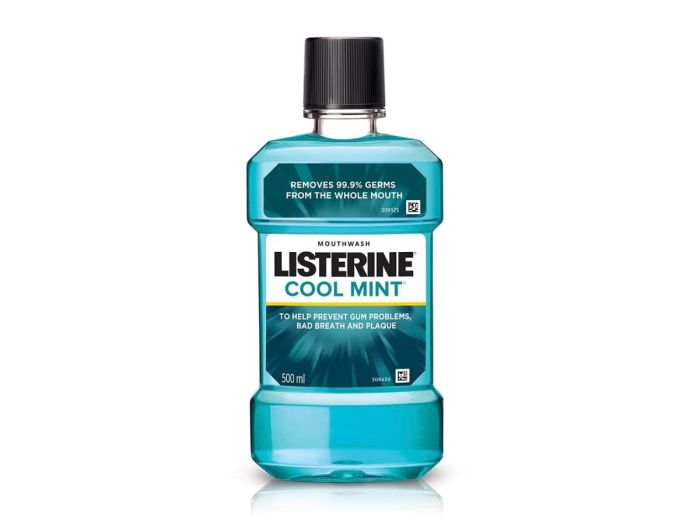
Choosing the right mouthwash can feel like navigating a complex marketplace. Different brands offer various formulations, ingredients, and promises. Understanding the specifics behind these products can empower you to make informed decisions and find the mouthwash that best suits your needs. This section delves into the specifics of popular mouthwash brands, examining their effectiveness, ingredient lists, and consumer feedback.A crucial aspect of evaluating mouthwashes is a comparison of their active ingredients and formulations.
While many brands share common goals like freshening breath and reducing plaque, the specific ingredients and their concentrations can vary significantly. This variability can impact the perceived effectiveness and suitability of a mouthwash for different individuals.
Effectiveness and Ingredient Comparisons
Mouthwash effectiveness isn’t a simple yes or no. It’s influenced by the specific active ingredients and their concentration. Different ingredients target different aspects of oral hygiene, from plaque reduction to gingivitis prevention. A thorough understanding of the ingredients and their mechanisms is key to evaluating a product’s potential benefits.
Formulations and Active Ingredients
Various brands utilize different formulations to achieve their respective goals. Some focus on antiseptic action, while others emphasize fluoride delivery for enamel protection. The concentration of active ingredients plays a crucial role in determining the mouthwash’s potency. For example, higher concentrations of chlorhexidine may provide more robust antibacterial action, but can also lead to potential side effects like staining.
Figuring out the best mouthwash can be tricky, but honestly, it’s probably less about the specific type and more about finding one you actually stick with. While some might swear by antibacterial mouthwashes, others might find that a fluoride-based option suits them better. The real question, though, is whether your oral hygiene routine might be masking a deeper issue, like if gluten might be the culprit behind your emotional struggles.
If you’re curious to explore that connection, check out this article on is gluten why youre depressed. Ultimately, the best mouthwash for you will depend on your individual needs and preferences, so experiment a bit to find what works best for maintaining good oral health.
Brand Comparison Table
The following table provides a comparative overview of popular mouthwash brands, highlighting key features and user reviews. Note that user reviews can be subjective and influenced by individual experiences and expectations.
| Brand | Key Features | Active Ingredients | User Reviews (Summary) |
|---|---|---|---|
| Brand A | Known for its minty flavor and strong cleaning action. | Chlorhexidine gluconate, fluoride | Generally effective, some users report slight staining or a temporary taste alteration. |
| Brand B | Focuses on a gentle, everyday use formula. | Sodium fluoride, essential oils | Positive reviews for its mildness and refreshing taste; less effective at plaque reduction than other brands. |
| Brand C | Claims to target gingivitis and plaque buildup. | Hydrogen peroxide, cetylpyridinium chloride | Mixed reviews; some users report noticeable improvement in gum health, while others experience irritation. |
| Brand D | Emphasis on long-lasting freshness. | Zinc chloride, alcohol | Often praised for its potent freshening effect, but some report a burning sensation. |
Marketing Strategies and Consumer Perception
Marketing campaigns significantly influence consumer perception of mouthwash efficacy. Intense advertising often highlights specific benefits, like whitening or germ-killing, that might not be substantiated by rigorous scientific studies. It’s crucial for consumers to critically evaluate the claims made by different brands and consider scientific evidence alongside personal experiences.
Choosing the Right Mouthwash for You
Finding the perfect mouthwash is a personal journey, much like selecting the right toothpaste. It’s not a one-size-fits-all solution; your specific needs and preferences play a crucial role. Factors like oral health conditions, personal sensitivities, and even taste preferences can significantly influence the effectiveness and satisfaction you derive from a mouthwash.Understanding your oral health and tailoring your mouthwash choice is key to achieving optimal oral hygiene and preventing future issues.
This involves recognizing your unique needs and selecting a product that aligns with your specific requirements.
Considering Personal Preferences
Taste and texture are important aspects to consider when choosing a mouthwash. Some individuals might find certain flavors overwhelming or unpleasant. Experimenting with different mouthwash varieties is often necessary to determine what feels most comfortable. The consistency of the mouthwash, whether it’s a gel, liquid, or spray, can also affect the user experience. If a specific texture causes discomfort or isn’t pleasant to use, it’s crucial to consider alternatives.
Assessing Oral Health Needs, Which type of mouthwash works best
A thorough self-assessment is vital for determining the appropriate mouthwash. This involves understanding existing oral health conditions, such as gum disease, cavities, or dry mouth. Identifying any sensitivities or allergies to specific ingredients is also essential. For instance, someone with sensitive teeth might want to choose a mouthwash formulated for sensitive teeth, minimizing the potential for discomfort.
Questions to Ask Yourself Before Purchasing
Before purchasing a mouthwash, consider these questions:
- What are my current oral health concerns? (e.g., gum sensitivity, dry mouth, or frequent cavities)
- What are my preferred flavors and textures? (e.g., mint, citrus, or a specific consistency)
- Am I aware of any allergies or sensitivities to specific ingredients? (e.g., alcohol, menthol, or certain fragrances)
- Does the mouthwash align with my budget and lifestyle? (e.g., frequency of use, travel needs, or storage requirements)
- Are there any specific claims made by the mouthwash that align with my current oral health needs?
These questions help narrow down your choices and ensure the mouthwash you select effectively addresses your individual needs.
Examples of Different Situations
Different mouthwashes can be beneficial in various situations.
- For individuals experiencing dry mouth, a mouthwash containing xylitol or other humectants can help moisturize the mouth and reduce discomfort.
- People with gingivitis might find a mouthwash with antimicrobial agents, such as chlorhexidine, beneficial in combating the bacteria causing inflammation.
- Individuals with sensitive teeth could opt for a mouthwash specifically designed for sensitive teeth, reducing the potential for discomfort.
- Those seeking whitening solutions might find a mouthwash formulated with specific whitening agents helpful.
- After extensive dental work, a mouthwash containing fluoride could be useful to strengthen enamel and prevent future issues.
By carefully considering personal preferences, oral health conditions, and the specific needs of each situation, you can make informed decisions about which mouthwash best suits your requirements.
Long-Term Use and Maintenance
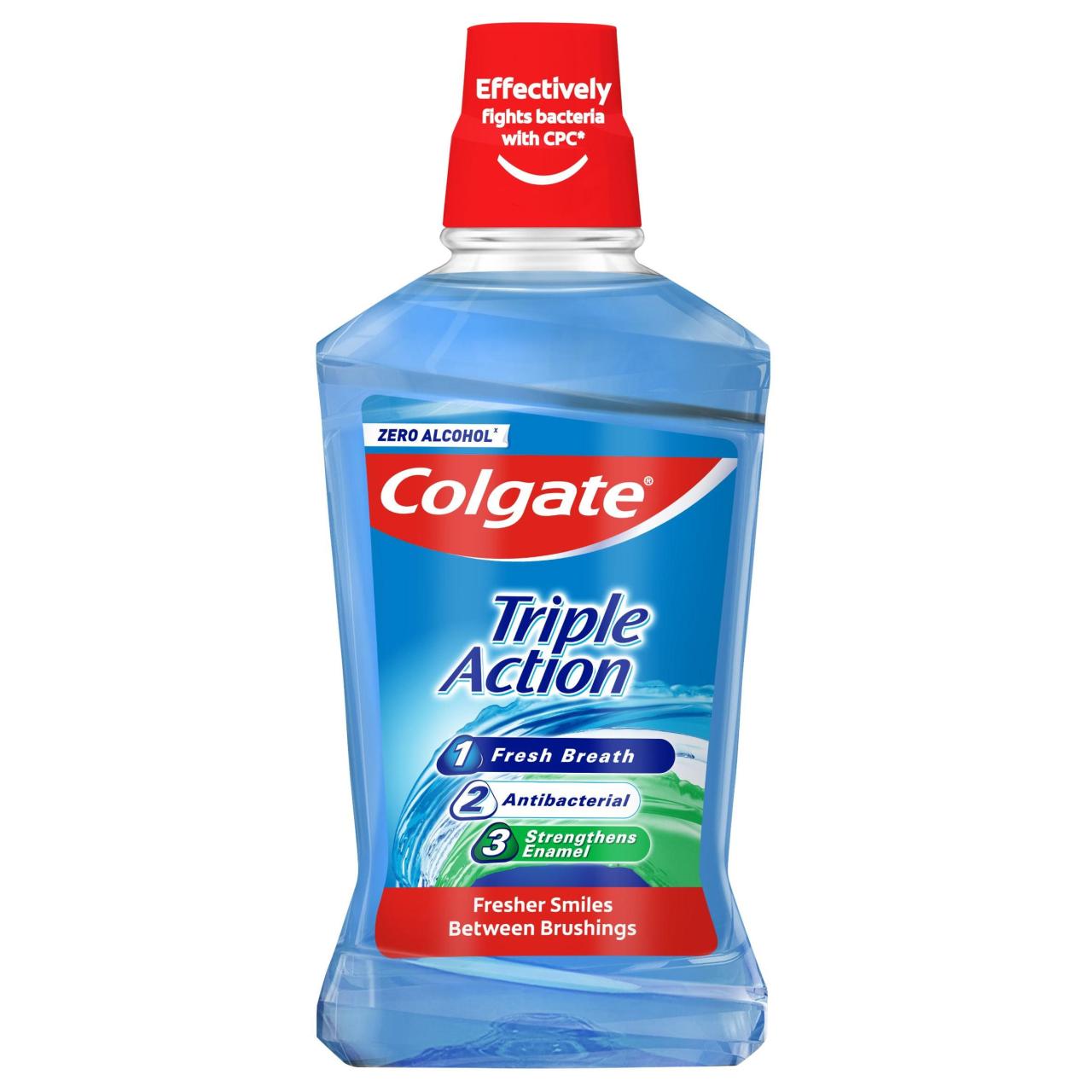
Consistent oral hygiene is crucial for overall health, and mouthwash plays a significant role in this. Long-term use, however, necessitates careful consideration of individual needs and potential side effects. A well-rounded approach that incorporates mouthwash into a comprehensive routine is essential for maintaining healthy teeth and gums.Proper oral hygiene habits, including regular brushing, flossing, and using mouthwash, are vital for preventing cavities, gum disease, and bad breath.
These habits, when practiced consistently, significantly reduce the risk of these issues.
Importance of Consistent Use
Consistent use of mouthwash, when integrated into a daily routine, enhances the effectiveness of brushing and flossing. It helps remove plaque and food particles that brushing and flossing might miss, contributing to a healthier mouth environment. This consistency is key to preventing the buildup of bacteria, which is a primary factor in dental problems.
Incorporating Mouthwash into a Routine
A comprehensive oral hygiene routine should incorporate mouthwash. For optimal results, use mouthwash after brushing and flossing. This approach ensures that the mouthwash effectively reaches areas where plaque and bacteria may linger. Following the product instructions for duration of use is critical. Different types of mouthwash may have varying recommendations, and adhering to those guidelines is essential.
Potential Long-Term Effects of Different Mouthwashes
Some mouthwashes contain ingredients that, if used for extended periods, may have specific effects. For instance, mouthwashes with alcohol can, if used excessively, potentially dry out the mouth, leading to increased sensitivity or increased risk of cavities. Alternatively, mouthwashes containing certain bleaching agents might have a long-term impact on tooth color, requiring careful monitoring. Always check the product label and consult with a dentist for any concerns regarding long-term use.
Adjusting Your Routine Based on Oral Health Changes
If you notice changes in your oral health, such as increased sensitivity, bleeding gums, or unusual pain, adjusting your mouthwash routine might be necessary. A dentist can assess the situation and recommend an appropriate mouthwash or alternative oral hygiene products. For example, if you experience gum inflammation, switching to a mouthwash with anti-inflammatory properties, after consultation with a dentist, may help manage the issue.
Regular dental check-ups are vital for monitoring and addressing any emerging oral health concerns.
Maintenance of Oral Hygiene Habits
Maintaining a healthy oral hygiene routine is a continuous process. It requires consistent effort, attention to detail, and a proactive approach to addressing potential issues. This includes understanding the potential long-term effects of different mouthwashes and adjusting your routine based on changes in your oral health. Ultimately, a consistent, comprehensive oral hygiene routine is essential for long-term oral health and overall well-being.
Outcome Summary
In conclusion, choosing the best mouthwash is a personalized journey. Understanding the different types, their active ingredients, and their potential benefits is key. Remember to consider your specific oral health needs, lifestyle, and preferences. By considering all these factors, you can make an informed decision and maintain optimal oral hygiene. Ultimately, the right mouthwash is the one that fits your unique needs and helps you achieve a healthy smile.