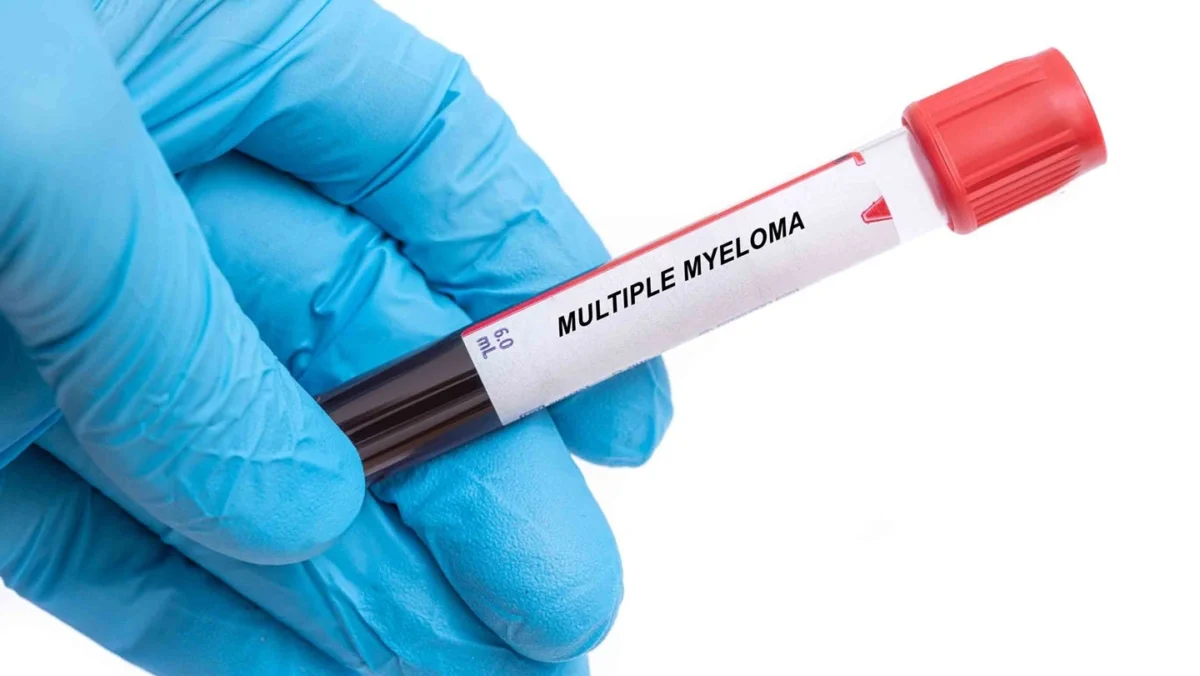
In a significant advancement for oncology diagnostics, ARUP Laboratories has officially announced the clinical launch of its CLARISPECT Multiple Myeloma MRD by Spectral Flow Cytometry assay. This sophisticated diagnostic tool is specifically designed to identify and characterize minute populations of neoplastic cells in patients diagnosed with multiple myeloma (MM). By leveraging cutting-edge spectral flow cytometry technology, the assay offers a level of sensitivity and precision that surpasses traditional diagnostic methods, marking a pivotal shift in how clinicians monitor disease progression and treatment efficacy.
Multiple myeloma, a hematologic malignancy characterized by the uncontrolled proliferation of plasma cells in the bone marrow, remains a complex challenge for the medical community. While therapeutic options have expanded significantly over the last decade, the risk of relapse remains a constant concern. The CLARISPECT assay addresses this by focusing on Minimal Residual Disease (MRD)—the small number of cancer cells that remain in a patient’s body during or after treatment. These cells are often undetectable by standard morphological or conventional flow cytometry methods but are the primary drivers of disease recurrence.
The Evolution of MRD Detection in Hematologic Oncology
The clinical significance of Minimal Residual Disease has grown exponentially as treatments for multiple myeloma have become more effective. In the past, a "complete response" (CR) was the highest benchmark of treatment success, defined by the absence of visible cancer cells under a microscope and the disappearance of monoclonal proteins in the blood. However, many patients who achieved a CR eventually relapsed because sub-microscopic levels of the disease persisted.
Minimal Residual Disease testing has therefore emerged as the "gold standard" for assessing the depth of a patient’s response to therapy. It serves as a powerful prognostic indicator; patients who achieve MRD-negative status typically experience longer progression-free survival and better overall survival rates. The launch of CLARISPECT represents ARUP’s effort to push the boundaries of this detection, moving from identifying one cancer cell in 10,000 to identifying 14 neoplastic cells in a population of five million analyzed cells.
Spectral Flow Cytometry: A Technological Leap
The core innovation behind the CLARISPECT assay is the transition from conventional to spectral flow cytometry. While both technologies use lasers to excite fluorescently labeled antibodies attached to cells, they differ fundamentally in how they capture and process the resulting light signals.
Conventional flow cytometry relies on mirrors and filters to capture light at specific wavelengths. This method is limited by "spectral overlap," where the signal from one fluorescent dye bleeds into another, requiring complex mathematical compensation that can introduce "noise" and limit the number of markers that can be analyzed simultaneously.
In contrast, spectral flow cytometry captures the entire emission spectrum of every fluorochrome across the full range of the light spectrum. This creates a unique "spectral signature" for each marker. By using "unmixing" algorithms, the technology can distinguish between markers with high precision, even those with overlapping peaks. This allows the CLARISPECT assay to evaluate 18 different markers in a single tube.
This single-tube configuration is a major operational advantage. Traditionally, high-parameter assays required multiple tubes and larger volumes of bone marrow aspirate. By consolidating 18 markers into one tube, ARUP reduces the required specimen volume, which is a significant benefit for patients undergoing the invasive and often painful process of bone marrow biopsy.
Clinical Implications and Patient Impact
The high sensitivity of the CLARISPECT assay allows for the detection of "deep" MRD. For clinicians, this means the ability to see the earliest signs of disease reemergence long before symptoms appear or standard tests show an increase in monoclonal protein levels.
Madhu Menon, ARUP’s head of hematopathology clinical operations, emphasized the transformative potential of this sensitivity. "We are harnessing a technology that’s relatively new in the diagnostic space," Menon stated. "By offering a superior technique with higher sensitivity, we will directly impact a subset of patients who otherwise would not have been identified as MRD-positive. We will be able to detect the reemergence of disease at an earlier timepoint, which will then facilitate more informed decisions at an earlier timepoint."
Earlier detection provides a crucial window for intervention. If a patient begins to lose their MRD-negative status, oncologists may choose to adjust maintenance therapies, switch to different drug combinations, or consider clinical trials before the disease reaches a full-blown symptomatic relapse. This proactive approach to "biochemical relapse" is becoming the cornerstone of modern precision medicine in myeloma care.
Strategic Vision and Institutional Context
ARUP Laboratories, which celebrates over 40 years of experience in diagnostic medicine, views the launch of CLARISPECT as part of a broader commitment to high-complexity testing. As a nonprofit enterprise of the University of Utah, ARUP handles a massive volume of complex cases from across the United States, providing a deep reservoir of data that informs their validation processes.
Tracy George, ARUP’s chief scientific officer and president of the Innovation Business Unit, highlighted the rigorous standards applied to the new assay. "We see large volumes with high complexity cases, including rare diseases," George said. "This ensures not only the breadth and depth of our validation, but also the quality of our interpretations. We are always pushing the envelope to develop better techniques that improve our ability to diagnose disease. The launch of CLARISPECT demonstrates our commitment to innovation and to patient care."
The development of the CLARISPECT suite is not an isolated event but a part of an ongoing expansion. ARUP has indicated plans to further broaden its MRD spectral flow cytometry testing suite to include other hematologic malignancies, such as leukemia and lymphoma, where sensitive disease monitoring is equally critical.
A Chronology of Innovation and Collaboration
The launch of CLARISPECT follows a series of strategic moves by ARUP to modernize its oncology and blood-testing capabilities. In February 2025, ARUP announced a significant collaboration with Tasso, a leader in clinical-grade blood collection technology. This partnership was designed to operationalize at-home blood testing services, supporting clinical research and potentially decentralizing some aspects of patient monitoring.
While MRD testing for multiple myeloma currently requires bone marrow aspirates, the integration of advanced diagnostic assays with patient-centric collection methods signals a shift toward making high-level monitoring more accessible. The timeline of ARUP’s recent activities suggests a multi-pronged strategy: increasing the sensitivity of the tests themselves (CLARISPECT) while simultaneously innovating the methods by which samples are collected and processed (Tasso collaboration).
Analysis of the Competitive Landscape
The field of MRD testing is currently dominated by two primary methodologies: Next-Generation Flow (NGF), such as the EuroFlow protocols, and Next-Generation Sequencing (NGS). ARUP’s CLARISPECT aligns with the NGF philosophy but leverages spectral technology to exceed traditional NGF limitations.
One of the primary advantages of flow-based MRD testing over NGS is its "real-time" nature. NGS requires a baseline "diagnostic" sample to identify the specific genetic sequence of the cancer clone before it can be tracked in subsequent samples. If a diagnostic sample was not stored or was of poor quality, NGS cannot be performed. Spectral flow cytometry, however, characterizes cells based on their surface protein expression (phenotype) and does not necessarily require a prior baseline sample to be effective, making it a more flexible option for many patients.
Furthermore, the 95% confidence level in detecting 14 neoplastic cells per five million cells puts CLARISPECT at the forefront of diagnostic sensitivity, rivaling the detection limits of NGS (which typically aims for $10^-6$ or one in a million).
Broader Impact on the Healthcare System
The introduction of highly sensitive tests like CLARISPECT has implications that extend beyond individual patient care. In the realm of clinical trials, MRD status is increasingly being used as a surrogate endpoint for drug approval. By providing a more sensitive and standardized way to measure MRD, ARUP’s technology could help accelerate the development and approval of new myeloma therapies.
From an economic perspective, while high-complexity tests carry a higher initial cost, the ability to prevent full relapses through early intervention can lead to significant long-term savings for the healthcare system. Treating a full-blown relapse is far more expensive and resource-intensive than managing a patient based on early MRD signals.
Conclusion and Future Outlook
The launch of the CLARISPECT Multiple Myeloma MRD assay marks a milestone in the clinical application of spectral flow cytometry. By providing a tool that can see what was previously invisible, ARUP Laboratories is equipping oncologists with the data needed to move from reactive to proactive treatment strategies.
As ARUP continues to expand its spectral flow cytometry suite, the medical community can expect further refinements in how various cancers are monitored. The integration of 18-marker single-tube analysis sets a new benchmark for efficiency and sensitivity, ensuring that "minimal" disease no longer means "undetectable" disease. For the thousands of patients living with multiple myeloma, this technology represents not just a new test, but a more clear and hopeful roadmap for their long-term survival.