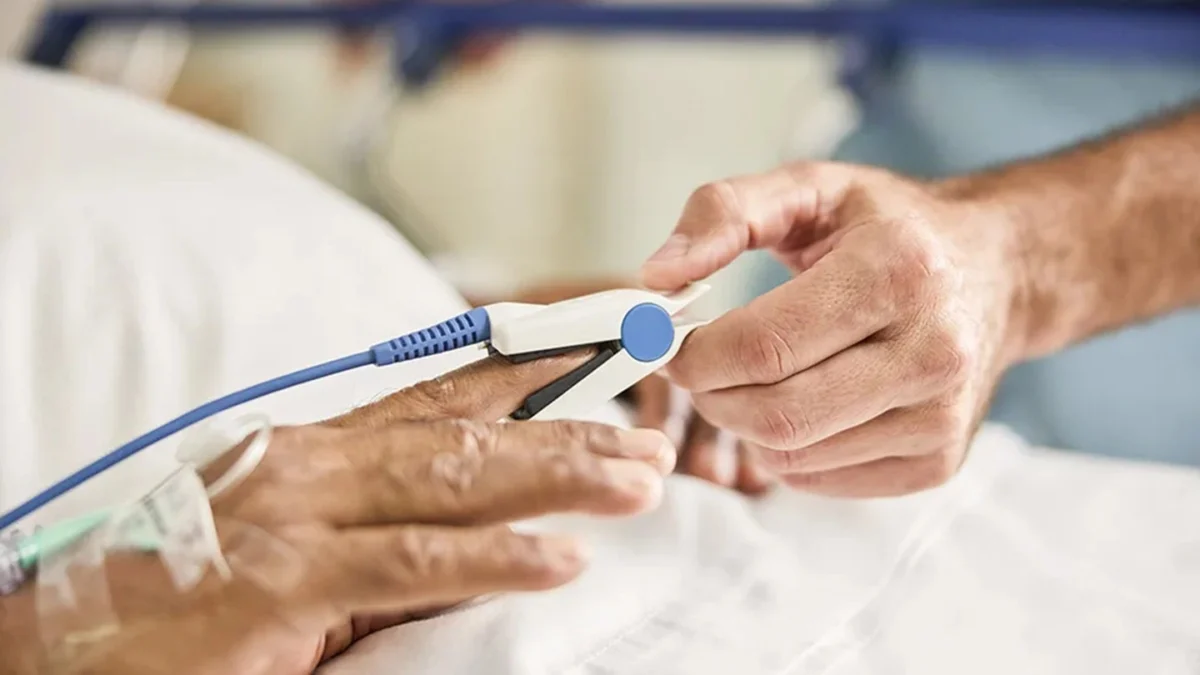
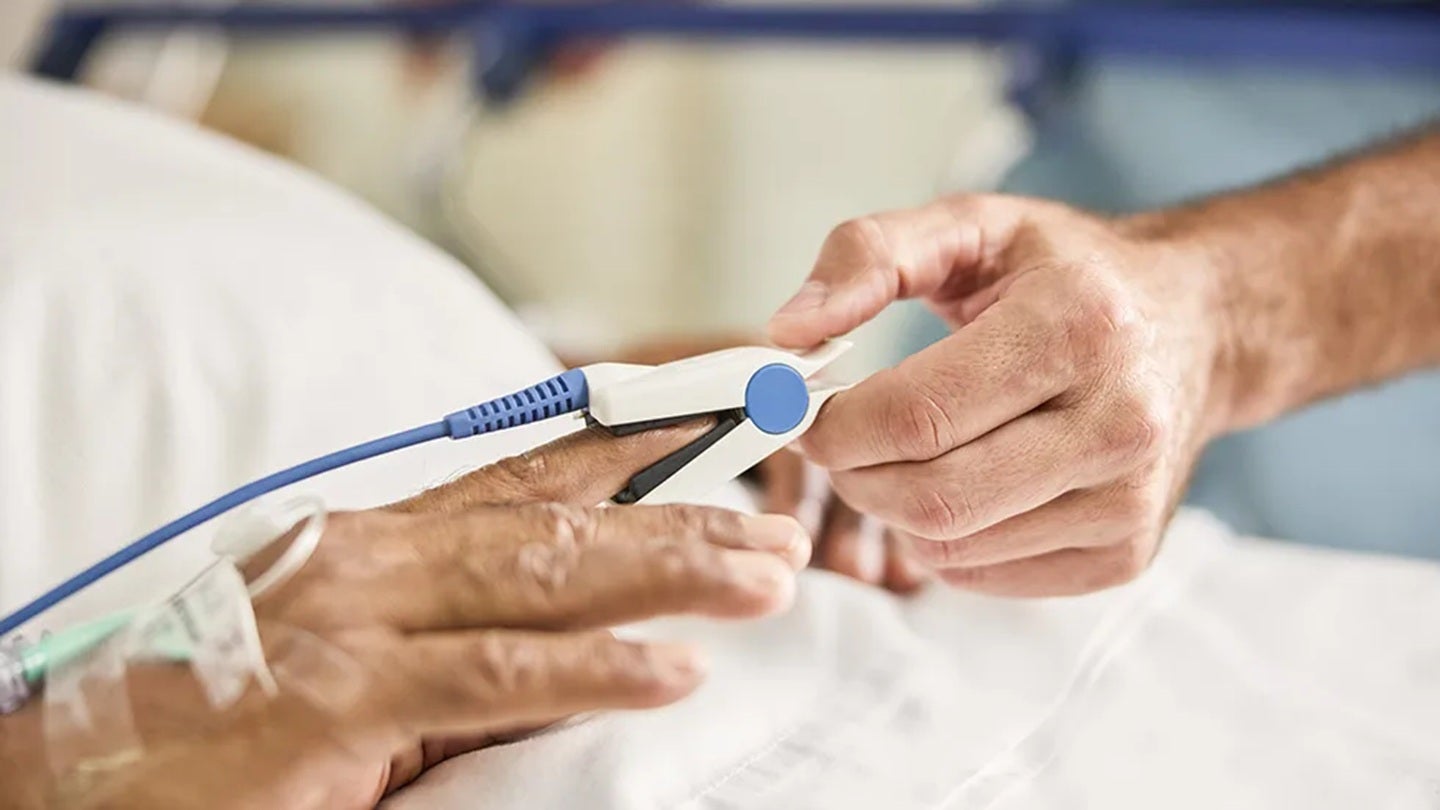
Royal Philips, a global leader in health technology, has announced that it received 510(k) clearance from the US Food and Drug Administration (FDA) for its latest innovation in patient monitoring: a next-generation reusable SpO₂ clip sensor. This regulatory milestone marks a significant advancement in pulse oximetry, a critical clinical tool used to measure blood oxygen saturation levels. The new sensor is specifically engineered to address long-standing challenges in signal quality and measurement consistency, particularly across diverse patient demographics and varying clinical environments. By integrating sophisticated internal optical enhancements, Philips aims to provide healthcare providers with a more reliable and equitable diagnostic tool that performs with high precision regardless of a patient’s skin tone or physiological condition.
The clearance comes at a pivotal moment for the medical device industry, as regulatory bodies and healthcare advocates have increasingly scrutinized the efficacy of pulse oximeters in patients with darker skin pigmentation. Historically, pulse oximetry technology has been criticized for potential inaccuracies in non-white populations, which can lead to delayed diagnoses or suboptimal treatment plans. Philips has positioned this new sensor as a direct response to these concerns, utilizing a validation program that emphasizes inclusivity and rigorous testing across a wide spectrum of skin tones and clinical scenarios.
Technical Innovations and Performance Metrics
The cornerstone of the new Philips SpO₂ clip sensor lies in its internal optical architecture. Pulse oximeters work by emitting wavelengths of light—typically red and infrared—through a translucent part of the patient’s body, usually a fingertip. The ratio of light absorbed by oxygenated versus deoxygenated hemoglobin allows the device to calculate the SpO₂ percentage. However, external factors such as ambient light, patient movement, and skin thickness can introduce "noise" into the signal.
Philips has introduced specific optical enhancements within the clip to improve the signal-to-noise ratio. These enhancements ensure that the light path is optimized and that the detector captures the most accurate data possible. In standardized performance tests cited by the company, the sensor achieved an Accuracy Root Mean Square (ARMS) value of 1.6%. In the realm of pulse oximetry, the ARMS value represents the standard deviation of the difference between the device’s readings and the actual arterial oxygen saturation measured via blood gas analysis. A value of 1.6% is considered highly precise, exceeding many industry standards for reusable sensors.
Furthermore, the device demonstrated exceptional consistency across different levels of skin pigmentation. According to Philips, when tested within the critical SpO₂ range of 85% to 100%, the accuracy variation between light-skinned and dark-skinned groups was less than 0.5%. This level of parity is a significant technical achievement, as it suggests that the optical enhancements effectively mitigate the light-absorption variables associated with melanin.
Addressing the Health Equity Gap in Pulse Oximetry
The development of this sensor is deeply rooted in the broader industry movement toward health equity. For decades, the medical community has relied on pulse oximetry as a "fifth vital sign." However, studies intensified during the COVID-19 pandemic revealed that traditional sensors often overestimated oxygen levels in Black and Hispanic patients. Such discrepancies can result in patients being discharged prematurely or being denied supplemental oxygen therapy.
In response to these findings, the FDA’s Medical Devices Advisory Committee held several meetings to discuss the need for more rigorous pre-market and post-market evaluations of pulse oximeters. Philips has aligned its validation approach with these evolving FDA guidelines and international standards set by the International Organization for Standardization (ISO) and the International Electrotechnical Commission (IEC). By incorporating diverse populations into their clinical trials, Philips is setting a new benchmark for how respiratory monitoring devices should be validated before reaching the clinical floor.
The company’s commitment to this cause was echoed by Sachin Chaudhari, the clinical measurements and specialty monitoring category leader at Philips. He emphasized that the heart of the company’s mission is to provide clinicians with reliable data that empowers them to deliver better care to a broader range of people. Chaudhari noted that the FDA clearance is a reflection of ongoing investments in sensor technology and validation practices, which will eventually be scaled across the entire Philips pulse oximetry portfolio.
Chronology of Development and Regulatory Context
The path to 510(k) clearance for the reusable SpO₂ clip sensor is part of a larger timeline of innovation at Philips. The company has a long history in the patient monitoring space, but the last several years have seen an accelerated focus on digital integration and precision diagnostics.
- Early 2020-2022: Amidst the global pandemic, Philips and other manufacturers faced increased pressure to prove the accuracy of their sensors in diverse intensive care unit (ICU) settings.
- 2023: Philips initiated a comprehensive research program to redesign the internal optics of their reusable sensors, moving away from "one-size-fits-all" light-emitting diode (LED) configurations.
- Mid-2024: The company finalized its clinical validation studies, which included participants with various skin tones under both normal and low-perfusion conditions.
- July 2024: Philips received 510(k) clearance for the Elevate Plus upgrade, which added AI-driven capabilities to its EPIQ Elite and Affiniti ultrasound systems, signaling a broader push toward "smart" hardware.
- Late 2024: Following the recent FDA clearance of the SpO₂ clip sensor, the product is slated for a phased rollout in selected global markets.
This sequence of events illustrates a strategic shift toward high-fidelity data collection at the bedside. By securing clearance for both ultrasound AI and advanced SpO₂ sensors in the same quarter, Philips is reinforcing its position as a holistic provider of acute care solutions.
Market Implications and Clinical Utility
The introduction of a high-accuracy reusable sensor has significant implications for hospital operations and environmental sustainability. While disposable sensors are common in many US hospitals to prevent cross-contamination, they generate substantial medical waste and carry a higher long-term cost. Reusable sensors, when properly disinfected and maintained, offer a more sustainable alternative. However, they must maintain their accuracy over hundreds of uses.
Philips’ new sensor is designed to withstand the rigors of high-volume clinical environments without compromising the integrity of its optical components. For hospitals, this means a potential reduction in per-patient monitoring costs without the "accuracy penalty" often associated with older reusable models.
From a clinical perspective, the reliability of this sensor is expected to be particularly beneficial in neonatal and pediatric care, as well as in the management of chronic conditions like Chronic Obstructive Pulmonary Disease (COPD) and heart failure. In these scenarios, even a 2% or 3% margin of error in SpO₂ readings can alter the course of treatment. The 1.6% ARMS value provides a narrower window of uncertainty, allowing clinicians to make decisions with greater confidence.
Broader Impact on the Medical Device Industry
The success of Philips in obtaining this clearance is likely to trigger a ripple effect across the medical device industry. Competitors such as Masimo and Medtronic are also under pressure to update their validation protocols and hardware to meet the more stringent expectations regarding racial equity in diagnostic performance.
Furthermore, this development highlights the importance of the FDA’s 510(k) pathway as a mechanism for iterative improvement. While some critics argue that the 510(k) process allows devices to reach the market without enough new clinical data, Philips has used the process to prove that its "predicate-based" device is not just substantially equivalent, but technically superior in its handling of diverse patient data.
As healthcare systems move toward more integrated "command center" models of patient monitoring, the quality of the raw data coming from the sensor becomes paramount. AI algorithms and predictive analytics are only as good as the sensors providing the input. By refining the hardware at the point of contact—the finger clip—Philips is ensuring that the foundation of the digital health stack is sound.
Future Outlook and Global Availability
Looking ahead, Philips has indicated that it will continue to collaborate with researchers, regulators, and standards organizations to further refine how pulse oximetry is evaluated. The company is expected to integrate these optical enhancements into other form factors, such as wearable sensors and multi-parameter patches, which are becoming increasingly popular for remote patient monitoring and "hospital-at-home" programs.
The next-generation reusable SpO₂ clip sensor is expected to debut in selected markets in late 2024, with a wider global rollout anticipated in 2025. This rollout will likely be accompanied by educational initiatives for healthcare providers, focusing on the importance of skin-tone-agnostic monitoring and the technical advantages of the new optical design.
In summary, the FDA clearance of Philips’ next-generation SpO₂ sensor represents more than just a routine product update. It is a calculated move toward solving a persistent problem in clinical medicine—the intersection of technology, biology, and equity. By achieving high accuracy across all skin tones and maintaining a low ARMS value, Philips is not only complying with new regulatory expectations but is also setting a higher standard for patient safety in the 21st century. As the device enters the global market, its impact will be measured not just in sales, but in the closing of the "accuracy gap" that has affected marginalized patient populations for far too long.