Section 1115 Medicaid demonstration waivers represent a critical mechanism for state-level healthcare innovation, allowing states to bypass specific federal statutes to test new approaches that promote the core objectives of the Medicaid program. Under Section 1115 of the Social Security Act, the Secretary of Health and Human Services (HHS) holds the authority to approve experimental, pilot, or demonstration projects that are found to be likely to assist in promoting the objectives of the Medicaid program. While states already possess significant flexibility under existing law, these waivers provide an additional layer of autonomy, often reflecting the unique political and fiscal priorities of state leadership and the shifting ideological perspectives of successive presidential administrations. As of 2025, nearly every state in the nation operates at least one active Section 1115 waiver, with many managing multiple demonstrations simultaneously to address complex issues ranging from eligibility and benefits to the social determinants of health (SDOH).
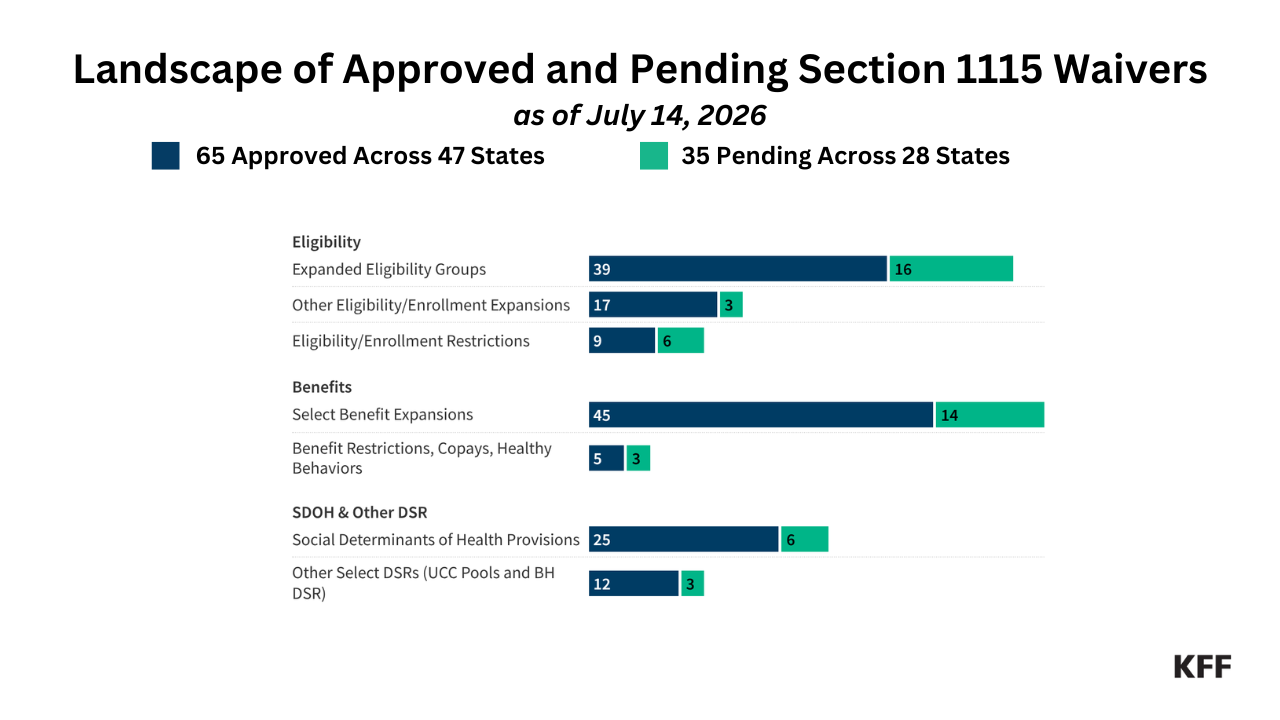
The current landscape of Medicaid waivers is characterized by a significant transition in federal policy. While the Biden-Harris administration focused on expanding coverage through health-related social needs (HRSN) and multi-year continuous eligibility, the second Trump administration has moved rapidly to pivot toward fiscal restraint, work requirements, and the rescission of previous guidance. This evolution has created a complex environment for state Medicaid directors who must navigate changing federal expectations while managing the healthcare needs of their populations.
The Regulatory Framework and the Power of Section 1115
To understand the current tracker of approved and pending waivers, one must first understand the legal foundation of Section 1115. These waivers are not permanent; they are typically approved for five-year periods and must be budget-neutral to the federal government. This means that federal spending under the waiver must not exceed what it would have been in the absence of the demonstration.
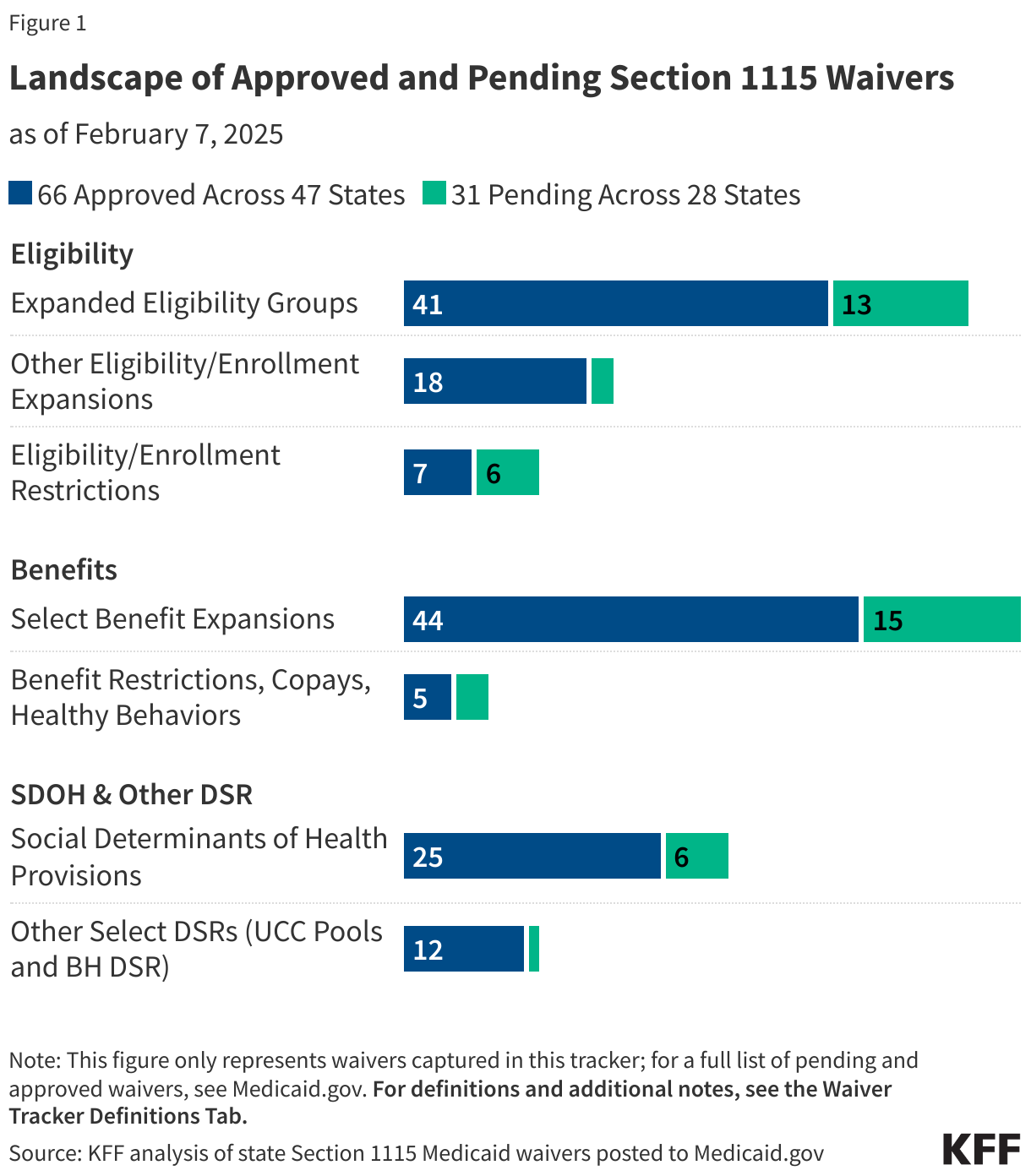
Historically, waivers have been used to implement managed care, expand eligibility to new populations, and provide services not typically covered by Medicaid. However, the application of these waivers has become increasingly polarized. Under the Biden administration, the focus was on "human-centered" waivers—those that addressed homelessness, nutrition, and the transition of incarcerated individuals back into society. Conversely, the Trump administration has historically viewed Section 1115 as a tool for promoting "personal responsibility" and "self-sufficiency," primarily through the implementation of work requirements and premiums.
The Return of Medicaid Work Requirements
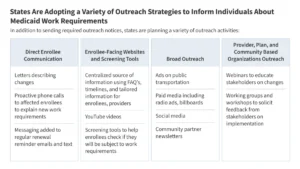
One of the most significant shifts in the 2025 policy environment is the renewed emphasis on work requirements for the Medicaid expansion population. The 2025 federal reconciliation law has fundamentally altered the landscape by requiring states to condition Medicaid eligibility for adults in the Affordable Care Act (ACA) expansion group on meeting specific work or community engagement requirements. While this federal mandate is set to take full effect on January 1, 2027, the law provides states the option to implement these requirements earlier through State Plan Amendments (SPAs) or Section 1115 waivers.
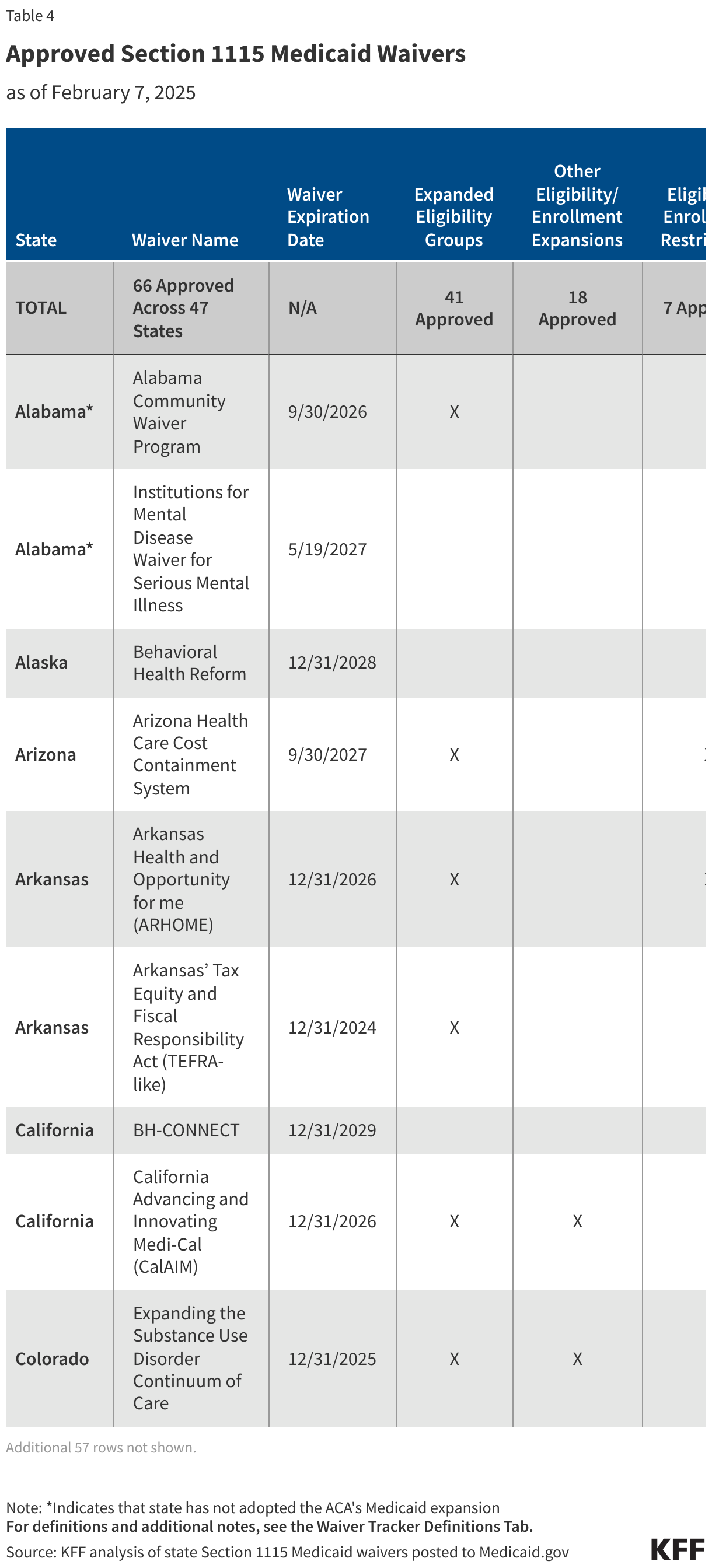
The tracker currently shows a surge in activity as states move to align with this federal shift:
- Nebraska: The first state to formally announce an early enforcement of federal work requirements via a State Plan Amendment, scheduled to begin May 1, 2026.
- Montana and Iowa: Both states have announced early implementation dates of July 1, 2026, and December 1, 2026, respectively.
- Arkansas: This state has opted for a "soft implementation" beginning July 1, 2026, which involves tracking work activities without disenrolling individuals until the federal deadline of January 1, 2027.
- Georgia: Currently the only state with an active work requirement waiver (Georgia Pathways to Coverage) following a protracted legal battle with the Biden administration. Georgia’s specific waiver is set to expire at the end of 2026, at which point the state will transition to the new federal requirements.
While several states submitted 1115 waiver requests for work requirements following the start of the second Trump administration, many are expected to pivot toward SPAs, which offer a more streamlined administrative path for compliance with the 2025 reconciliation law.
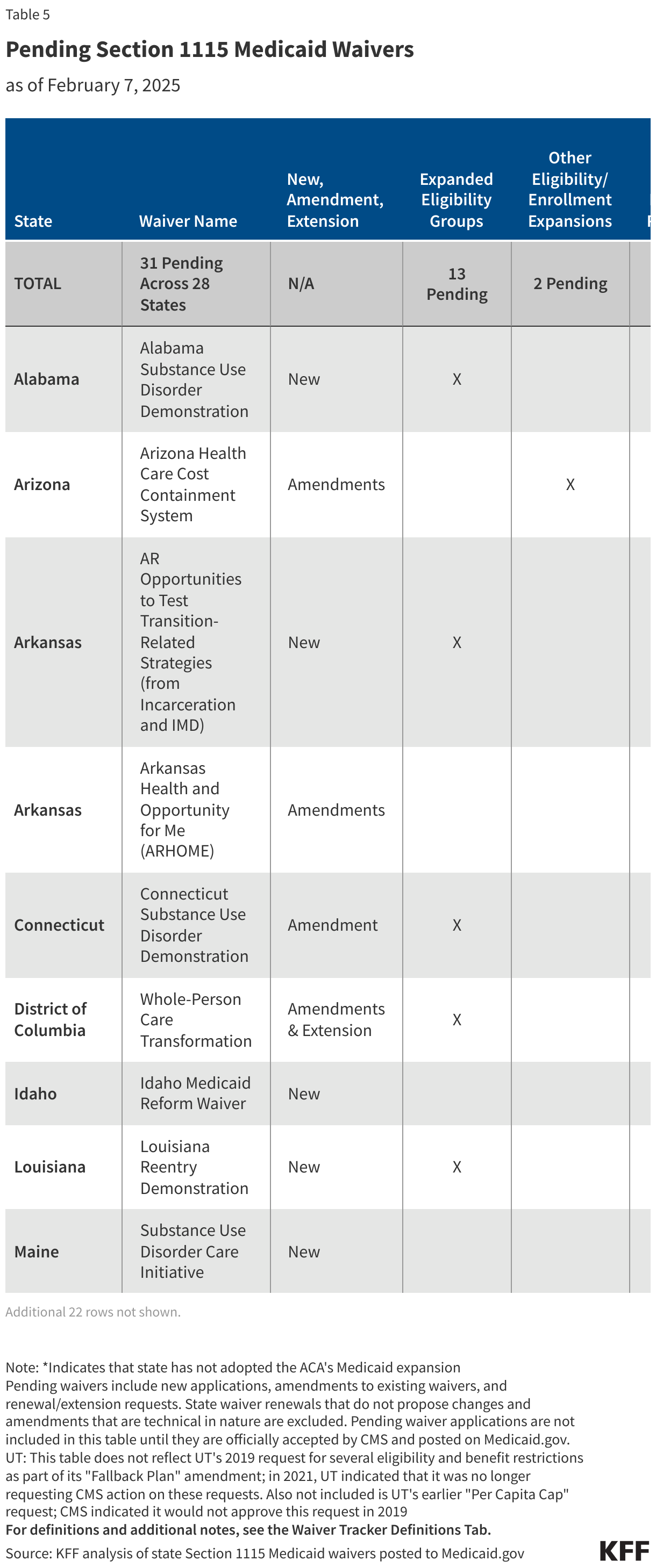
Shifting Priorities: From HRSN to Case-by-Case Analysis
Between 2021 and 2024, the Centers for Medicare & Medicaid Services (CMS) encouraged states to use 1115 waivers to address "Health-Related Social Needs" (HRSN). This framework allowed states to use Medicaid funds for non-traditional services such as temporary housing, healthy meals, and air conditioning units for asthma patients.
However, in March 2025, the Trump administration officially rescinded the Biden-era HRSN guidance. While CMS clarified that this rescission does not automatically nullify existing state approvals, it signaled a major change for pending and future requests. Going forward, CMS will evaluate SDOH and HRSN requests on a "case-by-case" basis, likely with a much narrower definition of what constitutes a "medical" service.
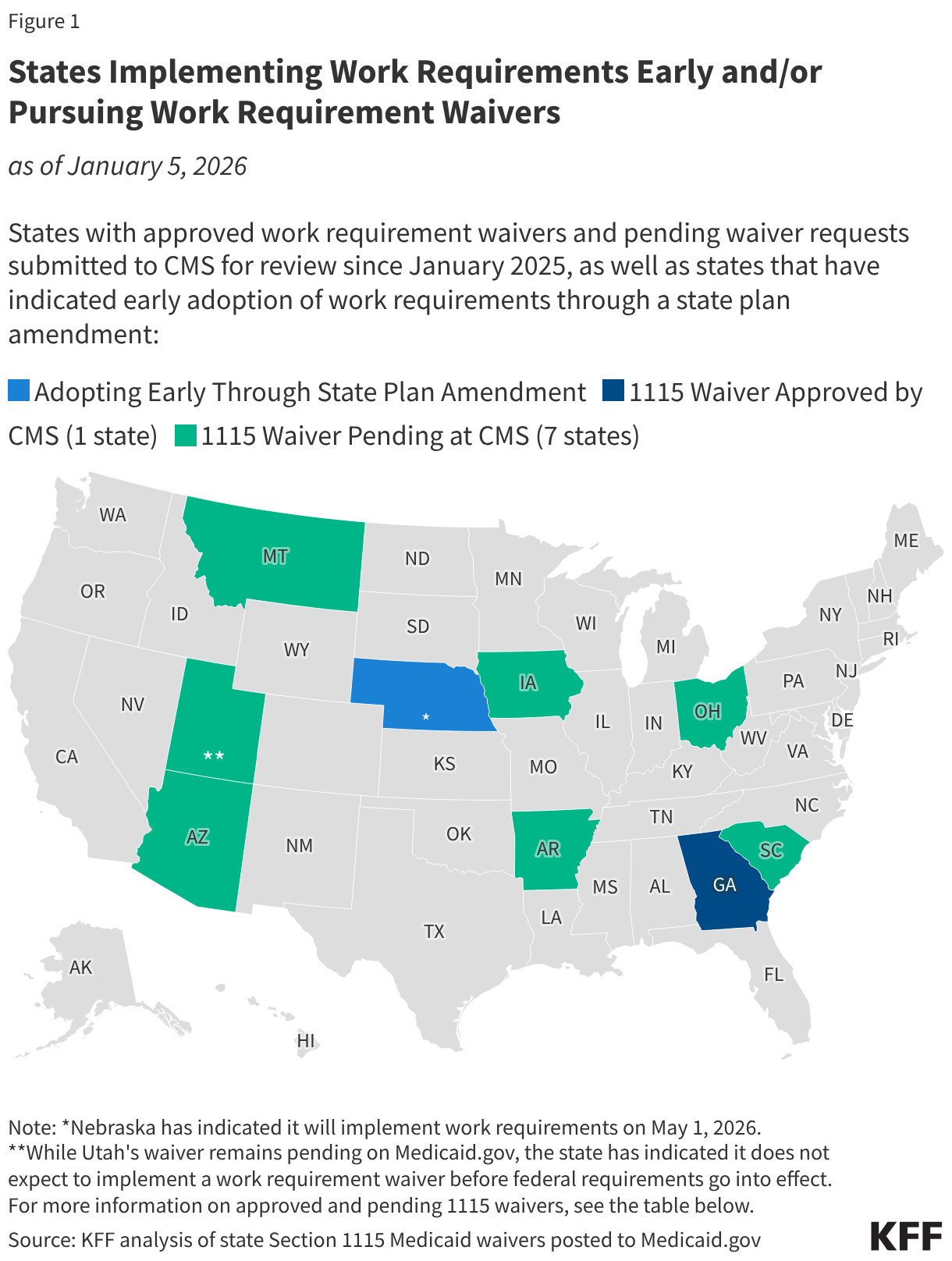
Accompanying this shift is the phasing out of federal funding for "Designated State Health Programs" (DSHP). DSHP funding previously allowed states to claim federal matching funds for existing state-funded health programs, which they could then reinvest into waiver-related innovations. The Trump administration’s decision to phase out this funding mechanism in April 2025 represents a significant fiscal challenge for states that relied on these funds to offset the costs of expanding social-health integrations.
Justice-Involved Populations and Pre-Release Coverage
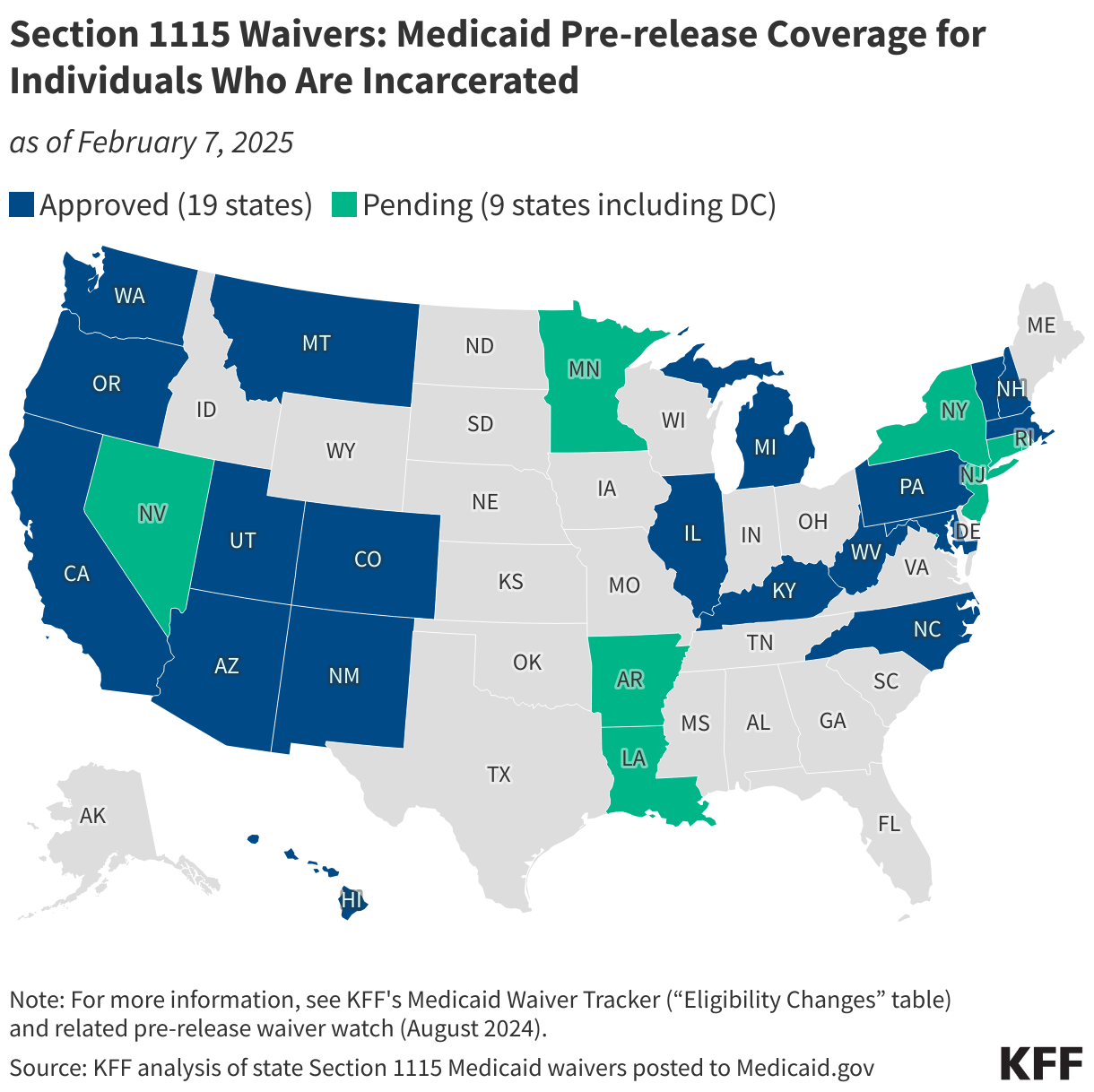
A rare area of bipartisan interest in the Section 1115 arena has been the provision of Medicaid services to individuals shortly before their release from incarceration. Historically, the "inmate exclusion policy" prohibited Medicaid from paying for services provided to incarcerated individuals, except for inpatient hospital care. This led to significant gaps in care for people with chronic conditions, mental health issues, or substance use disorders upon their reentry into the community.

Under a demonstration opportunity launched in 2023, the Biden administration approved 19 state waivers to allow for "pre-release" services. These services—typically provided 30 to 90 days before release—aim to stabilize patients and ensure they have a supply of medication and a scheduled follow-up appointment upon leaving jail or prison.
- Current Status: These waivers have been pursued by both Republican and Democratic governors, seen as a tool to reduce recidivism and overdose deaths.
- Future Outlook: While the Trump administration has not rescinded these specific approvals, the broader push for fiscal restraint may impact the scale and scope of new reentry waivers moving forward.
The End of Multi-Year Continuous Eligibility for Children
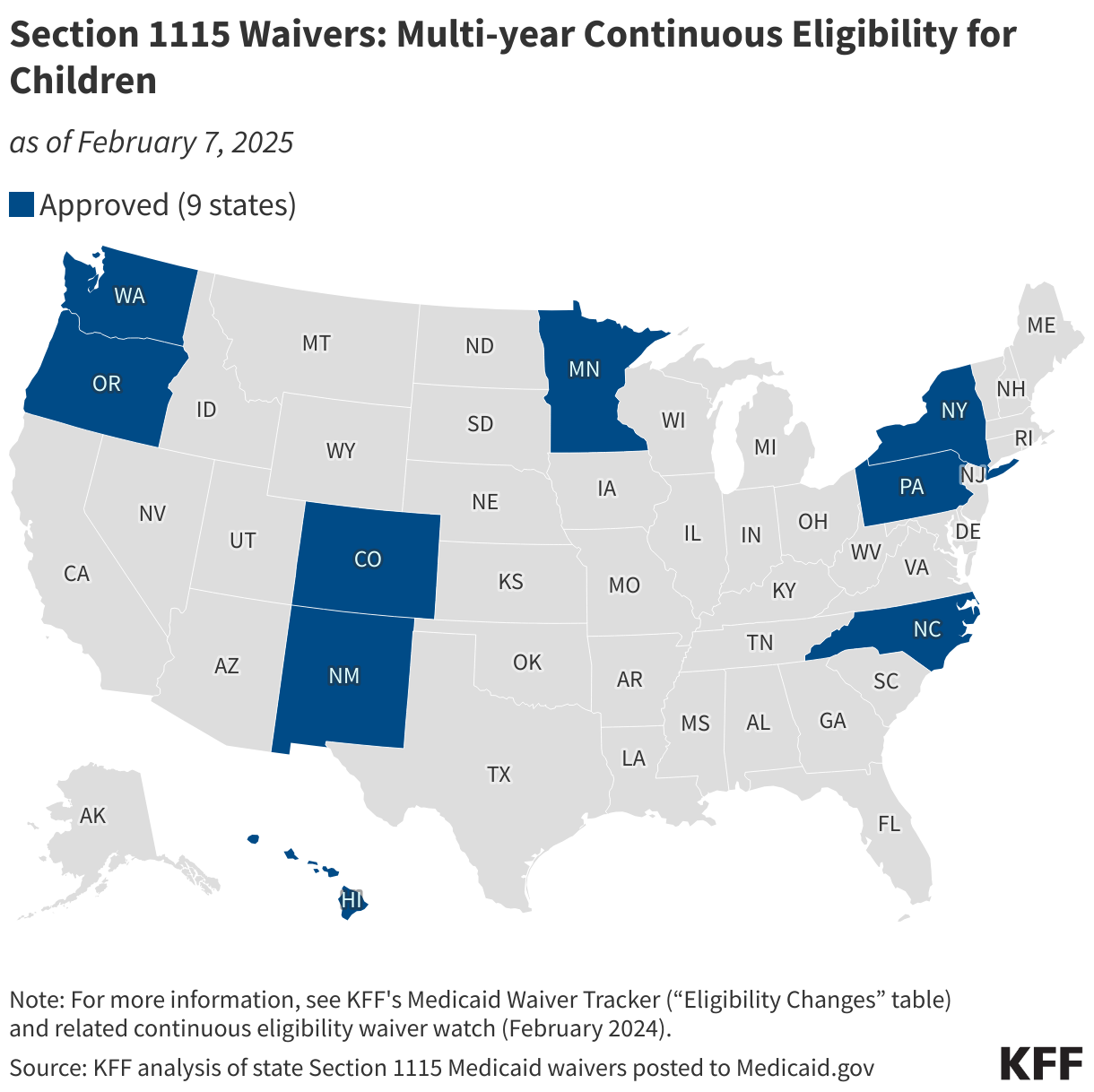
One of the most contentious recent developments in the waiver tracker is the status of continuous eligibility for children. The Consolidated Appropriations Act of 2023 mandated that all states provide 12 months of continuous eligibility for children in Medicaid and CHIP, regardless of changes in family income. Seeking to go further, nine states received Biden-era 1115 waivers to provide "multi-year" continuous eligibility, often covering children from birth until age six.
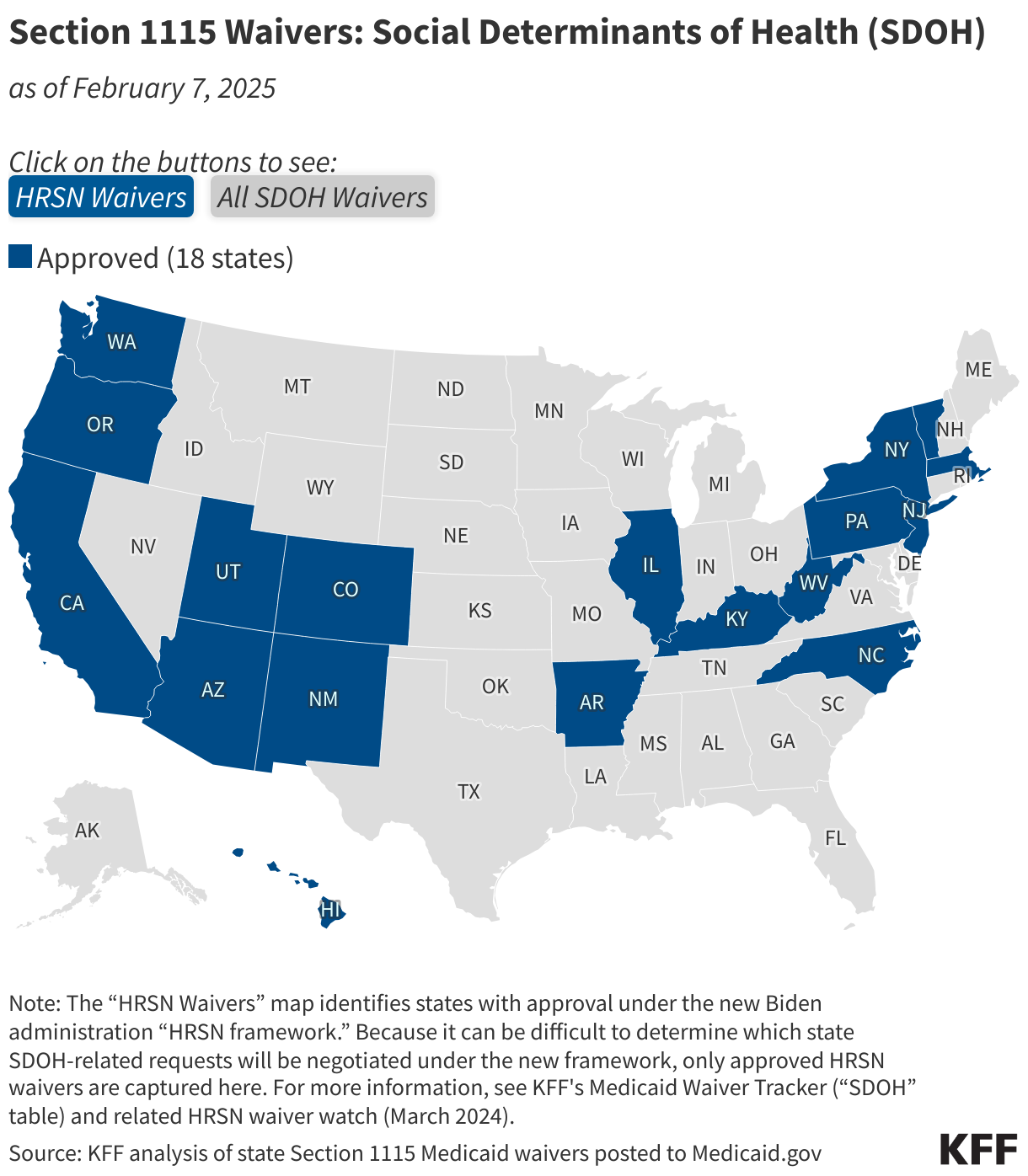
Advocates argue that multi-year eligibility prevents "churn"—the process where families temporarily lose coverage due to administrative hurdles, only to re-enroll months later with higher healthcare costs due to delayed care. However, in July 2025, the Trump administration released guidance stating it will no longer approve new or extend existing continuous eligibility waivers for children or adults. CMS officials cited the need to ensure that only those who meet the statutory eligibility requirements remain enrolled in the program, prioritizing program integrity over continuous enrollment.
Chronology of Key Policy Shifts (2021–2027)
- January 2021: Biden administration begins rescinding work requirement approvals.
- December 2022: CMS releases framework for states to address HRSN through 1115 waivers.
- April 2023: Launch of the Reentry Demonstration Opportunity for incarcerated individuals.
- January 2024: Mandatory 12-month continuous eligibility for children takes effect nationwide.
- March 2025: Trump administration rescinds Biden-era HRSN guidance; moves to case-by-case review.
- April 2025: CMS announces phase-out of DSHP funding for state waivers.
- July 2025: CMS releases guidance ending multi-year continuous eligibility waivers.
- July 2025: CMS announces phase-out of initiatives to strengthen the Medicaid workforce.
- May 2026: Nebraska becomes the first state to enforce new federal work requirements early.
- January 2027: Federal work requirements for the ACA expansion group become mandatory nationwide.
Impact Analysis: Implications for States and Enrollees
The rapid change in Section 1115 policy has profound implications for state budgets and public health. For states that had aggressively pursued the HRSN framework, the rescission of guidance creates a period of uncertainty. They must now prove, on an individual basis, that housing or nutrition supports directly contribute to the Medicaid objective of improving health outcomes in a cost-effective manner.
Furthermore, the end of multi-year continuous eligibility for children is expected to increase administrative costs for states as they return to more frequent eligibility redeterminations. While this may reduce the total number of enrollees and lower direct benefit spending, health policy analysts warn that it may increase emergency room utilization as families lose access to primary care during periods of uninsurance.
The workforce initiatives phase-out, also announced in mid-2025, will likely impact the primary care and behavioral health sectors. Many states had used 1115 waivers to fund loan repayment programs and rate increases for providers in underserved areas. Without this federal support, the provider shortage in rural and low-income urban areas may exacerbate.
Conclusion
The Section 1115 Medicaid waiver tracker remains a vital tool for monitoring the pulse of the American healthcare safety net. As the federal government shifts its focus from expansion and social integration to work requirements and fiscal oversight, the "demonstration" nature of these waivers is more apparent than ever. States are once again becoming the primary laboratories of democracy, testing whether a more restrictive approach to Medicaid can maintain population health while curbing the growth of federal and state expenditures. The coming years will be defined by how states manage the transition to mandatory work requirements and how they adapt their social-health strategies to meet the narrower criteria of a new federal administration.