

Main Facts
n
Leanbean once commanded significant attention in the competitive landscape of weight loss supplements, specifically positioning itself as a fat burner tailored for women. Marketed by Ultimate Life Limited, its core promise revolved around gentle, stimulant-free appetite control, modest fat metabolism support, and sustained energy. The formula strategically combined well-known ingredients like glucomannan fiber, green coffee bean extract, choline, and a suite of vitamins, aiming to address common challenges women face in weight management, such as hormonal cravings and lower stimulant tolerance.
n
However, as of mid-2026, the product has effectively vanished from legitimate sales channels, becoming a relic in the supplement market. Its discontinuation marks not just the end of a product, but a valuable case study for consumers seeking smarter, more informed choices in their wellness journeys. This comprehensive review dissects Leanbean’s formula, scrutinizes real user experiences, examines its operational shortcomings, and ultimately draws critical lessons for navigating the complex world of dietary supplements today.
n
Chronology: Leanbean’s Journey from Launch to Discontinuation
n
Leanbean emerged onto the market around the mid-2010s, riding a wave of increasing demand for specialized health and fitness products. Its timing was opportune, as the supplement industry began to segment its offerings more finely, with "women’s specific" formulas gaining traction. Ultimate Life Limited strategically positioned Leanbean as a premium, natural, and vegan-friendly option, a trifecta that resonated with a health-conscious demographic.
n
Initial marketing campaigns highlighted its distinction as a "stimulant-free" or "low-stimulant" alternative to the often-intense, high-caffeine fat burners prevalent at the time. This focus appealed directly to women sensitive to stimulants or those seeking a gentler approach to weight management. For several years, Leanbean enjoyed a period of moderate popularity, largely driven by online sales through its official website and favorable reviews on various health and fitness blogs.
n
As the product matured, a more diverse range of user experiences began to surface. While some praised its appetite-suppressing effects and mild energy boost, others expressed disappointment over a lack of dramatic weight loss or reported digestive discomfort. Concurrently, issues surrounding its money-back guarantee and customer service started to erode brand trust, culminating in a gradual but noticeable decline in its market presence. By the mid-2020s, the brand’s official channels became increasingly dormant, leading to its effective discontinuation by mid-2026 without any formal announcement from Ultimate Life Limited. The silence from the brand proved to be as definitive as any official statement, signaling its quiet exit from a competitive industry.
n
Supporting Data: Formula, Effectiveness, User Experiences, and Safety

n
Understanding the intricate blend of ingredients within Leanbean is crucial to comprehending its intended mechanisms and its real-world efficacy. The formula was designed with a multi-pronged approach, targeting appetite, metabolism, and energy.
n
Key Leanbean Ingredients and Their Supposed Mechanisms
n
Leanbean’s formula comprised several ingredients commonly found in weight loss supplements, each with a specific role:
n
- n
- Glucomannan (Konjac Root Fiber): This soluble dietary fiber was the cornerstone of Leanbean’s appetite suppression strategy. When ingested with water, glucomannan absorbs liquid and expands significantly in the stomach, creating a sensation of fullness. This mechanism helps to delay gastric emptying and can reduce overall caloric intake by curbing hunger pangs and promoting satiety. Leanbean provided 1000 mg per serving, translating to a clinically relevant 3 grams daily when taken as directed (two capsules before each of three meals). Research consistently supports glucomannan’s role in weight management, particularly for appetite control, provided adequate water intake accompanies its consumption. However, potential side effects include bloating, gas, or constipation, especially during initial use or with insufficient hydration.
- Green Coffee Extract: Derived from unroasted coffee beans, this extract is rich in chlorogenic acids, alongside a modest amount of naturally occurring caffeine. Chlorogenic acids are believed to slightly inhibit carbohydrate absorption in the gut, improve glucose metabolism, and offer a gentle boost to basal metabolic rate. In Leanbean, it aimed to support fat metabolism and provide a subtle energy lift without the pronounced stimulant effects typically associated with higher doses of caffeine. While studies show modest benefits, green coffee extract is not a potent standalone fat burner.
- Garcinia Cambogia: Standardized for hydroxycitric acid (HCA), this tropical fruit extract was included for its purported ability to inhibit fat production and suppress appetite. HCA is thought to interfere with the enzyme citrate lyase, which plays a role in converting excess carbohydrates into stored fat. It may also slightly increase serotonin levels, potentially helping to reduce emotionally driven food cravings. However, human research on garcinia cambogia for significant weight loss has yielded mixed and often inconsistent results. Furthermore, rare but serious liver health concerns have been associated with some garcinia-containing products, warranting caution, particularly for individuals with pre-existing liver conditions.
- Turmeric (Curcumin): Curcumin, the active compound in turmeric, is renowned for its anti-inflammatory properties. Given the established link between chronic low-grade inflammation and obesity, insulin resistance, and impaired fat metabolism, turmeric was included to support overall metabolic health. While not a direct fat burner, reducing inflammation could indirectly aid weight management. Leanbean’s dose of 16.67 mg per serving was relatively modest, and the inclusion of black pepper extract (piperine) aimed to enhance curcumin’s notoriously poor bioavailability.
- Acai Berry Extract: Included for its high antioxidant content, acai berry extract was marketed for its potential to support detoxification, blood sugar balance, and fat metabolism. Preliminary studies suggest acai may activate AMPK pathways, which encourage fat burning and improve insulin sensitivity. However, its role in Leanbean was more as a general metabolic and antioxidant support ingredient rather than a primary fat loss driver, with a relatively small dose of 6.67 mg per serving.
- Choline: A vital nutrient similar to B vitamins, choline is crucial for liver function, brain health, and fat metabolism. In Leanbean, it was intended to aid fat loss by supporting the liver’s ability to process and transport fats, potentially reducing fat accumulation. Some research suggests choline supplementation, particularly when combined with exercise, can modestly reduce body fat percentage, especially in women.
- Chromium Picolinate: This trace mineral is frequently incorporated into weight management formulas for its role in regulating blood sugar and improving insulin sensitivity. By potentially stabilizing blood sugar levels, chromium can help reduce cravings for carbohydrates and sugar, thereby supporting adherence to a calorie-restricted diet. Its effects on appetite and weight loss are generally modest, serving as a supportive rather than a primary agent.
- B Vitamins (B6 and B12): Leanbean included pyridoxine (B6) and cyanocobalamin (B12) to support energy metabolism, red blood cell production, and nervous system function, particularly during periods of caloric restriction. These vitamins are essential for converting macronutrients (proteins, fats, carbohydrates) into usable energy and can help combat diet-induced fatigue and support mood. While critical for overall health, supplementation primarily benefits those with deficiencies; for healthy individuals, effects on fat burning are not direct.
- Zinc, Chloride, and Black Pepper Extract (Piperine): Zinc supports appetite control, leptin signaling, and immune function. Chloride aids stomach acid production and digestive health. Piperine’s primary role was to enhance the bioavailability and absorption of other ingredients, particularly curcumin. These components acted as synergistic supporting agents rather than direct fat loss compounds.
n
n
n
n
n
n
n
n
n
n
How Leanbean Aimed to Work for Fat Loss
n
Leanbean’s strategy was multifaceted:
n
- n
- Appetite Suppression: Primarily driven by glucomannan and zinc, designed to create a feeling of fullness and reduce overall calorie intake.
- Gentle Metabolism Support: Ingredients like green coffee extract, choline, turmeric, and acai berry aimed to subtly boost metabolic processes and aid fat breakdown.
- Energy and Mood Support: B vitamins were included to maintain energy levels and combat fatigue often associated with dieting, without relying on heavy stimulants.
n
n
n
n
The product’s low-stimulant profile was a key differentiator, intended to minimize common side effects like jitters, anxiety, and sleep disturbances, which are often associated with high-caffeine fat burners. The underlying principle, however, remained consistent with all effective weight loss strategies: creating and maintaining a calorie deficit. Leanbean aimed to facilitate this deficit by making adherence to a reduced-calorie diet more manageable, rather than magically burning fat independently.
Claimed Benefits vs. Realistic Expectations
Leanbean’s marketing often highlighted significant benefits such as profound appetite control, drastic craving reduction, enhanced fat metabolism, and notable weight loss. However, real-world experiences and scientific literature painted a more nuanced picture.
| Claimed Benefit | Scientific Support | Real-World Review Alignment |
|---|---|---|
| Appetite control | Strong (glucomannan at 3g/day) | Frequently confirmed by users |
| Reduced cravings | Moderate (chromium, glucomannan) | Often reported positively |
| Enhanced fat burning | Weak to moderate (green coffee, turmeric) | Rarely dramatic |
| Steady energy | Moderate (B vitamins, low stimulants) | Generally confirmed |
| Significant fat loss | Limited as a stand-alone effect | Only with diet and exercise changes |
Most users who reported positive outcomes observed modest yet tangible benefits: fewer instances of mindless eating, better control over late-night snacking, and gradual fat loss (typically 2-5 pounds per month) when actively committed to a healthy diet and regular exercise. Expectations of rapid, dramatic transformations (e.g., 20-30 pounds in a month) fueled by marketing alone were consistently met with disappointment.
What Real Leanbean Reviews Said: A Spectrum of Experiences
Aggregated user reviews, collected before Leanbean’s disappearance, offered a mixed but informative perspective.
- Positive User Experiences: Many successful users praised Leanbean for its efficacy in curbing hunger and sugar cravings, making calorie-controlled diets and intermittent fasting protocols more sustainable. They reported feeling fuller for longer, which prevented overeating and reduced the psychological burden of constant hunger. The lack of high-stimulant side effects was a recurring theme, with many appreciating the steady energy boost without jitters, anxiety, or sleep disruption often experienced with other fat burners. Some women reported gradual but significant weight loss over several months, attributing their success to improved appetite control.
- Negative Leanbean Reviews and Common Complaints: A substantial portion of users, however, expressed dissatisfaction. The most frequent complaint was a perceived lack of significant fat loss, even after several months of consistent use, particularly among those who did not drastically alter their diet or exercise routines. Gastrointestinal issues, including bloating, gas, and belching, were common, likely due to the high glucomannan content, especially if not consumed with ample water or introduced gradually. The demanding six-capsule-per-day regimen also led to "pill fatigue" and missed doses for many. More critically, persistent complaints surrounded the money-back guarantee and customer service, with numerous reports of difficulty obtaining refunds, unresponsiveness, and stringent return policies that undermined consumer trust.
Side Effects and Safety Considerations
Despite being marketed as a "natural" and "safe" supplement, Leanbean, like any dietary aid, was not without potential side effects or safety considerations.
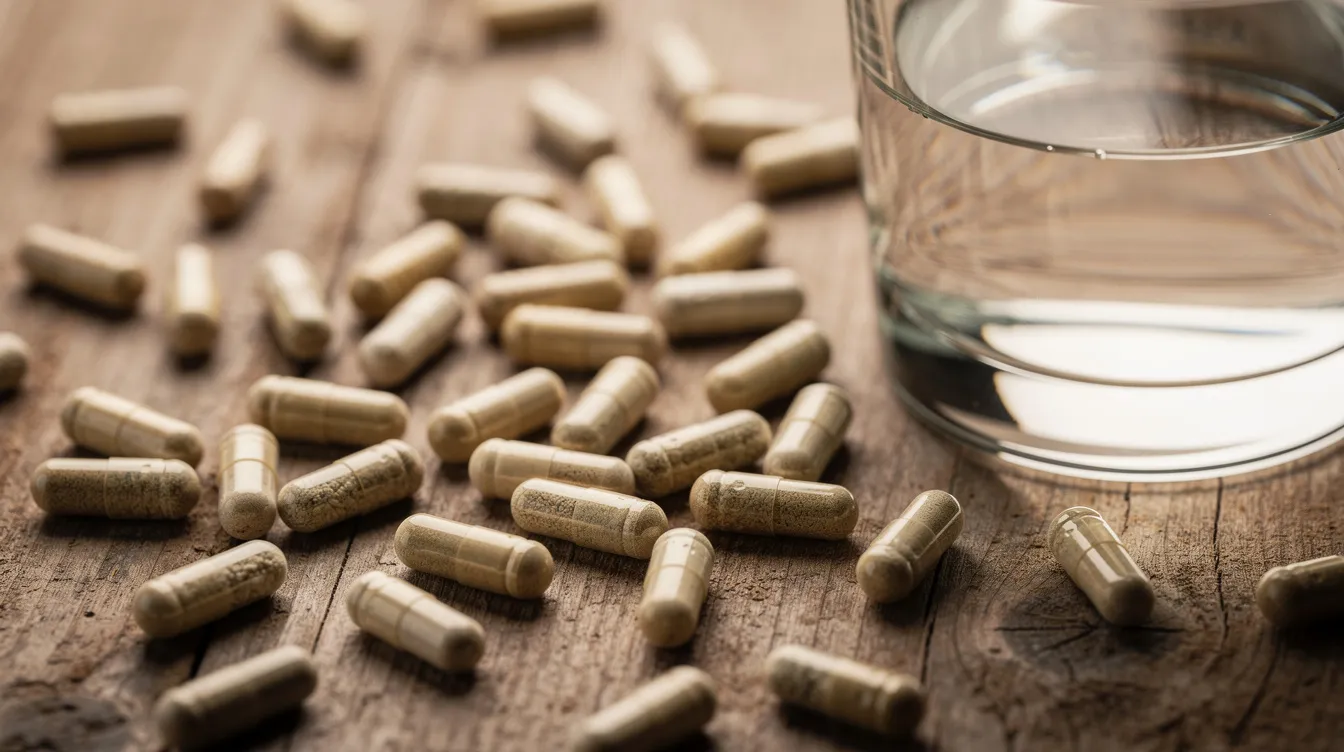
The most commonly reported side effects included:
- Digestive Discomfort: Bloating, gas, belching, and altered bowel habits (constipation or diarrhea) were frequent, primarily attributed to glucomannan.
- Mild Headaches: Some users reported mild headaches during the initial week of use.
Crucially, certain ingredients in Leanbean could interact with medications or pose risks to specific populations:
- Glucomannan: Can impair the absorption of certain medications and nutrients if taken too closely. A spacing of 1-2 hours between the supplement and critical medications was always advised.
- Turmeric and Piperine: Possess mild blood-thinning properties and could interact with anticoagulant medications.
- Chromium Picolinate: Users with diabetes or those on blood-sugar-lowering medications needed to consult a healthcare professional due to its effects on insulin sensitivity.
High-risk categories who should avoid such supplements or seek professional medical advice included pregnant or breastfeeding women, children, individuals with severe digestive disorders, liver conditions, complex medication regimens, or those with eating disorders or very low caloric intake.
How Leanbean Compared to Other Popular Fat Burners
Leanbean often found itself compared to other prominent fat burners on the market, each with its unique profile.
| Feature | Leanbean | PhenQ | Hourglass Fit | Instant Knockout |
|---|---|---|---|---|
| Glucomannan per serving | 1000 mg | Varies | 3000 mg | 1800 mg |
| User Rating (historical) | 3.5/5 | 4.5/5 | ~4/5 | ~4/5 |
| Stimulant Level | Very low | Moderate | Low | Moderate-High |
| Primary Focus | Appetite control | Thermogenesis + appetite | Appetite + metabolism | Fat burning + energy |
| Target Audience | Women | Unisex | Women | Unisex (originally men) |
This comparison highlights Leanbean’s niche: a lower-stimulant, appetite-focused option primarily for women. Competitors like PhenQ and Instant Knockout typically featured higher stimulant content and a more aggressive thermogenic approach, appealing to users seeking a stronger energy boost and more rapid metabolism. Hourglass Fit, another women-specific fat burner, offered a significantly higher dose of glucomannan, potentially providing stronger appetite suppression. Ultimately, Leanbean was best suited for stimulant-sensitive women prioritizing appetite control, while other options catered to different preferences and tolerance levels.
Official Responses: The Silence of a Disappearing Brand
One of the most defining aspects of Leanbean’s demise was the conspicuous lack of official communication from its parent company, Ultimate Life Limited. While the trademark for "Leanbean" remains registered, the brand’s official website ceased active sales, and customer support channels became unresponsive by mid-2026. This silent withdrawal from the market had significant implications, particularly concerning the widely advertised 90-day money-back guarantee.
Numerous historical Trustpilot reviews and customer testimonials documented persistent difficulties in obtaining refunds. Consumers reported slow or non-existent responses to inquiries, strict and often unclear requirements for returning unopened bottles, and outright denials for products that had been opened or partially used, even within the guarantee period. This discrepancy between the marketing promise and the operational reality severely damaged consumer trust and contributed to the brand’s ultimate failure to sustain its market presence. The lack of a formal discontinuation announcement left a void, fueling speculation and leaving existing customers without clear recourse. For a brand that relied heavily on direct-to-consumer sales and trust, the erosion of its customer service proved fatal.

Implications: Lessons Learned from Leanbean’s Legacy
The story of Leanbean serves as a potent learning experience for both consumers and the broader dietary supplement industry. Its rise and eventual, silent fall illuminate critical aspects of product efficacy, consumer expectations, and corporate accountability.
For Consumers: Navigating the Supplement Landscape
- Prioritize Realistic Expectations: Leanbean reinforced that no supplement is a magic bullet. Real, sustainable weight loss fundamentally relies on a consistent calorie deficit achieved through dietary changes and increased physical activity. Supplements are, at best, aids to these primary efforts, not replacements.
- Scrutinize Ingredient Science and Dosages: Consumers should look beyond marketing claims and delve into the scientific backing for each ingredient, paying close attention to effective dosages. Leanbean’s glucomannan dose was clinically relevant, but the efficacy of other ingredients for dramatic fat loss was often more modest.
- Understand Your Body and Needs: Leanbean’s low-stimulant profile was ideal for some, while others preferred more potent thermogenics. Knowing your stimulant tolerance, primary weight loss struggles (e.g., appetite vs. metabolism), and health conditions is crucial for selecting an appropriate product.
- Due Diligence on Brands and Guarantees: The issues surrounding Leanbean’s money-back guarantee underscore the importance of thoroughly researching a brand’s reputation for customer service and carefully reading the fine print of any guarantee before purchase, especially for multi-bottle orders. Active, transparent companies with responsive support are generally more reliable.
- Consult Healthcare Professionals: Before incorporating any new supplement, particularly if you have underlying health conditions, are pregnant or breastfeeding, or are taking medications, consulting a doctor or registered dietitian is paramount. This helps to identify potential interactions, contraindications, or suitability.
- Focus on Holistic Health: Ultimately, long-term weight management extends beyond a pill. Consistent healthy eating (high protein, high fiber), regular physical activity (strength training and cardio), adequate sleep, and effective stress management remain the most powerful determinants of success.
For the Dietary Supplement Industry: Building Trust and Transparency
- Ethical Marketing is Paramount: Leanbean’s journey highlights the delicate balance between effective marketing and the potential for over-promising. Brands must ensure their claims align with realistic scientific outcomes and user experiences.
- Robust Customer Service is Non-Negotiable: A company’s handling of customer inquiries, particularly concerning guarantees and product issues, significantly impacts brand loyalty and trust. Leanbean’s customer service failures contributed directly to its downfall.
- Transparency in Product Status: The silent discontinuation of Leanbean leaves consumers in limbo and erodes confidence. Clear communication regarding product changes, availability, or cessation is a professional responsibility.
- Commitment to Quality and Safety: While Leanbean’s ingredients were generally safe, the industry as a whole must prioritize stringent quality control, third-party testing, and clear safety warnings to protect consumers.
Regulatory Context
Leanbean’s story also subtly underscores the often-lightly regulated nature of dietary supplements in many regions. Unlike pharmaceuticals, supplements typically do not undergo rigorous pre-market approval processes for efficacy and safety. This places a greater burden on consumers to be vigilant and for responsible manufacturers to self-regulate with integrity and transparency.
Conclusion: What We Learned from Leanbean Reviews
Leanbean was a thoughtfully formulated women’s fat burner that, at its best, provided moderate appetite control and gentle energy support, helping some users achieve modest weight loss when combined with consistent lifestyle changes. Its strength lay in its stimulant-free approach and the clinically supported dose of glucomannan. However, its promise of dramatic fat burning was often overhyped, and its operational failures, particularly concerning customer service and the money-back guarantee, ultimately undermined its reputation and led to its quiet disappearance from the market.
The legacy of Leanbean is not one of a revolutionary weight loss solution, but rather a compelling illustration of the complexities within the supplement industry. It teaches us that effective weight management is a holistic endeavor, with supplements serving as potential supportive tools, not primary drivers. Consumers are empowered by knowledge: understanding ingredients, setting realistic expectations, and demanding transparency and accountability from the brands they choose. In the wake of Leanbean, the imperative for informed decision-making has never been clearer, guiding us towards sustainable health practices rather than fleeting promises.

