
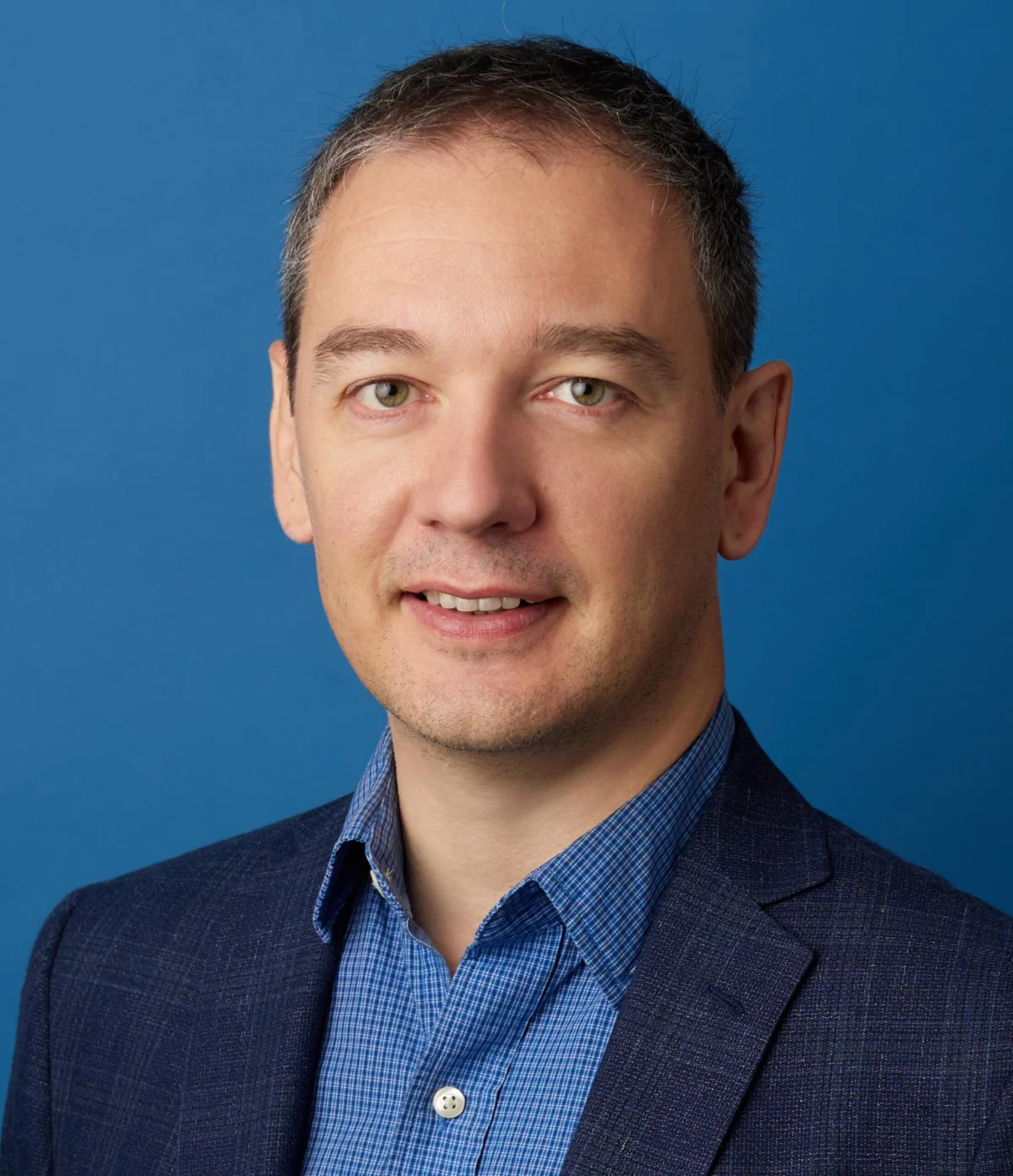
In the global effort to eradicate type 1 diabetes (T1D), the bridge between high-level laboratory science and the lived experience of patients is often built by advocacy and targeted funding. Recently, Breakthrough T1D (formerly JDRF) highlighted a significant collaboration at Columbia University that exemplifies this synergy. Through an initiative led by the Young Adult Advocacy Council (YAAC), the community has been granted a rare, "behind-the-bench" look at the work of Dr. Remi Creusot and Dr. Camillo Bechi Genzano.
n
Their research, which focuses on re-educating the immune system through hematopoietic stem cells, represents a potential paradigm shift in how the medical community approaches both the prevention and the eventual cure of T1D. By moving away from broad immunosuppression and toward "antigen-specific" precision, these researchers are paving a path toward a future where the body’s own defenses are taught to coexist with insulin-producing beta cells.
n
Main Facts: A New Frontier in Immunotherapy
n
Type 1 diabetes is an autoimmune condition where the body’s immune system mistakenly identifies insulin-producing beta cells in the pancreas as foreign invaders and destroys them. For decades, the primary focus of treatment has been exogenous insulin replacement. However, the "holy grail" of T1D research remains the ability to stop the immune attack itself without compromising the patient’s overall ability to fight infections.
n
At the Creusot Lab at Columbia University, the research team is tackling this challenge through a sophisticated method of immune "re-education." The core facts of their current project include:
n
- n
- Targeting the Root Cause: Unlike traditional treatments that manage symptoms, this research seeks to modify the immune system’s memory.
- Hematopoietic Stem Cells (HSCs): The team uses bone marrow stem cells to carry "markers" (antigens) that represent the pancreas. As these stem cells produce new immune cells, the new cells are "trained" from birth to recognize the pancreas as "self" rather than "enemy."
- Precision over Power: While current drugs like Teplizumab (the first FDA-approved T1D delay therapy) target a broad range of T-cells, the Creusot-Genzano approach is antigen-specific, meaning it only affects the small fraction of immune cells responsible for attacking the pancreas.
- Patient-Centric Methodology: By using a patient’s own cells, the researchers aim to eliminate the need for harsh chemotherapy, radiation, or long-term immunosuppressant drugs typically associated with transplants.
n
n
n
n
n
Chronology: From Diagnosis to Discovery
n
The journey toward these breakthroughs is often a decades-long process involving personal transformation and academic rigor. The collaboration between Breakthrough T1D and the Columbia researchers is the result of a deliberate timeline of investment in human capital.

n
The Personal and Professional Paths
n
Dr. Camillo Bechi Genzano’s involvement in the project is a full-circle narrative. Diagnosed with T1D at the age of 12, Genzano lived through the era of manual finger-sticks and early-generation insulin pumps. His transition from a clinical endocrinologist to a pre-clinical researcher was fueled by a desire to address the immunological "why" behind the disease.
n
In contrast, Dr. Remi Creusot, the lab’s Principal Investigator, entered the field through a fascination with the biological complexity of autoimmunity. Over the last 20 years, Creusot has moved from foundational studies to the advanced stem-cell modeling currently funded by Breakthrough T1D.
n
The Advocacy Connection
n
The recent spotlight on their work was facilitated by the YAAC, specifically through Michaela Weiss and Cameron Crouse. Weiss, a former intern in the Creusot lab, and Crouse, a doctoral candidate at the University of Florida, represent the next generation of T1D advocates and scientists. Their interview series, conducted throughout late 2023 and 2024, serves as a chronological record of how Breakthrough T1D’s Research & Advancements Committee monitors the progress of its grants.
n
Supporting Data: The Mechanics of Immune Tolerance
n
To understand the weight of this research, one must look at the data regarding immune system behavior in T1D. In a healthy individual, "central tolerance" occurs in the thymus and bone marrow, where the body eliminates immune cells that react against its own tissues. In T1D, this process fails.
n
The "Trojan Horse" of Education
n
The Creusot Lab’s project, titled "Achieving Persistent Presentation of Multiple Disease-Relevant Antigens to Prevent Autoimmune Diabetes," utilizes the following scientific data points:

n
- n
- Antigen Presentation: The researchers express specific beta-cell markers within hematopoietic stem cells. Data suggests that when these markers are present during the "birth" of immune cells, the resulting T-cells are significantly less likely to become pathogenic.
- The "Teplizumab" Comparison: While Teplizumab is a landmark achievement, it is a monoclonal antibody that targets the CD3 receptor on nearly all T-cells. Lab data indicates that an antigen-specific approach—like the one being developed at Columbia—could provide more "surgical" precision, leaving the rest of the immune system fully functional to fight viruses and bacteria.
- Combination Therapy Potential: Research data indicates that for those who have lived with T1D for years and have already lost their beta cell mass, immunotherapy must be paired with beta cell replacement. The Creusot lab’s work provides the "protective shield" that would allow newly transplanted or regenerated beta cells to survive without being immediately destroyed by the recurring autoimmune response.
n
n
n
n
Official Responses: Insights from the Investigators
n
In their candid dialogue with the YAAC, Drs. Creusot and Bechi Genzano provided official perspectives on the state of the field and the role of Breakthrough T1D funding.
n
On the Impact of Funding:
Dr. Bechi Genzano emphasized that Breakthrough T1D’s support provides more than just financial stability. "It gives you a degree of independence," he noted. "But most importantly, it’s about being financed by a mission-driven organization… the clinical translatability and the impact you can have on actual people is a lot closer."
On the Evolutionary Pace of Science:
Dr. Creusot addressed the often-frustrating timeline of medical research. "Looking back twenty years, it’s really quite amazing how much knowledge we’ve accumulated," he said. He stressed that while science moves slowly, the accumulation of "incremental wins" has reached a tipping point where options are becoming available for every stage of the disease—from those at high genetic risk to those who have been diagnosed for decades.
On the Role of the Community:
Both researchers were adamant that the relationship between the lab and the public is a "positive cycle." Dr. Creusot remarked that support is not always about the grant money; it is about the "encouragement and motivation" that comes from knowing the T1D community understands and believes in the science being performed.
Implications: What This Means for the T1D Community
The implications of the Creusot-Genzano research extend far beyond the walls of Columbia University. If successful, this approach could redefine the standard of care in several ways:

1. Prevention for the At-Risk Population
For siblings or children of those with T1D who test positive for autoantibodies (Stage 1 or Stage 2 T1D), this stem-cell-based re-education could serve as a permanent preventative measure. A single intervention could theoretically "reset" their immune system before any significant beta cell loss occurs.
2. Enabling Successful Beta Cell Transplants
Currently, the primary obstacle to "curing" T1D via stem-cell-derived beta cells is the immune system. Even if scientists can grow perfect insulin-producing cells, the body will kill them. The Columbia research provides a potential solution to this "rejection" problem without requiring the patient to take lifelong, toxic anti-rejection drugs.
3. A Shift in Advocacy and Funding Strategy
The involvement of the YAAC highlights a shift toward "literate advocacy." As young adults like Cameron Crouse and Michaela Weiss enter the scientific field themselves, the gap between the donor and the researcher shrinks. This ensures that funding is directed toward projects with high "clinical translatability"—science that can actually make it out of the lab and into the clinic.
4. The Human Side of Science
Perhaps the most profound implication is the democratization of scientific knowledge. By featuring researchers like Dr. Bechi Genzano—who manages the disease himself—Breakthrough T1D humanizes the pursuit of a cure. It transforms the researcher from a distant figure in a white coat into a stakeholder with a personal "dream" that matches the dream of the millions living with the condition.
Conclusion
The work being conducted by Dr. Remi Creusot and Dr. Camillo Bechi Genzano is a testament to the power of targeted research and community-driven advocacy. While a universal cure remains a complex challenge, the transition toward antigen-specific, stem-cell-based immunotherapy represents one of the most promising avenues in modern immunology.

As Dr. Bechi Genzano aptly summarized during his interview: "If only one person has a dream, it’s just a dream, but if many people have a dream, it can become a reality." Through the continued support of Breakthrough T1D and the vigilance of the Young Adult Advocacy Council, that reality appears closer than ever before.

