
The festive spirit of the holiday season, characterized by cherished gatherings with family and friends, shared meals, and the rekindling of traditions, is a cherished time for many. However, this period also coincides with an increased circulation of respiratory viruses, including influenza, COVID-19, and Respiratory Syncytial Virus (RSV). For older adults, who are inherently more vulnerable to severe illness from these pathogens, proactive health measures are paramount to ensure they can fully participate in and enjoy the season without the specter of illness.
n
This comprehensive guide, drawing on insights from health experts and public health recommendations, aims to equip individuals and their loved ones with the knowledge and strategies necessary to navigate the upcoming holiday season with optimal health and well-being. The focus is on empowering older adults to make informed decisions, adopt protective behaviors, and seek timely medical attention, thereby minimizing risks and maximizing the joy of this special time of year.
n
Understanding the Elevated Risks: Why Older Adults Need Extra Vigilance
n
The inherent physiological changes associated with aging can impact the immune system’s ability to effectively combat viral infections. This can lead to a higher likelihood of contracting illnesses, experiencing more severe symptoms, and facing a greater risk of complications such as pneumonia, hospitalization, and even death. Factors contributing to this increased vulnerability include:
n
- n
- Immunosenescence: The gradual decline of the immune system with age, known as immunosenescence, weakens the body’s defenses against new and existing pathogens. This can result in a less robust response to infections and a slower recovery.
- Comorbidities: Older adults are more likely to have pre-existing chronic health conditions, such as heart disease, diabetes, lung disease, and weakened immune systems due to medical treatments. These conditions can further compromise their ability to fight off infections and increase the severity of illness.
- Reduced Physiological Reserve: As individuals age, their bodies have a reduced capacity to withstand stress, including the physiological demands of fighting a viral infection. This means even a seemingly mild illness can have more significant consequences.
- Social Factors: While social connection is vital for mental and emotional well-being, increased social interaction during the holidays can inadvertently increase exposure to viruses, especially in indoor settings where ventilation may be suboptimal.
n
n
n
n
n
Recognizing these vulnerabilities underscores the critical importance of implementing a multi-faceted approach to health protection during the holiday season.
n
The Cornerstone of Protection: Vaccination Strategies
n
One of the most effective and readily available tools for safeguarding against respiratory viruses is staying up-to-date on recommended vaccinations. Health authorities universally emphasize vaccination as a primary defense mechanism.
n
The Flu Vaccine: A Timely Intervention
n
The influenza virus is a perennial concern, and its prevalence often spikes during the colder months. The Centers for Disease Control and Prevention (CDC) recommends annual flu vaccination for everyone six months of age and older. For older adults, the flu shot is particularly crucial.
n
- n
- Timing is Key: While it might seem late in the season, getting the flu shot now is still highly beneficial. The body requires approximately two weeks to develop full immunity after vaccination. Therefore, receiving the vaccine in late November or early December ensures protection is well-established by the peak holiday gathering period later in December.
- Effectiveness: While flu vaccines are not 100% effective, they significantly reduce the risk of contracting the flu, experiencing severe illness, requiring hospitalization, and dying from flu-related complications. For older adults, even a partial benefit can be life-saving.
- Types of Vaccines: For individuals aged 65 and older, healthcare providers may recommend specific high-dose or adjuvanted flu vaccines, which are designed to elicit a stronger immune response in older adults.
n
n
n
n
COVID-19 and RSV Vaccines: Ongoing Protection
n
The landscape of respiratory virus protection has expanded with the advent of vaccines for COVID-19 and, more recently, RSV.
n
- n
- COVID-19 Boosters: Staying current with COVID-19 vaccinations and boosters, as recommended by public health guidelines, remains a critical layer of protection against severe illness, hospitalization, and death. Individuals should consult with their healthcare providers to determine their eligibility and recommended vaccination schedule.
- RSV Vaccines: The introduction of RSV vaccines for older adults represents a significant advancement in preventing this potentially serious respiratory illness. RSV can cause significant illness in older adults, leading to bronchitis and pneumonia. Vaccination is now recommended for adults aged 60 and older. Consultation with a healthcare professional is essential to discuss eligibility and benefits.
n
n
n
Personalized Vaccination Guidance
n
Navigating the array of recommended vaccines can be complex. It is imperative for older adults to engage in open communication with their healthcare providers or pharmacists. These trusted professionals can:
n
- n
- Assess individual health histories and risk factors.
- Provide personalized recommendations for all relevant vaccines, including pneumococcal vaccines, which protect against pneumonia, meningitis, and bloodstream infections caused by Streptococcus pneumoniae.
- Clarify any concerns or questions about vaccine safety and efficacy.
- Assist in scheduling appointments and accessing vaccination services.
The Enduring Power of Hygiene: A First Line of Defense
Beyond vaccinations, fundamental hygiene practices remain indispensable in mitigating the spread of respiratory viruses, especially in communal settings.
Hand Hygiene: A Simple Yet Potent Tool
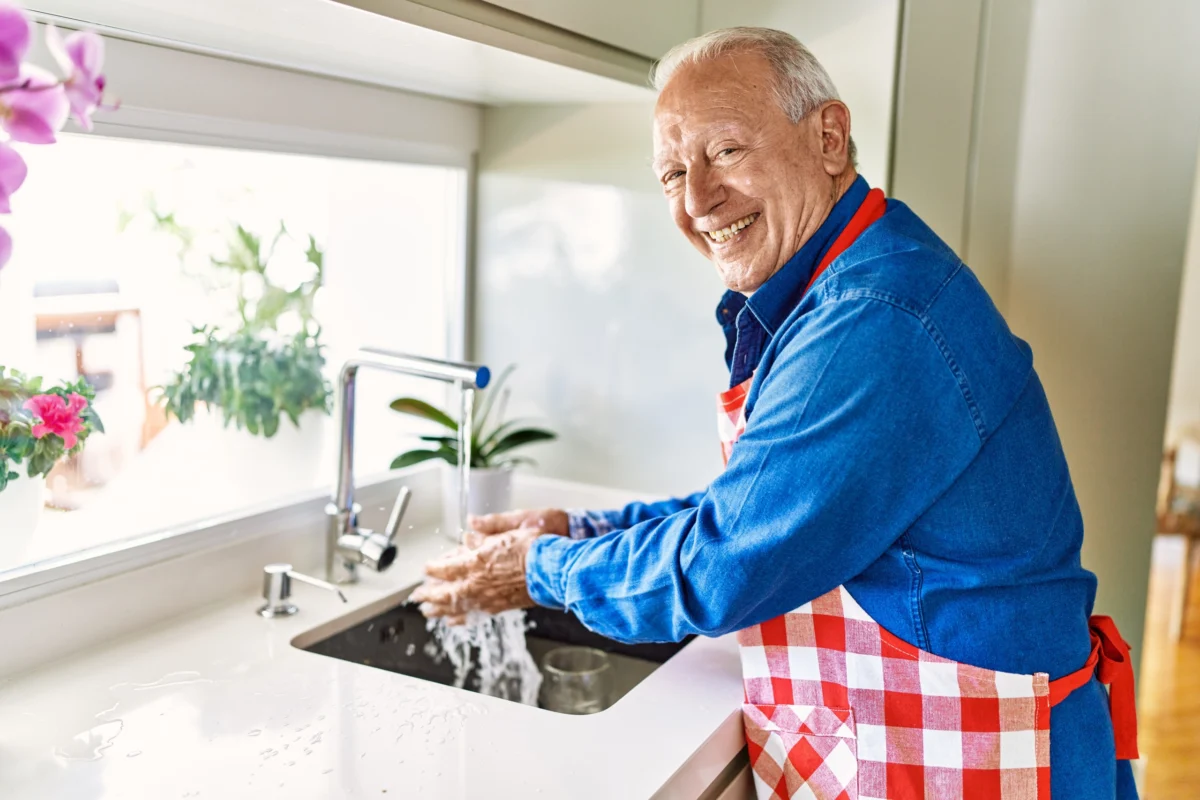
Frequent and thorough handwashing is a cornerstone of infection prevention.

- When to Wash: Hands should be washed diligently, particularly:
- Before preparing or eating food.
- After using the restroom.
- After coughing, sneezing, or blowing one’s nose.
- After returning home from public places.
- After contact with shared surfaces.
- How to Wash: The recommended method involves using soap and water, lathering for at least 20 seconds, ensuring all surfaces of the hands are covered, and rinsing thoroughly.
- Hand Sanitizer Alternative: When soap and water are not readily available, an alcohol-based hand sanitizer containing at least 60% alcohol can be used as an effective alternative.
Environmental Cleanliness: Minimizing Transmission
Regular cleaning and disinfection of frequently touched surfaces can significantly reduce the presence of viruses in shared spaces.
- High-Touch Surfaces: Focus on areas that are commonly accessed by multiple individuals, including:
- Doorknobs and handles.
- Light switches.
- Countertops and tables.
- Remote controls.
- Keyboards and mobile phones.
- Disinfecting Agents: Utilize household disinfectants that are effective against viruses. Follow product instructions carefully for proper application and contact time.
Prioritizing Rest: Fueling the Immune System
Adequate rest plays a pivotal role in supporting a robust immune system, enabling the body to effectively defend against pathogens. This is particularly crucial during the demanding holiday season, which often involves travel and extended social engagements.
The Importance of Sleep
- Sleep Schedule Consistency: Maintaining a regular sleep schedule, even on weekends, helps regulate the body’s natural circadian rhythms and supports optimal immune function. Aiming for 7-9 hours of quality sleep per night is generally recommended for adults.
- Pre-Holiday Preparation: Prioritizing rest in the weeks leading up to the holidays can build resilience and better prepare the body for potential increased exposure to stressors and viruses.
- During and After Celebrations: Even during busy holiday periods, making an effort to stick to a consistent sleep routine as much as possible can mitigate the effects of sleep deprivation on the immune system.
Travel Considerations
For those traveling to celebrate the holidays, additional attention to rest is warranted.
- Adjusting to Time Zones: If traveling across time zones, gradually adjust your sleep schedule in the days leading up to your trip to minimize jet lag.
- Creating a Restful Environment: Upon arrival, prioritize creating a conducive sleep environment, ensuring the room is dark, quiet, and at a comfortable temperature.
- Avoiding Over-Scheduling: While it’s tempting to pack in as many activities as possible, be mindful of not over-scheduling and allowing ample time for rest and recovery.
Recognizing and Responding to Illness: Prompt Action is Key
Despite best efforts, it is possible to contract a respiratory illness. Early recognition and prompt action are crucial for managing symptoms, preventing spread, and accessing timely treatment.
Early Symptom Recognition
Familiarize yourself with the common symptoms of influenza, COVID-19, and RSV, which can include:
- Fever or chills
- Cough
- Shortness of breath or difficulty breathing
- Fatigue
- Muscle or body aches
- Headache
- Sore throat
- Congestion or runny nose
- Vomiting and diarrhea (more common in children, but can occur in adults)
Testing for Confirmation
If you experience symptoms suggestive of a respiratory virus, prompt testing is recommended.
- Home Testing: Rapid influenza and COVID-19 tests are readily available at pharmacies and can provide quick results, allowing for immediate self-isolation and informed decision-making.
- Clinical Testing: Healthcare professionals can administer more comprehensive diagnostic tests and provide guidance based on the results.
Seeking Medical Advice and Treatment
- Early Intervention: For certain respiratory viruses, antiviral treatments are available and are most effective when initiated soon after symptom onset. Contacting a healthcare provider promptly upon developing symptoms is essential to discuss potential treatment options.
- Communicating with Healthcare Providers: Be prepared to provide your healthcare provider with a detailed account of your symptoms, any known exposures, and your vaccination status. This information will aid in accurate diagnosis and appropriate management.
- Following Medical Guidance: Adhere strictly to the treatment plan and recommendations provided by your healthcare professional. This may include rest, hydration, prescribed medications, and isolation to prevent further transmission.
Resources for Further Information and Support
The Alliance for Aging Research and other reputable health organizations are committed to providing accessible and reliable information to support the health and well-being of older adults.
Educational Resources
- "Back to Basics" Video Series: The Alliance offers an informative video series designed to answer common questions about vaccines, empowering individuals with knowledge to make informed health decisions.
- Online Information Hubs: Websites such as AgingResearch.org offer a wealth of resources on various health topics relevant to older adults, including disease prevention, healthy aging, and access to care. The specific resource mentioned, AgingResearch.org/OurBestShot, is dedicated to providing comprehensive information on vaccination.
Expert Insights
Katrin Werner-Perez, Director of Health Programs at the Alliance for Aging Research, emphasizes the importance of proactive health measures. Her expertise underscores the organization’s commitment to advocating for and supporting the health of older adults.
Conclusion: Embracing the Holidays with Health and Joy
The holiday season offers invaluable opportunities for connection, celebration, and creating lasting memories. By embracing a proactive approach to health, prioritizing vaccinations, adhering to good hygiene practices, ensuring adequate rest, and seeking timely medical attention when needed, older adults can significantly reduce their risk of illness and fully immerse themselves in the joy and warmth of this special time of year. This commitment to well-being not only safeguards individual health but also contributes to the collective health and happiness of families and communities. Remember, a healthy holiday season is a happy holiday season.

