
In the rapidly evolving landscape of metabolic health, the treatment of obesity has transitioned from traditional lifestyle interventions to a sophisticated combination of high-efficacy pharmacotherapy and digital integration. As a new generation of medications—specifically GLP-1 receptor agonists—redefines the clinical approach to weight management, a secondary market of digital tools has emerged to support patients. These "prescription companion apps" promise to revolutionize adherence and symptom management.
n
However, the rapid proliferation of these tools has outpaced both regulatory frameworks and our understanding of patient preferences. Recently, the Obesity Action Coalition (OAC) released a landmark study detailing what patients actually require from these digital interfaces. This research arrives at a critical juncture, coinciding with new final guidance from the U.S. Food and Drug Administration (FDA) regarding the use of software in conjunction with prescription drugs. Together, these developments signal a pivotal shift toward a more regulated, patient-centric digital health ecosystem.
n
Main Facts: The Intersection of Software and Specialized Medicine
n
The core of the current discussion revolves around the concept of Prescription Drug-Use-Related Software (PDURS). These are digital applications designed specifically to be used alongside a particular medication. In the context of obesity, where treatment regimens can be complex and side effects significant, these apps serve several functions:
n
- n
- Adherence Monitoring: Reminding patients when to administer injections or take oral doses.
- Symptom Tracking: Allowing patients to log gastrointestinal side effects or metabolic changes.
- Educational Support: Providing clear, manufacturer-vetted instructions on titration and administration.
- Data Integration: Facilitating the sharing of real-world health data with clinical care teams.
n
n
n
n
n
The OAC’s research, which surveyed a diverse group of 133 adults, reveals a significant demand for these tools, but with a caveat: patients are not looking for "more" technology; they are looking for "better" technology. The data suggests that while digital tools can bridge the gap between doctor visits, they must be built on a foundation of transparency, privacy, and clinical utility.
n
Chronology: The Road to Regulated Digital Health
n
The integration of software into prescription medicine has been a decade-long journey, but the last three years have seen an unprecedented acceleration.
n
2021–2023: The GLP-1 ExplosionnThe surge in popularity of medications like semaglutide and tirzepatide created a vacuum. Patients navigating these powerful medications often found themselves turning to unofficial third-party apps or social media for advice on managing side effects and dosage schedules.
n
Late 2023 – Early 2025: Regulatory Catch-upnRecognizing that software was becoming an intrinsic part of the "drug experience," the FDA began drafting more stringent frameworks. The goal was to distinguish between general wellness apps (like calorie counters) and apps that provide specific medical guidance tied to a drug’s labeling.
n
October 20, 2026: The Issuance of Final FDA GuidancenIn a move that clarified the regulatory landscape, the FDA issued its final guidance on software used with prescription drugs. This document established how the agency would categorize and monitor these tools. Crucially, it clarified that software intended to be used with a specific drug could, in certain cases, be considered part of the drug’s "labeling," bringing it under much stricter oversight.
n
Present Day: The OAC Research ReleasenFollowing the FDA’s announcement, the OAC released its findings to ensure that as manufacturers scramble to comply with new regulations, they do not lose sight of the end-user: the patient. The OAC’s data serves as a roadmap for how developers should interpret the FDA’s technical requirements through the lens of human experience.
n
Supporting Data: What Patients Demand from Digital Companions
n
The OAC’s survey of 133 adults provides a granular look at the expectations of the modern patient. The findings highlight four primary pillars of concern: Clarity, Privacy, Control, and Credibility.
n
1. The Need for Clinical Clarity (90%)
n
Ninety percent of respondents identified clear medication instructions as their top priority. Obesity medications, particularly injectables, often involve complex titration schedules where the dose increases every four weeks. Patients expressed a desire for apps that eliminate the "guesswork" of administration, providing high-fidelity visual guides and troubleshooting for missed doses.
n
2. The Privacy Paradox (89%)
n
Nearly nine out of ten patients (89%) demanded a clear explanation of data privacy. Obesity remains a highly stigmatized condition. Patients are acutely aware that their health data—including their weight, their use of specific medications, and their side-effect profile—is sensitive information. The research indicates that patients are hesitant to use apps that do not explicitly state how their data is encrypted and whether it is being sold to third-party advertisers or insurance providers.
n
3. Granular Control Over Data Sharing (89%)
n
A matching 89% of participants emphasized the importance of "choice." While the ability to share health updates with a doctor is a key feature of companion apps, patients want to be the "gatekeepers" of that data. They want the ability to toggle what information is shared and when, rather than having an app that automatically broadcasts every logged symptom to a clinical portal.
n
4. The Weight of FDA Oversight (86%)
Perhaps the most telling statistic is that 86% of patients stated that FDA review would influence their decision to use an app. This suggests that the "Wild West" era of health apps is coming to an end. Patients are increasingly savvy; they recognize that an app endorsed or reviewed by a regulatory body carries a higher standard of safety and accuracy than a generic tool found in an app store.
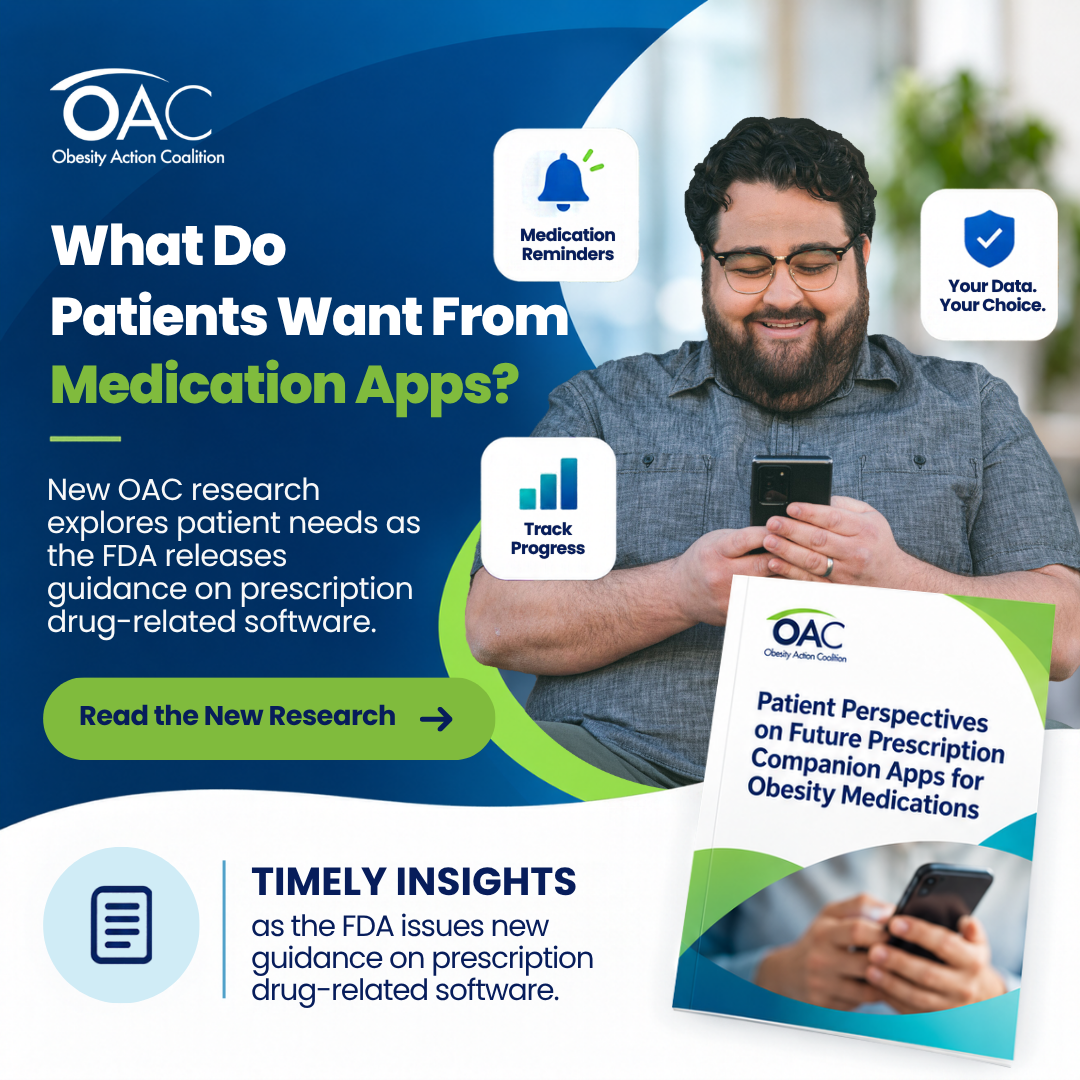
The "App Fatigue" Factor
Beyond the percentages, the qualitative data revealed a significant hurdle: "App Fatigue." Many respondents expressed concern about "too many alerts" and "too much tracking." For these patients, an app that requires constant manual input or sends frequent push notifications becomes a source of stress rather than a tool for health. This highlights a need for passive data collection (such as syncing with wearable devices) and "minimalist" UI design.
Official Responses: Aligning Industry and Regulation
The reaction to these findings has been a mix of cautious optimism and a call for higher standards across the pharmaceutical and tech sectors.
The FDA’s Stance
The FDA’s guidance focuses on the "intended use" of the software. If a drug manufacturer provides an app that gives specific instructions on how to use their medication, that app is now subject to the same rigorous standards as the printed package insert. The FDA’s goal is to ensure that the information provided digitally is consistent with the drug’s FDA-approved labeling, thereby preventing "off-label" promotion through digital backchannels.
The Obesity Action Coalition (OAC) Perspective
The OAC has taken a firm stance on the necessity of patient-first design. "New technology can offer helpful features, but those features should fit the needs of the people using them," the organization stated. The OAC argues that for an app to be successful, it must reduce the "burden of care" rather than increase it. They are calling for developers to involve patient advocates in the early stages of app design to ensure the interface addresses the real-world challenges of living with obesity.
Industry Implications
Pharmaceutical companies are now at a crossroads. To meet the FDA’s new guidance and the OAC’s patient-driven metrics, they must move beyond "marketing apps" and toward "clinical companion tools." This requires significant investment in cybersecurity, user experience (UX) design, and regulatory compliance.
Implications: The Future of Digital Obesity Care
The convergence of the OAC’s research and the FDA’s guidance has profound implications for the future of chronic disease management.
1. The Rise of "Software as a Medical Device" (SaMD)
We are likely to see more obesity-related apps seeking formal FDA clearance. As 86% of patients value this oversight, "FDA-cleared" will become a powerful marketing tool and a badge of trust. This will likely lead to a consolidation of the market, where a few high-quality, regulated apps replace dozens of unverified ones.
2. Strengthening the Patient-Provider Relationship
By providing patients with a tool to track side effects and adherence accurately, companion apps can make office visits more productive. Instead of relying on a patient’s memory of the last three months, a physician can review a digital log of objective data. However, this only works if the OAC’s finding—that patients want control over this data—is respected.
3. Addressing Health Equity
As digital tools become a standard part of obesity care, there is a risk of a "digital divide." The OAC research underscores that apps must be accessible. This means they must be easy to use for those who are not "tech-savvy" and functional on older smartphone models, ensuring that the benefits of digital health are not restricted to a privileged few.
4. Privacy as a Clinical Requirement
The 89% of patients demanding privacy transparency sends a clear message to the industry: data security is no longer just a legal requirement; it is a clinical one. If a patient does not trust an app, they will not use it, or they will provide inaccurate data, which undermines the entire purpose of the digital companion.
Conclusion: A New Standard for Care
The research provided by the Obesity Action Coalition serves as a vital reminder that in the rush to digitize healthcare, the human element remains paramount. The FDA’s new guidance provides the necessary legal guardrails, but it is the patient’s voice that must provide the direction.
The future of obesity care is not just about the molecule in the syringe; it is about the ecosystem of support that surrounds the patient. For digital companion apps to fulfill their promise, they must be more than just trackers—they must be trusted partners in a patient’s journey toward better health. As we move forward, the success of these tools will be measured not by their technical complexity, but by how well they listen to the 133 voices in the OAC’s survey, and the millions more they represent.
For those interested in the full scope of the findings, the OAC has made the complete research report available to the public, providing a blueprint for the next generation of digital health tools.

