
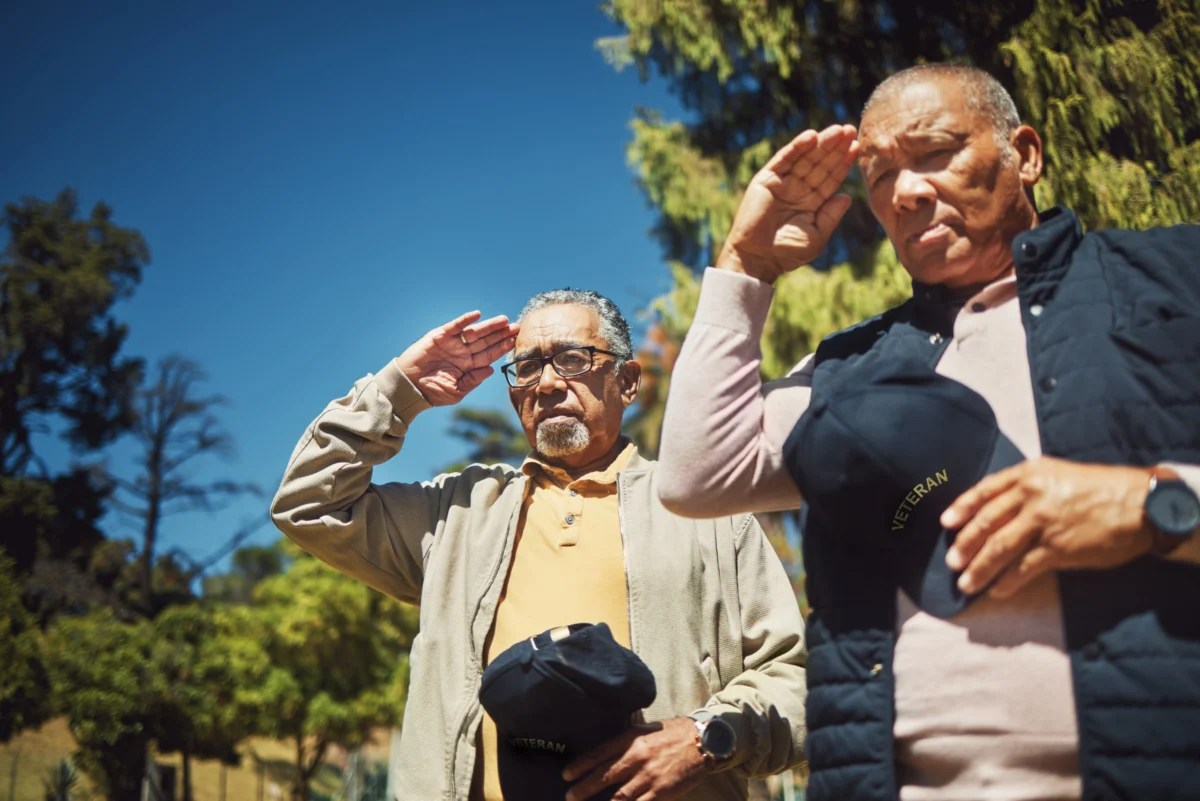
November 11th marks a solemn occasion for the United States: Veterans Day. It is a day dedicated to recognizing the profound contributions and sacrifices of the millions of men and women who have donned the uniform of the U.S. Armed Forces. Beyond the parades and ceremonies, this day presents a critical opportunity to reflect on the unique challenges faced by our veteran population, particularly as they navigate the complexities of aging. With nearly half of all U.S. veterans now aged 65 and older, understanding and addressing their specific health and wellness needs is paramount.
n
The nearly 16 million veterans residing in the United States represent a vital segment of our society, individuals whose service has fundamentally shaped the freedoms and future of our nation. This Veterans Day, we delve deeper into the landscape of veteran health, focusing on the critical intersection of military service and the aging process. The Alliance for Aging Research is committed to promoting healthy aging and ensuring equitable access to care for all, and this year, we are spotlighting essential resources and considerations for older veterans as they transition into and embrace their post-service lives.
n
The Evolving Demographics of Veteranhood: A Growing Older Population
n
The demographic shift within the veteran community is undeniable. As of recent estimates, a significant portion of the nearly 16 million living U.S. veterans are now over the age of 65. This translates to over 8 million older adults who may encounter a distinct set of challenges impacting their journey towards healthy aging. These challenges are often inextricably linked to their military experiences, encompassing a range of physical and mental health conditions that may manifest or be exacerbated later in life.
n
This profound demographic reality underscores the urgency of tailored support systems and accessible healthcare solutions. The physical and psychological tolls of military service, whether through combat exposure, demanding training regimens, or the inherent stresses of military life, can have long-term repercussions. These can include chronic pain, mobility issues, hearing and vision impairments, and a higher prevalence of mental health conditions such as Post-Traumatic Stress Disorder (PTSD), depression, and anxiety.
n
Addressing the Spectrum of Veteran Health Needs: A Multifaceted Approach
n
The journey of a veteran does not end with their discharge; it evolves. As veterans age, their healthcare needs become more complex, often requiring a nuanced understanding of service-connected conditions and the aging process. The Alliance for Aging Research, in its unwavering commitment to advancing healthy aging and ensuring equitable access to care, recognizes the critical importance of providing veterans with the knowledge and resources they need to thrive.
n
Mental Health: A Cornerstone of Well-being
n
Mental health remains a central pillar of the Alliance’s mission, and this is particularly crucial for our veteran population. The experiences of military service can leave lasting mental scars, and early intervention and ongoing support are vital. The Alliance has developed a robust suite of educational materials and resources designed to shed light on prevalent mental health concerns.
n
Educational Initiatives and Support:nOur ongoing release of educational films aims to demystify conditions such as Alzheimer’s disease, providing clear insights into symptoms, risk factors, and potential avenues for support. These films are crucial for both veterans and their families, fostering understanding and encouraging proactive health management.
n
Furthermore, comprehensive guides offering practical advice on navigating the complexities of depression and preventing suicide in older adults are readily available. These resources provide actionable tips for recognizing the signs of depression, initiating difficult but necessary conversations, and seeking professional help. The aim is to empower veterans and their support networks with the knowledge to address mental health challenges head-on.
n
The U.S. Department of Veterans Affairs (VA): A Comprehensive Network of Care
n
The U.S. Department of Veterans Affairs (VA) stands as a critical provider of specialized care for veterans. Their robust Geriatric and Extended Care services offer a holistic approach to veteran well-being, encompassing a wide array of programs designed to support healthy aging. These services extend beyond traditional medical interventions, focusing on:
n
- n
- Fitness and Rehabilitation: Programs designed to maintain physical strength, improve mobility, and aid in recovery from injuries or chronic conditions. This can include physical therapy, occupational therapy, and specialized exercise regimens tailored to the needs of older adults.
- Brain Health: Initiatives focused on cognitive function, memory enhancement, and the prevention or management of neurodegenerative diseases. This acknowledges the potential impact of service-related stress and trauma on cognitive health.
- Holistic Well-being: The VA’s approach emphasizes a comprehensive understanding of a veteran’s needs, integrating physical, mental, and social aspects of well-being. This ensures that veterans receive care that addresses their unique circumstances and promotes a high quality of life.
n
n
n
n
These comprehensive resources from the VA provide veterans with everything they need to understand and manage their well-being throughout their lives, particularly in their later years.
n
Preventive Care: The Foundation for Long-Term Health
n
Preventive care is not merely a recommendation; it is a fundamental strategy for achieving better health outcomes. By identifying potential health concerns early, individuals can mitigate the risk of developing serious conditions or manage existing ones more effectively. For military veterans, this emphasis on preventive care is amplified.
n
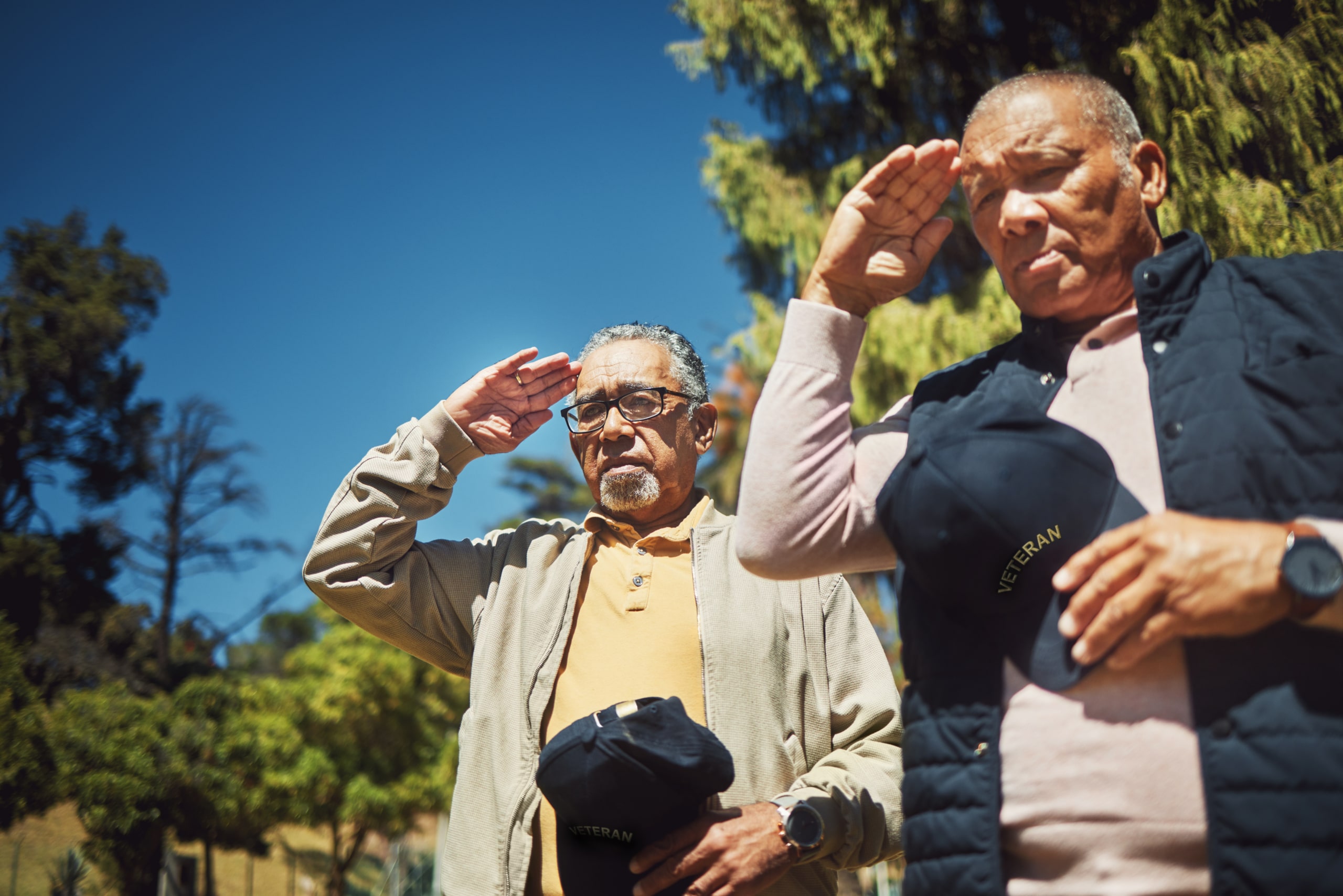
Understanding Service-Connected Health Risks:nMany health conditions associated with military service may not emerge until years or even decades after a veteran has left active duty. This latent manifestation underscores the paramount importance of regular screenings, comprehensive check-ups, and proactive health monitoring. Early detection can significantly improve treatment outcomes and enhance the overall quality of life.
n
Medicare and Preventive Services:nFor veterans who are also Medicare beneficiaries, understanding the scope of covered preventive services is crucial. The Alliance for Aging Research offers valuable resources like "Wellness Wisdom: A Guide to Preventive and Screening Services Covered by Medicare." This guide provides essential details on:
n
- n
- Annual Wellness Visits: Detailing the importance of these yearly check-ups, which are designed to create or update a personalized prevention plan.
- Covered Screenings: Outlining the various screenings covered by Medicare, including those for chronic diseases, cancer, and infectious diseases.
- Preparing for Appointments: Offering practical advice on how veterans can best prepare for their doctor’s appointments, ensuring they receive the most benefit from their visits.
- Cost of Preventive Services: Clarifying the costs associated with these services, empowering veterans to make informed decisions about their healthcare.
- Vision and Cognitive Screening: Highlighting the importance of regular vision and cognitive assessments, which can be critical for early detection of age-related impairments and conditions like dementia.
n
n
By leveraging these resources, veterans can become active participants in their own healthcare, ensuring they receive the preventive care necessary to maintain their health and independence.
Maintaining Physical Strength and Vitality: Combating Age-Related Decline
The association between military service and physical prowess is well-established. Many veterans have dedicated years to rigorous physical conditioning, a testament to their discipline and commitment. However, the natural aging process brings its own set of challenges, notably the gradual loss of muscle mass, a condition known as sarcopenia.
The Challenge of Sarcopenia:
Sarcopenia, characterized by the progressive loss of skeletal muscle mass and strength, becomes increasingly common with age. This decline can impact mobility, increase the risk of falls and injuries, and diminish overall functional independence. For veterans, maintaining muscle health is particularly important as they adapt to lifestyle changes after service.
Proactive Strategies for Muscle Health:
Retirement from military service does not mean an end to prioritizing physical fitness. In fact, it presents an opportunity to adapt fitness routines to support continued strength and vitality. Key strategies for maintaining muscle health in later life include:
- Strength Training: Regular engagement in resistance exercises is crucial for stimulating muscle protein synthesis and counteracting muscle loss. This can include weightlifting, bodyweight exercises, and resistance band training.
- Adequate Protein Intake: Ensuring sufficient protein consumption is vital for muscle repair and growth. Nutritional guidance can help veterans optimize their dietary intake to support muscle health.
- Balanced Nutrition: A diet rich in essential vitamins and minerals supports overall health and can contribute to muscle function.
- Regular Physical Activity: Beyond strength training, engaging in aerobic exercises and activities that promote flexibility and balance further contributes to overall physical well-being and reduces the risk of falls.
The Alliance for Aging Research’s work on "Aging in Motion 3" underscores the importance of staying active and healthy throughout the lifespan, offering insights and recommendations for maintaining physical function and independence.
A Pledge of Gratitude and Commitment
This Veterans Day, the Alliance for Aging Research extends its deepest gratitude to all those who have bravely served our nation. We honor not only the veterans themselves but also their families and loved ones who have provided unwavering support throughout their service. The courage, resilience, and dedication displayed by our veterans are truly inspiring, and we are profoundly committed to advancing their right to healthy aging.
Our mission is to ensure that every veteran has the opportunity to live a long, healthy, and fulfilling life. This involves continuing to advocate for improved access to healthcare, promoting research into age-related diseases, and developing resources that empower veterans to take charge of their well-being.
Looking Ahead: Continuing the Conversation
The challenges faced by aging veterans are multifaceted and require ongoing attention and dedicated solutions. As we celebrate Veterans Day, let us recommit ourselves to understanding and addressing these needs. By fostering collaboration between government agencies, research institutions, non-profit organizations, and community support networks, we can create a more robust and supportive ecosystem for our nation’s heroes.
The journey of healthy aging for veterans is a testament to their enduring strength and resilience. It is our collective responsibility to ensure that this journey is supported, celebrated, and ultimately, successful. Join us in saluting our older veterans and in continuing the vital work of ensuring their well-being for years to come.
Matthew Thompson is the Digital Communications Manager for the Alliance for Aging Research. His work focuses on disseminating vital information and resources to promote healthy aging and support vulnerable populations.

