
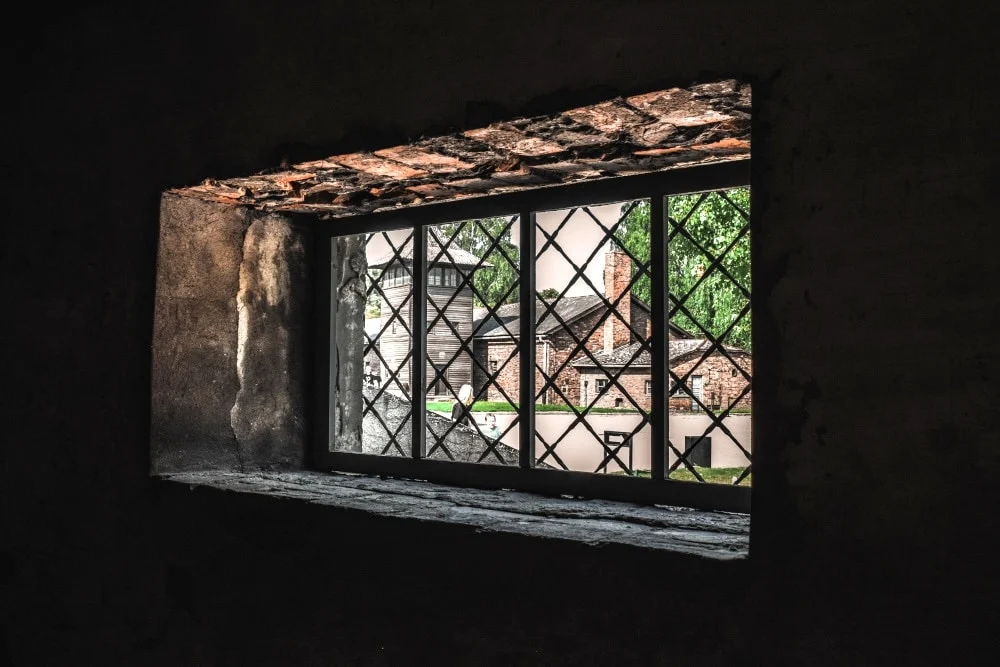
The landscape of adolescent addiction treatment in the mid-2020s presents a stark paradox: while the prevalence of substance misuse among young women is rising, the infrastructure of residential rehabilitation remains disproportionately occupied by young men. This imbalance, coupled with the staggering financial and social costs of "getting clean," has created a system where the path to recovery is often determined more by gender and socioeconomic status than by medical necessity.
n
As of 2026, the addiction treatment industry faces a reckoning. The traditional model of residential rehab—often described as an uneasy hybrid of a college dormitory and a clinical hospital—remains out of reach for the vast majority of families. For those who do secure a placement, the journey is fraught with physiological agony and the looming shadow of a potential relapse that is more dangerous than the initial addiction.
n
Main Facts: The Current State of Adolescent Recovery
n
The reality of residential rehabilitation is one of high stakes and limited access. For most "hardcore" addicts, the opportunity to enter a structured, inpatient program is a statistical rarity. The primary barriers remain cost and availability. Private residential programs can cost tens of thousands of dollars per month, forcing parents to make agonizing financial sacrifices.
n
Beyond the financial burden lies a deep-seated social stigma. Historically, families went to great lengths to hide "shameful" secrets—such as a daughter’s unplanned pregnancy. Today, that same culture of secrecy surrounds teen addiction. Parents often frame a child’s absence as a "long visit to a relative" or an "extended study abroad trip" to avoid the perceived disgrace of having a child in "rehab."
n
However, the most startling fact to emerge from recent data is the gender divide in treatment. Despite evidence suggesting that teenage girls are now misusing prescription opioids and stimulants at higher rates than their male counterparts, they represent a minority in treatment facilities. This "treatment gap" suggests a systemic failure to identify and address the specific needs of young women in the grip of the opioid crisis.
n
Chronology: The Evolution of the Rehab Model
n
To understand the current crisis, one must look at the evolution of how society handles substance use disorders:
n
The Era of "The Secret" (Pre-1990s)
n
Addiction was largely viewed as a moral failing rather than a chronic brain disease. Families focused on concealment. Residential programs were scarce and often operated with little clinical oversight, focusing primarily on alcohol.
n
The Rise of the Residential Model (1990s–2010s)
n
As the "War on Drugs" intensified, the "Minnesota Model" and other 28-day residential programs became the gold standard. These programs began to transition from purely 12-step peer support to incorporating more medical and psychiatric care. However, the cost began to skyrocket, turning recovery into a luxury commodity.
n
The Prescription Pivot (2015–2023)
n
The opioid epidemic shifted the focus from illicit "street drugs" to prescription medications. By 2023, data began to show a significant shift in adolescent usage patterns. While marijuana remained the most common substance cited at admission, the misuse of prescription pills among girls began to outpace boys.
n
The Modern Dilemma (2024–2026)
n
Today, the "one size fits all" approach is being challenged. Professionals recognize that withdrawal from modern synthetic drugs requires more intensive medical intervention than the alcohol-centric models of the past. Yet, as the medical complexity increases, the gender gap in admissions remains stubbornly wide.
n
Supporting Data: Analyzing the 2023-2025 Metrics
n
Recent statistics provide a clear, if troubling, picture of who is receiving help and for what substances. According to data compiled in late 2023 and updated through 2025, the demographics of youth addiction treatment are heavily skewed.
n
Admission Demographics
n
In 2023, male youth accounted for 61.4% of all residential treatment admissions. Female youth, despite their higher rates of prescription drug misuse, made up only 38.5% of admissions.
n
Primary Substances at Admission
n
The substances leading adolescents to seek help (or be forced into help by parents and the court system) are categorized as follows:
n
- n
- Marijuana or Hashish: 62.6% (The leading cause of admission).
- Alcohol: 7.5%.
- Unspecified/Other: 21.3%.
n
n
n
n
The Gender/Substance Paradox
n
The most critical data point for policymakers is the "Usage vs. Treatment" gap. Research indicates that girls between the ages of 12 and 17 are significantly more likely to misuse prescription opioids and stimulants than boys. The fact that they represent less than 40% of rehab admissions suggests that girls are either better at hiding their addiction, or society—and parents—are less likely to intervene with the same level of financial and emotional intensity as they do for boys.
n
Official Responses and Sociological Perspectives
Sociologists and medical writers have begun to dissect why this gender disparity exists. One prevailing theory is based on the "Future Provider" assumption. Historically, parents may be more willing to make extreme financial sacrifices to "save" a son, under the sociological assumption that males must be functional to hold down future jobs and support families.
Anna-Grace Washington, a prominent medical writer specializing in recovery, notes that the lack of gender-specific care also plays a role. "Residential rehab was not an exact science to begin with," Washington argues. "It was developed to service alcoholics, but the biological and psychological profile of a 15-year-old girl addicted to OxyContin is vastly different from the traditional patient profile."
Health officials also point to the grueling nature of the withdrawal process as a deterrent. The clinical reality of "getting clean" is far from the sanitized versions seen in popular media. Experts list a harrowing array of symptoms that patients must endure during the initial detox phase:
- Gastrointestinal Distress: Nausea, vomiting, diarrhea, and abdominal cramps.
- Neurological/Psychological: Hallucinations, panic attacks, insomnia, and intense irritability.
- Systemic Physical Strain: Heart palpitations, racing heartbeat, tremors, and in extreme cases, stroke.
Officials warn that without a medicalized approach to these symptoms, the "cold turkey" or "tough love" approach favored by some older residential models can be life-threatening.
Implications: The Long-Term Challenge of Sobriety
The most dangerous phase of recovery is often the moment a patient is deemed "clean." There is a phenomenon known as the "Optimistic Opportunist" effect. A young addict may endure the agony of withdrawal and the cost of rehab not as a gateway to permanent sobriety, but as a "system reset."
The Relapse Paradox
When a patient completes a residential program, their physical tolerance for the drug is at its lowest point in years. If that individual returns to the street and attempts to use the same dosage they were using before entering rehab, the result is frequently a fatal overdose. The "clean" body is no longer equipped to handle the toxicity it once tolerated.
The "Rest of Your Life" Problem
While the physical withdrawal lasts a few weeks, the psychological and behavioral challenges are lifelong. The true difficulty of recovery is not the curtain-raiser of detox, but the "decades spent avoiding that drug and all other potentially addictive substances."
The Future of Policy
As we move further into 2026, the implications for public health are clear:
- Closing the Gender Gap: Outreach programs must specifically target young women, recognizing that their addiction often hides behind "legitimate" prescriptions.
- Affordability: If residential rehab remains a luxury for the wealthy, the cycle of addiction and incarceration for the lower classes will only accelerate.
- Beyond the "Dorm" Model: Treatment must evolve from simple "housing" to sophisticated medical intervention that accounts for the unique body compositions and substance profiles of modern youth.
In conclusion, while the bars on a prison window (as seen in the accompanying imagery) represent the ultimate failure of the system, the "barred windows" of an expensive, inaccessible, and gender-biased rehab system represent a more subtle, but equally tragic, failure. Recovery should not be a privilege of gender or wealth; it must become a standard of care accessible to every adolescent in need.
Sources:
- “The Differences In Addiction Between Men And Women,” AddictionCenter.com, December 19, 2025.
- “Is teen drug and alcohol use declining?,” USAFacts.org, June 18, 2026.
- “What is the Addiction Treatment Process?,” NovaRecoveryCenter.com, October 30, 2025.

