
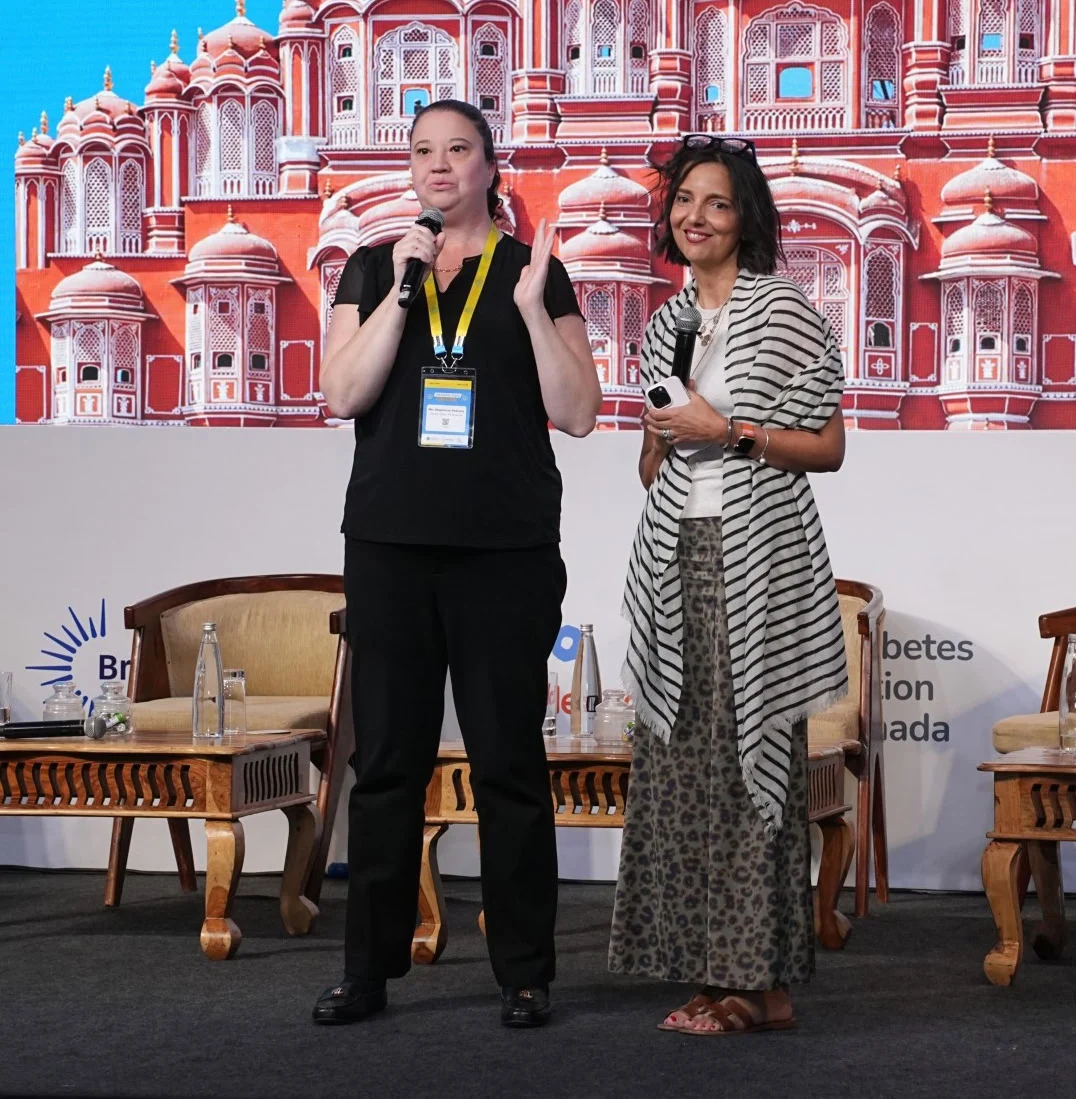
JAIPUR, INDIA – In a landmark event that marks a pivotal turning point in the global fight against metabolic disease discrimination, the inaugural Global Summit to End Diabetes Stigma convened in March 2026. Held in the historic "Pink City" of Jaipur, the summit represented the first coordinated international effort to transition from merely acknowledging the psychological burden of diabetes to constructing a systematic, evidence-based framework for its eradication.
n
Bringing together a diverse coalition of advocates, researchers, policymakers, and industry leaders, the summit sought to dismantle the pervasive "blame and shame" culture that has historically hindered diabetes care. With over 537 million people living with diabetes globally, the Jaipur gathering addressed a crisis that is often invisible but profoundly impactful: the social and systemic stigma that prevents individuals from seeking care, adhering to treatment, and living without fear of discrimination.
n
Main Facts: A Landmark Assembly of Lived Experience
n
The Global Summit to End Diabetes Stigma was not a traditional medical conference focused on glycemic indices or pharmaceutical innovations. Instead, it was a human-centric assembly defined by its commitment to the principle of "Nothing About Us Without Us."
n
Key Participation Metrics
n
The event welcomed 190 delegates representing 35 countries, showcasing a truly global cross-section of the diabetes community. Crucially, more than half of the participants were individuals living with diabetes themselves, ensuring that the "lived experience" was not just a footnote but the primary driver of the agenda.
n
The organizational structure mirrored this commitment. The 16-member Steering Committee comprised representatives from 10 different nations, with 11 members bringing their personal journeys with diabetes to the leadership table. On the opening day, a symbolic calculation revealed that the collective experience in the room exceeded 1,300 years of living with and managing the condition. This "cumulative wisdom" served as the foundational authority for the summit’s declarations.
n
Inclusivity and Access
n
To ensure that the solutions generated were not limited to high-income perspectives, Breakthrough T1D (formerly JDRF) and several industry partners funded 85 full #dedoc° travel scholarships. This initiative allowed delegates from low- and middle-income countries (LMICs)—who made up more than 60% of the scholarship recipients—to participate in a global dialogue that is often financially inaccessible. For many, this was their first time crossing international borders to advocate for their rights.
n
Chronology: From Narrative to Actionable Strategy
n
The summit was structured as a two-day intensive workshop designed to move participants through a logical progression of problem identification, evidence gathering, and solution design.
n
Day One: Deconstructing the Stigma
n
The first day was dedicated to "giving voice" to the invisible. Facilitated by Renza Scibilia, Breakthrough T1D’s Senior Director for Global Responsibility and a prominent voice in the "Language Matters" movement, the sessions allowed delegates to articulate the nuances of stigma.
n
Discussions moved beyond the surface-level hurt of unkind words to the systemic issues of "medical paternalism" and "societal blame." Participants shared accounts of being accused of "causing" their own condition—a common myth associated with Type 2 diabetes—and the subsequent isolation that follows. The morning sessions focused on the emotional and psychological toll, while the afternoon shifted toward identifying the specific environments where stigma is most toxic: healthcare settings, workplaces, schools, and digital platforms.
n
Day Two: Building the Global Roadmap
n
On the second day, the tone shifted from testimony to architecture. The goal was to translate these shared experiences into a "Global Roadmap for Action."
n
Delegates were divided into specialized working groups to tackle five key pillars:
n
- n
- Clinical Practice: Redesigning healthcare interactions to eliminate judgmental language and foster empathy.
- Public Awareness: Moving away from "fear-based" public health campaigns that inadvertently stigmatize those they intend to help.
- Policy and Legislation: Exploring how diabetes can be better integrated into international human rights frameworks and disability anti-discrimination laws.
- Workplace and Education: Creating toolkits for employers and educators to support, rather than penalize, students and staff with diabetes.
- Media Representation: Establishing standards for how news and entertainment media portray the condition.
n
n
n
n
n
n
The summit concluded with a formal commitment ceremony, where organizations and individuals pledged to carry the "Jaipur Mandate" back to their respective countries.
n
Supporting Data: The Quantitative Reality of Discrimination
n
The urgency of the Jaipur Summit was underscored by a growing body of scientific evidence. While stigma has long been discussed in patient circles, recent data has quantified its devastating impact on public health outcomes.
n
The Lancet Findings
n
A cornerstone of the summit’s evidentiary base was a landmark study published in The Lancet Diabetes & Endocrinology. The research provided staggering statistics that validated the delegates’ experiences:

n
- 80% Prevalence: Four out of five people living with diabetes report experiencing some form of diabetes-related stigma.
- 33% Discrimination Rate: One in three individuals reported experiencing direct discrimination in settings such as employment or healthcare.
The Health Impact of Stigma
Data presented at the summit highlighted that stigma is not just a social discomfort; it is a clinical barrier. Research indicates that individuals who perceive high levels of stigma are:
- More likely to have higher HbA1c levels (a measure of long-term blood sugar control).
- More prone to "diabetes burnout" and severe psychological distress.
- Less likely to use life-saving technology, such as insulin pumps or continuous glucose monitors (CGMs), in public due to fear of judgment.
By treating stigma as a social determinant of health, the summit framed the issue as a critical component of medical treatment, arguing that a person cannot successfully manage their biology if their sociology is working against them.
Official Responses: Leadership on the Global Stage
The leadership of the summit emphasized that the event was a "beginning, not a conclusion."
Renza Scibilia, acting as the summit’s emcee, articulated the paradigm shift: “We weren’t talking about people with diabetes—we were talking as people with diabetes. This distinction is vital. For too long, the ‘solutions’ to diabetes stigma were designed by people who didn’t understand the daily weight of the condition. In Jaipur, we reclaimed that narrative.”
Stephanie Pearson, representing Breakthrough T1D, noted the importance of global collaboration: “The diversity of this summit is its strength. Seeing advocates from 35 countries—from the United States to Kenya to India—realize that they share the same struggles with stigma, regardless of their healthcare system, was a powerful moment. It reinforces that stigma is a global epidemic that requires a global response.”
Representatives from the #dedoc° network highlighted the democratization of advocacy. “By providing scholarships to those in low-income regions, we ensured that the ‘Global Roadmap’ isn’t just a Western document. It is a universal one that accounts for the unique cultural stigmas found in every corner of the world.”
Implications: A New Era of Diabetes Advocacy
The long-term implications of the Jaipur Summit are expected to resonate through the global healthcare landscape for years to come. The "Roadmap for Action" co-designed during the event is now being refined into a series of white papers and policy recommendations to be presented to the World Health Organization (WHO) and other international bodies.
Shifting Healthcare Education
One of the most immediate implications is the push for "Language Matters" protocols to be integrated into medical school curricula worldwide. The summit argued that the way a doctor speaks to a patient—avoiding terms like "non-compliant" or "uncontrolled"—can directly influence the patient’s willingness to continue treatment.
Legal and Human Rights Frameworks
The summit also signaled a shift toward legal advocacy. By framing diabetes stigma as a violation of human rights, advocates are preparing to challenge discriminatory insurance practices and workplace policies in various jurisdictions. The Jaipur gathering provided the legal "precedent" of a unified global voice, which is essential for lobbying governments.
Cultural De-stigmatization
Perhaps most importantly, the summit has catalyzed a movement toward cultural re-education. By empowering people with diabetes to lead the conversation, the summit has moved the focus away from the "fault" of the individual and onto the "failure" of a society that misunderstands a complex medical condition.
Conclusion: The Movement Continues
As the delegates departed Jaipur, the consensus was clear: the first Global Summit to End Diabetes Stigma was a successful "proof of concept." It demonstrated that lived experience, when combined with rigorous data and international coordination, can create a formidable force for change.
The work now moves from the conference halls of India to the offices of policymakers and the clinics of healthcare providers worldwide. While no single meeting can erase centuries of misunderstanding, the Jaipur Summit has provided the world with its first comprehensive map to a future where having diabetes is no longer a source of shame, but simply a condition to be managed with dignity.
For the millions living with the condition, the message from Jaipur is one of hope and defiance: the era of silence is over, and the movement for equity has only just begun.
For more information on the outcomes of the summit and to join the movement, visit the End Diabetes Stigma website.

