
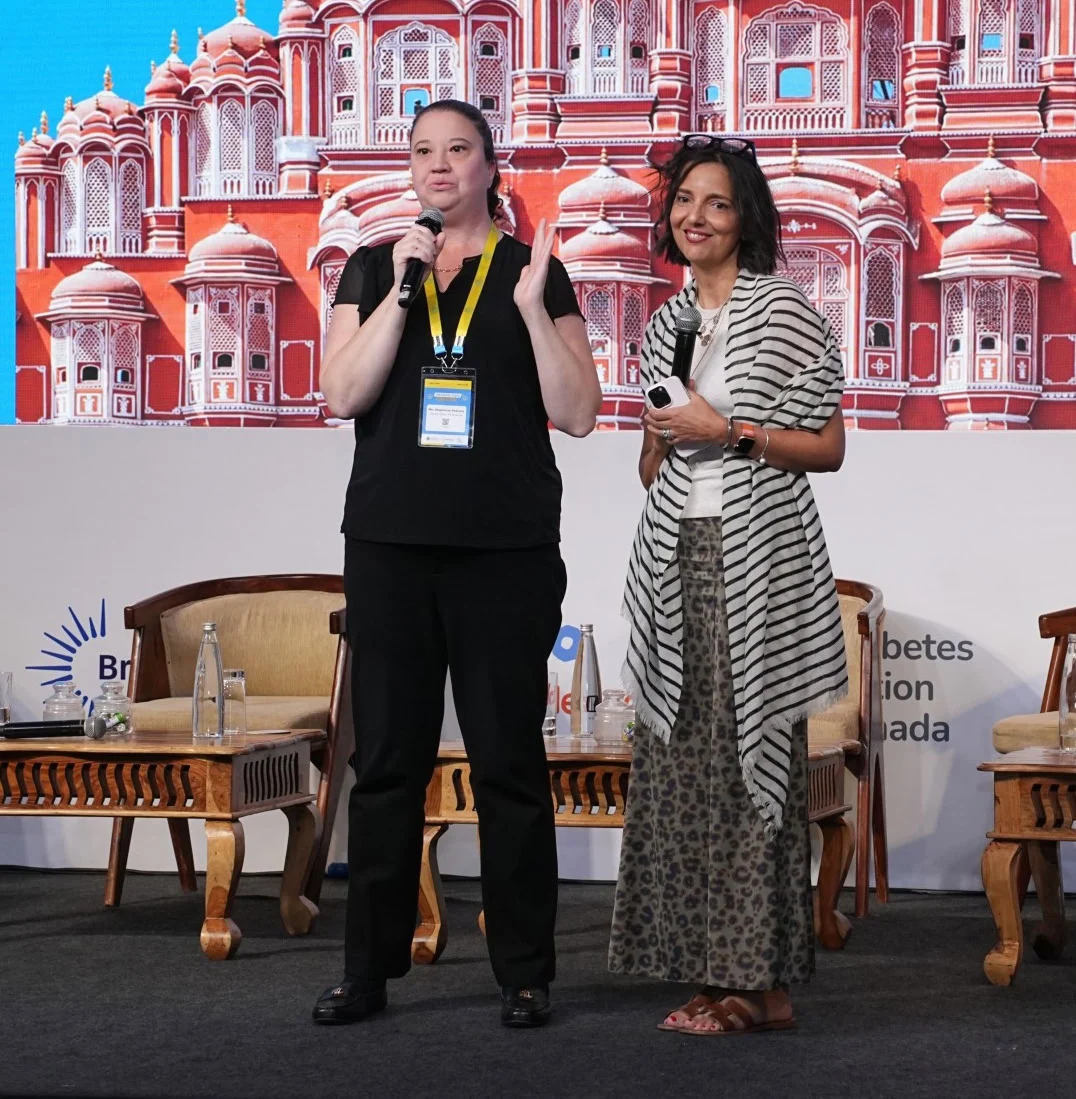
JAIPUR, INDIA — In the historic "Pink City" of Jaipur, a landmark event unfolded in March 2026 that may well be remembered as the beginning of a new era in chronic disease management. While medical conferences typically focus on molecular pathways, pharmacological breakthroughs, or technological innovations, the inaugural Global Summit to End Diabetes Stigma turned the lens toward the human experience. For the first time on a global stage, the psychological, social, and systemic prejudices facing the 537 million people living with diabetes worldwide were not just an agenda item—they were the entire agenda.
n
The summit brought together a diverse coalition of 190 delegates from 35 nations, representing a cross-section of the global diabetes community, including clinicians, researchers, policymakers, and, most importantly, those with lived experience. The gathering served as a crucible for a burgeoning movement aimed at dismantling the "blame and shame" culture that has historically hindered diabetes care and advocacy.
n
Main Facts: A Paradigm Shift in Global Health Advocacy
n
The Global Summit to End Diabetes Stigma was organized around the foundational principle of #NothingAboutUsWithoutUs. This mantra, rooted in the disability rights movements of the late 20th century, was applied here with unprecedented rigor. Unlike traditional medical summits where patients are often relegated to "testimonial" roles, this event was co-designed and led by people living with the condition.
n
A Representative Leadership
n
The organizational backbone of the summit was a 16-member Steering Committee. This body was intentionally diverse, representing 10 different countries. Crucially, 11 of the 16 members brought the "lived experience" of diabetes to the table. This ensured that the priorities of the summit were aligned with the daily realities of managing a complex, 24/7 medical condition.
n
Global Inclusivity and Accessibility
n
Recognizing that diabetes stigma manifests differently across cultural and economic landscapes, the summit prioritized the participation of delegates from low- and middle-income countries (LMICs). Through the #dedoc° travel scholarship program—funded by Breakthrough T1D (formerly JDRF) and various industry partners—85 delegates were able to attend. Nearly 90% of these scholarship recipients were people living with diabetes, and over 60% hailed from LMICs. For many, this represented their first opportunity to engage in international advocacy, bringing perspectives from regions where diabetes stigma can lead to severe social isolation or even the denial of basic human rights.
n
The Scale of Experience
n
On the summit’s opening day, an informal census revealed a staggering statistic: the participants in the room represented more than 1,300 cumulative years of "lived and loved" experience with diabetes. This collective wisdom was framed not as a burden, but as the primary expertise required to solve the stigma crisis.
n
Chronology: From Shared Stories to a Unified Roadmap
n
The two-day summit followed a deliberate trajectory, moving from the emotional weight of individual experiences to the pragmatic requirements of global policy.
n
Day One: The Weight of the Invisible Burden
n
The first day was dedicated to "witnessing." Participants engaged in facilitated sessions where they described the multifaceted nature of stigma. The conversations moved beyond mere anecdotes, categorizing stigma into three primary forms:
n
- n
- Self-stigma: The internalizing of societal prejudices, leading to feelings of guilt and failure.
- Social Stigma: Public misconceptions, such as the belief that diabetes is "caused" solely by lifestyle choices or is a form of "poetic justice" for poor behavior.
- Structural Stigma: Discrimination baked into healthcare systems, workplaces, insurance policies, and schools.
n
n
n
n
Renza Scibilia, Breakthrough T1D’s Senior Director for Global Responsibility and a prominent voice in the "Language Matters" movement, served as a primary emcee. Her leadership ensured that the dialogue remained rooted in the reality of Type 1 and Type 2 diabetes, emphasizing that while the clinical treatments differ, the sting of judgment is a shared cross-categorical burden.
n
Day Two: Building the Infrastructure for Change
n
On the second day, the focus shifted toward "solutions architecture." The 190 delegates were divided into working groups tasked with identifying "leverage points" for change. These included:
n
- n
- Healthcare Reform: Designing training modules for doctors to eliminate judgmental language during consultations.
- Media and Public Awareness: Developing guidelines for journalists and advertisers to stop using diabetes as a punchline or a cautionary tale of "gluttony."
- Policy and Human Rights: Drafting frameworks to include diabetes discrimination under existing international human rights and disability acts.
n
n
n
n
The summit concluded not with a traditional closing ceremony, but with a formal agreement to co-design a "Global Roadmap for Action." This document is intended to serve as a living blueprint for organizations worldwide to implement anti-stigma initiatives.
n
Supporting Data: The Evidence Base for Advocacy
n
The summit was not merely a social gathering; it was grounded in rigorous academic research. Central to the discussions was a landmark study published in The Lancet Diabetes & Endocrinology.
The Prevalence of Prejudice
According to The Lancet, the statistics regarding diabetes stigma are both consistent and alarming:
- Four out of five people living with diabetes report experiencing stigma.
- One out of three report experiencing direct discrimination in settings such as the workplace or healthcare facilities.
The Clinical Cost of Stigma
Research presented at the summit highlighted that stigma is a significant barrier to optimal health outcomes. When individuals feel judged by their healthcare providers, they are less likely to seek care or be honest about their struggles with glucose management. This "vicious cycle" leads to higher HbA1c levels, increased risk of complications, and severe mental health burdens, including "diabetes burnout" and clinical depression.

The Language Factor
The "Language Matters" movement provided critical data showing that words like "non-compliant," "uncontrolled," or "failing" have a measurable negative impact on patient self-efficacy. By shifting to person-first language (e.g., "a person with diabetes" rather than "a diabetic"), the summit aimed to reframe the condition as something a person has, not who they are.
Official Responses: Voices from the Vanguard
The reactions from the summit’s leadership and participants underscored a sense of historic urgency.
Renza Scibilia, Breakthrough T1D:
"We weren’t talking about people with diabetes—we were talking as people with diabetes. This shift in perspective changes everything. For too long, the ‘stigma’ conversation has been a footnote in medical journals. In Jaipur, we made it the headline. We are asserting that our lived expertise is just as vital as clinical data in defining the future of care."
Breakthrough T1D Leadership:
In an official statement, the organization reinforced its commitment to global equity: "The Summit reinforced a belief that guides our work around the world: the most meaningful progress on access, equity, and care happens when people with lived experience are not simply represented—they are trusted to lead."
Scholarship Recipients:
Delegates from the Global South noted that the summit provided a "lifeline" of solidarity. One participant from sub-Saharan Africa remarked, "In my community, diabetes is often seen as a curse. Coming here and seeing 190 people stand up and say ‘this is not your fault’ gives me the tools to go back and change the narrative in my country."
Implications: A New Frontier for Health Policy
The Jaipur summit has far-reaching implications for the global health landscape, signaling a move toward "dignity-based care."
1. The Redefinition of "Standard of Care"
In the coming years, it is expected that professional medical associations (such as the ADA and EASD) will face increasing pressure to include "stigma assessment" as a standard part of clinical guidelines. This would involve screening patients for the psychological impact of societal prejudice just as regularly as they are screened for kidney function or retinopathy.
2. Corporate Accountability
Industry sponsors of the summit—including major insulin manufacturers and tech firms—are now being held to a higher standard regarding their marketing materials. The summit’s roadmap calls for an end to advertisements that reinforce stereotypes of "laziness" or "sugar-addiction" as the sole drivers of diabetes.
3. Legal and Advocacy Frameworks
The movement is expected to pivot toward legislative halls. By framing diabetes stigma as a human rights issue, advocates are preparing to challenge discriminatory insurance practices and workplace policies that penalize employees for managing their condition during work hours.
4. Sustained Global Collaboration
Perhaps the most significant implication is the creation of a permanent, interconnected global network. The "Jaipur Momentum" has bridged the gap between well-funded advocacy groups in the West and grassroots organizations in developing nations.
Conclusion: The Movement Begins
As the delegates departed Jaipur, the consensus was clear: the summit was a beginning, not a conclusion. The conversations held within the walls of the venue have sparked a coordinated, evidence-based movement that refuses to accept stigma as an inevitable side effect of a diabetes diagnosis.
The Global Roadmap for Action, currently in its co-design phase, will be the yardstick by which future progress is measured. For the millions of people who have felt the sting of a misplaced comment or the weight of systemic exclusion, the Jaipur Summit offers more than just hope—it offers a plan. The "Pink City" has played host to many historical milestones, but for the global diabetes community, March 2026 will be remembered as the moment they stopped asking for a seat at the table and started building their own.
For more information on the outcomes of the summit and the ongoing initiatives, visit the End Diabetes Stigma website. To learn more about global advocacy efforts, visit Breakthrough T1D.

