
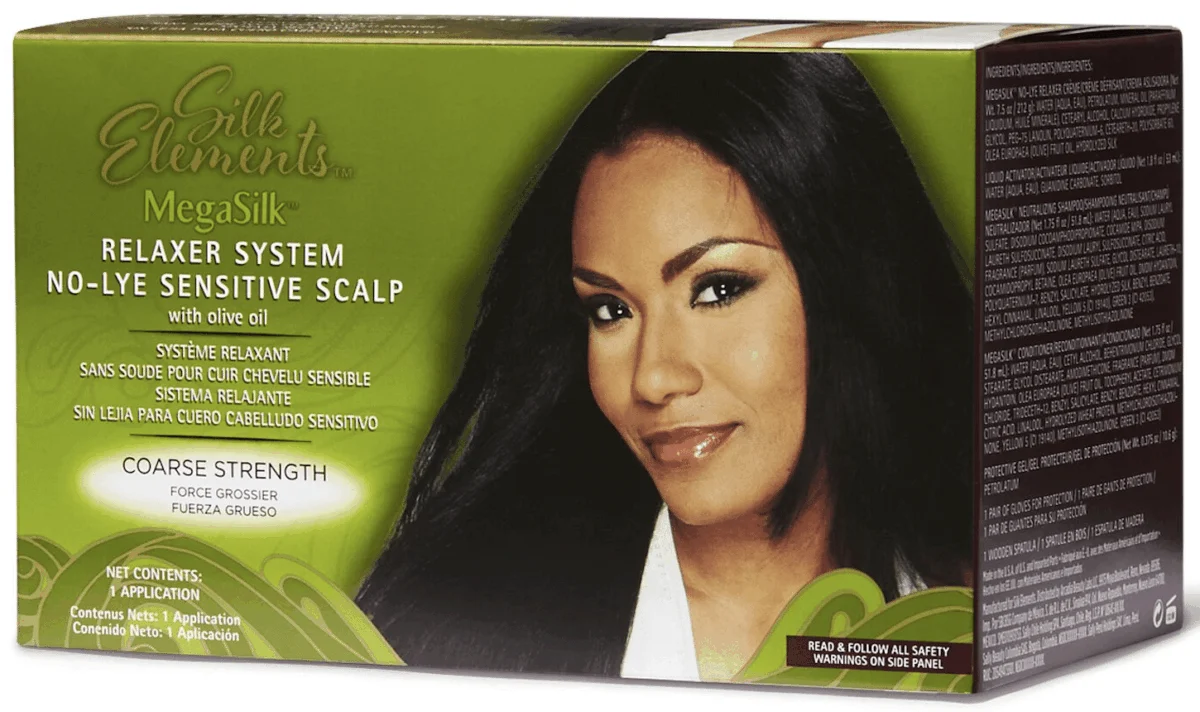
Washington D.C. – A seismic shift is underway in the beauty industry, as a wave of lawsuits targets manufacturers of chemical hair relaxers, including prominent brands like Silk Elements. At the heart of these legal challenges are serious allegations linking the frequent use of these products to an increased risk of severe health conditions, most notably various forms of cancer. Consumers across the United States are now confronting a troubling question: Did their pursuit of straightened hair come at the cost of their health?
n
For decades, chemical hair relaxers have been a staple in the beauty routines of millions, particularly within the Black community, offering a seemingly convenient way to achieve sleek, straight hairstyles. However, groundbreaking scientific research, coupled with a growing number of personal injury claims, is now casting a dark shadow over these popular products. Victims diagnosed with life-threatening illnesses are stepping forward, seeking accountability and compensation for what they allege is a profound failure by manufacturers to warn them about inherent dangers.
n
Main Facts: The Unraveling of a Beauty Secret
n
The burgeoning legal landscape surrounding chemical hair relaxers represents one of the most significant product liability crises in recent memory. Manufacturers, including those behind the widely used Silk Elements brand, are facing a deluge of lawsuits alleging that their products contain toxic chemicals that can cause cancer and other serious health issues.
n
Central to these legal actions is the assertion that hair relaxers expose users to endocrine-disrupting chemicals (EDCs) and carcinogens that, through scalp abrasions, burns, or even inhalation, can enter the bloodstream and disrupt the body’s delicate hormonal balance. This disruption, plaintiffs claim, is a direct cause of various hormone-sensitive cancers and other reproductive health problems.
n
The scientific cornerstone for many of these claims emerged dramatically in October 2022, with the publication of the National Institutes of Health (NIH) Sister Study. This landmark research delivered a stark warning: women who reported using hair relaxers at least four times a year faced a significantly elevated risk of developing uterine cancer—a staggering 150% higher risk compared to non-users. This revelation served as a potent catalyst, transforming anecdotal suspicions into scientifically backed concerns and fueling the rapid escalation of legal proceedings.
n
The legal strategy involves a two-pronged approach: individual personal injury lawsuits, which seek significant financial compensation for cancer victims and those suffering from severe side effects, and class action lawsuits. It is crucial for affected individuals to understand the distinction: while class action suits may address broader issues like medical monitoring or economic damages for un-warned consumers, they typically do not provide direct compensation for individuals diagnosed with cancer or other serious injuries. For such personal injury claims, a specialized hair relaxer lawyer is essential.
n
The implicated health conditions extend beyond uterine cancer, encompassing a range of severe diagnoses that include ovarian cancer, breast cancer, uterine fibroids, and endometriosis. These conditions collectively paint a grim picture of the potential long-term consequences of consistent exposure to the chemicals found in hair relaxers. As these lawsuits consolidate into multidistrict litigation (MDL) across the United States, the scale of the crisis continues to unfold, promising a protracted legal battle that could redefine safety standards within the cosmetics industry.
n
A Deep Dive into the Health Concerns: The Science Behind the Allegations
n
The gravity of the hair relaxer lawsuits stems from increasingly robust scientific evidence pointing to a causal link between these products and severe health outcomes. This evidence primarily revolves around the chemical composition of relaxers and their interaction with human physiology.
n
The Alarming Scientific Evidence: The Sister Study and Beyond
n
The National Institutes of Health’s (NIH) Sister Study, published in the Journal of the National Cancer Institute in October 2022, represents a critical turning point in the hair relaxer debate. This long-term prospective cohort study meticulously tracked over 33,000 women for more than a decade, specifically examining environmental and genetic risk factors for breast cancer and other diseases. While initially focused on breast cancer, the study’s analysis of hair product use yielded profoundly disturbing results regarding uterine cancer.
n
The study found that women who reported using hair straightening products at least four times in the previous year were more than twice as likely to develop uterine cancer compared to those who never used such products. Specifically, the hazard ratio for frequent users was 2.55, meaning a 155% increased risk. This finding was particularly significant because uterine cancer rates are rising in the U.S., especially among Black women, who are also disproportionately higher users of chemical hair relaxers. The study’s authors highlighted that the association was stronger for Black women, who accounted for 60% of those who reported using hair relaxers.
n
The mechanism by which these products are thought to contribute to cancer development lies in their chemical makeup. Hair relaxers typically contain a cocktail of potent chemicals designed to break down the hair’s protein structure. Common ingredients include:
n
- n
- Phthalates (e.g., DEHP): These plasticizers are often used as solvents and can act as endocrine disruptors, mimicking or interfering with natural hormones like estrogen. Studies have linked phthalate exposure to various reproductive issues and hormone-sensitive cancers.
- Parabens (e.g., methylparaben, propylparaben): Used as preservatives, parabens also possess weak estrogenic activity, raising concerns about their role in hormone-driven cancers.
- Formaldehyde-releasing chemicals: Some relaxers release formaldehyde, a known human carcinogen, especially when heated.
- Lye (Sodium Hydroxide) or "No-Lye" alternatives (Guanidine Carbonate, Calcium Hydroxide): While designed to be less harsh, "no-lye" relaxers still contain strong alkaline agents that can cause scalp burns and irritation, creating pathways for other chemicals to enter the bloodstream.
n
n
n
n
n
When these chemicals are applied to the scalp, particularly during the relaxing process which can cause minor burns, lesions, or irritation, they can be absorbed systemically. This dermal absorption allows endocrine-disrupting chemicals to enter the bloodstream, where they can interfere with the body’s endocrine system, potentially leading to cellular changes that promote tumor growth. The repetitive nature of relaxer use, often starting at a young age and continuing for many years, exacerbates the cumulative exposure and potential harm.
n
Beyond the Sister Study, a growing body of scientific literature from institutions like Boston University’s Black Women’s Health Study and the Silent Spring Institute has also reported associations between frequent use of hair relaxers and increased risks of uterine leiomyomata (fibroids), endometriosis, and certain breast cancer subtypes. These studies reinforce the concern that chemical hair relaxers are not merely a cosmetic choice but a significant public health issue.
n
Beyond Uterine Cancer: A Broader Spectrum of Risks
n
While uterine cancer has garnered significant attention due to the Sister Study’s explicit findings, the lawsuits against Silk Elements and other manufacturers encompass a wider array of serious health conditions, all linked by the common thread of endocrine disruption and chemical exposure.
n
- n
- Ovarian Cancer: This aggressive cancer, often diagnosed at advanced stages, is another condition frequently cited in hair relaxer lawsuits. The ovaries are highly sensitive to hormonal fluctuations, and prolonged exposure to EDCs in relaxers is hypothesized to contribute to the development of ovarian tumors.
- Breast Cancer: Particularly concerning are hormone-receptor-positive breast cancers, which are driven by estrogen. Given that many chemicals in hair relaxers mimic estrogen, researchers are exploring the link between these products and an elevated risk of breast cancer, especially among women with a history of frequent and early-age relaxer use.
- Uterine Fibroids (Leiomyomata): These non-cancerous growths in the uterus can cause significant pain, heavy bleeding, and infertility. Studies have repeatedly shown a correlation between hair relaxer use and an increased incidence of uterine fibroids, particularly among Black women, who experience fibroids at higher rates and with greater severity.
- Endometriosis: This painful condition occurs when tissue similar to the lining of the uterus grows outside the uterus. Hormonal imbalances and inflammation play a key role in endometriosis, making it another plausible outcome of exposure to endocrine-disrupting chemicals.
- Other Potential Issues: While not as frequently cited in current lawsuits, concerns also exist regarding other reproductive health issues, such as preterm birth and infertility, given the known impact of EDCs on reproductive health. Additionally, direct scalp damage, allergic reactions, and respiratory problems from chemical fumes are well-documented acute side effects.
n
n
n
n
The allegations in these lawsuits contend that manufacturers either knew or should have known about these profound health risks, yet failed to adequately warn consumers. This alleged negligence forms the basis for claims of product liability, strict liability, and breach of warranty, as victims seek justice for their suffering.
Chronology of the Controversy and Legal Action
The path to the current wave of hair relaxer lawsuits has been a gradual accumulation of scientific concern and consumer advocacy, culminating in a significant legal response.
Early Concerns and Emerging Research
For many years, users of chemical hair relaxers reported issues ranging from scalp burns and irritation to hair breakage. However, these were often dismissed as cosmetic inconveniences or user error. Initial scientific studies began to emerge in the early 2000s, cautiously exploring potential links between hair product use and health outcomes. Researchers from Boston University’s Black Women’s Health Study, for instance, published findings in 2012 suggesting an association between hair relaxer use and uterine fibroids. While these early studies raised flags, they often lacked the definitive statistical power or specific cancer links needed to ignite widespread public or legal action. The regulatory environment for cosmetics in the U.S., which largely places the burden of safety proof on the FDA after products are on the market, also contributed to a slower response.
The Sister Study’s Impact: A Catalyst for Litigation
The publication of the NIH Sister Study in October 2022 marked the undeniable turning point. Its clear, statistically significant findings linking frequent hair relaxer use to an increased risk of uterine cancer provided the crucial scientific backing that plaintiffs’ attorneys had been seeking. The study’s credibility, coming from a respected government health institute, lent immense weight to the previously more speculative claims.
Immediately following the study’s release, legal inquiries surged. Law firms across the country began to investigate potential cases, and the first personal injury lawsuits quickly followed. These initial filings cited the Sister Study as primary evidence, arguing that manufacturers could no longer claim ignorance of the risks. The legal community recognized the hallmarks of a burgeoning mass tort, similar to past litigations involving other consumer products with latent health risks.
Formation of Multidistrict Litigation (MDL)
Given the thousands of potential plaintiffs spread across all 50 states, and the common factual and legal questions involved, the U.S. Judicial Panel on Multidistrict Litigation (JPML) moved to consolidate these cases. In February 2023, the Panel centralized all federal hair relaxer lawsuits into a single Multidistrict Litigation (MDL) in the Northern District of Illinois, under the Honorable Judge Mary M. Rowland.
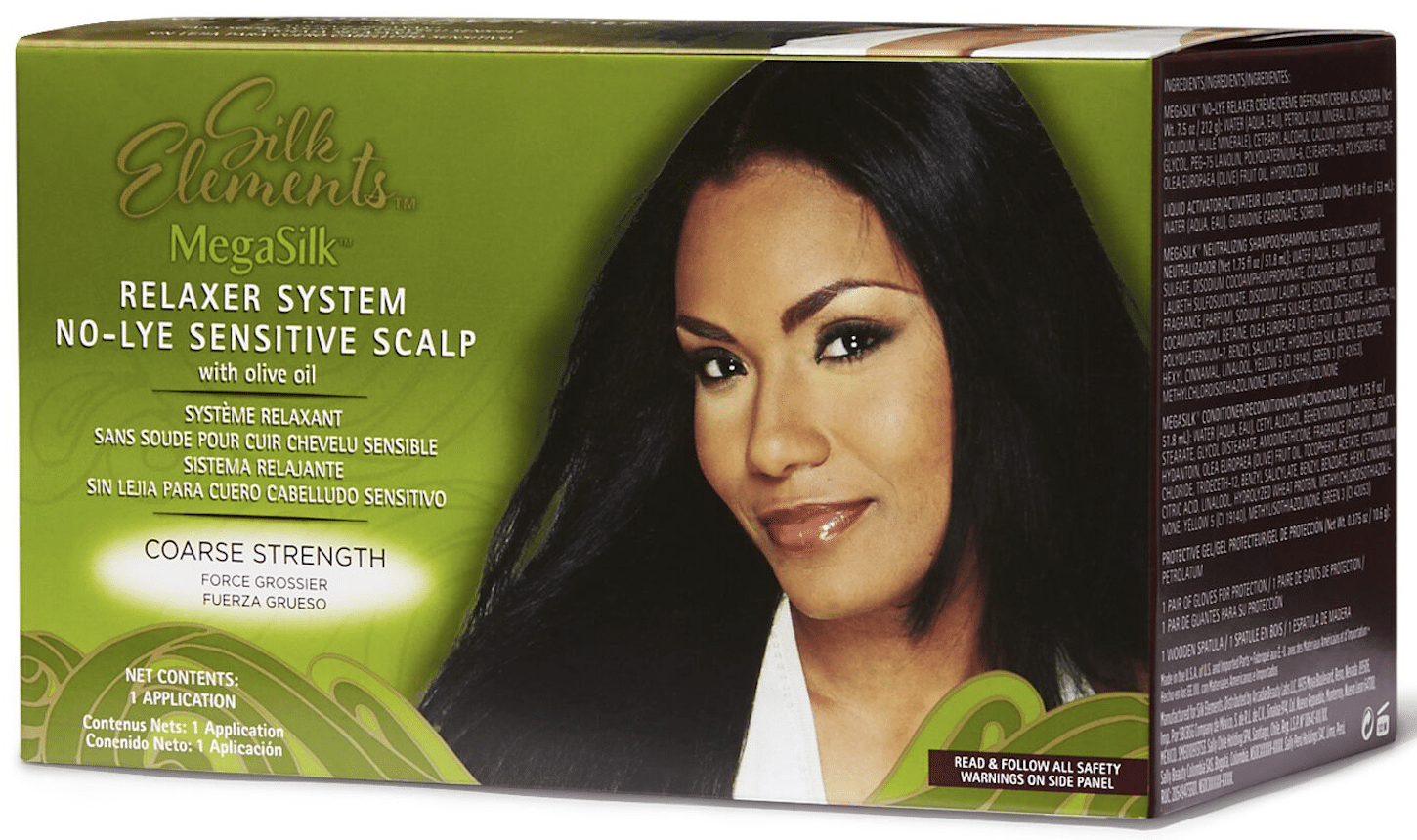
An MDL is a special federal legal procedure designed to manage complex litigation involving numerous similar lawsuits filed in different federal courts. By consolidating cases before one judge for pretrial proceedings (such as discovery and motions), an MDL streamlines the process, avoids duplicative discovery, conserves resources, and promotes consistent rulings. While cases are consolidated for pretrial, they remain separate lawsuits. If a global settlement is not reached, individual cases may eventually be sent back to their original districts for trial. This MDL now includes claims against various manufacturers, including L’Oréal, Revlon, Strength of Nature, and others, encompassing brands like Dark & Lovely, Just for Me, Optimum, and Silk Elements.
Key Legal Milestones
Since its formation, the hair relaxer MDL has seen several crucial developments:
- Appointment of Leadership: Judge Rowland appointed lead counsel and an executive committee to manage the plaintiffs’ side of the litigation, representing the interests of thousands of claimants.
- Discovery Phase: The parties are currently engaged in extensive discovery, exchanging documents, scientific research, and internal company communications to uncover what manufacturers knew about the safety of their products and when they knew it. This phase is critical for building the evidentiary foundation for future trials or settlements.
- Bellwether Trials: While not yet scheduled, it is anticipated that the court will eventually select a small number of "bellwether" cases for early trials. These trials serve as test cases, providing insights into how juries might react to the evidence and arguments, which can then inform settlement negotiations for the broader MDL. The outcomes of bellwether trials often play a significant role in determining the trajectory of mass tort litigation.
- Growing Plaintiff Pool: The number of plaintiffs joining the MDL continues to grow steadily as awareness spreads and more individuals learn about the potential link between their health conditions and hair relaxer use.
This structured legal process underscores the serious nature of the allegations and the significant resources being dedicated to resolving these complex claims.
The Manufacturers’ Stance and Official Responses
In the face of mounting legal pressure and scientific scrutiny, hair relaxer manufacturers find themselves navigating a precarious position, typically adhering to well-established corporate defense strategies.
Silence or Denial: The Companies’ Position
Companies like Strength of Nature, the manufacturer of Silk Elements, have generally not issued public statements directly admitting fault or acknowledging the alleged link between their products and cancer. Instead, their legal defense teams are likely employing several common tactics:
- Denial of Allegations: The primary response is typically to deny all allegations of wrongdoing, asserting that their products are safe when used as directed and do not cause cancer or other serious health issues.
- Challenging Scientific Causation: Manufacturers often challenge the scientific evidence, arguing that the studies, including the Sister Study, demonstrate correlation, not direct causation, and that other confounding factors (genetics, lifestyle, other exposures) could be responsible for the plaintiffs’ illnesses. They may also point to the lack of a definitive consensus across all scientific literature.
- Lack of Foreseeability: Companies may argue that they could not have reasonably foreseen the alleged risks based on the scientific knowledge available at the time their products were marketed. This argument attempts to negate claims of negligence.
- Vigorous Defense: Manufacturers are expected to mount a vigorous legal defense, utilizing expert witnesses, extensive discovery, and motions to dismiss to protect their commercial interests and brand reputation.
Specific official statements from Silk Elements regarding these lawsuits are not widely available in the public domain, which is typical during ongoing litigation. Companies are often advised by legal counsel to refrain from public commentary that could be used against them in court. Their official responses are primarily articulated through court filings and legal arguments.
Regulatory Scrutiny and Calls for Action
The controversy surrounding hair relaxers has also drawn the attention of consumer advocacy groups and, to some extent, regulatory bodies, though the pace of regulatory action is often slower than legal proceedings.
- FDA Oversight: In the United States, the Food and Drug Administration (FDA) is responsible for regulating cosmetics. However, the FDA’s authority over cosmetic ingredients is notably weaker than its authority over drugs. Cosmetic products and ingredients do not require FDA approval before they go to market, with the primary responsibility for safety resting with the manufacturers. The FDA can take action only after a product is found to be unsafe or mislabeled. While the FDA has issued some guidance on certain cosmetic ingredients, it has not yet issued a blanket ban or specific warning on hair relaxers concerning cancer risks. This regulatory gap is a point of contention for advocates.
- Consumer Advocacy: Organizations like the Environmental Working Group (EWG) and various public health advocates have long campaigned for stricter regulations on cosmetic chemicals. The hair relaxer lawsuits have amplified these calls, demanding more rigorous pre-market safety testing and mandatory disclosure of all ingredients, especially those with known endocrine-disrupting properties.
- Legislative Efforts: There have been ongoing discussions and some legislative attempts (e.g., the Personal Care Products Safety Act) to modernize cosmetic regulations in the U.S., which would grant the FDA more power to review ingredients and require safety substantiation. The hair relaxer litigation adds further impetus to these efforts, highlighting the potential public health consequences of inadequate oversight.
- International Precedent: It’s worth noting that some chemicals found in U.S. hair relaxers may be restricted or banned in other countries with stricter cosmetic regulations (e.g., the European Union), which further underscores the disparity in safety standards.
The current legal battles are not just about compensation; they are also about holding manufacturers accountable and potentially driving future regulatory reforms that could lead to safer cosmetic products for all consumers.
Implications and Future Outlook: A Reckoning for the Beauty Industry
The hair relaxer lawsuits, particularly those involving brands like Silk Elements, carry profound implications that extend far beyond the courtroom, touching consumers, the beauty industry, and the broader landscape of product safety regulation.
Impact on Consumers and the Beauty Industry
The most immediate and significant impact is on the millions of individuals who have used hair relaxers, especially women of color for whom these products have been deeply integrated into cultural beauty standards. The news of potential cancer links has caused widespread alarm, leading many to reassess their beauty routines.
- Shifting Consumer Preferences: There’s an accelerating trend towards "natural hair" movements, with many consumers opting to discontinue chemical treatments in favor of embracing their natural hair textures. This shift is driven not only by health concerns but also by a broader cultural movement valuing authenticity and self-acceptance.
- Pressure on Manufacturers: The lawsuits place immense pressure on manufacturers to either reformulate their products to remove harmful chemicals or face substantial financial and reputational damage. Companies may invest heavily in research and development to create genuinely safer alternatives, or they may choose to exit the relaxer market altogether.
- Increased Awareness: The litigation has significantly heightened public awareness about the chemicals present in personal care products. Consumers are becoming more discerning, demanding greater transparency from brands about ingredient lists and potential health risks. This heightened scrutiny could lead to a broader demand for "cleaner" beauty products across the industry.
- Economic and Emotional Burden: For those diagnosed with cancer or other serious conditions, the implications are devastating, involving immense physical suffering, emotional distress, and significant financial burdens from medical treatments. The lawsuits aim to address these costs, but the human toll is immeasurable.
The Broader Legal Landscape
The hair relaxer MDL is poised to be one of the largest mass tort litigations of its kind, with significant implications for product liability law.
- Potential for Significant Settlements or Verdicts: Given the scale of potential plaintiffs and the severity of the alleged injuries, the financial stakes are incredibly high. Successful bellwether trials or compelling evidence unearthed during discovery could lead to substantial settlements, potentially in the billions of dollars, or large individual jury verdicts.
- Precedent Setting: The outcomes of these cases could set important precedents for future product liability lawsuits involving cosmetic chemicals. A finding of manufacturer liability could compel other industries to re-evaluate the safety of their chemical ingredients, even those currently considered "generally recognized as safe."
- Clarifying Class Action vs. Individual Lawsuits: The litigation serves as a crucial reminder of the distinction between class action lawsuits and individual injury claims. While class actions often focus on collective economic damages or future medical monitoring, they are typically not designed to compensate individuals for severe personal injuries like cancer. This distinction is vital for affected individuals seeking full compensation for their suffering. For cancer victims, pursuing an individual injury lawsuit is the most direct path to seeking redress for medical expenses, lost wages, pain, and suffering.
Guidance for Affected Individuals
For individuals who have used Silk Elements hair relaxers or similar products and have subsequently been diagnosed with cancer or other serious health conditions, understanding their legal options is paramount.
- Immediate Legal Consultation: The most critical step is to seek a no-cost, no-obligation review of their potential case with an experienced hair relaxer lawyer. These attorneys specialize in product liability and mass torts and can assess the viability of a claim based on individual medical history, product usage, and the latest scientific and legal developments.
- Documentation is Key: Plaintiffs will need to provide documentation of their hair relaxer use (e.g., product names, frequency, duration), medical records detailing their diagnosis and treatment, and any evidence linking their condition to chemical exposure.
- Timelines and Statutes of Limitations: It is crucial to act promptly, as states have varying statutes of limitations—strict deadlines by which lawsuits must be filed. Missing these deadlines can permanently bar an individual from seeking compensation.
The lawsuits against Silk Elements and other hair relaxer manufacturers are more than just legal battles; they are a public health awakening. They underscore the critical need for vigilance in personal care choices and the enduring fight for corporate accountability, aiming to ensure that beauty never comes at the cost of health. As the legal process unfolds, the eyes of consumers, industry, and regulators will remain fixed on the courts, awaiting a resolution that could reshape the future of the beauty industry.

