
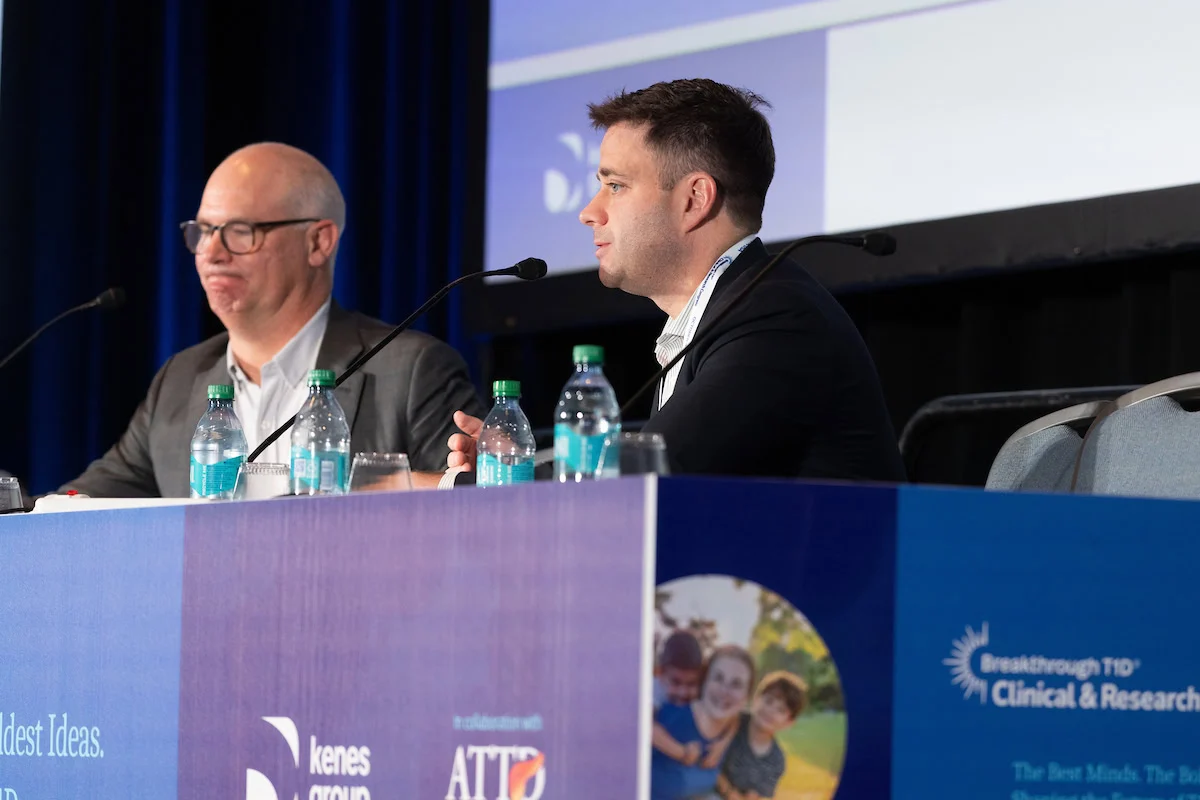
PHILADELPHIA, PA – In a historic gathering that signals a paradigm shift in the fight against autoimmune disease, the inaugural Breakthrough T1D Clinical & Research Congress (CRC 2026) officially commenced this week in Philadelphia. The landmark event represents the first of its kind: a global forum dedicated exclusively to type 1 diabetes (T1D), uniting the disparate worlds of laboratory science, clinical practice, industrial manufacturing, and patient advocacy under a single roof.
n
The congress arrives at a pivotal moment for the T1D community. After decades of focusing primarily on the management of blood glucose through exogenous insulin, the scientific community is now pivoting toward biological cures, disease-modifying therapies, and sophisticated technological ecosystems that aim to "close the loop" entirely. The atmosphere in Philadelphia is one of urgent optimism, as leaders from across the globe gather to share data that was, until recently, considered the realm of science fiction.
n
Main Facts: A Unified Front Against T1D
n
The CRC 2026 is not merely a scientific conference; it is a strategic summit designed to accelerate the "translational" aspect of medicine—the process of moving a discovery from a researcher’s bench to a patient’s bedside. Organized by Breakthrough T1D (formerly JDRF), the congress focuses on four primary pillars: islet cell replacement, disease-modifying therapies (DMTs), early detection through universal screening, and the optimization of current lives through advanced technology and medical affairs.
n
Key announcements from the opening day highlighted the success of novel immunosuppression alternatives, the validation of immune-evasive "stealth" cells, and the introduction of the first new therapy for T1D-related kidney disease in three decades. The overarching theme, articulated by Breakthrough T1D CEO Aaron J. Kowalski, Ph.D., is the necessity of "radical collaboration." By breaking down the silos between academic researchers and venture-backed biotech firms, the congress aims to shorten the timeline to a world where T1D is no longer a lifelong sentence.
n
Chronology of Day 1: From Biological Foundations to Clinical Realities
n
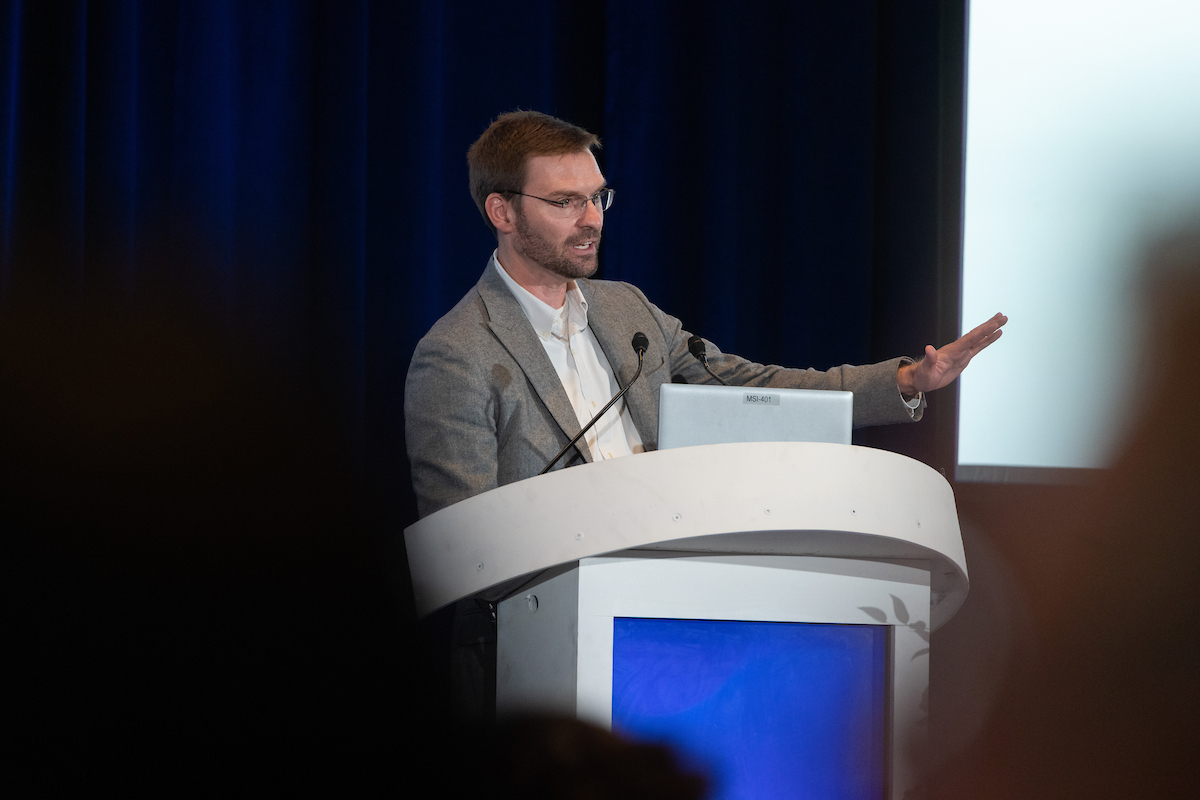
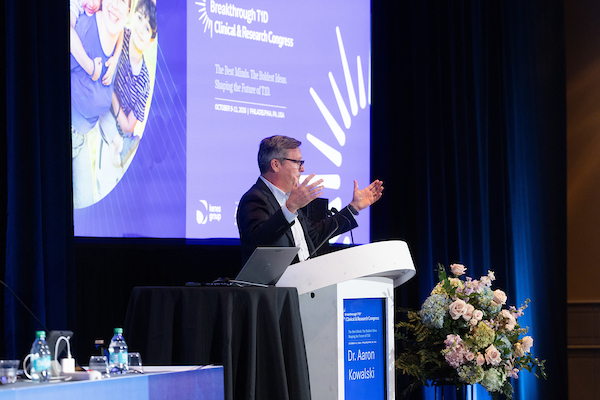
The congress opened with an address by Dr. Kowalski, who set a high-stakes tone for the proceedings. He emphasized that while the T1D community has seen remarkable revolutions in technology, the ultimate goal remains a biological cure.
n
The morning sessions were dominated by the "Holy Grail" of T1D research: Islet Cell Therapies. Researchers presented data on how to replace the insulin-producing cells destroyed by the body’s immune system. Following this, the focus shifted to the "upstream" battle—Disease-Modifying Therapies (DMTs). This session explored how to intervene in the immune system before the total destruction of beta cells occurs, utilizing C-peptide as a critical biomarker for success.
n
By mid-afternoon, the dialogue turned toward Early Detection. A panel of international experts discussed the logistics of moving from localized screening pilots to national healthcare mandates. The day concluded with a deep dive into "Improving Lives," focusing on the immediate needs of those living with the disease today, including advancements in Automated Insulin Delivery (AID) and the role of Artificial Intelligence (AI) in predicting glycemic variability.
n
The evening closed with a visionary "Two Paths" keynote by Dr. Chantal Mathieu, who bridged the gap between the high-tech present and the biological future, urging the 2026 attendees to view technology and cures not as competitors, but as a synchronized effort.
n
Supporting Data: Breakthroughs in Islet Transplantation and Disease Modification
n
The scientific data presented on Day 1 provided concrete evidence that the field is moving toward "scalable" solutions—therapies that can be applied to millions, rather than dozens.
n
Islet Cell Therapies and the End of Broad Immunosuppression
n
A major barrier to islet transplantation has always been the requirement for heavy, often toxic, immunosuppressant drugs. Piotr Witkowski, M.D., Ph.D., from the University of Chicago, presented updated results on tegoprubart, a novel antibody developed by Eledon (a T1D Fund company).
n
- n
- Success Rate: In a Breakthrough T1D-funded trial, 12 out of 12 participants who received islet transplants are currently insulin-independent.
- Safety Profile: The drug showed no kidney toxicity, a common side effect of traditional antirejection meds.
- Expansion: A new trial will soon include patients with T1D and Chronic Kidney Disease (CKD), a population previously excluded from such therapies.
n
n
n
n
Furthering this progress, Per-Ola Carlsson, M.D., Ph.D., shared a one-year update on a patient treated with immune-evasive islet cells from Sana Biotechnology. These cells are "engineered" to be invisible to the immune system. A year post-transplant, the cells continue to survive and produce insulin without the need for systemic immunosuppression.
n
The C-Peptide Metric
n
In the realm of Disease-Modifying Therapies, the congress emphasized the importance of C-peptide. As a byproduct of insulin production, C-peptide serves as the "gold standard" for measuring how much functional beta-cell mass a patient retains. Data presented by Dr. Justin Gregory and others highlighted that even a small preservation of C-peptide correlates with significantly lower risks of long-term complications like retinopathy and hypoglycemia. This has led to a push for the FDA and other regulators to accept C-peptide preservation as a primary endpoint for new drug approvals.
n
New Pharmacological Frontiers: Kerendia
n
For the first time in 30 years, a new therapy has been validated for T1D-related kidney disease. Finerenone (Kerendia), a non-steroidal mineralocorticoid receptor antagonist, was highlighted as a major milestone. For a population where kidney failure remains a looming threat, the introduction of a new class of protective medication represents a significant win for clinical care.
n
Official Responses: Leadership on the "Path Forward"
n
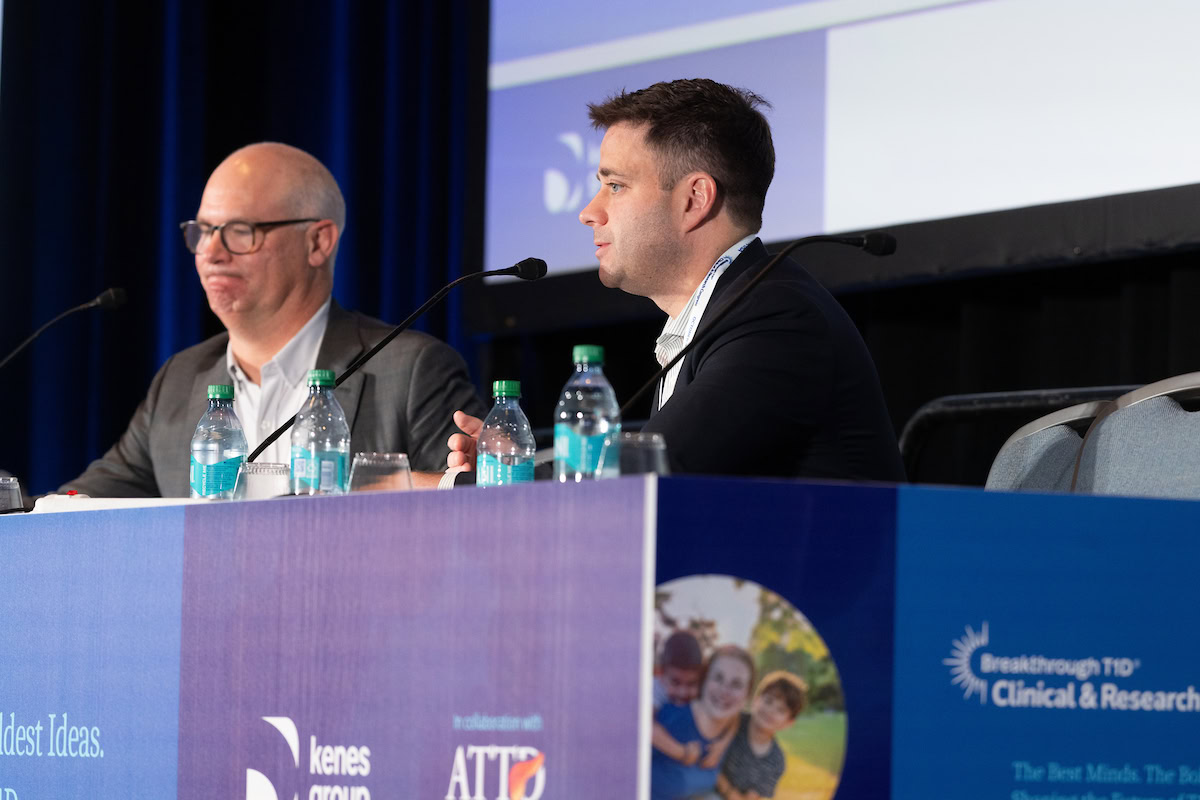
The congress featured a series of high-level discussions regarding the infrastructure of innovation. Dan McNamara, Head of Strategy at the T1D Fund, and Jason Cole, CEO of Zag Bio, discussed the "Valley of Death"—the gap between a laboratory discovery and a commercially viable drug. They argued that venture philanthropy is the bridge that allows early-stage companies to survive long enough to form strategic partnerships with "Big Pharma."
n
Dr. Brynn Marks, Senior Director of Medical Affairs at Breakthrough T1D, addressed the human element of these advancements. She co-authored a new roadmap titled "Roadmap to Fully Closing the Loop to Optimize Health in Type 1 Diabetes," published in Diabetes Technology and Therapeutics.n"We must define a person-centered framework," Dr. Marks noted during her session. "As we move toward fully closed-loop systems, we cannot just look at blood sugar numbers. We must look at the quality of life. If a system keeps a patient at a perfect 100 mg/dL but requires constant mental burden, it is not yet a success."
n
Dr. Chantal Mathieu (KU Leuven) provided the closing sentiment for the day, calling for an end to professional silos. "The people in this room are responsible for the revolutions we have seen. But to reach the finish line, we must set our egos aside. Cures are possible only through the synergy of technology and biology."
n
Implications: A Proactive Rather than Reactive Future
The findings presented at CRC 2026 have profound implications for the global healthcare system and the 9 million people living with T1D worldwide.
- The Shift to Universal Screening: The congress made it clear that "Early Detection" is no longer a luxury. By identifying T1D in Stage 1 or Stage 2 (before insulin dependence), clinicians can prevent life-threatening Diabetic Ketoacidosis (DKA) and enroll patients in DMT trials that could delay the onset of the disease by years.
- The Rise of "Smart" Automation: The research presented by Marcela Moscoso, Ph.D., regarding AI tools that estimate insulin sensitivity in real-time, suggests that the "unannounced meal" is within reach. Future AID systems will likely use AI to distinguish between a fast-digesting pizza and a slow-digesting salad without the user ever having to "input" carbohydrates.
- Medical Infrastructure Evolution: Perhaps the most daunting implication discussed was the need for the medical community to adapt. As T1D care becomes more complex—involving genetic screening, immunotherapy, and advanced AI—the traditional "15-minute checkup" is becoming obsolete. The congress called for a total redesign of how T1D care is delivered, emphasizing specialized training for primary care physicians who will increasingly be on the front lines of early screening.
As Philadelphia hosts the remainder of CRC 2026, the message from Day 1 is clear: the "Two Paths" of technology and biological cures are converging. The inaugural congress has successfully moved the conversation from if a cure will be found, to how the global community will implement it.
This report was compiled based on proceedings from the Breakthrough T1D Clinical & Research Congress 2026. Further updates on Days 2 and 3 are expected to follow.

