
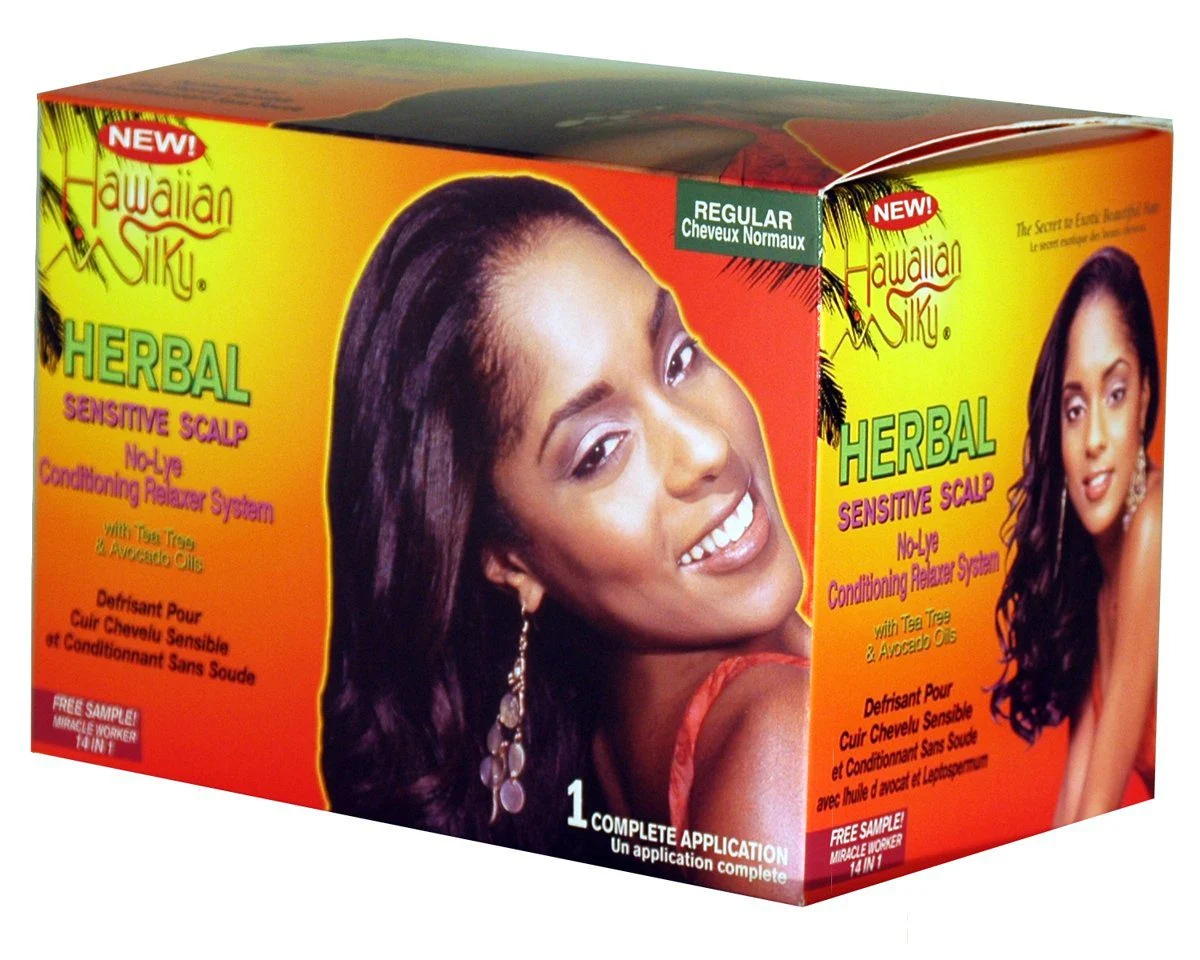
New scientific evidence has cast a long shadow over a staple in many beauty routines, particularly within communities of color: chemical hair relaxers. Among the prominent brands now facing intense scrutiny is Hawaiian Silky, a name synonymous with sleek, straight hair for decades. A growing body of research suggests a concerning link between the long-term use of such products and an elevated risk of severe health conditions, including various forms of cancer and other hormone-related diseases. This revelation has ignited a wave of product liability lawsuits across the United States, challenging manufacturers to account for the potential dangers embedded in their formulations.
n
For countless individuals, hair relaxers have been an integral part of personal grooming, offering a transformative solution for managing textured hair. The allure of convenience and specific aesthetic standards has driven widespread adoption, often starting from a young age. However, the comfort and familiarity associated with these products are now being replaced by apprehension as alarming scientific findings emerge, prompting a re-evaluation of their safety. The legal landscape is rapidly evolving, with victims seeking accountability and compensation for devastating health outcomes they attribute to these widely used chemical treatments.
n
Main Facts: Unpacking the Scientific Link Between Hair Relaxers and Cancer
n
The core of the current controversy centers on compelling scientific evidence indicating that chemicals present in hair relaxers, including those marketed by Hawaiian Silky, may act as endocrine disruptors and carcinogens. These substances, when absorbed into the body through the scalp, are suspected of interfering with hormonal systems and promoting cellular changes that can lead to malignant growth. The allegations in the burgeoning lawsuits are grave, positing that manufacturers either knew or should have known about these risks but failed to adequately warn consumers.
n
The Alarming Findings of the Sister Study
n
A pivotal moment in this unfolding narrative arrived in October 2022 with the publication of the "Sister Study" by the National Institutes of Health (NIH). This landmark, long-term epidemiological investigation, conducted by the National Institute of Environmental Health Sciences (NIEHS), meticulously tracked nearly 34,000 U.S. women for over a decade. The study’s findings, published in the Journal of the National Cancer Institute, delivered a profound shockwave through the beauty industry and public health circles.
n
The Sister Study revealed a strong and statistically significant correlation between the frequent use of chemical hair relaxers and an increased incidence of uterine cancer. Specifically, women who reported using hair straightening products four or more times a year were found to have a 150% higher risk of developing uterine cancer compared to those who never used such products. This translates to an elevated risk that is not merely marginal but represents a substantial increase in the likelihood of developing a potentially life-threatening disease. The study meticulously controlled for other factors that might contribute to cancer risk, strengthening the causal inference between relaxer use and uterine cancer.
n
Beyond Uterine Cancer: A Spectrum of Health Concerns
n
While uterine cancer has been a primary focus due to the direct findings of the Sister Study, the lawsuits against Hawaiian Silky and other relaxer manufacturers encompass a broader range of serious health conditions. Plaintiffs allege that the chemical cocktail found in these products can contribute to:
n
- n
- Ovarian Cancer: Another hormonally sensitive cancer, potentially influenced by endocrine-disrupting chemicals.
- Breast Cancer: Particularly aggressive forms, given the known links between certain chemical exposures and breast tissue pathology.
- Uterine Fibroids: Non-cancerous growths in the uterus, but often hormone-sensitive and a significant cause of morbidity for many women. These can lead to heavy bleeding, pain, and infertility.
- Endometriosis: A painful disorder in which tissue similar to the tissue that normally lines the inside of the uterus grows outside the uterus, also strongly linked to hormonal imbalances.
- Infertility: Reproductive issues stemming from hormonal disruption or damage to reproductive organs.
n
n
n
n
n
n
These conditions collectively paint a picture of systemic harm, suggesting that the chemical burden from hair relaxers may compromise the delicate balance of the endocrine system, which regulates crucial bodily functions, including reproduction and metabolism.
n
A Timeline of Discovery and Legal Action: The Hair Relaxer Saga
n
The current legal and scientific reckoning did not emerge overnight. It is the culmination of years of accumulating scientific suspicion, public health advocacy, and, tragically, countless personal stories of illness.
n
Early Warnings and Emerging Concerns
n
For decades, concerns about the safety of cosmetic products, particularly those containing harsh chemicals, have simmered. Hair relaxers, often containing strong alkaline agents like lye (sodium hydroxide), have long been known to cause scalp burns and irritation if not applied correctly. However, the focus was primarily on acute physical damage rather than long-term systemic health effects.
n
As the field of environmental health expanded, researchers began to investigate the impact of everyday chemical exposures, including those from personal care products, on human health. Studies on endocrine-disrupting chemicals (EDCs) gained traction, highlighting how substances like phthalates and parabens could mimic or block hormones, potentially leading to adverse health outcomes. Early studies, though not always conclusive regarding hair relaxers specifically, laid the groundwork for understanding how chemicals applied to the skin could enter the bloodstream and affect internal organs.
n
The 2022 Turning Point: The Sister Study’s Publication
n
The year 2022 marked a critical inflection point. While previous studies had hinted at connections between hair product use and certain cancers, the Sister Study provided the most robust and compelling evidence to date, particularly for uterine cancer. Its rigorous methodology, large cohort size, and long follow-up period gave its findings significant scientific weight.
n
Upon its publication, the study garnered widespread media attention, immediately elevating the issue from niche scientific discourse to a major public health concern. Consumers, many of whom had used these products for years without suspicion, began to question the safety of their beauty routines. Advocacy groups intensified their calls for greater transparency and stricter regulation within the cosmetics industry.
n
The Deluge of Litigation: From Individual Claims to Multi-District Litigation (MDL)
n
The scientific revelations quickly translated into legal action. Individuals diagnosed with uterine cancer, ovarian cancer, breast cancer, and other serious conditions after years of using hair relaxers began to file lawsuits against manufacturers, including Hawaiian Silky. These initial individual lawsuits, filed in various state and federal courts across the country, shared common allegations: that the products contained dangerous chemicals, that manufacturers failed to warn consumers of the risks, and that this negligence led to severe personal injury.
n
Given the commonality of the claims and the large number of potential plaintiffs, the federal court system moved to consolidate these cases. In February 2023, the U.S. Judicial Panel on Multidistrict Litigation (JPML) established a Multi-District Litigation (MDL) in the Northern District of Illinois. An MDL streamlines complex litigation by centralizing pre-trial proceedings, such as discovery and motions, before a single judge. This consolidation aims to promote efficiency, consistency, and potentially facilitate global settlements, rather than having hundreds or thousands of individual cases proceed independently. The establishment of the MDL signifies the serious and widespread nature of the allegations against hair relaxer manufacturers, including Hawaiian Silky.
n
Supporting Data: The Chemical Culprits and Epidemiological Evidence
n
The scientific basis for the lawsuits rests heavily on identifying specific hazardous chemicals within hair relaxers and demonstrating their capacity to cause the alleged health harms.
Hazardous Ingredients Under Scrutiny
Hair relaxers are complex chemical formulations designed to permanently alter the protein structure of hair. The active ingredients, along with preservatives, fragrances, and conditioning agents, form a blend that is increasingly viewed as potentially toxic. Key categories of implicated chemicals include:
- Phthalates: Often used as plasticizers to make products more pliable and as solvents, phthalates such as Di(2-ethylhexyl)phthalate (DEHP) and Dibutyl phthalate (DBP) are well-known endocrine-disrupting chemicals. Research has linked phthalate exposure to reproductive issues, developmental problems, and an increased risk of certain cancers, including hormonally sensitive cancers. They can be absorbed through the skin, inhaled, or ingested.
- Formaldehyde-releasing chemicals: Ingredients like DMDM hydantoin, imidazolidinyl urea, and quaternium-15 are commonly used as preservatives in cosmetics. While not formaldehyde itself, they slowly release formaldehyde over time, especially when heated or in certain conditions. Formaldehyde is a known human carcinogen, linked to various cancers, and can also cause allergic reactions and irritation.
- Parabens: Methylparaben, propylparaben, butylparaben, and ethylparaben are widely used as preservatives to prevent the growth of bacteria and fungi in cosmetic products. Parabens are weak endocrine disruptors that can mimic estrogen in the body, raising concerns about their potential role in breast cancer and other hormone-related conditions.
- Lye (Sodium Hydroxide) and other strong alkalis: While not directly carcinogenic in the same way as EDCs, the strong alkaline nature of "lye relaxers" (sodium hydroxide) or "no-lye relaxers" (e.g., guanidine hydroxide) can cause chemical burns and abrasions on the scalp. This damage creates a compromised skin barrier, potentially facilitating deeper and more efficient absorption of other harmful chemicals into the bloodstream. This increased permeability amplifies the systemic exposure to EDCs and carcinogens.
- Other Potential Carcinogens/EDCs: The exact chemical composition can vary, but other compounds like cyclosiloxanes, certain synthetic fragrances, and heavy metals have also been raised as concerns in the broader context of cosmetic safety.
The Weight of Epidemiological Research
Beyond the Sister Study, a growing body of epidemiological research has contributed to the understanding of the risks associated with hair relaxer use. While the Sister Study provided definitive evidence for uterine cancer, other studies have explored connections with breast cancer, ovarian cancer, and fibroids, often pointing to similar chemical culprits.

- Mechanism of Action: Scientists hypothesize that the primary mechanism of harm involves the absorption of these endocrine-disrupting and carcinogenic chemicals through the scalp. The scalp, especially if irritated or burned by the relaxer process, offers a direct pathway into the bloodstream. Once in the body, EDCs can interfere with the normal function of hormones like estrogen and progesterone, which play critical roles in regulating cell growth and differentiation in reproductive organs. This disruption can promote the growth of abnormal cells and contribute to the development of hormonally sensitive cancers.
The consistency of findings across multiple studies, coupled with a plausible biological mechanism of action, strengthens the plaintiffs’ claims that hair relaxer manufacturers bear responsibility for the harm caused by their products.
Official Responses and Industry Accountability
The response from hair relaxer manufacturers, including the companies behind Hawaiian Silky, has largely been one of denial, defense, or silence in the face of these allegations.
Manufacturers’ Stance
Typically, companies facing such widespread litigation employ several strategies:
- Denial of Causation: Manufacturers often argue that there is no definitive, conclusive scientific proof directly linking their specific products to cancer. They may dispute the methodology or interpretation of studies like the Sister Study, pointing to other potential confounding factors in participants’ lifestyles or genetics.
- Claims of Safety and Regulatory Compliance: Companies often assert that their products have been rigorously tested and comply with all existing regulatory standards for cosmetic safety. They may highlight that specific ingredients were, at the time of manufacture, considered safe or approved for cosmetic use.
- Lack of Direct Public Acknowledgment: Many manufacturers choose not to comment directly on ongoing litigation, citing legal strategy. This often results in a public silence that can be frustrating for consumers seeking answers.
- Vigorous Legal Defense: In the MDL, manufacturers are expected to mount a robust defense, challenging the scientific evidence presented by plaintiffs, questioning the qualifications of expert witnesses, and arguing that their products are safe when used as directed.
The beauty industry as a whole is a multi-billion-dollar enterprise, and admitting fault in such a widespread manner would have profound financial and reputational consequences.
Regulatory Oversight and Its Limitations
A significant aspect of the controversy is the perceived inadequacy of regulatory oversight for cosmetics in the United States. Unlike pharmaceuticals, which undergo stringent pre-market approval processes by the Food and Drug Administration (FDA), cosmetics are largely unregulated. The FDA primarily relies on manufacturers to ensure the safety of their products before they hit the market, and it has limited authority to recall products or mandate safety testing.
This "honor system" approach means that potentially harmful chemicals can remain in products for years, even decades, until significant evidence of harm emerges, often through independent scientific research or public health crises. The current wave of hair relaxer lawsuits highlights the limitations of this regulatory framework and fuels calls for more proactive and rigorous oversight by the FDA, similar to the regulations in place in the European Union, which bans thousands of chemicals from cosmetics that are permitted in the U.S.
Industry’s Broader Reaction
The broader beauty industry is likely to face increased pressure for transparency and reformulation. Some brands may proactively review their ingredient lists, moving towards "cleaner" formulations or offering alternatives free of the most scrutinized chemicals. The controversy could accelerate a market shift towards natural hair care or products explicitly marketed as "free from" phthalates, parabens, and formaldehyde releasers. However, for established brands like Hawaiian Silky, deeply embedded in traditional product lines, such a shift could be challenging and costly.
Far-Reaching Implications: Health, Industry, and Justice
The Hawaiian Silky hair relaxer lawsuits represent more than just individual claims for compensation; they signify a crucial moment in public health, consumer advocacy, and the evolution of the beauty industry.
Impact on Consumers, Particularly Women of Color
The most profound implications are for the consumers who have used these products, particularly Black women and other women of color. Historically, hair relaxers have been disproportionately marketed to and used by these communities, often due to societal pressures and beauty standards that favor straightened hair. This means that the burden of potential harm falls disproportionately on a demographic that has long faced systemic health disparities. The lawsuits bring to light the tragic irony that products intended to enhance beauty may have inadvertently contributed to serious health crises within these communities. This adds another layer of complexity to discussions around environmental justice and product safety.
The Future of the Beauty Industry
This litigation is a powerful catalyst for change within the beauty industry. It reinforces the growing demand for greater transparency regarding ingredients, stricter safety testing, and a move away from potentially harmful chemicals. Brands that fail to adapt to these evolving consumer expectations and scientific understanding risk not only legal repercussions but also significant damage to their brand reputation and market share. The focus will likely shift towards innovative product development that prioritizes both efficacy and verifiable safety, potentially leading to a permanent transformation in how hair care products are formulated and marketed.
The Evolving Legal Landscape
The hair relaxer MDL is poised to be one of the largest and most significant product liability litigations in recent history. Its outcome will set precedents for how similar cases involving long-term chemical exposure and delayed health effects are handled.
- Compensation for Victims: The primary goal of the individual injury lawsuits is to provide financial compensation to those who have suffered severe health consequences. This compensation can cover medical expenses (past and future), lost wages (due to illness or inability to work), pain and suffering, and other damages.
- Accountability: Beyond monetary compensation, these lawsuits aim to hold manufacturers accountable for alleged negligence, deceptive marketing practices, and failure to warn consumers of known or knowable risks. This accountability can serve as a deterrent for future corporate behavior.
- Distinction from Class Action: It’s crucial to differentiate these individual injury lawsuits from potential "class action" lawsuits. A class action suit typically seeks compensation for a large group of people who have suffered similar, often lesser, damages (e.g., economic damages for purchasing a product without proper warning, or funding for medical monitoring). While a class action might seek to compel manufacturers to pay for medical monitoring for all users, it generally does not compensate individuals for severe injuries like cancer diagnoses. For those diagnosed with cancer, uterine fibroids requiring intervention, or other serious illnesses, an individual injury lawsuit is the appropriate avenue to seek significant compensation tailored to their specific damages.
A Call for Greater Awareness and Advocacy
The controversy surrounding Hawaiian Silky and other hair relaxers underscores the critical need for continued scientific research into the long-term effects of cosmetic ingredients. It also highlights the importance of consumer awareness and advocacy. Informed consumers can make safer choices, and collective advocacy can push for stronger regulatory frameworks that prioritize public health over corporate interests.
Seeking Justice: Understanding Your Rights in the Hawaiian Silky Lawsuits
For individuals who have regularly used Hawaiian Silky hair relaxer or similar products and subsequently received a diagnosis of cancer (including uterine, ovarian, or breast cancer) or other severe hormone-related conditions like uterine fibroids, understanding their legal rights is paramount. The ongoing multi-district litigation offers a pathway to seek justice and compensation.
The legal process for these types of product liability claims is complex, requiring specialized knowledge in both scientific evidence and mass tort litigation. Consulting with an attorney experienced in hair relaxer lawsuits is a critical first step. These legal professionals can assess an individual’s specific circumstances, review medical records, and determine if there is a viable claim.
Many law firms offer a no-cost, no-obligation review of potential cases. This initial consultation allows affected individuals to understand their options without financial commitment. The goal is to provide victims with the opportunity to pursue the financial compensation necessary to cover medical treatments, manage ongoing health challenges, and account for the profound impact these diagnoses have had on their lives.
Conclusion: Navigating a Complex Health and Legal Challenge
The saga of Hawaiian Silky and other hair relaxers represents a sobering reminder that products ingrained in daily life can harbor hidden dangers. The scientific evidence linking these products to serious health conditions, particularly cancer, has ignited a nationwide legal battle that is reshaping the landscape of consumer product safety. As the legal proceedings unfold, they will not only determine the fate of manufacturers but also potentially redefine industry standards and empower consumers with greater knowledge and protection. For those affected, the pursuit of justice is not merely about compensation; it is about accountability, validation, and a commitment to ensuring that such widespread harm is prevented in the future.

