
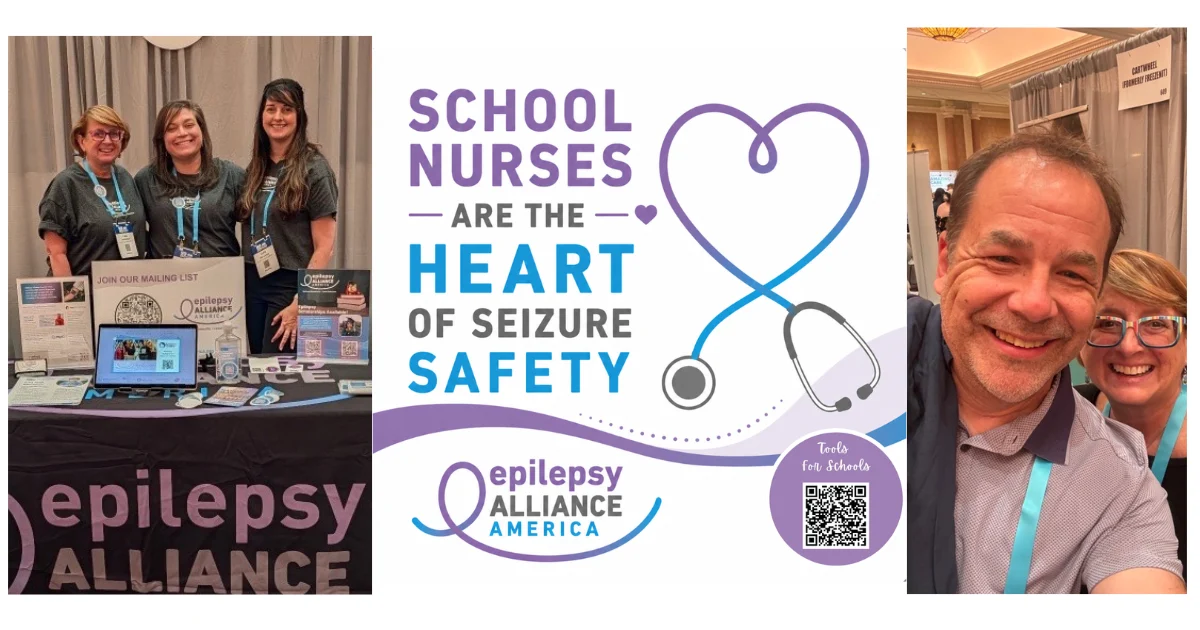
Las Vegas, Nevada – The Epilepsy Alliance America (EAA) proudly announced its impactful participation in the National Association of School Nurses (NASN) 2026 Conference, held earlier this month at the iconic Caesars Palace in Las Vegas. This pivotal gathering convened school nurses from across the nation, fostering an environment of collaborative learning, professional development, and the sharing of best practices essential for enhancing the health, safety, and academic success of students nationwide. EAA’s presence underscored its unwavering commitment to empowering educational environments with the knowledge and resources necessary to support students living with epilepsy.
n
The conference served as a critical platform for the EAA to directly engage with the frontline healthcare providers in schools. Through its interactive exhibit booth, dedicated presentations, and extensive networking, the Alliance championed its mission to ensure that every student with epilepsy receives the appropriate care, understanding, and support required to thrive in their academic journey. The dialogue initiated at NASN 2026 is expected to have far-reaching implications, reinforcing the critical role of school nurses in managing chronic conditions and advocating for inclusive educational practices.
n
The Main Facts: A Strategic Engagement for Student Well-being
n
Epilepsy Alliance America’s involvement at the NASN 2026 Conference was a strategic move designed to amplify its reach and impact within the educational sector. As an exhibitor, the EAA established a prominent booth within the bustling conference exhibit hall. This dedicated space became a hub for disseminating vital information and resources on a spectrum of topics crucial for school nurses:
n
- n
- Seizure Recognition and Response: Providing clear, actionable guidance on identifying different types of seizures and implementing appropriate first-aid protocols. This foundational knowledge is paramount for immediate student safety.
- Seizure Action Plans (SAPs): Emphasizing the development and implementation of individualized SAPs, which are essential blueprints for managing a student’s epilepsy in school, outlining medication, emergency contacts, and specific seizure triggers or responses.
- Educational Tools and Support: Showcasing a range of resources specifically designed to integrate students with epilepsy into the school setting seamlessly, including educational materials for teachers, classmates, and parents, fostering a more inclusive and understanding environment.
n
n
n
n
The conference agenda itself reflected a growing awareness of epilepsy’s prevalence in schools, featuring several sessions dedicated to epilepsy and seizure management. A notable highlight was a compelling presentation led by Jason Raether, a distinguished school nurse and passionate epilepsy advocate. His insights provided practical strategies and reinforced the critical role of informed healthcare professionals in schools.
n
Beyond the formal presentations, the true strength of EAA’s participation lay in the direct, personal connections forged with school nurses. These interactions, both at the exhibit booth and during various networking events, allowed the Alliance to share details of its comprehensive training programs, a wealth of educational resources, and its ongoing advocacy initiatives. The overarching goal remains clear: to cultivate safer, more inclusive, and supportive school environments where students with epilepsy can achieve their full potential without undue barriers.
n
Representing Epilepsy Alliance America were key figures whose dedication drives the organization’s mission: Lisa Gallipoli, the Executive Director, whose leadership steers the Alliance’s strategic direction; Amanda Mitchell, a valued Board member who also serves as the Executive Director of the founding member organization, Epilepsy Alliance Louisiana, bringing critical grassroots experience; and Julie Lazzara, PhD, co-founder of Landon’s Legacy Foundation, a new and vital member organization of the Alliance, whose personal insights and advocacy efforts resonate deeply with the community. Their collective presence underscored the breadth and depth of expertise within the EAA.
n
Chronology: A Conference Journey Towards Enhanced Student Care
n
The NASN 2026 Conference, spanning several days, offered a dynamic and intensive program for its attendees. For Epilepsy Alliance America, each day presented new opportunities to engage, educate, and empower.
n
Day 1: Setting the Stage for Awareness and EngagementnThe conference officially commenced with an opening plenary session, setting an optimistic tone for advancing student health. Following the plenary, the exhibit hall buzzed to life. EAA’s booth, strategically located, immediately became a focal point for nurses seeking specialized knowledge on epilepsy. Early interactions focused on introducing the Alliance’s mission and offering initial informational packets on seizure first aid and the critical importance of Seizure Action Plans. Ms. Gallipoli, Ms. Mitchell, and Dr. Lazzara actively engaged with attendees, initiating conversations about the unique challenges students with epilepsy face in schools and how EAA resources can bridge knowledge gaps. Many school nurses expressed a keen interest in EAA’s online training modules, which offer flexible professional development.
n
Day 2: Deep Dive into Management and AdvocacynThe second day saw a significant increase in traffic to the EAA booth, coinciding with sessions focused on chronic disease management and special education needs. It was on this day that Jason Raether’s highly anticipated presentation on "Comprehensive Seizure Management in the School Setting" took place. Raether, drawing from his extensive experience as a school nurse and a passionate advocate, delivered a powerful session that resonated deeply with his peers. He highlighted best practices for emergency response, discussed the nuances of medication administration in school, and stressed the psychological impact of epilepsy on students, advocating for holistic support systems. His presentation served as a powerful endorsement of the types of resources and training EAA provides, driving more nurses to the Alliance’s booth for further discussion and materials. Discussions at the EAA booth often extended beyond mere information dissemination, delving into specific case studies and the sharing of practical experiences among nurses.
n
Day 3: Building Networks and Sustaining MomentumnThe penultimate day of the conference was dedicated to fostering deeper connections and exploring collaborative opportunities. Networking events, including luncheons and evening receptions, provided informal settings for EAA representatives to engage with school nurses, administrators, and other healthcare professionals. These conversations often transitioned from general awareness to specific inquiries about implementing EAA programs within individual school districts. Ms. Mitchell, leveraging her experience with Epilepsy Alliance Louisiana, shared valuable insights on local advocacy and community engagement, inspiring nurses to become local champions for epilepsy awareness. Dr. Lazzara’s personal narrative through Landon’s Legacy Foundation deeply moved many, underscoring the profound human impact of epilepsy and the urgent need for robust school support. The day concluded with a strong sense of collective purpose, with many nurses signing up for EAA’s newsletter and expressing interest in participating in future training initiatives.
n
Day 4: Concluding Remarks and Future CommitmentsnThe final day, though shorter, was crucial for solidifying commitments and outlining future collaborations. EAA representatives reiterated their availability as a continuous resource for school nurses. The concluding sessions of the conference reinforced the overarching themes of student safety and well-being, aligning perfectly with EAA’s mission. The team departed with a renewed sense of purpose, armed with valuable feedback and a broadened network of dedicated professionals committed to improving the lives of students with epilepsy. The groundwork laid at NASN 2026 is expected to yield tangible improvements in school-based epilepsy care in the months and years to come.
n
Supporting Data: The Imperative for Epilepsy Awareness in Schools
n
The need for organizations like Epilepsy Alliance America to engage with school nurses at events like NASN 2026 is underpinned by compelling data and critical realities concerning epilepsy in the student population. Epilepsy is one of the most common neurological conditions globally, affecting approximately 1 in 26 people in their lifetime. Within the school-aged demographic, these figures translate into a significant number of students who are living with epilepsy, often silently.
n
- n
- Prevalence in Schools: It is estimated that over 470,000 children and adolescents in the United States have active epilepsy. This means that in an average school district, there are likely multiple students managing this chronic condition. In larger schools, a school nurse may be responsible for several students with varying seizure types and management plans.
- The Critical Role of School Nurses: School nurses are often the first, and sometimes only, healthcare professionals available on school grounds. Their responsibilities extend beyond first aid to include medication administration, chronic disease management, emergency response planning, and health education. For students with epilepsy, a knowledgeable school nurse can mean the difference between a minor disruption and a medical emergency, or even life and death. Studies have shown that schools with dedicated, well-trained school nurses experience fewer adverse health outcomes for students with chronic conditions.
- Knowledge Gaps and Stigma: Despite its prevalence, epilepsy often remains misunderstood. A significant portion of the general public, including some educators and parents, lack basic knowledge about seizure recognition and appropriate first aid. This knowledge gap can lead to delayed or incorrect responses during a seizure, potentially exacerbating the situation or creating unnecessary fear. Furthermore, the stigma associated with epilepsy can lead to social isolation for students, impacting their mental health and academic performance. Comprehensive training helps dismantle these barriers.
- Impact of Seizure Action Plans (SAPs): Research consistently demonstrates the effectiveness of individualized Seizure Action Plans (SAPs) in schools. A well-developed SAP, easily accessible and understood by school staff, significantly reduces emergency room visits and improves overall student safety and well-being. EAA’s emphasis on SAPs is therefore not just a recommendation but a critical component of effective school-based epilepsy management.
- Educational Attainment: Students with epilepsy, when properly supported, can achieve the same academic success as their peers. However, poorly managed epilepsy, characterized by frequent or severe seizures, can lead to missed school days, difficulties with concentration, and learning challenges. Providing schools with the tools to manage epilepsy effectively directly contributes to improved educational outcomes and fosters an environment where these students can flourish academically.
- The Power of Advocacy: Beyond direct care, school nurses are powerful advocates. Equipped with EAA’s resources and training, they can advocate for policy changes within their districts, educate teachers and staff, and empower parents. This ripple effect extends EAA’s mission far beyond the conference hall, creating a network of informed advocates across the country.
n
n
n
n
These data points collectively underscore the profound importance of Epilepsy Alliance America’s work and their targeted efforts to engage with school nurses. By investing in the education and empowerment of these vital professionals, EAA is directly addressing a significant public health challenge within the nation’s schools.
Official Responses: Voices of Commitment and Collaboration
The EAA representatives expressed profound satisfaction with their participation and the overwhelming response received at the NASN 2026 Conference. Their statements reflected a deep commitment to the cause and an appreciation for the collaborative spirit of the event.
Lisa Gallipoli, Executive Director of Epilepsy Alliance America, highlighted the strategic significance of the engagement: "Our presence at NASN 2026 was absolutely critical. School nurses are the linchpin in ensuring the safety and academic success of students with epilepsy. They are on the front lines every day, and equipping them with the best possible resources, training, and support is paramount to our mission. The direct conversations we had reaffirmed the immense need for our programs and strengthened our resolve to expand our reach. We leave Las Vegas not just with new contacts, but with renewed partnerships that will undoubtedly translate into better care for students across the country."
Amanda Mitchell, EAA Board Member and Executive Director of Epilepsy Alliance Louisiana, emphasized the value of grassroots connection: "As someone who works directly with families and schools at a local level, I understand the practical challenges school nurses face. The opportunity to connect with them directly, hear their stories, and share the comprehensive resources of the Alliance was invaluable. It’s about building a community of informed caregivers. We’re not just providing information; we’re fostering a network where nurses feel supported, knowledgeable, and empowered to make a tangible difference in the lives of their students. The enthusiasm for our Seizure Action Plan templates and training modules was particularly encouraging."
Dr. Julie Lazzara, Co-founder of Landon’s Legacy Foundation and a new EAA member organization, brought a powerful personal perspective to the conference: "My journey with Landon’s Legacy Foundation began from a place of personal experience and a profound desire to prevent others from facing similar challenges. To see the dedication of these school nurses, and their eagerness to learn and implement best practices for students with epilepsy, is truly inspiring. This conference provided a vital platform to share not just resources, but also the stories that underscore why this work is so incredibly important. Every conversation at our booth was a step towards a safer, more understanding school environment for children like Landon. We are thrilled to be part of the Epilepsy Alliance America and to amplify our collective impact."
These statements collectively underscore the EAA’s proactive approach, recognizing school nurses as indispensable partners in achieving their vision of a world where individuals with epilepsy can live seizure-free and participate fully in all aspects of life. The enthusiastic reception from the school nurses themselves further validated the critical importance of EAA’s mission and programs.
Implications: Shaping the Future of Epilepsy Care in Schools
The participation of Epilepsy Alliance America at the NASN 2026 Conference carries significant implications for the future of epilepsy care and awareness within the educational system. These implications extend beyond immediate knowledge transfer, promising long-term benefits for students, schools, and the broader epilepsy community.
1. Enhanced Student Safety and Well-being:
The most direct implication is the improved safety and well-being of students with epilepsy. By educating hundreds of school nurses on accurate seizure recognition, emergency response protocols, and the implementation of robust Seizure Action Plans, EAA is directly contributing to a reduction in seizure-related incidents and more effective management when seizures do occur. This means fewer emergency room visits, quicker and more appropriate interventions, and ultimately, a safer learning environment for vulnerable students.
2. Empowerment of School Nurses:
The conference served to empower school nurses, equipping them with specialized knowledge and confidence. Many nurses arrive at their positions with broad medical training but may lack in-depth expertise in specific conditions like epilepsy. EAA’s resources fill this gap, transforming nurses into highly competent epilepsy care coordinators within their schools. This empowerment not only benefits students but also elevates the professional standing of school nurses, recognizing their critical role in managing chronic health conditions.
3. Fostering Inclusive School Environments:
Beyond direct medical care, EAA’s advocacy and educational tools promote a culture of understanding and inclusivity. By providing materials for teachers, staff, and even fellow students, the Alliance helps demystify epilepsy, reduce stigma, and create a supportive peer environment. When a school community understands epilepsy, students with the condition are less likely to experience bullying, social isolation, or discrimination, allowing them to participate fully in academic and extracurricular activities.
4. Policy Advocacy and Standardized Care:
EAA’s engagement at such a prominent national conference reinforces the need for standardized epilepsy care policies across school districts. The discussions initiated at NASN 2026 can serve as a catalyst for local advocacy efforts, encouraging school boards and state departments of education to adopt comprehensive guidelines for epilepsy management. This includes mandating seizure first aid training for all school personnel and ensuring the consistent implementation of individualized Seizure Action Plans.
5. Bridging the Gap Between Healthcare and Education:
The Alliance’s work at NASN 2026 further strengthens the vital bridge between the healthcare sector and the educational system. It highlights the necessity of collaboration between medical professionals, families, and schools to create a seamless continuum of care for students with chronic health conditions. This interdisciplinary approach ensures that a student’s health needs are met holistically, preventing their medical condition from becoming an impediment to their education.
6. Long-Term Public Health Impact:
The cumulative effect of EAA’s ongoing educational and advocacy efforts, exemplified by their presence at NASN 2026, has a significant long-term public health impact. By improving the quality of life and educational outcomes for students with epilepsy, the Alliance is contributing to a healthier, more productive future generation. Informed school environments also serve as community hubs for health information, potentially extending epilepsy awareness to parents, guardians, and the wider community.
In conclusion, Epilepsy Alliance America’s robust participation in the NASN 2026 Conference was far more than just an exhibition; it was a strategic investment in the future well-being and academic success of students with epilepsy across the nation. By empowering school nurses, fostering understanding, and advocating for best practices, EAA continues to solidify its position as a pivotal force in creating safer, more inclusive, and supportive educational landscapes for every student. The seeds planted in Las Vegas are expected to blossom into a nationwide harvest of improved epilepsy care in schools for years to come.

