
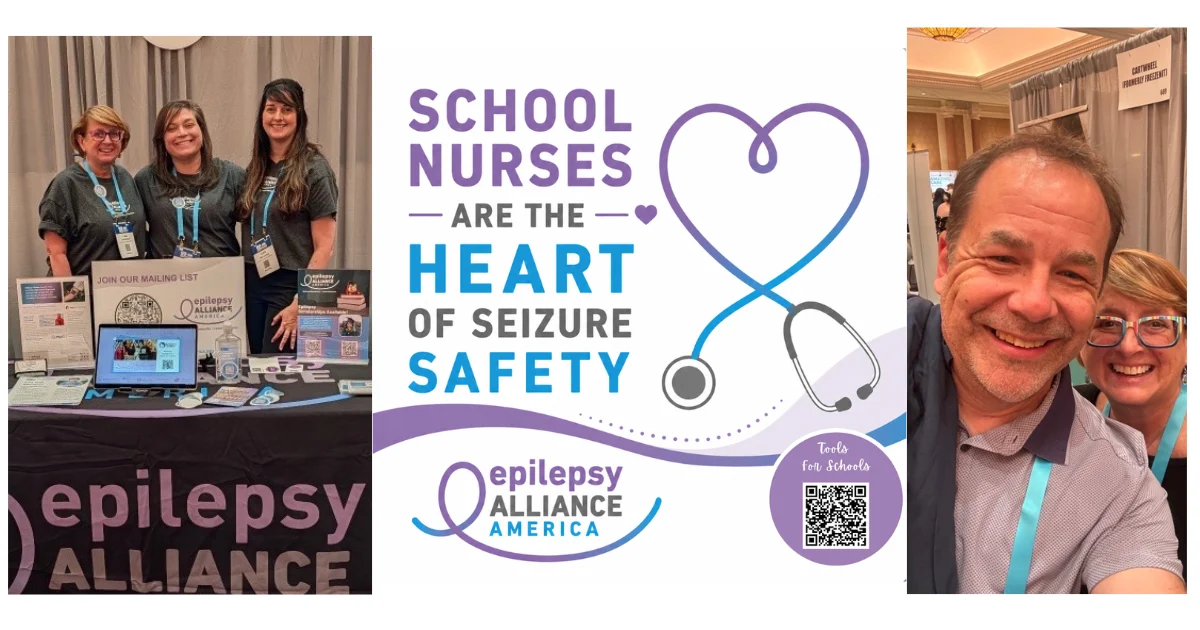
Las Vegas, Nevada – In a significant stride towards fostering safer and more inclusive educational environments for students living with epilepsy, Epilepsy Alliance America (EAA) proudly announced its impactful participation as an exhibitor at the National Association of School Nurses (NASN) 2026 Conference. Held earlier this month at the iconic Caesars Palace in Las Vegas, Nevada, the annual conference served as a vital nexus for school nurses from across the United States, providing a critical platform for learning, sharing best practices, and collectively strengthening the health and safety frameworks that protect students nationwide.
n
Epilepsy Alliance America’s presence underscored its unwavering commitment to empowering the frontline healthcare professionals within schools. Through an engaging exhibit booth in the bustling conference hall, EAA provided an invaluable trove of resources and critical information. This included comprehensive guidance on seizure recognition and response, the crucial development and implementation of seizure action plans (SAPs), and an array of educational tools meticulously designed to support students with epilepsy in navigating their academic and social lives within the school setting. The conference’s robust agenda also featured specialized sessions dedicated to epilepsy and seizure management, highlighted by a compelling presentation led by renowned school nurse and epilepsy advocate, Jason Raether. A central highlight for the EAA team was the unparalleled opportunity to directly connect with and engage the dedicated school nurses who, day in and day out, play an indispensable role in safeguarding the well-being and academic success of students living with epilepsy. These vital interactions, spanning conversations at the exhibit booth and during various networking events, enabled Epilepsy Alliance America to widely disseminate information about its pioneering training programs, comprehensive educational resources, and targeted advocacy initiatives, all meticulously crafted with the overarching goal of cultivating school environments that are not only safer but also profoundly more inclusive for every student.
n
Representing the formidable alliance were key leaders, including Lisa Gallipoli, Executive Director of Epilepsy Alliance America; Amanda Mitchell, a distinguished Board member of EAA who also serves as the Executive Director of the founding member organization, Epilepsy Alliance Louisiana; and Dr. Julie Lazzara, PhD, co-founder of Landon’s Legacy Foundation, a newly integrated member organization within the Alliance, bringing fresh perspectives and renewed dedication to the collective mission.
n
Main Facts
n
A Confluence of Care and Advocacy
n
The National Association of School Nurses (NASN) 2026 Conference is widely recognized as the premier annual gathering for school nurses across the United States. Its mission, deeply rooted in advancing the health and well-being of the nation’s student population, aligns perfectly with the core objectives of Epilepsy Alliance America. EAA’s strategic decision to exhibit at this influential event was a deliberate effort to directly reach the professionals who are often the first responders and primary caregivers for students experiencing health challenges, including epilepsy, within the school environment. The conference’s setting in Las Vegas, a central and accessible location, further facilitated broad participation, ensuring a diverse representation of school nurses from various geographical and socioeconomic backgrounds. The partnership between EAA and NASN represents a powerful synergy, combining clinical expertise with specialized advocacy to create a more informed and responsive educational system.
n
The Critical Role of School Nurses
n
School nurses stand as pillars of health and safety within educational institutions. Their responsibilities extend far beyond basic first aid, encompassing chronic disease management, health education, emergency preparedness, and acting as vital liaisons between students, families, healthcare providers, and school administration. For students with epilepsy, the presence of a knowledgeable and well-trained school nurse can be the difference between a minor incident and a serious medical emergency. These nurses are instrumental in identifying potential triggers, implementing prescribed seizure action plans, administering emergency medications, and providing crucial support that allows students with epilepsy to participate fully in school life without undue fear or limitation. EAA’s focus on connecting with these professionals directly acknowledges their indispensable role and seeks to equip them with the most current and effective tools and knowledge.
n
Empowering Through Education and Resources
n
Epilepsy Alliance America’s exhibit booth at the NASN conference served as a vibrant hub of information and exchange. The resources provided were not generic but specifically tailored to the unique challenges faced by school nurses. These included:
n
- n
- Seizure Recognition and Response Guides: Practical, easy-to-understand materials detailing various seizure types, warning signs, and appropriate first-aid responses. These guides are crucial for quick and effective intervention.
- Seizure Action Plan (SAP) Templates and Guidance: Comprehensive templates and detailed instructions on how to create individualized SAPs, which are essential medical documents outlining a student’s specific epilepsy diagnosis, medication regimen, emergency contacts, and step-by-step instructions for seizure management.
- Educational Tools for Students and Staff: Age-appropriate materials designed to educate students’ peers and school staff about epilepsy, helping to reduce stigma and foster a more understanding community. These include presentations, fact sheets, and interactive learning modules.
- Training Program Information: Details on EAA’s specialized training programs for school personnel, offering in-depth education and hands-on practice in seizure management.
- Advocacy Initiative Updates: Information on EAA’s ongoing efforts to promote "Seizure Safe Schools" legislation and other policy changes aimed at protecting students with epilepsy.
n
n
n
n
n
n
These resources are designed to be practical, accessible, and immediately implementable, ensuring that school nurses leave the conference not just informed, but also equipped with tangible tools to make a difference in their schools.
n
Chronology
n
Strategic Preparation: Setting the Stage
n
Months prior to the NASN 2026 Conference, Epilepsy Alliance America’s leadership team, spearheaded by Executive Director Lisa Gallipoli, engaged in meticulous strategic planning. The decision to prioritize the NASN conference was a calculated one, recognizing school nurses as primary gatekeepers of student health and crucial advocates for children with chronic conditions like epilepsy. The EAA team identified key messaging, developed new and updated educational materials, and streamlined their outreach strategy to maximize engagement during the event. This preparatory phase involved close collaboration between EAA’s national office and its member organizations, ensuring a cohesive and impactful presence. The goal was not merely to exhibit, but to initiate meaningful dialogues and forge lasting partnerships that would extend beyond the conference walls. The selection of specific EAA representatives, including a national executive director, a board member with grassroots experience, and a co-founder of a new member organization, reflected a deliberate strategy to showcase the breadth and depth of the Alliance’s expertise and commitment.
n
Engaging the Frontlines: Booth Interactions and Dialogue
n
Upon the opening of the NASN exhibit hall, Epilepsy Alliance America’s booth quickly became a focal point for many attendees. The EAA team, comprising Lisa Gallipoli, Amanda Mitchell, and Dr. Julie Lazzara, actively engaged with hundreds of school nurses who visited their station. Conversations at the booth were vibrant and often deeply personal. Nurses shared their experiences, challenges, and successes in managing students with epilepsy, ranging from navigating complex medication schedules to responding to unexpected seizures in classrooms and playgrounds. Many expressed a profound need for readily accessible, evidence-based resources, and EAA was positioned to fulfill this demand. The team provided hands-on demonstrations of their educational tools, walked nurses through the nuances of creating effective Seizure Action Plans, and discussed the benefits of their training programs. The immediate, positive feedback received highlighted the critical need for EAA’s expertise and support within the school health community.
n
Illuminating Insights: Featured Sessions and Expert Voices
n
Beyond the exhibit hall, the NASN 2026 Conference featured an enriching array of educational sessions, several of which directly addressed epilepsy and seizure management. A particularly impactful session was led by Jason Raether, a dedicated school nurse and an impassioned epilepsy advocate. Raether’s presentation, titled "Navigating Epilepsy in the School Setting: Practical Strategies for Nurses," delved into the latest clinical guidelines, best practices for emergency seizure management, and strategies for fostering an inclusive school environment. He shared real-world case studies, offering practical solutions to common dilemmas faced by school nurses. His session emphasized the importance of early recognition, rapid response, and the pivotal role of ongoing education for all school personnel. The enthusiastic attendance and the engaging Q&A segment that followed underscored the profound interest and urgent need for specialized knowledge on epilepsy among the nursing community. EAA representatives attended these sessions, further solidifying their understanding of the nurses’ perspective and identifying opportunities for future collaboration.
n
Beyond the Exhibit Hall: Fostering Lasting Connections
n
The conference was not solely about formal presentations and booth interactions; it also provided invaluable opportunities for informal networking. EAA representatives participated in various networking events, luncheons, and social gatherings, allowing for deeper, more personal connections with school nurses and other healthcare professionals. These interactions often led to discussions about regional challenges, the varying degrees of "Seizure Safe Schools" legislation across states, and the potential for EAA to support local school districts. The team exchanged contact information with numerous nurses interested in bringing EAA’s training and resources back to their schools and communities. These organic connections are crucial for building a sustainable network of advocates and ensuring that EAA’s message and resources reach even the most remote school districts.
n
Post-Conference Momentum: Sustaining the Impact
n
In the weeks following the NASN 2026 Conference, Epilepsy Alliance America has been actively engaged in follow-up activities. The extensive list of contacts gathered at the booth and during networking events is being systematically engaged. This includes sending out digital copies of resources, providing information about upcoming training webinars, and facilitating direct connections between interested nurses and their local EAA member organizations. The feedback forms collected during the conference are being analyzed to refine existing programs and identify new areas of need. The EAA leadership is also exploring potential formal collaborations with NASN on future initiatives, such as joint webinars, resource development, or advocacy campaigns. The conference served as a powerful catalyst, generating significant momentum that EAA is committed to leveraging for long-term impact on student health and safety.
n
Supporting Data
The Landscape of Epilepsy in Schools: A Statistical Overview
Epilepsy is one of the most common neurological conditions globally, and its prevalence among school-aged children underscores the critical need for specialized knowledge within educational settings. Estimates suggest that approximately 1 in 100 school-aged children lives with epilepsy, meaning that in an average elementary school of 500 students, there could be five children managing this condition. Furthermore, the Centers for Disease Control and Prevention (CDC) highlights that uncontrolled seizures can significantly impact a child’s development, academic performance, and overall quality of life. Children with epilepsy are at a higher risk for academic difficulties, including learning disabilities and attention deficits, partly due to the seizures themselves, but also due to medication side effects, stigma, and school absences. These statistics paint a clear picture of the pervasive need for well-informed school staff, particularly nurses, to ensure these students can thrive.
The Impact of Preparedness: Reducing Risks and Improving Outcomes
The availability of trained personnel and comprehensive Seizure Action Plans (SAPs) dramatically improves outcomes for students with epilepsy. Studies have shown that when a school nurse or trained staff member is present during a seizure, the likelihood of an emergency room visit decreases significantly. In schools without adequate training, a seizure can often lead to panic, inappropriate responses, and unnecessary ambulance calls, disrupting the learning environment and causing undue distress to the student and their peers. Conversely, schools that implement robust "Seizure Safe Schools" programs, which include staff training and individualized SAPs, report fewer seizure-related incidents requiring external medical intervention and a greater sense of security among students and parents. Data from pilot programs implementing comprehensive seizure management protocols have shown up to a 40% reduction in emergency calls for seizure-related events and a substantial increase in staff confidence in managing seizures effectively. This demonstrates the tangible, positive impact of the resources and training Epilepsy Alliance America provides.
Bridging the Knowledge Gap: The Power of Training Programs
Despite the prevalence of epilepsy, there remains a significant knowledge gap among general school staff regarding seizure recognition and first aid. A national survey of educators revealed that while a majority recognized generalized tonic-clonic seizures, many were unfamiliar with other common seizure types, such as absence or focal seizures, which can often be mistaken for daydreaming or behavioral issues. This lack of awareness can lead to delayed intervention, misdiagnosis, and inadequate support for affected students. Epilepsy Alliance America’s training programs are designed to bridge this gap, providing clear, concise, and actionable information. Their programs have, to date, reached thousands of educators and school nurses across the country, significantly enhancing their capacity to respond appropriately and confidently. For instance, post-training evaluations consistently show a 70-80% increase in participants’ self-reported confidence in managing a seizure and understanding seizure action plans, directly correlating with improved student safety and academic support. The sustained engagement at the NASN conference further validates the ongoing demand for such vital educational initiatives.
Official Responses
Voices from Epilepsy Alliance America
Lisa Gallipoli, Executive Director of Epilepsy Alliance America, expressed profound satisfaction with the conference outcome: "Our participation at the NASN 2026 Conference was an unequivocal success. To connect directly with hundreds of school nurses, the true unsung heroes in our schools, was incredibly rewarding. Their dedication is palpable, and their need for robust, accessible resources is clear. We believe that by empowering these nurses with our seizure recognition training, Seizure Action Plan tools, and educational materials, we are not just sharing information; we are quite literally saving lives and ensuring that children with epilepsy can attend school safely, without fear or limitation. This conference has energized our resolve to continue advocating for comprehensive ‘Seizure Safe Schools’ policies nationwide."
Amanda Mitchell, a Board member of EAA and Executive Director of Epilepsy Alliance Louisiana, highlighted the grassroots impact: "Coming from a state-level organization, I understand firsthand the diverse challenges nurses face in different communities. What resonated most with me were the countless stories from nurses seeking practical solutions for their specific school environments. Epilepsy Alliance America provides those solutions. Our strength lies in our collective approach, uniting efforts from organizations like Epilepsy Alliance Louisiana to ensure that every child, regardless of where they live, has the support they need. The nurses we met today are our strongest allies in this mission, and their feedback is invaluable as we continue to refine our programs."
Dr. Julie Lazzara, PhD, co-founder of Landon’s Legacy Foundation and a new EAA member organization, shared a deeply personal perspective: "As a parent whose child, Landon, lived with epilepsy, I know the profound anxiety that families experience when sending their child to school. Our foundation joined Epilepsy Alliance America because we believe in the power of collective advocacy and comprehensive education. Seeing the enthusiasm and genuine interest from these school nurses gives me immense hope. It signifies a growing commitment to understanding epilepsy and creating environments where children like Landon can thrive, free from the worry of an unmanaged seizure. This conference has reinforced the critical importance of organizations like ours, working together, to transform awareness into action."
Perspectives from the National Association of School Nurses
A representative from the National Association of School Nurses (NASN), who preferred not to be named but spoke on behalf of the conference organizing committee, commented on the value of EAA’s involvement: "The NASN 2026 Conference is dedicated to equipping school nurses with the most current knowledge and resources to address the multifaceted health needs of students. We were delighted to welcome Epilepsy Alliance America as an exhibitor and a key contributor to our educational content. Their specialized expertise in seizure management and their comprehensive array of resources are invaluable to our members. The session led by Jason Raether was particularly well-received, underscoring the vital role of specialized training in managing chronic conditions like epilepsy. Partnerships with organizations like EAA are essential for us to deliver on our promise of supporting student health and safety across the nation."
Advocates on the Frontlines
Jason Raether, the school nurse and epilepsy advocate who presented at the conference, emphasized the practical application of knowledge: "My presentation focused on translating complex medical information into actionable strategies for school nurses. The reality is that epilepsy management in schools often falls squarely on their shoulders, and they need practical, confidence-building tools. The resources provided by Epilepsy Alliance America are precisely what nurses need—clear, comprehensive, and immediately applicable. The engagement at my session and the conversations I had afterwards with my peers highlight a strong desire for more specialized training, and EAA is uniquely positioned to deliver that."
Implications
Enhancing Student Safety and Well-being
The most direct and profound implication of Epilepsy Alliance America’s engagement at the NASN 2026 Conference is the immediate and long-term enhancement of student safety and well-being. By directly educating school nurses, EAA is bolstering the capacity of schools to respond effectively and compassionately to seizures. This means quicker recognition, appropriate first aid, reduced risk of injury, and a calmer, more supportive environment for the student experiencing a seizure. Beyond emergency response, empowered school nurses can better advocate for individualized care plans, monitor medication adherence, and ensure academic accommodations, fostering an environment where students with epilepsy can participate fully and achieve their full potential without the constant fear of unmanaged health incidents.
Strengthening School Health Protocols
EAA’s presence at the conference contributes significantly to strengthening overall school health protocols. The dissemination of best practices for Seizure Action Plans (SAPs) and emergency response protocols elevates the standard of care across participating schools. When school nurses are equipped with cutting-edge information and resources, they can champion the implementation of more robust, epilepsy-specific health policies within their districts. This includes advocating for mandatory staff training, developing clear communication channels between school and home, and ensuring that all necessary emergency medications are readily available and administered correctly. Such improvements in protocol contribute to a more resilient and responsive health infrastructure within the entire educational system.
Advancing Epilepsy Awareness and Advocacy
Beyond the immediate practical benefits, EAA’s participation serves as a powerful catalyst for advancing broader epilepsy awareness and advocacy. By engaging with a national audience of school health leaders, the conference elevates epilepsy as a critical public health issue within the educational sector. This increased visibility can lead to greater support for "Seizure Safe Schools" legislation, which mandates training for school personnel and the implementation of individualized SAPs. The collective voice of informed school nurses, coupled with EAA’s advocacy efforts, can significantly influence policymakers to enact legislation that protects students with epilepsy and ensures they receive the necessary support to thrive academically and socially. This creates a ripple effect, moving epilepsy from being a silently managed condition to one that is openly understood and proactively addressed.
A Blueprint for Future Collaboration
The success of Epilepsy Alliance America’s engagement at NASN 2026 lays a solid foundation for future collaborations between the two organizations. This partnership model, where a specialized advocacy group directly engages with a national professional association, can serve as a blueprint for addressing other chronic health conditions in schools. Potential future initiatives could include joint development of educational modules, co-sponsorship of webinars, collaborative research into best practices for chronic disease management in schools, and coordinated advocacy efforts at both state and federal levels. Such ongoing collaboration ensures that the latest medical advancements and best practices in epilepsy care are consistently integrated into school health services, ultimately benefiting countless students and their families for years to come. The conference was not merely an event, but a significant milestone in a continuing journey towards a future where every school is a seizure-safe school.

