
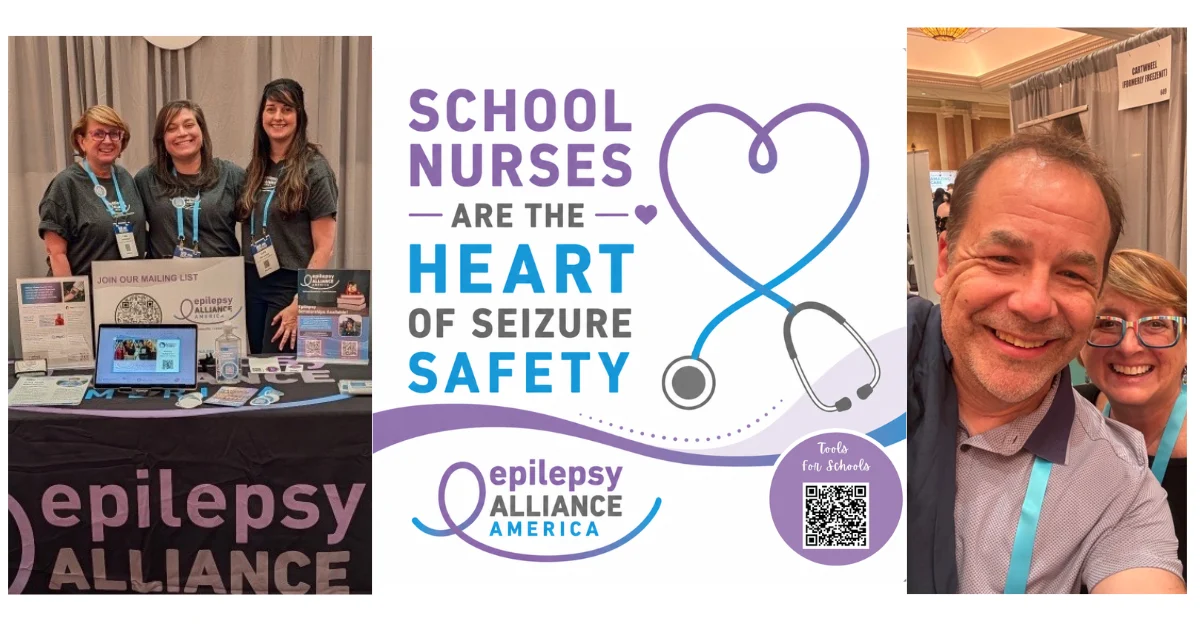
LAS VEGAS, NV – Epilepsy Alliance America, a leading national organization dedicated to improving the lives of individuals with epilepsy, proudly announced its successful participation in the National Association of School Nurses (NASN) 2026 Conference. Held earlier this month at the prestigious Caesars Palace in Las Vegas, Nevada, the annual gathering convened hundreds of school nurses from across the United States, providing a critical platform for professional development, the exchange of best practices, and the collective strengthening of health and safety protocols for students nationwide.
n
The Alliance’s presence at the NASN conference underscored its unwavering commitment to fostering safer, more inclusive educational environments for the nearly half-million children and adolescents living with epilepsy in the United States. Through an engaging exhibit booth, specialized resources, and direct engagement with the frontline healthcare professionals of schools, Epilepsy Alliance America reaffirmed the indispensable role of school nurses in managing epilepsy and responding to seizures effectively.
n
Main Facts: A Strategic Presence for Student Well-being
n
Epilepsy Alliance America’s participation as an exhibitor at the NASN 2026 Conference was a strategic move to directly address the critical need for enhanced seizure awareness and management within educational settings. The conference, a cornerstone event for school health professionals, served as an unparalleled opportunity to disseminate vital information and forge stronger connections with those who directly impact the daily lives of students with epilepsy.
n
At the heart of the Alliance’s efforts was a comprehensive exhibit booth strategically located within the conference exhibit hall. This hub of information provided a wealth of resources tailored specifically for school nurses and other school personnel. Key offerings included:
n
- n
- Seizure Recognition and Response Guides: Practical, easy-to-understand materials detailing how to identify different types of seizures and implement appropriate first-aid protocols, emphasizing safety and timely intervention.
- Seizure Action Plan Templates and Information: Guidance on developing individualized Seizure Action Plans (SAPs), which are crucial for outlining a student’s specific seizure triggers, medications, emergency contacts, and personalized response steps, ensuring a coordinated and effective approach to care.
- Educational Tools and Training Modules: Access to a suite of digital and print resources designed to educate school staff, students, and parents about epilepsy, demystifying the condition and fostering a more supportive environment. These tools range from age-appropriate lesson plans to in-depth training programs for educators.
- Advocacy Information: Details on state-specific "Seizure Safe Schools" legislation and broader advocacy initiatives aimed at implementing standardized training and care protocols across school districts.
n
n
n
n
n
Beyond the exhibit booth, the conference agenda itself featured sessions directly relevant to epilepsy and seizure management, highlighting the growing recognition of this health challenge within the school health community. A notable presentation was led by school nurse and dedicated epilepsy advocate, Jason Raether. His session, anticipated to draw significant attendance, focused on practical strategies for managing epilepsy in the school setting, sharing insights from his extensive experience on the front lines of student healthcare.
n
A highlight of the conference for Epilepsy Alliance America was undoubtedly the direct engagement with school nurses. These dedicated professionals, often the first responders to health crises in schools, play a pivotal role in ensuring the safety and academic success of students living with epilepsy. Through countless conversations at the exhibit booth and during networking events, the Alliance’s representatives were able to share details of their comprehensive training programs, educational resources, and ongoing advocacy initiatives. The overarching goal of these interactions was clear: to empower school nurses with the knowledge and tools necessary to create safer, more inclusive, and supportive school environments where students with epilepsy can thrive without fear or undue risk.
n
Chronology: A Focused Engagement Over Days
n
The National Association of School Nurses (NASN) 2026 Conference, a multi-day event, provided Epilepsy Alliance America with an immersive opportunity to engage with the school nursing community. The Alliance’s participation was meticulously planned to maximize impact, unfolding across several key phases:
n
Day 1: Arrival and Setup – Laying the FoundationnRepresentatives from Epilepsy Alliance America arrived in Las Vegas, settling into the vibrant conference atmosphere at Caesars Palace. The initial hours were dedicated to the meticulous setup of their exhibit booth in the bustling conference hall. This involved arranging informational materials, displaying educational posters, testing digital resources, and preparing for the anticipated influx of attendees. The team ensured that the booth was visually engaging, informative, and easily accessible, serving as a welcoming beacon for school nurses seeking resources on epilepsy. The evening often included an opening reception, providing a preliminary opportunity for informal networking and to gauge the conference’s overall energy and focus.
n
Day 2: Grand Opening and Initial Engagement – Connecting with Frontline HeroesnWith the official opening of the exhibit hall, Epilepsy Alliance America’s team initiated direct engagement with conference attendees. The booth quickly became a focal point for nurses interested in learning more about seizure recognition, emergency response protocols, and the development of effective Seizure Action Plans. Conversations ranged from basic awareness questions to in-depth discussions about specific challenges faced by nurses in diverse school districts. This day saw the distribution of numerous resource packets and the scheduling of follow-up communications. The team actively listened to the concerns and needs of school nurses, gathering invaluable insights that would inform future resource development and advocacy efforts.
n
Day 3: Deep Dives and Featured Presentations – Spotlight on EpilepsynThis day often features the most prominent educational sessions, and for Epilepsy Alliance America, it was particularly significant due to the presentation by Jason Raether. School nurses, seeking specialized knowledge, converged on sessions related to epilepsy and seizure management. Raether’s presentation, drawing from his unique perspective as both a school nurse and an epilepsy advocate, provided practical strategies, case studies, and best practices for supporting students with epilepsy. Epilepsy Alliance America actively promoted this session and its representatives attended, reinforcing their support for such vital educational content. Following the session, the Alliance’s booth likely saw an increased flow of attendees, eager to further discuss the topics presented and explore the Alliance’s specific tools and training programs. Networking events during the lunch breaks and in the evening allowed for more in-depth discussions and the establishment of new partnerships.
n
Day 4: Sustained Outreach and Collaborative Opportunities – Building Lasting BridgesnAs the conference neared its close, Epilepsy Alliance America maintained a strong presence, continuing to engage with nurses who might have missed earlier opportunities or wished for further information. This day often focused on identifying potential collaborators, discussing opportunities for local training initiatives, and exploring how Epilepsy Alliance America’s member organizations could provide tailored support to specific school districts. The team gathered contact information for school nurses interested in becoming "Epilepsy Ambassadors" within their schools or districts, fostering a network of informed advocates. The final hours of the exhibit hall were often spent in summarizing key interactions and consolidating commitments for future engagement.
n
Post-Conference: Follow-up and Integration – Translating Engagement into ActionnFollowing the conference, the work of Epilepsy Alliance America continued with a robust follow-up strategy. This included sending thank-you notes, distributing digital versions of requested resources, and initiating contact with nurses who expressed interest in specific programs or collaborations. The insights gained from direct conversations with school nurses were meticulously documented and integrated into the Alliance’s ongoing strategic planning, ensuring that their resources and advocacy efforts remain responsive to the real-world needs of schools and students.
n
Supporting Data: The Critical Need for Epilepsy Awareness in Schools
n
The presence of Epilepsy Alliance America at the NASN 2026 Conference is underpinned by compelling statistical data and the undeniable realities faced by students with epilepsy and the school nurses who care for them. Epilepsy, a chronic neurological disorder characterized by recurrent, unprovoked seizures, affects a significant portion of the student population, making informed care a paramount concern.
n
Prevalence and Impact:
n
- n
- Nationwide Scope: Approximately 470,000 children and adolescents under the age of 18 in the United States live with active epilepsy. This means that in any given school district, there are likely multiple students who require specialized care and understanding regarding their condition.
- Educational Disruption: Seizures can occur unexpectedly, leading to interruptions in learning, potential injuries, and social stigma. Students with epilepsy are at a higher risk for academic difficulties, including lower grades, increased absenteeism, and difficulties with social integration, often stemming from the unpredictability of their seizures and a lack of understanding from peers and staff.
- Emergency Situations: While many seizures are brief and resolve without medical intervention, some can be prolonged (status epilepticus) or require emergency medication. In such instances, immediate and correct first aid by trained personnel can be life-saving.
The Indispensable Role of the School Nurse:
- First Responders: School nurses are often the first, and sometimes the only, medically trained professionals available on campus when a seizure occurs. Their ability to recognize different seizure types, administer emergency medications, and manage post-seizure care is critical.
- Care Coordinators: Nurses are central to developing and implementing individualized Seizure Action Plans (SAPs), which are vital documents that guide staff on how to support a student with epilepsy. They liaise between parents, physicians, and school staff to ensure comprehensive and consistent care.
- Educators and Advocates: Beyond direct care, school nurses play a crucial role in educating teachers, support staff, and even fellow students about epilepsy, dispelling myths, and fostering a supportive and inclusive environment. They advocate for appropriate accommodations and resources for students with chronic health conditions.
Challenges and Gaps in Training:
- Varying State Regulations: While some states have passed "Seizure Safe Schools" legislation, mandating training for school personnel, implementation and the scope of training can vary widely. Not all states or districts have comprehensive policies in place.
- Lack of Uniform Training: Many school staff members, including teachers, coaches, and bus drivers, may lack adequate training in seizure recognition and first aid. This knowledge gap can lead to delayed or inappropriate responses, increasing the risk of injury or anxiety for students.
- Resource Constraints: School nurses, particularly in districts facing budget limitations, often manage a large caseload of students with diverse health needs. Providing them with high-quality, up-to-date resources and training on specific conditions like epilepsy is essential to maximize their effectiveness.
Epilepsy Alliance America’s resources directly address these challenges. By providing evidence-based training programs, accessible educational materials, and robust advocacy support, the Alliance empowers school nurses to bridge existing knowledge gaps and champion best practices. Their "Seizure Recognition and Response" guides and "Seizure Action Plan" templates are not merely informational; they are practical tools designed to standardize care, enhance safety, and ultimately, improve the educational and social outcomes for students with epilepsy across the country. The direct interaction at NASN allowed the Alliance to reinforce these critical support structures, directly equipping those on the front lines.
Official Responses: Voices from the Frontline of Advocacy
The participation of Epilepsy Alliance America at the NASN 2026 Conference was spearheaded by a dedicated team of leaders and advocates, each bringing a unique perspective and passion to the mission. Their official responses and reflections underscore the significance of the event and the Alliance’s ongoing commitment to student safety and well-being.
Lisa Gallipoli, Executive Director of Epilepsy Alliance America, articulated the profound impact of connecting directly with school nurses. "The NASN conference represents a unique and invaluable opportunity for us to engage with the very individuals who are on the front lines of student health every single day," Gallipoli stated. "School nurses are the unsung heroes who ensure that students with epilepsy receive the care, understanding, and support they need to thrive academically and socially. Our goal here was not just to share resources, but to listen, to learn from their experiences, and to reinforce that Epilepsy Alliance America stands as a steadfast partner in their crucial work. The positive reception to our seizure recognition and response materials, and particularly our Seizure Action Plan guidance, truly highlights the urgent need for standardized, accessible information in schools nationwide." She further emphasized, "Every conversation, every shared story, reaffirms our commitment to making every school a ‘Seizure Safe School.’"
Amanda Mitchell, a Board member of Epilepsy Alliance America and Executive Director of founding member organization Epilepsy Alliance Louisiana, spoke to the collective strength derived from the Alliance’s network. "As a representative of a state-level organization, I see firsthand the challenges and triumphs school nurses face in local communities," Mitchell explained. "This conference allowed us to amplify the resources and advocacy efforts that are so vital at the state level, benefiting from the national reach of the Alliance. We had incredible conversations about how our localized training programs, developed through our member organizations, can be further integrated and supported by the national framework. The opportunity to exchange best practices with nurses from across the country is truly invigorating and will undoubtedly strengthen our collective impact for students in Louisiana and beyond." Mitchell’s presence underscored the synergistic relationship between the national Alliance and its member organizations, each contributing to a broader movement for epilepsy awareness and safety.
Julie Lazzara, PhD, co-founder of Landon’s Legacy Foundation and a new member organization of the Alliance, shared a deeply personal perspective on the importance of the conference. "Landon’s Legacy Foundation was born from a profound personal experience, and our mission is rooted in ensuring no other family has to endure what we did due to a lack of understanding or preparedness around epilepsy," Dr. Lazzara conveyed with conviction. "To be here at NASN, connecting with hundreds of school nurses who are dedicated to protecting children, is incredibly powerful. It validates the critical need for our work and strengthens our resolve. We were able to share our story, but more importantly, we were able to provide tangible resources that can make a life-saving difference. Joining Epilepsy Alliance America has broadened our reach exponentially, and events like NASN are pivotal in equipping more schools with the knowledge to respond effectively to seizures, thereby protecting precious young lives." Dr. Lazzara’s voice added a poignant reminder of the human stories behind the statistics and the profound impact of informed care.
Collectively, these statements paint a picture of an organization deeply committed to its mission, leveraging national platforms to empower local action and drive systemic change in school health. The enthusiasm and dedication of the Epilepsy Alliance America team resonated throughout the conference, leaving a lasting impression on the school nurses with whom they engaged.
Implications: Paving the Way for Seizure-Safe Schools Nationwide
The successful participation of Epilepsy Alliance America at the NASN 2026 Conference carries significant implications for the future of epilepsy management in schools and for the broader community of individuals living with epilepsy. This strategic engagement is expected to yield multi-faceted benefits, strengthening both immediate support systems and long-term advocacy goals.
1. Enhanced Student Safety and Well-being:
Perhaps the most immediate and profound implication is the direct impact on student safety. By equipping hundreds of school nurses with enhanced knowledge of seizure recognition, response, and comprehensive Seizure Action Plan development, the Alliance has directly contributed to creating safer environments. Nurses who return to their schools better informed and resourced are better prepared to handle seizure emergencies, minimize risks of injury, and ensure appropriate medical attention. This translates into greater peace of mind for parents and students alike.
2. Improved Academic Outcomes and Social Inclusion:
When schools are better equipped to manage epilepsy, students with the condition experience fewer disruptions to their learning and are less likely to face stigma or discrimination. Consistent care, coupled with a supportive and understanding school environment, can lead to improved attendance, better academic performance, and enhanced social integration. Students with epilepsy can participate more fully in school life, confident that their health needs are understood and addressed.
3. Strengthened Role of School Nurses as Epilepsy Champions:
The conference empowered school nurses not only with resources but also with a reinforced sense of their critical role as advocates for students with epilepsy. By connecting them with national experts and a supportive network, Epilepsy Alliance America has helped solidify their position as key champions for epilepsy awareness and management within their respective school districts. These nurses are now better positioned to educate their colleagues, influence school policies, and drive the adoption of best practices.
4. Advancing "Seizure Safe Schools" Initiatives:
The Alliance’s presence at NASN directly supports and accelerates the national movement towards "Seizure Safe Schools." By disseminating information about model policies and successful legislative efforts, Epilepsy Alliance America is building momentum for the widespread adoption of standardized training requirements for all school personnel. This includes advocating for mandatory seizure first aid training, the implementation of individualized Seizure Action Plans for every student with epilepsy, and ensuring that school staff are familiar with emergency protocols.
5. Fostering Collaboration and Partnerships:
The direct engagement at the conference has undoubtedly forged new relationships and strengthened existing ones between Epilepsy Alliance America, its member organizations, and individual school nurses and districts. These connections are vital for establishing localized training programs, developing tailored resources, and fostering a collaborative network that can respond effectively to emerging needs. Future collaborations could involve joint training webinars, resource sharing agreements, and coordinated advocacy efforts.
6. Amplified Advocacy for Policy Change:
The insights gathered from school nurses during the conference will inform Epilepsy Alliance America’s ongoing advocacy efforts at both state and federal levels. Understanding the real-world challenges faced by school health professionals helps the Alliance to craft more targeted and effective policy recommendations, advocating for funding, legislative changes, and systemic improvements that benefit students with epilepsy across the nation.
7. Increased Public Awareness and Education:
Every interaction at NASN contributes to a broader ripple effect of increased public awareness. School nurses, upon returning to their communities, become crucial conduits for educating parents, teachers, and students about epilepsy, dispelling myths, and promoting understanding. This grassroots education is fundamental to fostering a more inclusive and knowledgeable society.
In conclusion, Epilepsy Alliance America’s active participation in the NASN 2026 Conference was far more than just an exhibition; it was a powerful affirmation of commitment, a strategic dissemination of life-changing resources, and a catalytic step towards creating a future where every school is a Seizure Safe School. By investing in the education and empowerment of school nurses, the Alliance is laying a robust foundation for enhanced safety, academic success, and overall well-being for students with epilepsy across the United States. The ripple effects of this engagement are expected to resonate for years to come, profoundly impacting countless young lives.

