
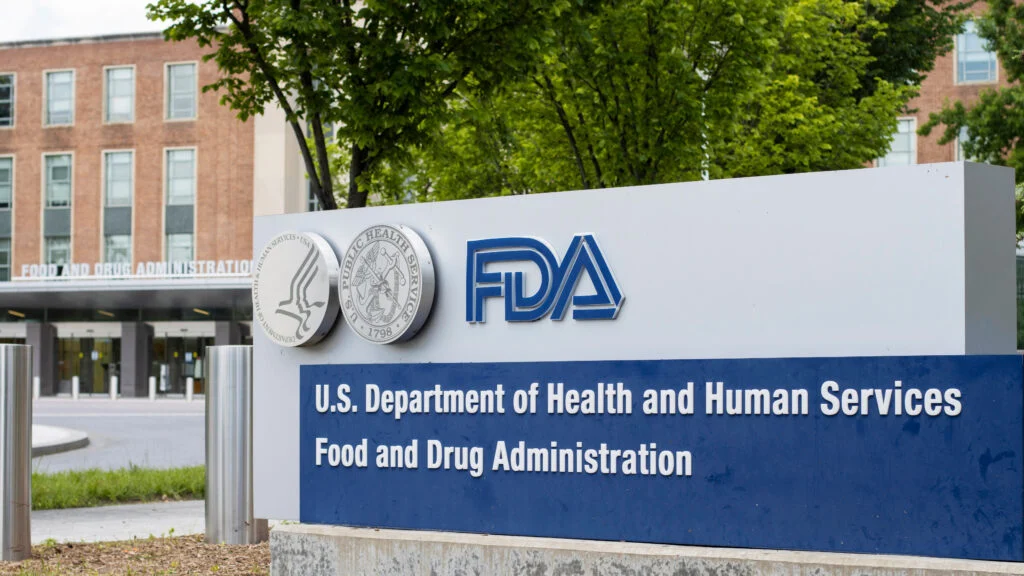
Gujarat, India – September 8, 2026 – In a significant move to safeguard the integrity of the U.S. pharmaceutical supply chain, the Food and Drug Administration (FDA) has issued an import alert against Shoolin Pharma, a prominent active pharmaceutical ingredient (API) manufacturer based in Gujarat, India. The regulatory action, triggered by a damning inspection report from April, cites a litany of unsanitary conditions and critical manufacturing deficiencies that compromise the safety and quality of essential drug components destined for American compounding pharmacies.
n
The FDA’s findings, detailed in an August 18 warning letter recently posted on the agency’s website, paint a disturbing picture of a facility where basic hygienic standards were severely lacking. Inspectors documented "residue and stains plastered on production walls, floors, and manufacturing equipment," "corrosion on a product line," and even an employee observed "wearing open-toed sandals" within critical manufacturing areas. These conditions, coupled with "incomplete laboratory testing records," prompted the FDA to enforce a complete halt on all product shipments from Shoolin Pharma into the U.S. last month.
n
Shoolin Pharma supplies APIs for more than a dozen medicines, including critical components for erectile dysfunction and anti-convulsant pills, which are then used by compounding pharmacies across the United States to create customized medications for patients. The abrupt cessation of imports raises immediate concerns about potential supply disruptions for these specialized medications and underscores the inherent vulnerabilities in the global pharmaceutical supply chain.
n
The Core of the Contamination Crisis: Main Facts
n
The FDA’s decision to issue an import alert against Shoolin Pharma is a direct consequence of severe violations of Current Good Manufacturing Practice (CGMP) regulations, as observed during an inspection in April. CGMP regulations are a set of standards established by the FDA to ensure that drug products meet specific quality standards and are safe, pure, and effective. The infractions at Shoolin Pharma were deemed sufficiently serious to classify the company’s products as "adulterated" under federal law, meaning they were manufactured under conditions that do not conform to CGMP.
n
The primary concerns revolve around the potential for contamination and compromised product integrity. APIs, as the foundational chemical components of finished drug products, must be manufactured under extremely stringent controls to prevent impurities, degradation, and cross-contamination. Any lapse at this stage can have profound consequences for patient safety, as these active ingredients are directly incorporated into medications without further significant purification or sterilization steps.
n
The specific findings highlighted by the FDA inspector point to a systemic failure in maintaining a controlled manufacturing environment:
n
- n
- Widespread Residue and Stains: The presence of residue and stains on walls, floors, and equipment within production areas is a clear indicator of inadequate cleaning and sanitization protocols. Such build-up can harbor microbial contaminants, chemical residues, or particulates, which can then inadvertently become incorporated into the APIs during processing. This poses a direct risk of introducing harmful substances into medications.
- Corrosion on a Product Line: Corrosion on manufacturing equipment is particularly alarming. It suggests either improper maintenance, the use of unsuitable materials, or exposure to harsh conditions that degrade the equipment over time. Corroded surfaces can shed metal particulates directly into the drug product, leading to physical contamination. Furthermore, corrosion can compromise the structural integrity of the equipment, creating crevices where microorganisms can proliferate and become difficult to remove, or leach unwanted chemicals into the API.
- Inadequate Personnel Gowning: The observation of an employee wearing open-toed sandals in a production area is a fundamental breach of aseptic and hygienic practices. In pharmaceutical manufacturing, particularly for APIs, personnel are a significant source of contamination. Strict gowning procedures, including closed-toe, sterile footwear, are essential to prevent the introduction of skin cells, hair, dust, and microorganisms from personnel into the manufacturing environment and, subsequently, into the product. This singular observation speaks volumes about a lax quality culture.
- Incomplete Laboratory Testing Records: This violation is perhaps the most critical from a quality assurance perspective. Comprehensive and accurate laboratory testing records are the bedrock of demonstrating product quality, purity, and potency. Incomplete records suggest either a failure to perform necessary tests, a selective reporting of results, or a lack of data integrity. Without verifiable testing data, there is no assurance that the APIs meet their specifications, are free from contaminants, or possess the stated concentration of the active ingredient. This undermines the entire quality control system and means the safety and efficacy of any drug made with these APIs cannot be reliably guaranteed.
n
n
n
n
n
The FDA’s action is not merely a bureaucratic formality; it is a critical intervention aimed at preventing potentially unsafe or ineffective medications from reaching American patients, particularly those who rely on the specialized formulations provided by compounding pharmacies.
n
A Timeline of Regulatory Scrutiny: Chronology
n
The events leading to the import ban unfolded over several months, culminating in the FDA’s decisive action:
n
- n
- April 2026: On-Site Inspection: An FDA inspector conducted a comprehensive on-site audit of Shoolin Pharma’s manufacturing facility in Gujarat, India. These routine or for-cause inspections are a crucial component of the FDA’s oversight of foreign drug manufacturers whose products enter the U.S. market. During this inspection, the aforementioned unsanitary conditions and manufacturing deficiencies were meticulously documented.
- May – July 2026: Data Review and Analysis: Following the inspection, the FDA’s Office of Global Operations and Center for Drug Evaluation and Research (CDER) meticulously reviewed the inspectional findings, photographic evidence, and any responses provided by Shoolin Pharma. This period is critical for the agency to assess the severity of the violations and determine the appropriate regulatory response.
- August 18, 2026: Warning Letter Issued: Based on the compelling evidence of CGMP violations, the FDA issued an official Warning Letter to Shoolin Pharma. A Warning Letter is one of the agency’s most serious enforcement tools, indicating that the company has committed significant violations that could lead to enforcement action if not promptly and adequately corrected. It demands a detailed response from the company outlining corrective actions.
- Late August 2026: Import Alert Initiated: Concurrently with or shortly after the Warning Letter, the FDA activated Import Alert 66-40, titled "Detention Without Physical Examination of Drugs From Firms Which Have Not Met Drug GMPs." This alert specifically targets Shoolin Pharma, instructing U.S. Customs and Border Protection to automatically detain all shipments of drug products or APIs from the company upon arrival at U.S. ports, without the need for physical examination to confirm contamination. This effectively halts all imports from the company.
- Early September 2026: Public Disclosure: The FDA’s Warning Letter, a public document, was posted on the agency’s website last week, bringing the regulatory action to public and industry attention. This transparency serves to inform U.S. drug purchasers and healthcare providers about potential quality issues and to underscore the FDA’s commitment to global oversight.
n
n
n
n
n
n
This chronological sequence demonstrates the FDA’s structured approach to regulatory enforcement, moving from initial observation to formal warning and ultimately to an import ban when critical quality standards are not met.
n
The Weight of Evidence: Supporting Data and Regulatory Framework
n
The FDA’s enforcement actions are not arbitrary; they are grounded in a robust regulatory framework designed to ensure drug quality. The violations observed at Shoolin Pharma directly contravene fundamental tenets of Current Good Manufacturing Practice (CGMP) regulations, specifically outlined in 21 CFR Part 211 of the Code of Federal Regulations.

n
Key CGMP Regulations Violated (Hypothetical but plausible):
n
- n
- 21 CFR Part 211.42 (Design and Construction Features): This section mandates that facilities be designed to prevent contamination. The widespread residue and stains suggest a failure to maintain cleanable surfaces and a proper state of repair.
- 21 CFR Part 211.56 (Sanitation and Maintenance): This regulation explicitly requires adequate sanitation procedures, including cleaning of buildings and equipment. The findings at Shoolin Pharma point to a severe breakdown in these essential practices.
- 21 CFR Part 211.65 (Equipment Construction): Equipment must be constructed to prevent contamination and must be maintained in a clean and orderly manner. The presence of corrosion on a product line directly violates this, as corroded surfaces are inherently difficult to clean and can contaminate products.
- 21 CFR Part 211.28 (Personnel Responsibilities): This section details the responsibilities of personnel, including requirements for proper clothing. An employee in open-toed sandals demonstrates a disregard for preventing contamination from personnel.
- 21 CFR Part 211.194 (Laboratory Records): This is a cornerstone of quality control. It mandates that laboratory records be complete, accurate, and scientifically sound. Incomplete records signify a critical failure to ensure product quality and integrity through proper testing and documentation.
n
The FDA’s regulatory arsenal includes various measures to address such violations. An Import Alert is particularly effective for foreign manufacturers as it allows the agency to refuse entry of products into the U.S. without extensive, shipment-by-shipment review. Import Alert 66-40 is one of the most frequently utilized alerts for drug products, signaling a broad and systemic failure to adhere to international quality standards expected for pharmaceuticals entering the U.S. market.
Historically, India has been a major source of APIs and finished drug products for the U.S., accounting for a significant portion of generic drug imports. While many Indian manufacturers adhere to high standards, the FDA has, over the past decade, significantly increased its oversight of overseas facilities. This has led to a series of import bans and warning letters issued to numerous Indian pharmaceutical companies for similar CGMP violations, including data integrity issues, unsanitary conditions, and inadequate quality control systems. These past actions serve as a precedent and underscore the FDA’s unwavering commitment to holding all global suppliers to the same rigorous standards as domestic manufacturers. The current action against Shoolin Pharma is thus part of a broader, ongoing effort to ensure the safety and quality of the global drug supply chain.
Industry Under Pressure: Official Responses
As of the public posting of the warning letter, Shoolin Pharma has not yet issued a public statement regarding the FDA’s findings or the import alert. However, the standard procedure following such a serious regulatory action would typically involve the company acknowledging receipt of the Warning Letter and outlining its immediate and long-term corrective actions.
Hypothetical Statement from Shoolin Pharma (if released):
"Shoolin Pharma acknowledges the receipt of the FDA Warning Letter dated August 18, 2026, and is fully committed to addressing the observations raised during the April inspection. We take these matters with utmost seriousness and have already initiated a comprehensive remediation plan. This includes a thorough review of our quality management systems, an overhaul of our facility sanitation protocols, retraining of all personnel on CGMP requirements, and a complete audit of our laboratory data integrity practices. We are working diligently and collaboratively with the FDA to resolve these issues swiftly and demonstrate our unwavering commitment to producing high-quality active pharmaceutical ingredients. Our priority remains the safety and well-being of patients worldwide, and we are confident that we will meet and exceed all regulatory expectations."
Such a statement, if issued, would be scrutinized by the FDA and the industry for its specificity, timeline, and sincerity. The FDA will expect not just promises, but demonstrable evidence of sustainable corrective and preventive actions (CAPA).
Beyond the immediate company, the broader pharmaceutical industry and trade associations are likely to take note. Organizations representing API manufacturers or generic drug companies often emphasize the importance of global quality standards.
Hypothetical Statement from a Trade Association (e.g., Indian Pharmaceutical Alliance):
"The Indian pharmaceutical industry is deeply committed to upholding the highest standards of quality and regulatory compliance. We continually educate our members on evolving global GMP requirements and encourage robust internal quality systems. While individual company compliance is paramount, incidents like these serve as a stark reminder of the critical importance of continuous vigilance and investment in quality infrastructure across the entire manufacturing ecosystem. We expect all our members to fully cooperate with regulatory authorities and implement swift and effective corrective actions."
In the U.S., compounding pharmacies that rely on Shoolin Pharma’s APIs are now faced with an urgent need to secure alternative suppliers.
Hypothetical Statement from a U.S. Compounding Pharmacy:
"Upon learning of the FDA’s import alert concerning Shoolin Pharma, our pharmacy immediately initiated a review of our inventory and supply chain. Patient safety is our highest priority, and we are actively working to identify and qualify alternative FDA-compliant API sources to ensure uninterrupted access to critical compounded medications. We maintain rigorous internal quality control measures for all incoming raw materials and will continue to uphold these standards."

These responses, both from the affected company and the broader industry, highlight the immediate challenges and the necessity for a coordinated effort to restore confidence and ensure patient safety.
Far-Reaching Consequences: Implications
The FDA’s import alert against Shoolin Pharma carries significant and multi-faceted implications, affecting the company itself, U.S. compounding pharmacies, patients, and the broader global pharmaceutical supply chain.
1. Immediate Impact on Shoolin Pharma:
- Loss of U.S. Market Access: The most direct consequence is the immediate and complete cessation of Shoolin Pharma’s ability to export APIs to the United States. Given the size and importance of the U.S. market, this represents a substantial loss of revenue and market share for the company.
- Reputational Damage: An FDA Warning Letter and import alert are severe public condemnations. This will undoubtedly damage Shoolin Pharma’s reputation not only in the U.S. but potentially in other international markets as well, as other regulatory bodies often monitor FDA actions.
- Financial Burden of Remediation: Lifting the import alert will require significant investment in facility upgrades, process improvements, personnel training, and potentially hiring external consultants. This remediation process can be costly and time-consuming, often taking many months or even years.
- Loss of Trust: Rebuilding trust with customers, particularly U.S. compounding pharmacies, will be a challenging endeavor, even after the import alert is lifted.
2. Impact on U.S. Compounding Pharmacies:
- Supply Disruptions: Compounding pharmacies rely on a steady supply of high-quality APIs to create custom medications. The sudden loss of Shoolin Pharma as a supplier for APIs used in erectile dysfunction and anti-convulsant pills will necessitate an urgent search for alternative, FDA-compliant sources. This process of qualifying new suppliers can be lengthy and complex, potentially leading to temporary shortages of specific compounded medications.
- Increased Costs: Finding new, qualified suppliers, especially under urgent circumstances, may lead to higher procurement costs for APIs. These increased costs could eventually be passed on to patients, making compounded medications more expensive.
- Heightened Scrutiny: This incident will likely prompt compounding pharmacies to review and strengthen their own vendor qualification processes, ensuring that their API suppliers meet the highest quality standards and are not on any FDA alert lists.
3. Patient Safety and Access:
- Risk of Substandard Medications: Before the import alert, there was a clear risk that APIs from Shoolin Pharma, manufactured under unsanitary conditions and with incomplete testing, could have led to substandard or contaminated compounded medications. This could have resulted in reduced efficacy, adverse reactions, or even serious health consequences for patients.
- Potential for Drug Shortages: Patients relying on specific compounded formulations for conditions like epilepsy (anti-convulsants) or other critical needs might face temporary disruptions in their medication supply if alternative API sources are not quickly secured by their pharmacies. While compounding pharmacies are designed to fill gaps, their ability to do so is contingent on reliable API supply.
4. Broader Implications for the Global Pharmaceutical Supply Chain:
- Reinforced FDA Vigilance: This action underscores the FDA’s unwavering commitment to overseeing the global pharmaceutical supply chain, regardless of where the manufacturing takes place. It sends a clear message to all foreign manufacturers that they must adhere to U.S. CGMP standards if they wish to access the American market.
- Importance of Supply Chain Resiliency: The incident highlights the vulnerabilities inherent in a globalized supply chain heavily reliant on a few key regions. It reinforces the need for greater diversification of API sources and enhanced supply chain transparency and traceability.
- Call for Stronger Due Diligence: U.S. drug purchasers, including compounding pharmacies and larger pharmaceutical companies, are reminded of their critical responsibility to conduct thorough due diligence on their foreign suppliers. Relying solely on a supplier’s assurances without independent audits or verification is risky.
- Data Integrity as a Critical Concern: The mention of "incomplete laboratory testing records" points to a persistent issue the FDA has identified globally. Data integrity failures are considered among the most severe CGMP violations because they undermine the entire quality assurance system and make it impossible to truly ascertain a product’s quality.
Looking Ahead:
For Shoolin Pharma, the path forward will involve a comprehensive and verifiable remediation effort. This typically includes:
- A detailed response to the FDA Warning Letter, outlining specific corrective and preventive actions for each observation.
- Implementation of CAPA plans, including facility upgrades, equipment repair/replacement, rigorous cleaning and maintenance schedules, comprehensive employee training on CGMP and aseptic techniques, and a complete overhaul of quality control and laboratory data management systems.
- An independent audit to verify the effectiveness of the implemented changes.
- A re-inspection by the FDA. The agency will need to conduct another on-site inspection to confirm that all deficiencies have been adequately addressed and that the company is operating in full compliance with CGMP.
Only after the FDA is satisfied that Shoolin Pharma has achieved sustainable compliance will the import alert be lifted. This process can be protracted, demanding significant resources and commitment from the manufacturer.
The case of Shoolin Pharma serves as a stark reminder of the complex challenges and critical importance of maintaining quality and safety in the global pharmaceutical ecosystem. The FDA’s firm stance reinforces the principle that patient safety must never be compromised, regardless of where the active ingredients originate. It’s a call to action for all stakeholders – manufacturers, regulators, and purchasers – to redouble their efforts in ensuring that every component of every medication meets the highest possible standards.

