
The landscape of public health insurance in the United States is currently navigating a period of unprecedented volatility and transformation. Following the massive enrollment surges of the COVID-19 pandemic and the subsequent "unwinding" of continuous coverage protections, Medicaid and the Children’s Health Insurance Program (CHIP) are now facing a new era of legislative reform. With the implementation of the 2025 Reconciliation Law and the looming introduction of work requirements in 2027, the safety net that millions of Americans rely on is undergoing its most significant structural shift in a generation.
n
Main Facts: The State of the Safety Net
n
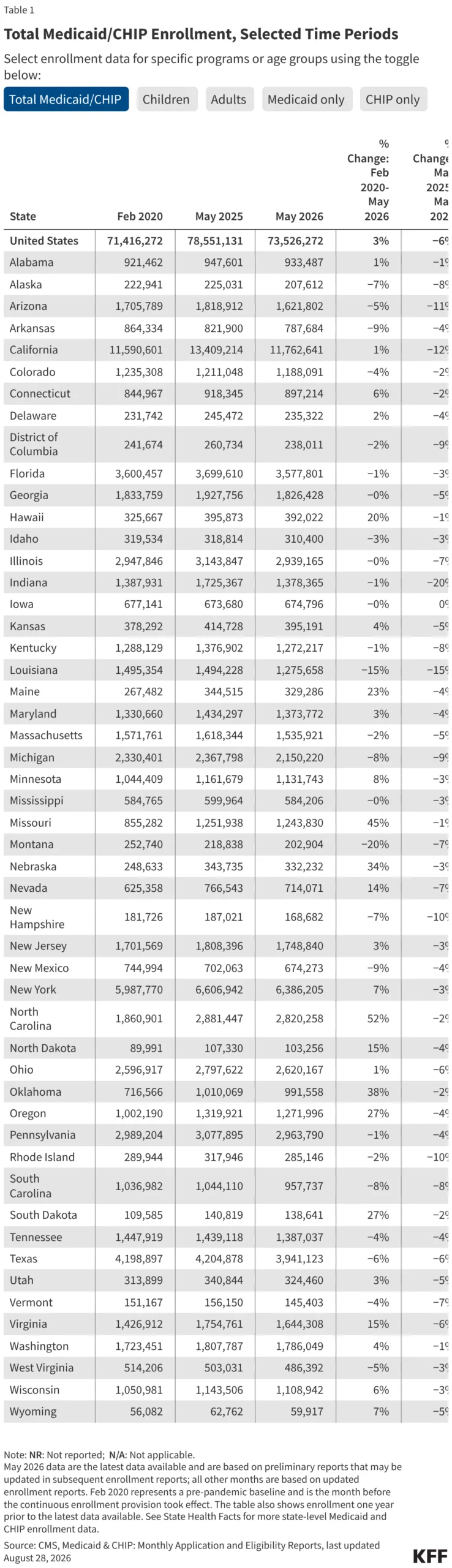
As of the latest data released by the Centers for Medicare & Medicaid Services (CMS) in mid-2026, Medicaid and CHIP enrollment figures have begun to stabilize, yet they remain central to the national discourse on healthcare access. The "unwinding" process—a period where states redetermined the eligibility of every single enrollee for the first time since 2020—has largely concluded, leaving a trail of significant statistical and human impact.
n
The most critical findings from the recent reporting period include:

n
- n
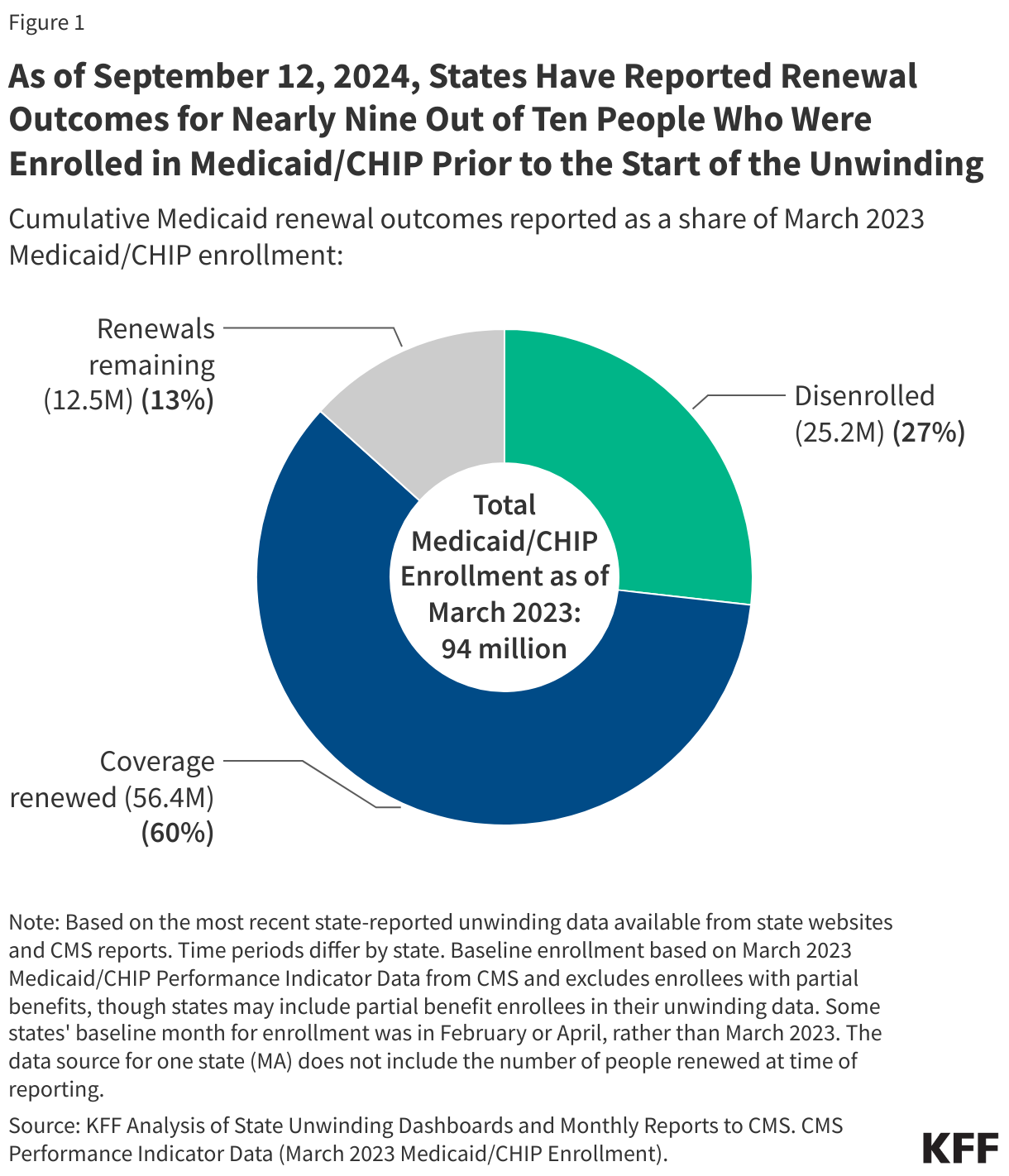
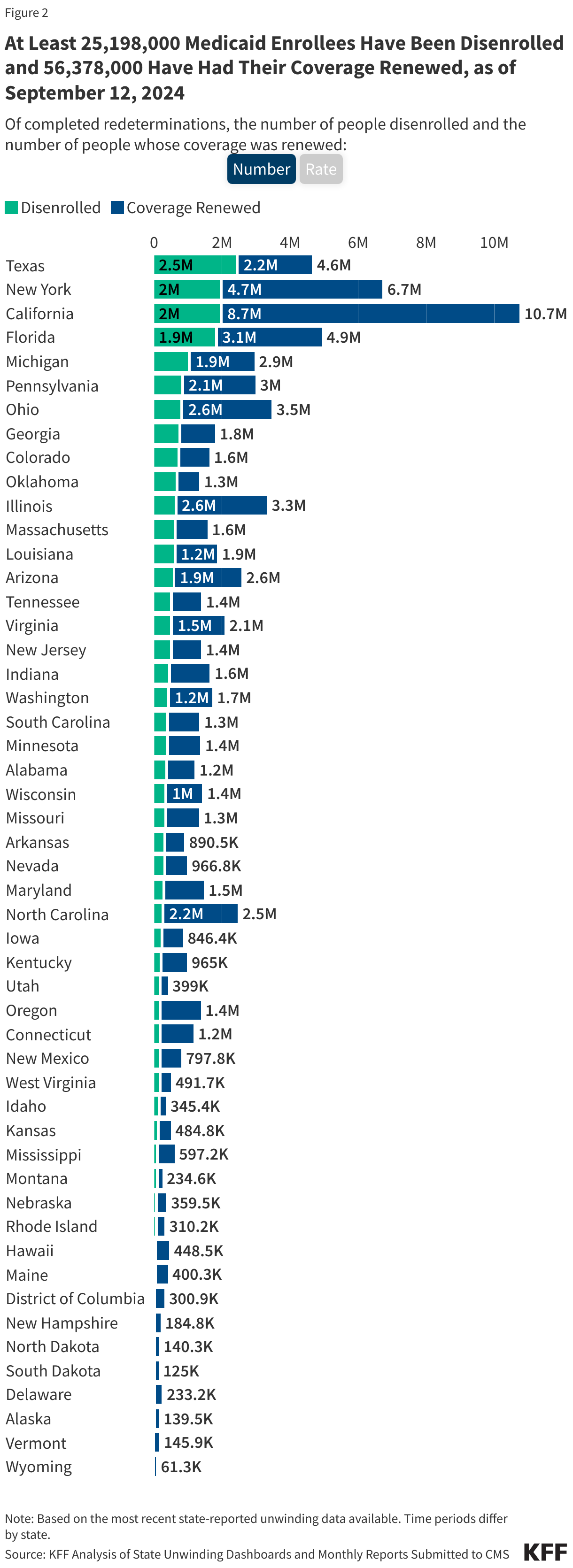
- Mass Disenrollment: At least 25,198,000 individuals were disenrolled from Medicaid during the unwinding period. Conversely, 56,378,000 enrollees successfully had their coverage renewed.
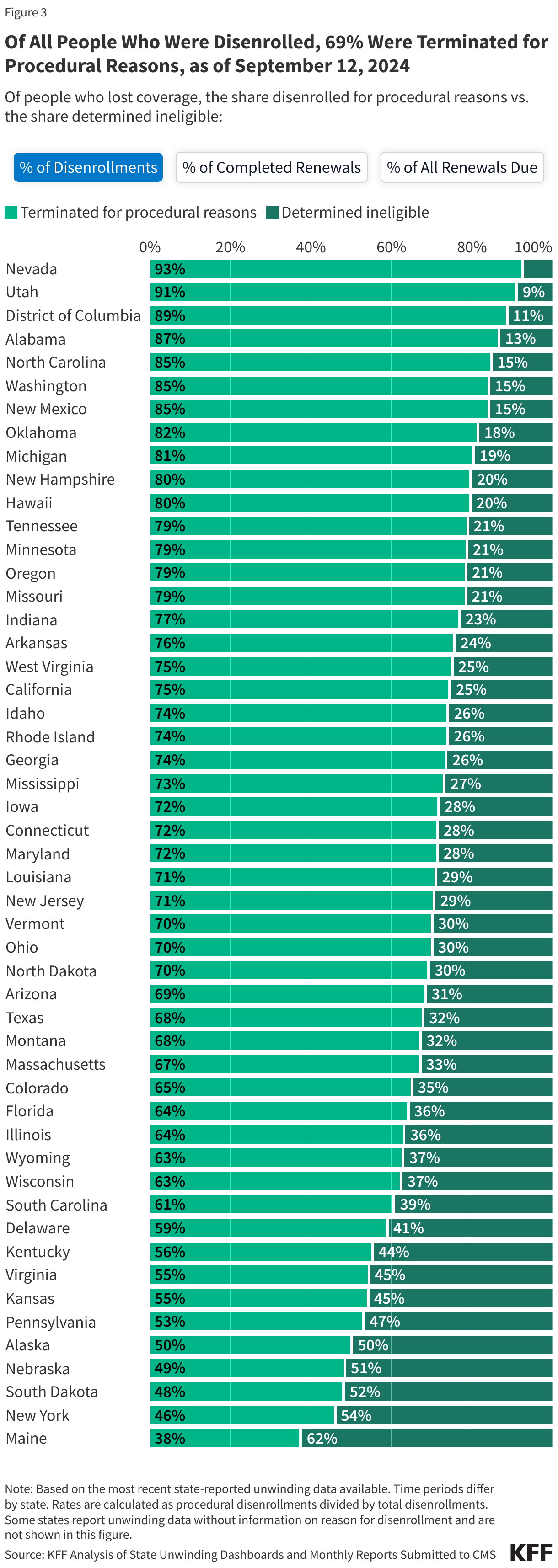
- The Procedural Hurdle: A staggering 69% of all disenrollments were attributed to "procedural reasons." These are not individuals determined to be over the income limit, but rather those who lost coverage due to paperwork errors, outdated contact information, or missed deadlines.
- Legislative Downsizing: The 2025 Reconciliation Law is projected to significantly reduce Medicaid enrollment over the next decade. By introducing work and reporting requirements for the expansion population starting in January 2027, the federal government anticipates a contraction in the total number of insured individuals.
- State-Level Disparity: There is a profound "postcode lottery" effect in Medicaid retention. Disenrollment rates vary wildly by geography, ranging from a high of 57% in Montana to a low of 12% in North Carolina.
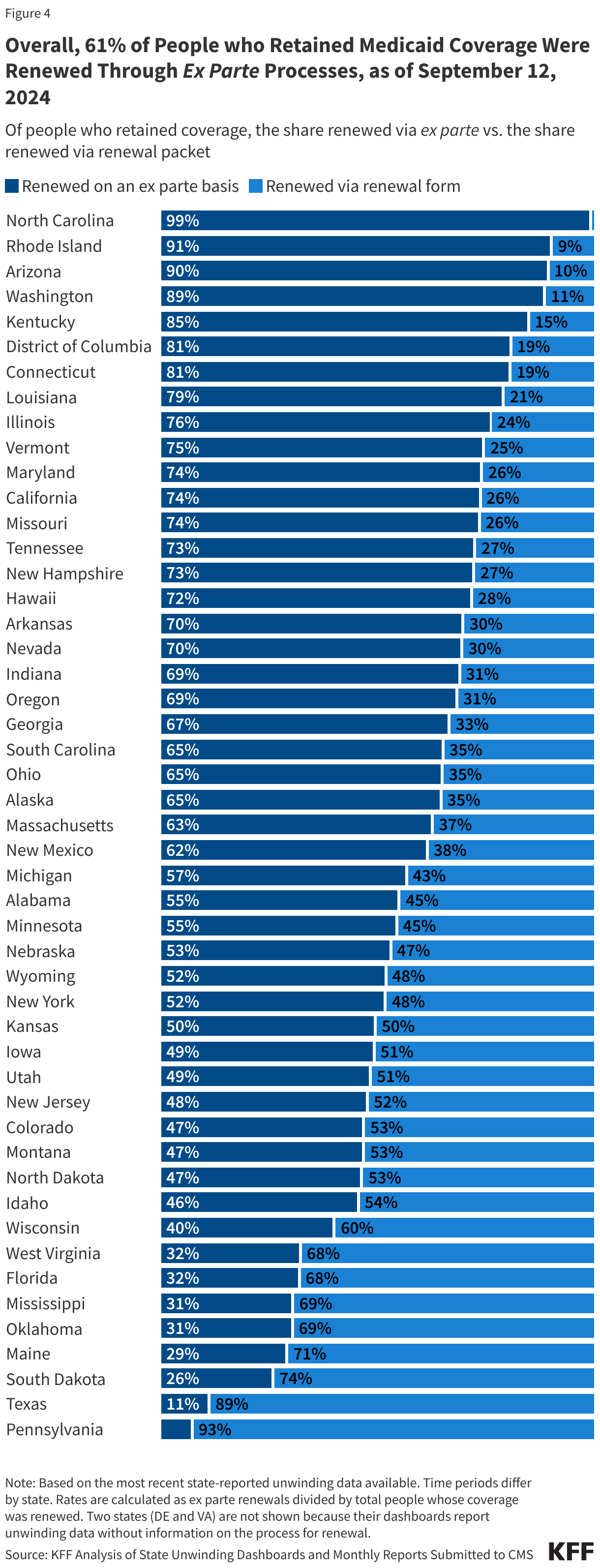
- Ex Parte Success: On a positive note, 61% of those who retained coverage were renewed through "ex parte" processes—automated renewals using existing data sources—which significantly reduces the administrative burden on families.
n
n
n
n
n
n
Chronology: From Pandemic Protection to Fiscal Reform
n
To understand the current state of Medicaid, one must trace the timeline of federal policy shifts over the last six years.
n
February 2020: The Pre-Pandemic Baseline
n
Before the global health crisis, Medicaid and CHIP operated under standard eligibility rules, with frequent redeterminations that often resulted in "churn"—individuals cycling on and off the program due to small fluctuations in income.
n
March 2020 – March 2023: The Continuous Enrollment Era
n
In response to the COVID-19 pandemic, Congress enacted the Families First Coronavirus Response Act. This provided states with enhanced federal funding on the condition that they maintained continuous enrollment for nearly all Medicaid participants. This led to record-high enrollment levels, providing a vital safety net during a period of economic instability.
n
April 2023 – September 2024: The Great Unwinding
n
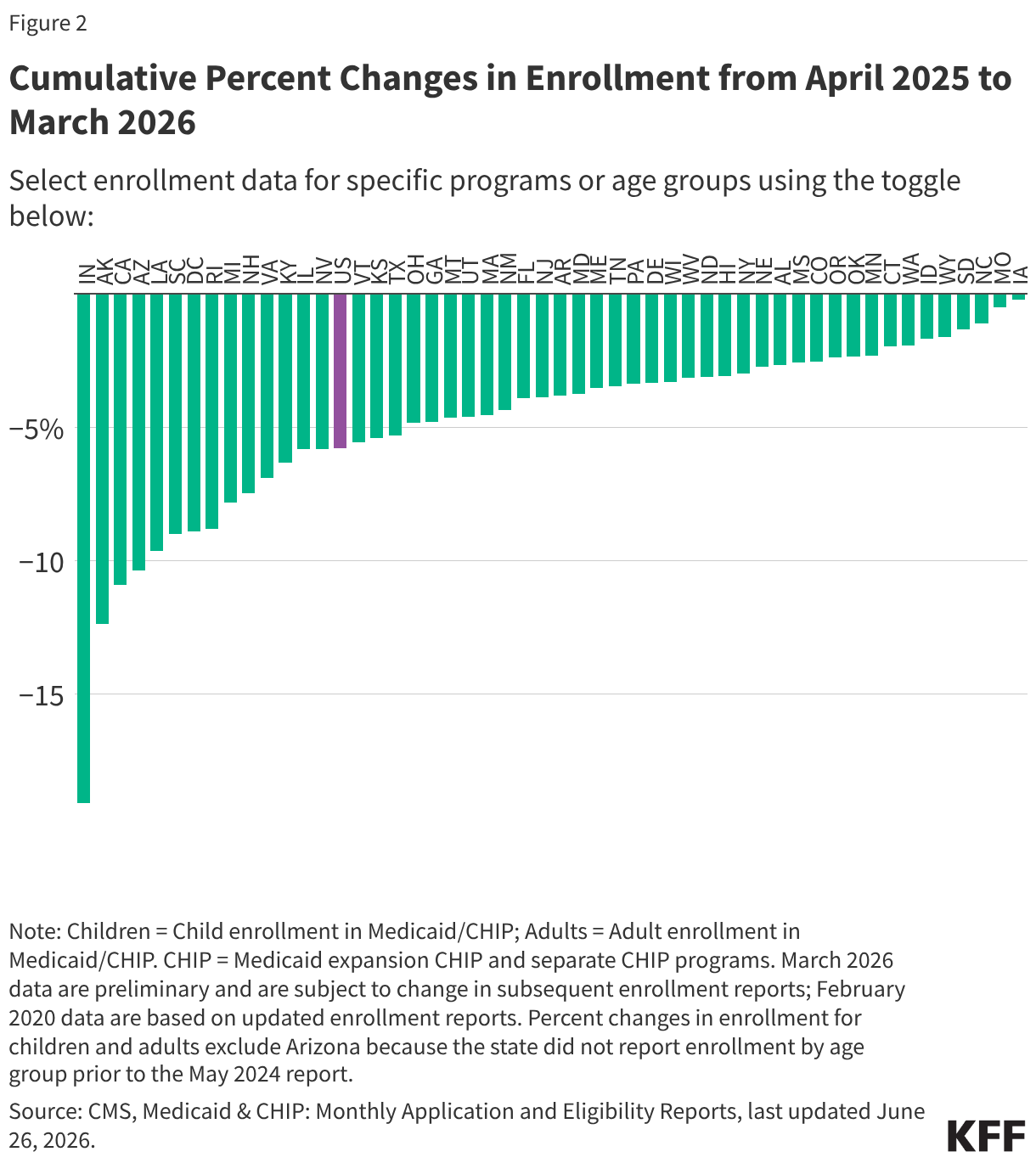
As pandemic-era protections expired, states began the monumental task of redetermining eligibility for nearly 90 million people. This "unwinding" period, which peaked in late 2023 and early 2024, saw the largest single contraction in Medicaid history. By September 12, 2024, most states had completed this process, though the data continues to be refined through 2026.
n
January 2025 – Present: The Reconciliation Law and Beyond
n
The passage of the 2025 Reconciliation Law marked a pivot toward fiscal conservatism and stricter eligibility mandates. While the law was enacted in 2025, its most controversial provisions—specifically the work and reporting requirements for the Medicaid expansion group—are slated for a January 2027 rollout.
n
Supporting Data: A Deep Dive into the Numbers
n
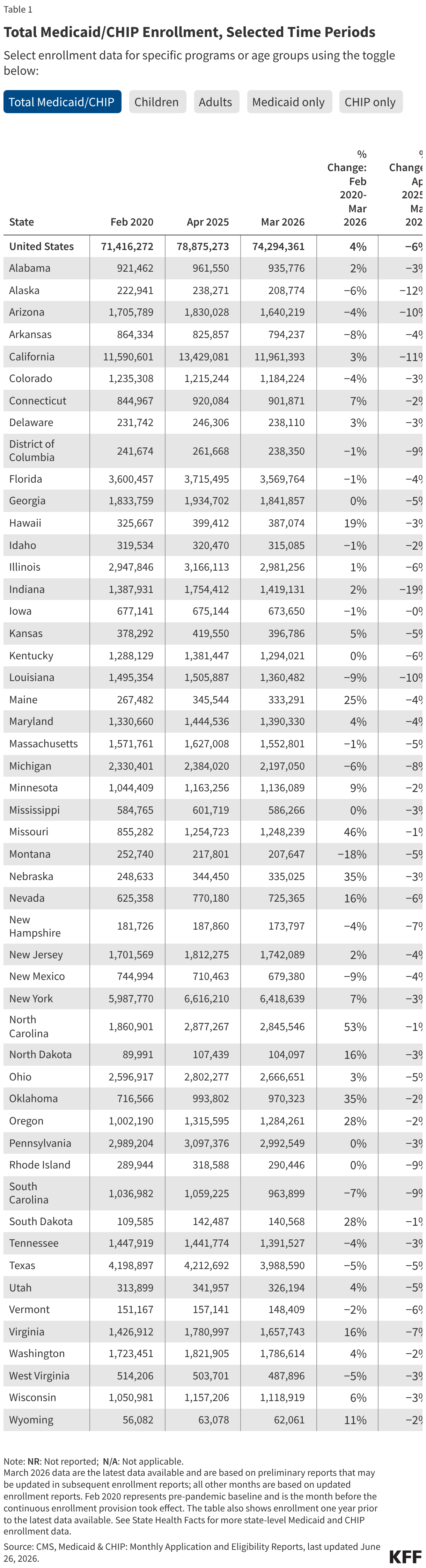
The data provided by the CMS Performance Indicator Project offers a granular look at how different populations have been affected by these shifts.
n
Enrollment by Population Segment
n
While total Medicaid/CHIP enrollment has fluctuated, the impact on children versus adults has shown distinct patterns. Child enrollment in CHIP and Medicaid is often more stable due to higher income thresholds, yet the "unwinding" still saw millions of children lose coverage, often due to the same procedural issues affecting their parents.
n
The Procedural Disenrollment Crisis
n
The 69% procedural disenrollment rate is a focal point for healthcare advocates. Data suggests that many of these individuals likely remain eligible for Medicaid but were caught in a "bureaucratic trap." When calculated as a share of all completed renewals, 21% of people were terminated for procedural reasons. When looking at all renewals due (including pending cases), 20% were lost to procedural issues.
n
Efficiency Through Automation
n
The use of "ex parte" renewals has been the primary tool for mitigating coverage loss. States that invested in robust data-sharing systems were able to automatically renew 61% of their enrollees. This highlights a clear correlation between state administrative technology and the stability of health coverage for low-income residents.
n
Geographic Volatility
The variation between states highlights the impact of local policy decisions:
- High Disenrollment States: Montana (57%), South Dakota, and Texas saw some of the highest rates of coverage loss.
- Low Disenrollment States: North Carolina (12%), Maine, and Oregon maintained much higher retention rates through more aggressive outreach and streamlined renewal processes.
Official Responses and Policy Framework
The Centers for Medicare & Medicaid Services (CMS) has maintained a rigorous oversight role throughout this transition. Through the Performance Indicator Project, CMS has required states to submit monthly reports on applications, eligibility determinations, and enrollment.
Federal Mitigation Strategies
In response to high procedural disenrollment rates, CMS authorized several "mitigation strategies." These allowed states to delay terminations for certain populations or use United States Postal Service data to update enrollee addresses. However, the effectiveness of these strategies varied depending on how aggressively a state chose to implement them.
The 2025 Reconciliation Law Mandate
The federal government’s official stance, as codified in the 2025 Reconciliation Law, emphasizes "personal responsibility" and "fiscal sustainability." By requiring adults in the expansion group and those under certain 1115 waiver programs to meet work and reporting requirements, the law aims to transition "able-bodied" adults toward private insurance.
Official projections from the Congressional Budget Office (CBO) and KFF analysis suggest these requirements will lead to a sustained decrease in enrollment over the next decade. Critics argue this will increase the uninsured rate, while proponents suggest it will focus resources on the most vulnerable populations.
Implications: The Future of Health Equity in America
The shifts in Medicaid and CHIP enrollment have profound implications for the American healthcare system, state budgets, and public health outcomes.
The Rise of the Uninsured
The most immediate implication is a likely increase in the national uninsured rate. While some individuals disenrolled from Medicaid may have transitioned to employer-sponsored insurance or the Affordable Care Act (ACA) Marketplace, many—particularly those disenrolled for procedural reasons—remain "unconnected" to any coverage. This often leads to delayed care, increased use of emergency rooms, and higher uncompensated care costs for hospitals.
Health Equity Concerns
Medicaid disproportionately serves people of color, individuals with disabilities, and rural populations. The high rate of procedural disenrollments suggests that the "administrative burden" of maintaining coverage falls most heavily on those with limited internet access, unstable housing, or language barriers. This threatens to widen existing health disparities.
State Budgetary Pressures
While the 2025 Reconciliation Law may reduce federal outlays, states face a complex fiscal reality. Reduced enrollment can lower state Medicaid spending, but it also reduces the federal matching funds (FMAP) that flow into state economies. Furthermore, states must now invest heavily in the IT infrastructure and staffing required to track and enforce the upcoming 2027 work requirements.
The 2027 Work Requirement Horizon
As January 2027 approaches, the focus of the Medicaid tracker will shift from "unwinding" to "compliance." The requirement for expansion adults to report work hours introduces a new layer of complexity. History from previous state-level work requirement experiments (such as in Arkansas) suggests that these mandates often result in coverage loss not because people aren’t working, but because they fail to navigate the reporting systems.
Conclusion
The data from May 2026 serves as a bridge between the chaos of the post-pandemic unwinding and the structured austerity of the 2025 Reconciliation Law. As the nation moves toward a more restrictive Medicaid environment, the role of data transparency and federal oversight will be more critical than ever in ensuring that the most vulnerable Americans do not fall through the widening cracks of the healthcare safety net.

