The global landscape of oncology and medical imaging has reached a critical juncture where the integration of artificial intelligence (AI) is no longer a luxury but a clinical necessity. In a significant move to address the complexities of breast cancer screening, GE HealthCare has announced an expansive multi-year partnership with DeepHealth, a subsidiary of RadNet, Inc., to broaden access to AI-powered screening solutions on a global scale. This strategic alliance represents a major evolution of a collaboration first established in early 2024, signaling a shift toward more integrated, cloud-native, and intelligent diagnostic environments designed to improve patient outcomes and operational efficiency.
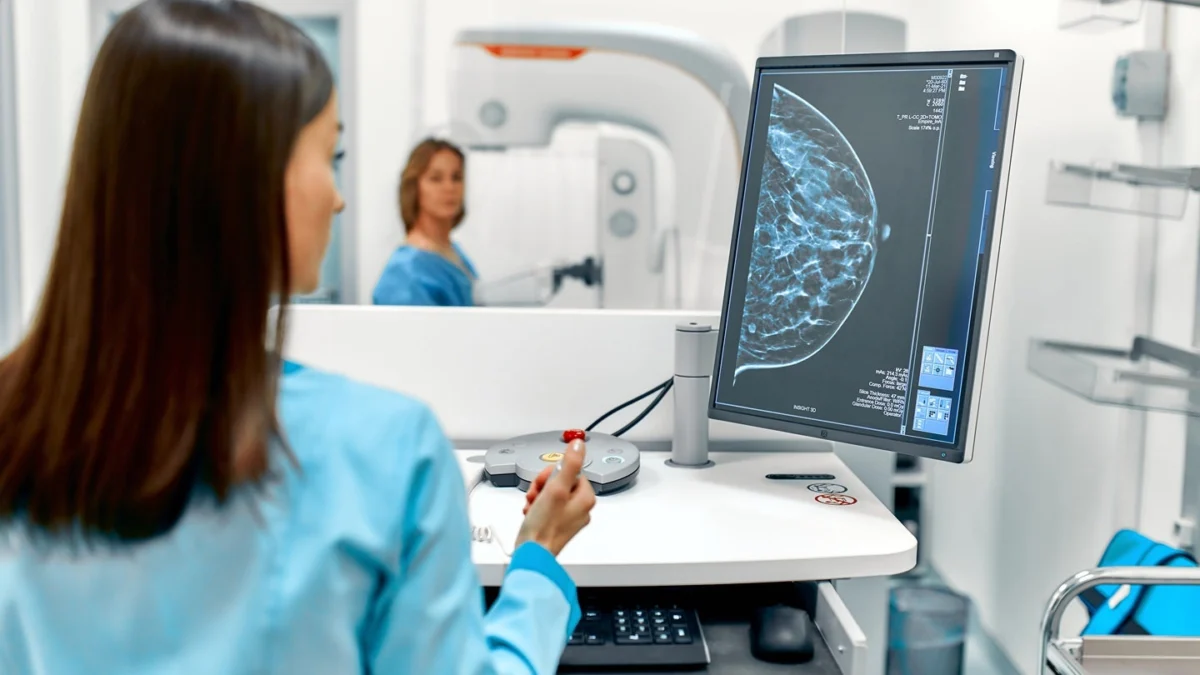
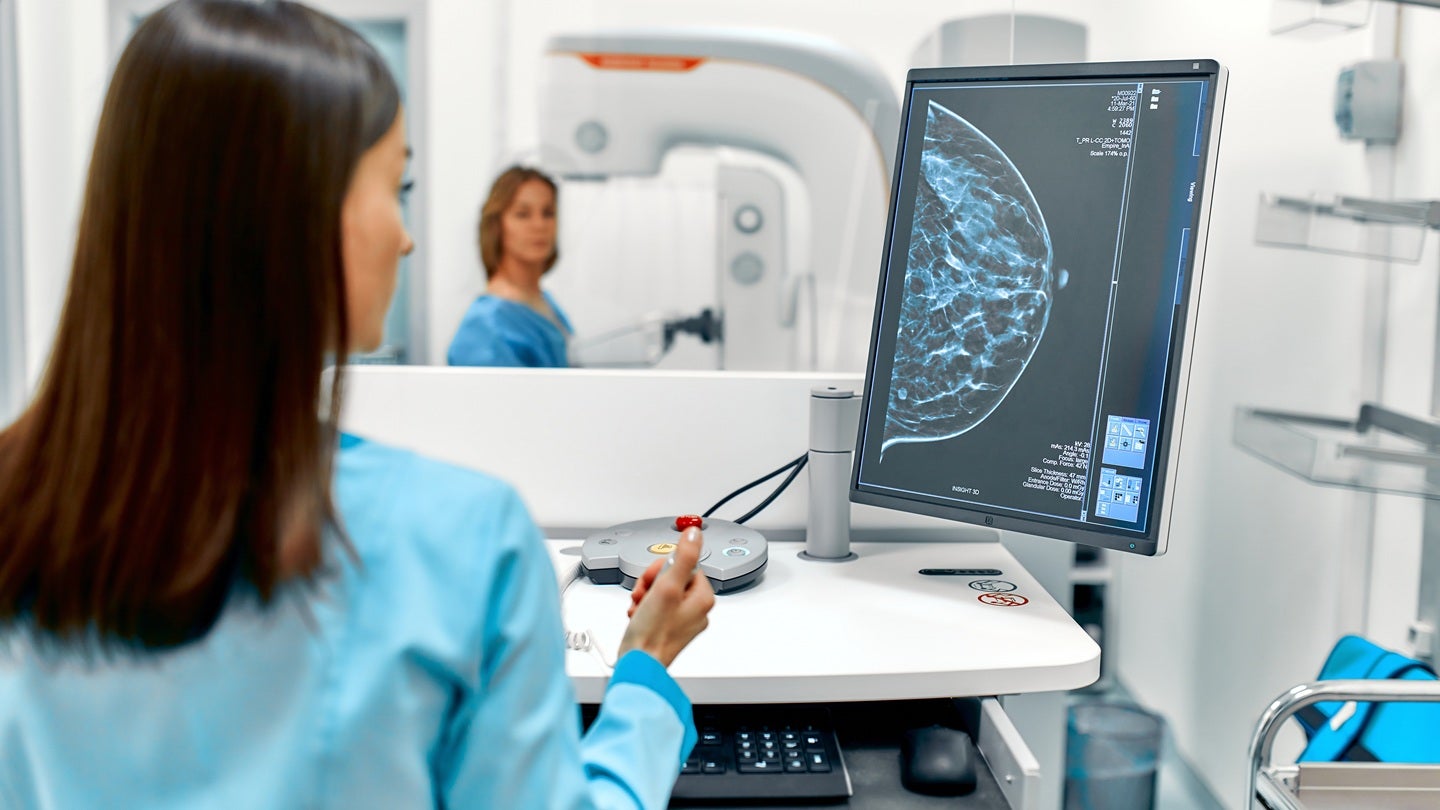
The expanded agreement centers on the integration of DeepHealth’s sophisticated AI "Breast Suite" with GE HealthCare’s market-leading Senographe Pristina mammography system and the Pristina Via workstation. By combining GE HealthCare’s advanced imaging hardware with DeepHealth’s high-performance AI algorithms, the two companies aim to provide clinicians with a modular, scalable, and highly accurate ecosystem for breast cancer detection and patient management.
A New Era of Precision in Women’s Health
Breast cancer remains one of the most prevalent and challenging malignancies worldwide. According to the World Health Organization (WHO), there were approximately 2.3 million women diagnosed with breast cancer and 670,000 deaths globally in 2022. Early detection is universally recognized as the most effective method for reducing mortality rates, yet the screening process is fraught with challenges, including high volumes of imaging data, a global shortage of specialized radiologists, and the inherent difficulty of detecting small lesions in dense breast tissue.
The partnership between GE HealthCare and DeepHealth addresses these hurdles by deploying AI as a "second reader" and a workflow orchestrator. This phase of the collaboration extends beyond the initial domestic pilot programs to include international markets, reflecting a shared vision of democratizing high-end diagnostic tools. The integration focuses on the DeepHealth Breast Suite, a cloud-first viewer and AI platform that offers a comprehensive array of tools, including lesion detection, breast density assessment, and prioritized worklists.
Jyoti Gupta, President and CEO of Women’s Health and X-ray at GE HealthCare, emphasized the patient-centric nature of the technology. "At GE HealthCare, we’re advancing women’s health through precision care built around the unique needs of women and enhanced by the power of AI," Gupta stated. "By integrating Breast Suite AI with our Pristina Via mammography system, we’re helping clinicians detect breast cancer early with greater confidence. These innovations move us closer towards truly personalized prevention and care for women."
Technical Synergies: Integrating Breast Suite with Senographe Pristina
The technical foundation of this partnership lies in the seamless interoperability between GE HealthCare’s Senographe Pristina and DeepHealth’s software. The Senographe Pristina system was originally designed with the patient experience in mind, featuring ergonomic designs meant to reduce anxiety and physical discomfort during compression—factors that often deter women from regular screening.
By layering DeepHealth’s Breast Suite onto this hardware, the diagnostic process becomes significantly more robust. The suite includes several key components that are now being distributed through GE HealthCare’s global channels:
- ProFound Pro: This module utilizes advanced AI for lesion detection and density assessment. In the context of 3D mammography (Digital Breast Tomosynthesis or DBT), ProFound Pro can analyze massive amounts of data in seconds, highlighting areas of concern that might be overlooked by the human eye, particularly in complex cases where lesions are obscured by overlapping tissue.
- Safeguard Review: This is an optional workflow specifically designed for complex case reviews. It provides a structured environment for radiologists to seek a "second opinion" from the AI, ensuring that even the most subtle indicators of malignancy are scrutinized.
- Pristina Via Integration: The Pristina Via platform acts as the bridge, allowing the modular, cloud-based AI tools to integrate directly into existing hospital and clinic workflows without requiring massive hardware overhauls.
The cloud-native nature of the Breast Suite is a critical factor. Unlike traditional "on-premise" software that requires local servers and manual updates, cloud-based solutions allow for real-time updates to AI models, ensuring that clinicians are always using the most current and validated algorithms. It also facilitates easier data sharing and remote viewing, which is essential for large healthcare networks and regional screening programs.
Chronology and Context: The Evolution of the Partnership
The relationship between GE HealthCare and DeepHealth began in earnest in early 2024. The initial phase focused on the technical feasibility of integrating DeepHealth’s AI with the Senographe systems within the United States market. The success of these early integrations demonstrated that the AI could not only improve detection rates but also reduce the "reading time" for radiologists—a critical metric in high-volume screening centers.
This expansion follows a broader trend in GE HealthCare’s business strategy. Since its spin-off from General Electric, GE HealthCare has doubled down on its "Precision Care" framework, which seeks to use data and AI to tailor medical interventions to individual patients. Earlier this month, GE HealthCare demonstrated this commitment in other surgical domains by integrating its bkActiv intraoperative ultrasound system with Medtronic’s Stealth AXiS surgical navigation system for cranial procedures.
The partnership with RadNet’s DeepHealth is particularly strategic because RadNet is one of the largest providers of outpatient diagnostic imaging services in the world. This provides DeepHealth with access to vast amounts of real-world clinical data, which is used to train and refine its AI models. For GE HealthCare, partnering with a subsidiary of a major imaging provider ensures that the AI solutions are "clinician-vetted" and practical for daily use.
Addressing the Global Radiologist Shortage and Diagnostic Fatigue
One of the primary drivers behind the rapid adoption of AI in mammography is the burgeoning crisis of radiologist burnout. In many countries, the volume of screening mammograms is increasing as populations age, while the number of qualified radiologists is stagnating or declining. Radiologists specialized in breast imaging often face "diagnostic fatigue," where the repetitive nature of reviewing hundreds of normal scans can lead to a decrease in sensitivity toward rare abnormalities.
The DeepHealth AI suite acts as a triage tool. By using prioritized worklists, the AI can flag scans with high-probability findings, allowing the radiologist to review the most urgent cases first. This "AI-first" workflow can significantly reduce the time a patient waits for a result, which in turn reduces patient anxiety and accelerates the start of treatment if a malignancy is found.
Furthermore, the "second reader" capability provided by the AI offers a safety net. In many European and Asian countries, double-reading (where two separate radiologists review every mammogram) is the standard of care. However, this is resource-intensive. The integration of AI as a validated second reader can help these regions maintain high standards of care while optimizing their existing workforce.
Clinical Significance of AI-Based Density Assessment
A pivotal aspect of the GE HealthCare and DeepHealth collaboration is the focus on breast density. High breast density is a double-edged sword: it is both an independent risk factor for developing breast cancer and a factor that makes cancer significantly harder to detect on a traditional mammogram, as dense tissue appears white on the image, much like a tumor.
Standardized density assessment has historically been subjective, with different radiologists often assigning different density scores to the same patient. ProFound Pro’s AI-based density assessment provides an objective, reproducible metric. This allows for more accurate risk stratification. If the AI identifies a patient as having "extremely dense" breasts, clinicians can immediately recommend supplemental screening, such as ultrasound or MRI, ensuring that no patient is left with a false sense of security due to a "masking effect" on their mammogram.
Strategic Implications for the MedTech Ecosystem
The expansion of this partnership underscores a broader consolidation and collaboration trend within the MedTech industry. Large hardware manufacturers like GE HealthCare are increasingly looking to software-specialized partners to provide the "intelligence" for their machines. This modular approach allows GE HealthCare to remain agile, incorporating best-in-class AI without having to develop every algorithm in-house.
For DeepHealth and RadNet, the partnership serves as a massive distribution engine. By leveraging GE HealthCare’s global sales force and existing installations in thousands of hospitals worldwide, DeepHealth can scale its technology far more rapidly than it could as a standalone software provider.
Market analysts suggest that this move will put pressure on other major players in the breast imaging space, such as Hologic and Siemens Healthineers, to further enhance their own AI offerings. The competition is expected to accelerate innovation in "multi-modal" AI—algorithms that can look not just at mammograms, but also incorporate patient history, genetic data, and previous imaging into a single risk score.
Future Outlook: The Road Toward Personalized Prevention
The ultimate goal of the GE HealthCare and DeepHealth alliance is to move from a "one-size-fits-all" screening model to a model of personalized prevention. In the future, the data gathered by the Senographe Pristina and analyzed by the Breast Suite could be used to determine not just if a woman has cancer today, but what her risk profile looks like for the next five to ten years.
As the collaboration moves into its international phase, the focus will shift toward localizing these AI tools for different populations and regulatory environments. This includes navigating the diverse requirements of the European Union’s Medical Device Regulation (MDR) and other regional health authorities.
The integration of AI into breast cancer screening is a transformative shift that promises to make healthcare more proactive and less reactive. By combining GE HealthCare’s legacy of engineering excellence with DeepHealth’s cutting-edge computational power, this partnership is setting a new standard for women’s health, ensuring that the power of AI is harnessed to save lives and streamline the path from detection to cure.