
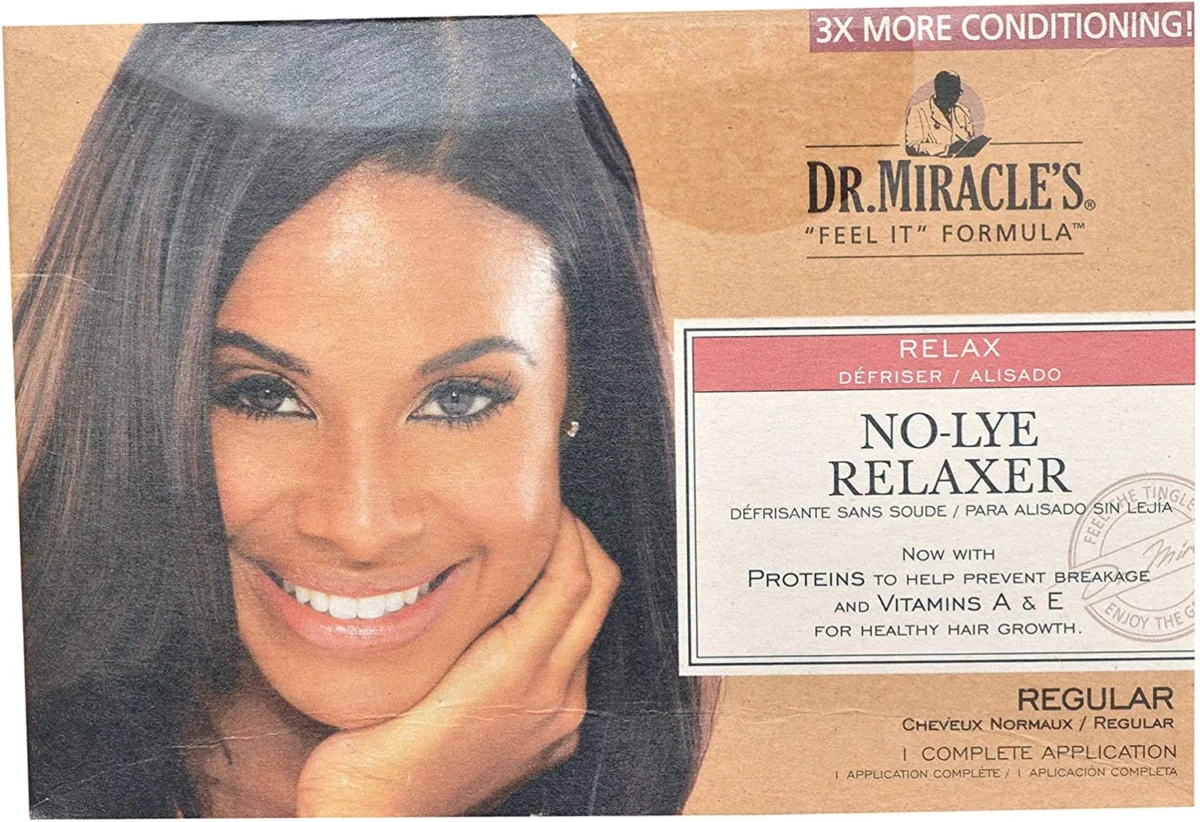
Washington D.C. – A wave of concern is sweeping across the United States as a popular hair relaxer, Dr. Miracle’s, faces intense scrutiny and a growing number of lawsuits linking its long-term use to serious health issues, including various forms of cancer. Consumers, many of whom have used these products for years, are now confronting troubling scientific evidence suggesting a correlation between chemical hair straighteners and an elevated risk of developing hormone-related diseases.
n
The allegations against Dr. Miracle’s are part of a broader legal movement targeting numerous manufacturers of chemical hair relaxers. These lawsuits contend that manufacturers failed to adequately warn consumers about potential health risks associated with ingredients in their products, specifically endocrine-disrupting chemicals. As scientific understanding evolves, the spotlight on cosmetic products and their long-term health implications intensifies, prompting a reevaluation of beauty routines and product safety standards.
n
Main Facts: Unpacking the Allegations
n
At the heart of the current controversy are claims that Dr. Miracle’s hair relaxer, like many other similar products on the market, contains chemicals that can disrupt the body’s endocrine system. This system is crucial for regulating hormones, and its disruption has been linked to a range of health problems, including several types of cancer and other reproductive health issues.
n
The immediate catalyst for many of these concerns and subsequent legal actions stems from a pivotal study published in October 2022. The National Institutes of Health (NIH) released findings from its long-running Sister Study, which provided compelling statistical evidence suggesting a heightened risk of uterine cancer among women who frequently use chemical hair straighteners. Specifically, the study indicated that women who used such products at least four times a year faced a significantly increased risk – as much as 150% higher – of developing uterine cancer compared to non-users.
n
This scientific revelation has emboldened individuals nationwide to seek legal recourse, alleging that they developed severe health conditions after prolonged exposure to these products without adequate warning. Lawsuits are being filed against Dr. Miracle’s and other manufacturers, claiming product liability due to the alleged presence of harmful chemicals and a failure to inform consumers of the associated risks. These legal challenges aim to secure compensation for medical expenses, pain and suffering, and other damages incurred by affected individuals.
n
Chronology: A Timeline of Emerging Concerns
n
The journey from widespread use of chemical hair relaxers to the current legal challenges is marked by a gradual accumulation of scientific inquiry and increasing public awareness.
n
Decades of Use (Pre-2000s): Chemical hair relaxers, including products like Dr. Miracle’s, have been a staple in the beauty routines of millions, particularly within the Black community, for decades. Marketed for their ability to achieve sleek, straight hair, these products became deeply embedded in cultural practices, often used from a young age. During this period, concerns about the long-term health effects of the chemical compounds used were largely anecdotal or limited to immediate irritations, with comprehensive epidemiological studies still nascent.
n
Early 2000s – 2010s: Initial Scientific Whispers: As scientific methods advanced and long-term health studies gained prominence, researchers began to explore potential links between various environmental exposures and disease. Early studies, though not always conclusive regarding hair relaxers specifically, started to raise questions about chemicals found in cosmetics, including phthalates, parabens, and formaldehydes, all of which are sometimes present in hair straighteners and are known or suspected endocrine disruptors. These initial inquiries laid the groundwork for more targeted research.
n
Mid-2010s: Growing Research into Endocrine Disruptors: The scientific community increasingly focused on the impact of endocrine-disrupting chemicals (EDCs) found in a wide array of consumer products. Studies began to explore how these chemicals could mimic or interfere with natural hormones, potentially influencing reproductive health, metabolic function, and cancer development. While direct links to hair relaxers were still being established, the broader understanding of EDCs set the stage for more specific investigations.
n
October 2022: The Sister Study Revelation: A pivotal moment arrived with the publication of findings from the National Institute of Environmental Health Sciences’ (NIEHS) Sister Study. This long-term research, which tracked tens of thousands of women, specifically identified a significant correlation between the frequent use of chemical hair straighteners and an increased risk of uterine cancer. This study, due to its large scale and rigorous methodology, provided some of the most compelling evidence to date, drawing a clear statistical link that resonated deeply with both the scientific and legal communities.
n
Late 2022 – Present: Surge in Litigation: In the wake of the Sister Study’s findings, a rapid escalation in legal actions began. Individuals who had developed uterine cancer, ovarian cancer, breast cancer, or uterine fibroids after years of using hair relaxers, including Dr. Miracle’s, began to file personal injury lawsuits. These cases consolidated into multidistrict litigation (MDL) in federal courts, streamlining the legal process for thousands of plaintiffs alleging similar injuries. The lawsuits argue that manufacturers knew or should have known about the risks and failed in their duty to warn consumers. This period marks the current active phase of legal battle, with extensive discovery and preparation for potential trials or settlements.
n
Supporting Data: The Science Behind the Claims
n
The scientific basis for the hair relaxer lawsuits against manufacturers like Dr. Miracle’s rests primarily on the emerging understanding of endocrine-disrupting chemicals (EDCs) and their potential role in cancer development.
n
The Sister Study (NIH): Conducted by the National Institute of Environmental Health Sciences (NIEHS), part of the National Institutes of Health, the Sister Study is a landmark investigation into environmental risk factors for breast cancer and other health conditions. The study enrolled over 50,000 women across the U.S. and Puerto Rico between 2003 and 2009, tracking their health and environmental exposures over many years.
n
The October 2022 publication from the Sister Study was particularly impactful. It revealed that women who reported using hair straightening products four or more times a year had more than twice the risk of developing uterine cancer compared to those who never used such products. While the study did not identify specific brands or ingredients, it highlighted the overall class of chemical hair straighteners. The findings suggested that chemicals absorbed through the scalp, particularly when irritations or burns are present, could enter the bloodstream and contribute to systemic health issues.
n
Endocrine-Disrupting Chemicals (EDCs): Many hair relaxers are alleged to contain a cocktail of chemicals that are known or suspected EDCs. These include:
n
- n
- Phthalates: Often used to make plastics more flexible and also found in fragrances. Some phthalates (e.g., Di(2-ethylhexyl) phthalate or DEHP) are classified as probable human carcinogens and are known to interfere with hormone signaling.
- Parabens: Used as preservatives in cosmetics. While some parabens occur naturally, synthetic parabens like methylparaben, propylparaben, and butylparaben have demonstrated estrogenic activity in laboratory studies, meaning they can mimic the hormone estrogen.
- Formaldehyde-releasing chemicals: Some products contain ingredients that release formaldehyde, a known human carcinogen. While primarily linked to respiratory cancers, its presence raises general health concerns.
- Lye (Sodium Hydroxide) and No-Lye (Guanidine Carbonate/Calcium Hydroxide): While these are the primary active straightening agents, their strong alkaline nature can cause burns and lesions on the scalp, potentially increasing the absorption of other harmful chemicals into the bloodstream.
n
n
n
n
n
Mechanisms of Action: The hypothesis underpinning the lawsuits is that chronic exposure to these EDCs, particularly through the highly permeable scalp, can lead to:
n
- n
- Hormonal Imbalance: EDCs can mimic natural hormones, block hormone receptors, or alter the synthesis and metabolism of natural hormones. This disruption can lead to an overgrowth of hormone-sensitive tissues, which is a known factor in the development of certain cancers (e.g., uterine, ovarian, breast cancer).
- Inflammation and Cell Damage: The harsh chemicals in relaxers can cause inflammation, burns, and micro-lesions on the scalp. This ongoing irritation can contribute to chronic inflammation, a recognized precursor to various cancers, and facilitate the absorption of other carcinogenic compounds.
- DNA Damage: Some chemicals may directly or indirectly cause damage to DNA, increasing the risk of cancerous mutations over time.
n
n
n
Types of Cancer and Conditions Alleged in Lawsuits: The Dr. Miracle’s lawsuits, alongside those against other manufacturers, primarily focus on the following health conditions:
- Uterine Cancer: The most direct link established by the Sister Study.
- Ovarian Cancer: Another hormone-sensitive cancer, where EDC exposure is a suspected risk factor.
- Breast Cancer: Particularly hormone-receptor-positive breast cancer, given the estrogenic properties of some EDCs.
- Uterine Fibroids: Non-cancerous growths in the uterus, but often hormone-sensitive and can cause significant health issues. These are also frequently cited in the lawsuits.
It is crucial to note that while scientific studies demonstrate correlations and plausible biological mechanisms, establishing direct causation in individual cases within a legal context is complex and requires detailed expert testimony and evidence. The lawsuits allege that the manufacturers failed to provide adequate warnings given the scientific literature available to them.
Official Responses: Manufacturers and Regulatory Bodies
As of the current reporting, specific public statements from Dr. Miracle’s regarding these particular lawsuits are not readily available in public records. However, the general stance of companies facing such widespread product liability litigation typically involves a vigorous defense.
Manufacturers like Dr. Miracle’s, when confronted with allegations of product harm, generally:
- Deny the allegations: They often assert that their products are safe when used as directed and meet all applicable regulatory standards.
- Challenge scientific causation: Companies and their legal teams frequently argue that the scientific evidence presented by plaintiffs demonstrates correlation, not causation, and that there are many confounding factors that could contribute to the development of complex diseases like cancer.
- Emphasize compliance: They may highlight their adherence to existing cosmetic regulations and industry safety protocols.
- Seek dismissal or settlement: While preparing for trial, manufacturers often engage in negotiations to potentially settle cases out of court, particularly in multidistrict litigation where thousands of similar claims are aggregated.
Regulatory Landscape: The cosmetic industry in the United States is primarily regulated by the Food and Drug Administration (FDA). However, the FDA’s authority over cosmetics is generally less stringent than its oversight of pharmaceuticals. Cosmetic products and their ingredients do not require pre-market approval by the FDA, except for color additives. Manufacturers are largely responsible for ensuring the safety of their products. This regulatory framework has been a point of contention for consumer advocacy groups and plaintiffs who argue that it allows potentially harmful chemicals to remain in products without sufficient scrutiny or mandatory warnings.
The lack of specific official responses from Dr. Miracle’s underscores the ongoing and often protracted nature of complex legal battles. The legal process will involve extensive discovery, expert witness testimony, and potentially, jury trials to determine liability and damages.
Implications: Far-Reaching Consequences
The lawsuits against Dr. Miracle’s and other hair relaxer manufacturers carry significant implications for consumers, the beauty industry, and the regulatory landscape.
For Consumers:
- Heightened Awareness: The legal actions and scientific revelations have brought critical attention to the potential health risks associated with chemical hair relaxers. This increased awareness empowers consumers to make more informed choices about the products they use.
- Shift in Beauty Practices: Many individuals, particularly within the Black community where these products have been historically prevalent, are re-evaluating their hair care routines. There’s a growing movement towards natural hair or alternative, less chemically intensive straightening methods.
- Legal Recourse: For those who believe they have been harmed, the ongoing lawsuits provide a pathway to seek justice and financial compensation for their suffering and medical expenses. It highlights the importance of understanding product liability rights.
- Disproportionate Impact: The focus on hair relaxers also sheds light on potential environmental justice issues, as communities of color have historically been targeted by marketing for these products and may therefore face disproportionately higher exposure risks.
For the Beauty Industry:
- Formulation Scrutiny: Manufacturers are likely to face increased pressure to reformulate products, removing or replacing potentially harmful chemicals, especially EDCs. This could lead to a wave of innovation in safer hair care alternatives.
- Transparency and Labeling: There will be a greater demand for transparency in ingredient labeling and clearer warnings about potential long-term health risks. Companies may need to adopt more rigorous safety testing protocols.
- Market Shifts: The market for chemical hair relaxers may shrink significantly, while the market for natural, organic, and less chemically aggressive hair care products is likely to expand.
- Reputational Damage: Companies like Dr. Miracle’s, regardless of the legal outcome, face reputational damage that could affect consumer trust and market share.
For Regulatory Bodies and Public Health:
- Calls for Stricter Regulation: The lawsuits and scientific findings could reignite calls for the FDA and other regulatory bodies to adopt more stringent oversight of cosmetic ingredients, including mandatory pre-market safety assessments for certain chemicals.
- Further Research: The ongoing legal and public health discourse will likely spur additional scientific research into the long-term effects of cosmetic chemicals on human health, especially within diverse populations.
- Public Health Messaging: Health organizations may need to develop clearer public health campaigns to educate consumers about potential risks associated with various personal care products.
The distinction between individual personal injury lawsuits and class-action suits is also an important implication. While the existing class-action lawsuits concerning hair relaxers often seek compensation for economic damages or medical monitoring, they typically do not compensate individuals for specific cancer diagnoses or severe injuries. For individuals diagnosed with cancer or uterine fibroids, pursuing an individual personal injury lawsuit is generally the recommended path to seek significant financial compensation for their specific injuries.
As the legal battles unfold, the cases against Dr. Miracle’s and other hair relaxer manufacturers are poised to have a lasting impact, reshaping consumer expectations, industry practices, and potentially the regulatory framework governing the multi-billion-dollar cosmetic industry. For those who suspect a link between their use of Dr. Miracle’s hair relaxer and a cancer diagnosis, seeking a professional legal review remains a crucial first step in understanding their rights and potential avenues for recourse.

