As the United States approaches the 2026 midterm elections, the landscape of voter priorities is undergoing a significant transformation. Historically, "the economy" and "health care" have been treated as distinct silos in political polling, with the former almost always taking precedence. However, new longitudinal data and recent tracking polls from KFF indicate that the two issues have effectively merged. For the first time in several election cycles, health care costs have surfaced as the primary economic anxiety for a plurality of the American electorate, potentially reshaping the campaign strategies for both major political parties.
While the economy remains the broad umbrella under which most voters cast their ballots, the specific components of economic distress have shifted. Inflation in the grocery aisle and at the gas pump dominated the 2024 cycle, but by early 2026, the rising cost of health insurance premiums and prescription drugs has taken center stage. This shift comes at a critical juncture as the nation grapples with the expiration of pandemic-era subsidies and a notable rise in employer-sponsored insurance costs.
The Evolution of Health Care as a Campaign Issue
To understand the current electoral climate, it is essential to trace the historical trajectory of health care in American politics. For over three decades, health care has been a "top-tier" issue, but its prominence has usually been tied to major legislative battles.
During the 1990s, the debate over President Bill Clinton’s proposed health care reforms kept the issue at the forefront of the 1992 and 1994 elections. Similarly, the passage of the Affordable Care Act (ACA) in 2010 served as a massive catalyst for voter turnout in the 2010 and 2014 midterms, though it often served as a rallying cry for Republican opposition at the time.
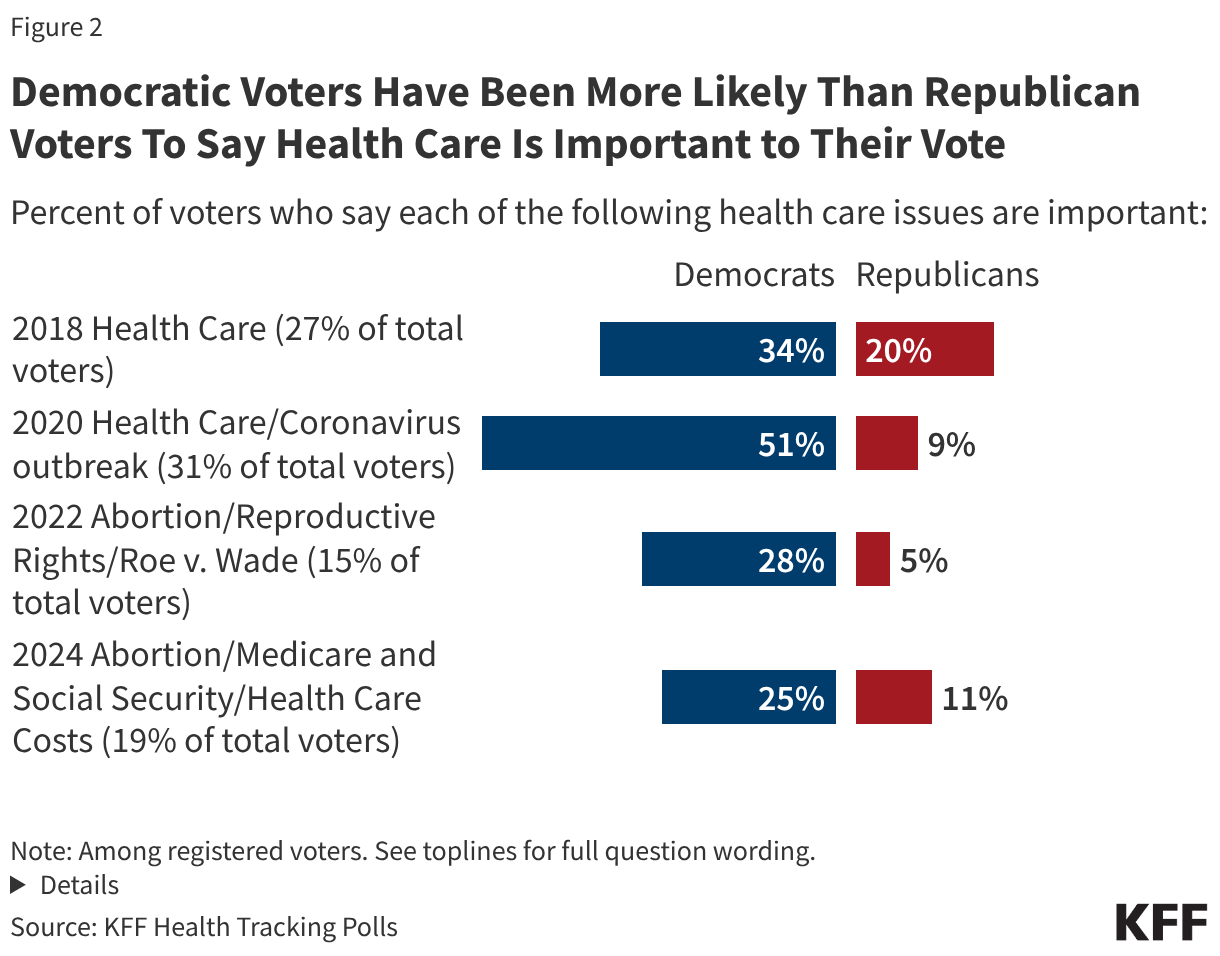
The most significant recent peak occurred during the 2018 midterm elections. Following a high-drama, failed attempt by the Republican-led Senate to "repeal and replace" the ACA in 2017, health care became the number one issue for voters. For the first time in modern polling history, it eclipsed the general economy in exit polls. Since then, the focus has fluctuated, shifting toward the COVID-19 pandemic in 2020 and abortion access following the 2022 Supreme Court decision to overturn Roe v. Wade.
By 2026, however, the focus has returned to the "pocketbook" aspect of health care. Unlike the ideological battles of the 2010s, the current concern is pragmatic: the sheer inability of the average household to afford medical care.
Tracking the Data: A New Peak in Economic Anxiety
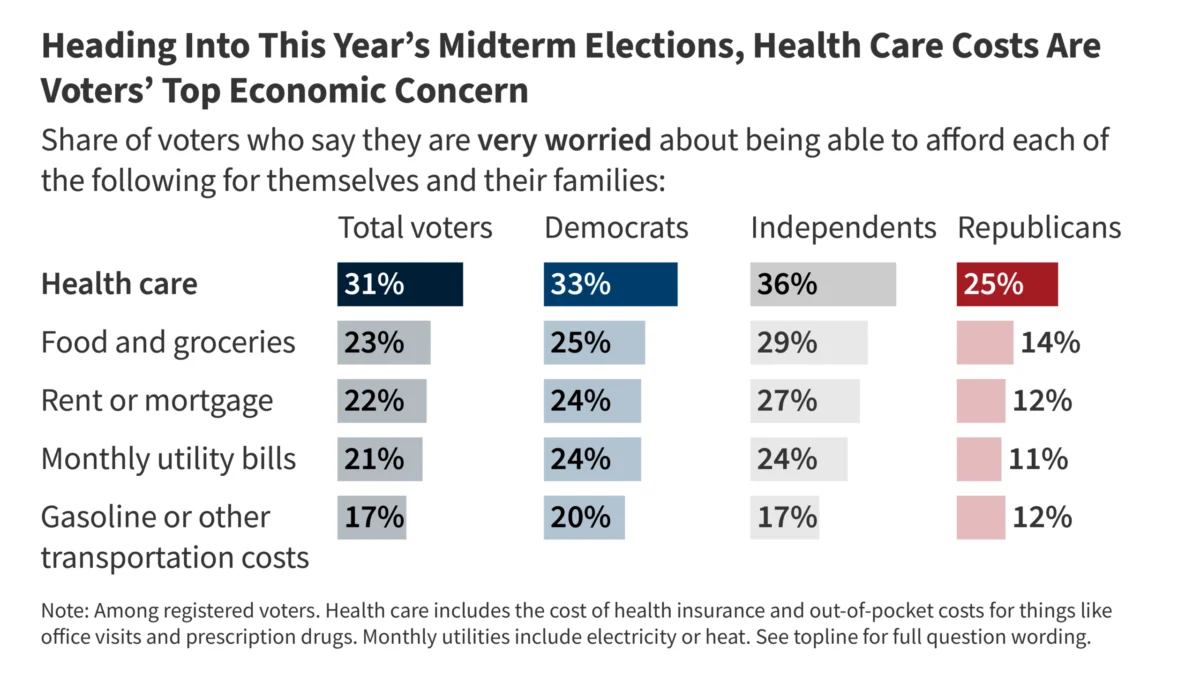
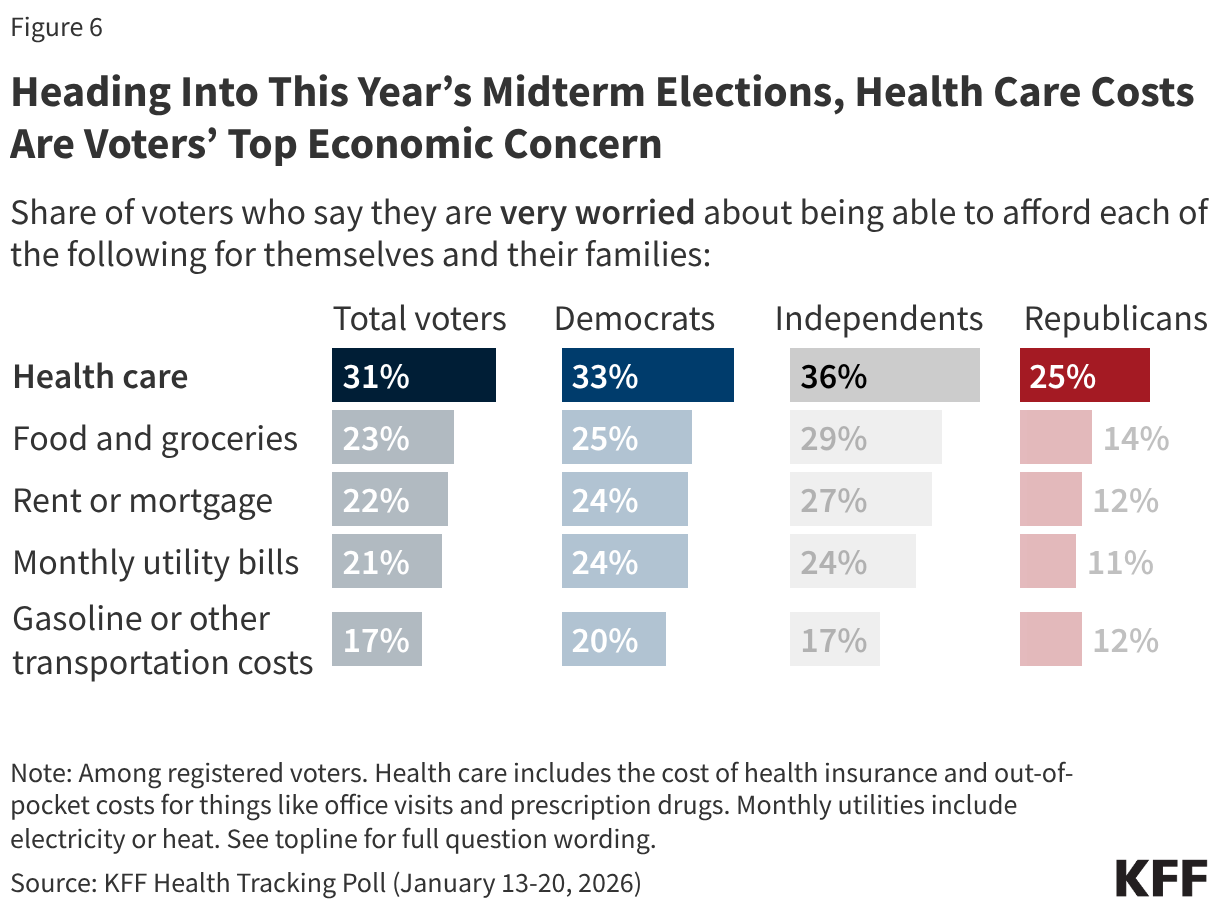
Recent KFF Health Tracking Polls conducted in early 2026 reveal a startling trend. Approximately 31% of total voters now identify health care costs as the economic issue they are "very worried" about, placing it above other household expenses. This concern is not limited to a single demographic; it spans the partisan divide, with 33% of Democrats, 36% of independents, and 25% of Republicans expressing high levels of anxiety regarding their ability to afford care for their families.
The data suggests several specific pressure points:
- Prescription Drug Costs: In March 2026, 59% of the public reported worry about affording medications, the highest level recorded since KFF began tracking this specific metric in 2018.
- Insurance Premiums: The average annual premium for family health coverage through an employer rose by 6% in 2025, reaching nearly $27,000. For many middle-class families, these increases have outpaced wage growth.
- The "Subsidy Cliff": Ongoing policy debates regarding the extension of ACA enhanced tax credits have created a sense of instability for millions of Americans who purchase insurance through the marketplace.
Furthermore, roughly one in four voters believe their health care expenses are increasing faster than other essential costs, such as food or utilities. This perception of "runaway costs" is a potent motivator for voter turnout, as 58% of respondents expect health care to become even less affordable in the coming year.
Partisan Trust and the Battle for the Independent Vote
The political implications of these cost concerns are profound. Historically, Democrats have held a consistent advantage on health care issues, while Republicans have been viewed as better stewards of the economy. However, because health care costs now sit at the intersection of both categories, the traditional "trust gap" is being re-evaluated.
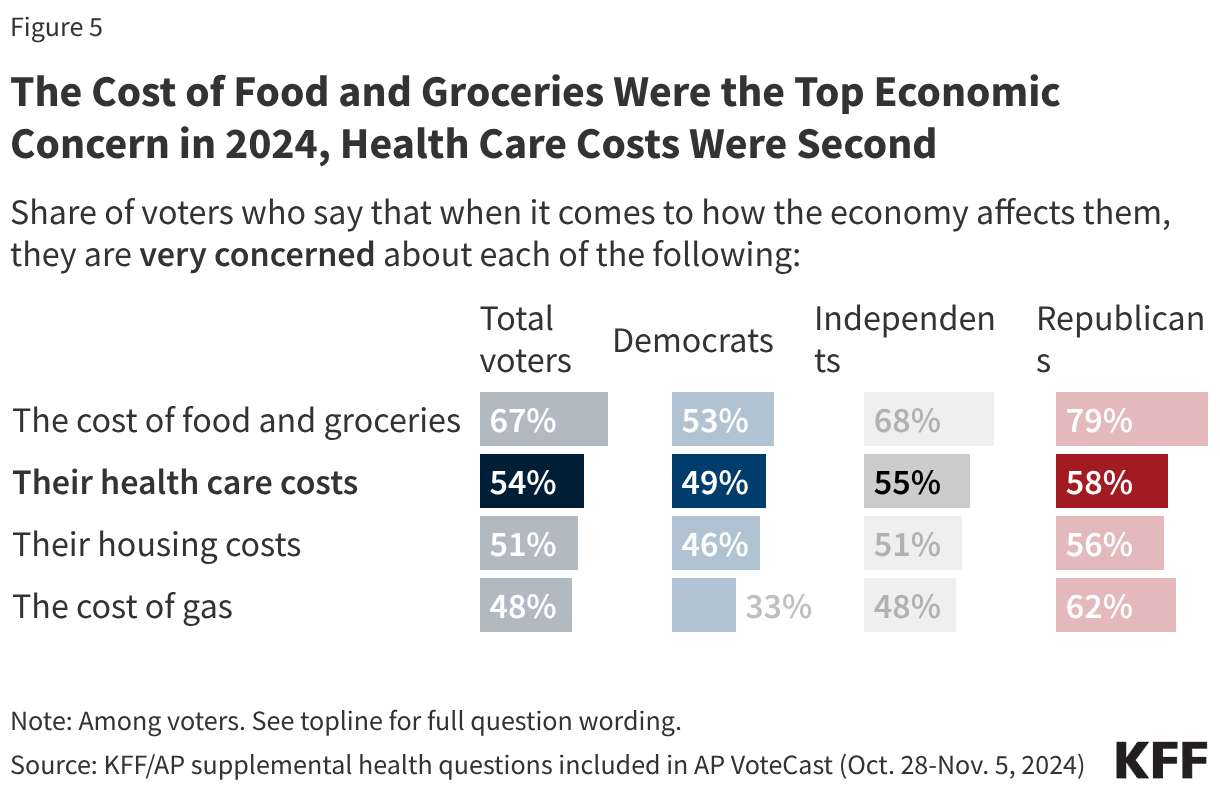
In the 2024 presidential election, the Republican platform successfully captured the "cost of living" vote. Data from AP Votecast showed that among voters who were "very concerned" about health care costs, Donald Trump outperformed his Democratic opponent, 54% to 44%. This suggested that voters blamed the incumbent administration for the general inflationary environment, including medical costs.
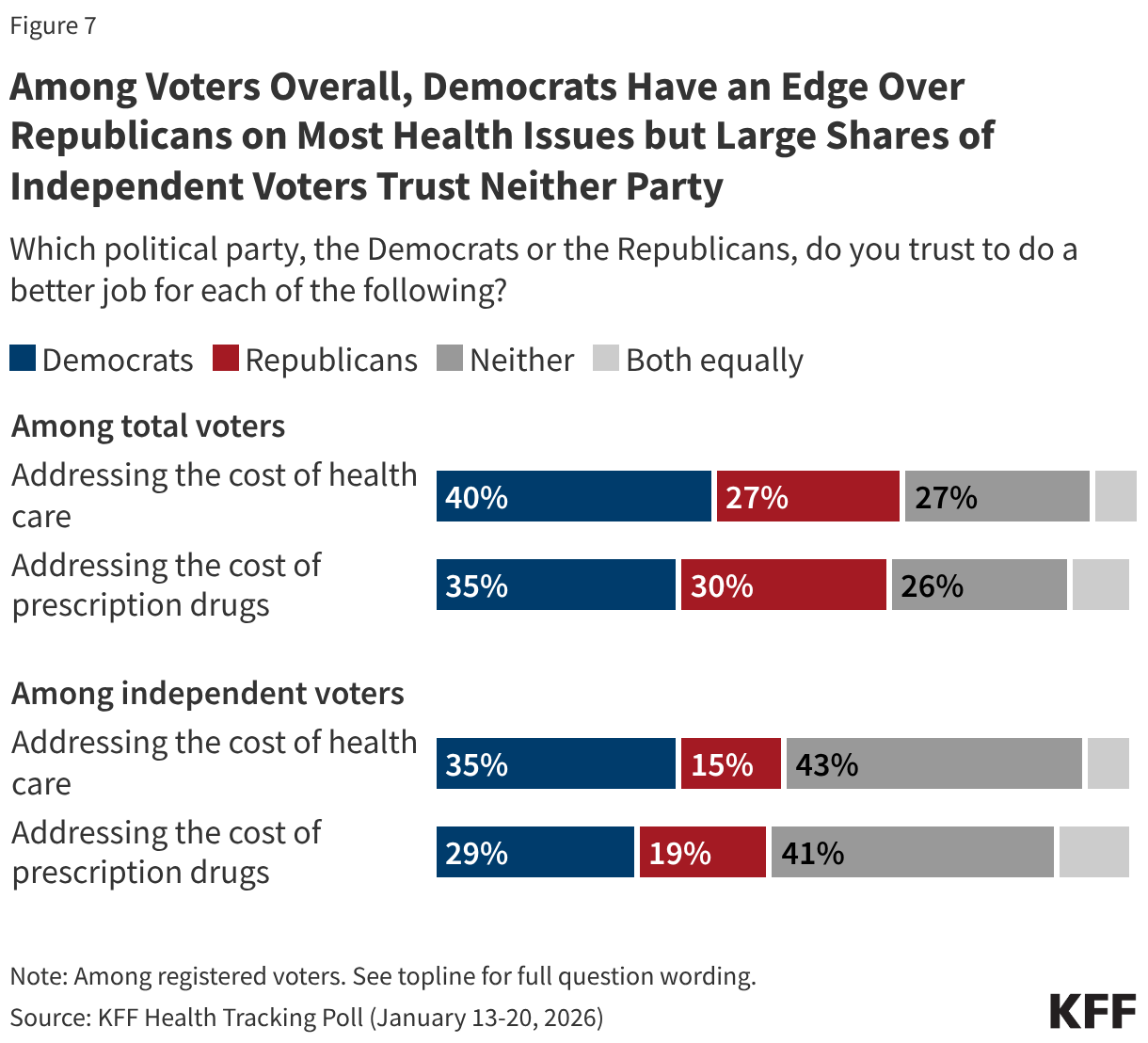
By 2026, the pendulum appears to be swinging back. Current KFF data indicates that Democrats have regained a 12-percentage-point lead over Republicans (40% vs. 28%) in terms of who voters trust to address health care and prescription drug costs.
The most volatile segment of the electorate remains the independent voters. While they lean toward Democrats on the specific issue of health care affordability, a significant 40% of independents state they trust "neither party" to solve the problem. This high level of cynicism presents both an opportunity and a risk for candidates. If a party can present a credible, concrete plan to lower costs, they could capture this decisive bloc. Conversely, if neither party offers a compelling solution, these voters may opt to stay home, depressing overall turnout.
Chronology of Recent Health Care Policy Shifts
The current state of voter anxiety can be linked to a specific timeline of events and policy shifts over the last 24 months:
- Late 2024: The general election concludes with a heavy focus on general inflation. Republican rhetoric centers on "Biden-era" price hikes, including those in the medical sector.
- January 2025: Insurance providers announce 2025 premium rates, reflecting a 6% increase for family plans. Deductibles also continue their upward trend, increasing the "out-of-pocket" burden on employees.
- Mid-2025: Congressional debates intensify over the expiration of enhanced subsidies for ACA marketplace plans. This "subsidy cliff" threatens to increase monthly premiums for millions of low-to-middle-income earners.
- January 2026: KFF polling confirms that health care has officially become the top economic worry for voters, surpassing food and energy costs.
- March 2026: Anxiety over prescription drug prices hits a record high, as the impact of previous legislative attempts to cap prices (such as the Inflation Reduction Act) is perceived as insufficient by the broader public.
Analysis of Implications for the 2026 Campaigns
As the 2026 campaigns begin in earnest, the "medicalization" of the economic debate will likely force a change in messaging.
Democratic Strategy: Expect Democratic candidates to lean heavily into their 12-point trust advantage. Their messaging will likely focus on "protecting" the ACA, expanding Medicare’s power to negotiate drug prices, and framing health care as a fundamental right that is being threatened by corporate interests and Republican budget cuts. By tying health care costs to the broader "cost of living" narrative, Democrats hope to neutralize the traditional Republican edge on the economy.
Republican Strategy: Republicans are likely to focus on the "failure" of government-managed health care to keep prices low. Their messaging may center on "transparency," "competition," and the deregulation of the insurance market as a way to lower premiums. They will likely attempt to frame rising medical costs as a symptom of broader government spending and "big government" inefficiency, aiming to pull health care back into their traditional economic strengths.
The "Neither Party" Factor: The fact that a quarter of all voters—and 40% of independents—trust neither party suggests a deep-seated frustration with the status quo. Candidates who rely on generic talking points may find themselves struggling to connect with an electorate that is looking for tangible relief.
Conclusion: A High-Stakes Midterm
The 2026 midterm elections will serve as a referendum on how the United States manages the rising cost of its most essential service. With 31% of voters "very worried" about health care affordability and a majority expecting conditions to worsen, the issue has moved beyond the realm of policy wonks and into the daily survival calculations of American families.
The party that successfully convinces the "trust neither" cohort that they have a viable path to lower out-of-pocket costs will likely hold the keys to Congressional control. As the campaign cycle progresses, the focus will not just be on who has the better health care plan, but on who has the better economic plan—and in 2026, those two things are one and the same.