
WASHINGTON D.C. – In a historic move for the endocrinology and nephrology communities, the U.S. Food and Drug Administration (FDA) has officially approved finerenone (marketed under the brand name Kerendia) for the treatment of chronic kidney disease (CKD) associated with type 1 diabetes (T1D). This regulatory milestone marks the first time in 30 years that a new therapeutic class has been authorized to slow the progression of kidney damage specifically in the type 1 diabetes population, offering a long-overdue lifeline to millions of patients.
n
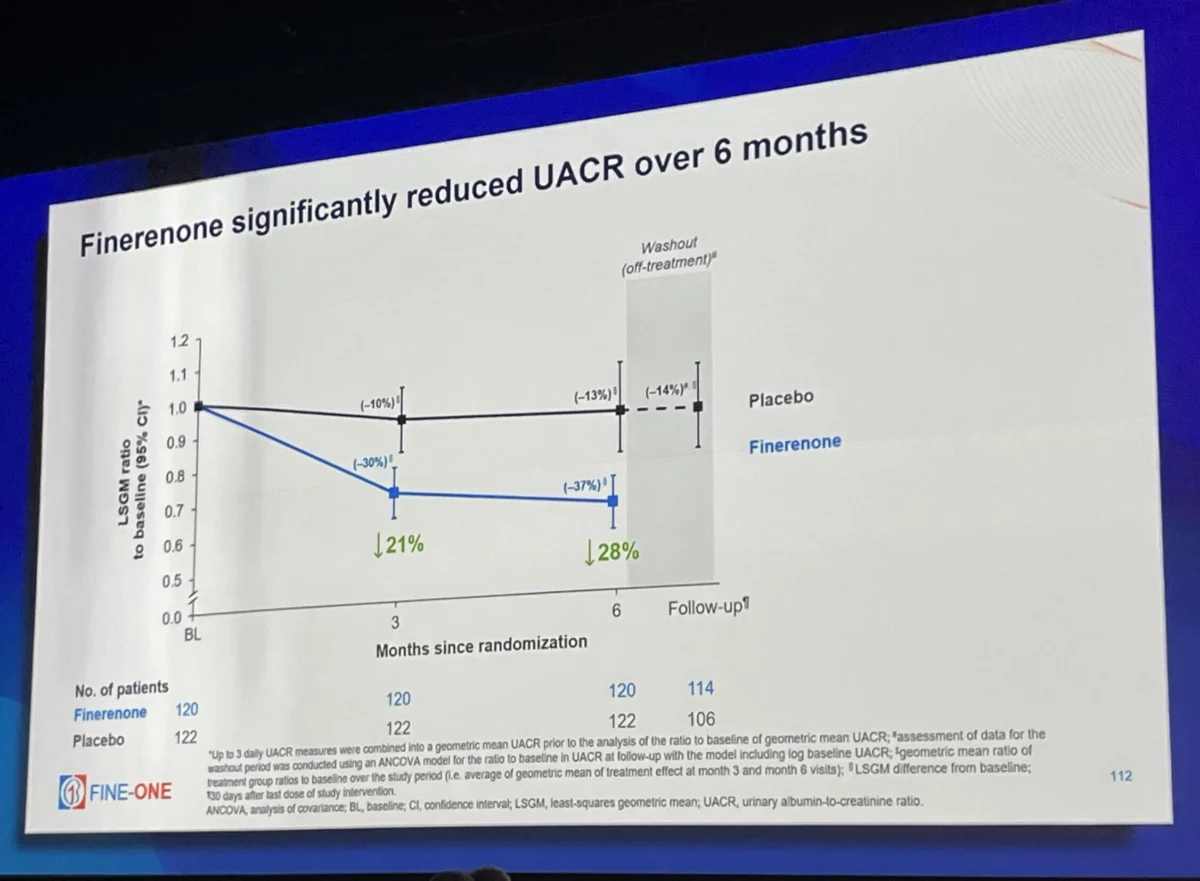
The approval is centered on the drug’s ability to significantly reduce the urinary albumin-to-creatinine ratio (UACR), a critical biomarker used by clinicians to measure kidney damage and predict the risk of progression to end-stage renal disease (ESRD). For the T1D community, which has seen a dearth of innovation in complication management compared to the type 2 diabetes (T2D) sector, this news represents a paradigm shift in standard care.
n
Main Facts: A New Class of Protection
n
Finerenone is a non-steroidal mineralocorticoid receptor antagonist (MRA). Unlike previous generations of treatments, it targets the overactivation of the mineralocorticoid receptor, which is known to drive inflammation and fibrosis—two primary culprits in the permanent scarring of kidney tissue.
n
The FDA’s decision authorizes finerenone as a once-daily oral tablet intended to reduce the risk of sustained decline in glomerular filtration rate (eGFR), end-stage kidney disease, and cardiovascular death. While finerenone was initially approved for type 2 diabetes-related CKD in 2021, its extension to type 1 diabetes addresses a critical unmet need.
n
Key takeaways of the approval include:
n
- n
- Primary Indication: Reduction of UACR in adults with CKD associated with T1D.
- Mechanism of Action: Blocking the hormone aldosterone, which, when overactive, causes inflammation and scarring in the heart and kidneys.
- Clinical Significance: The first therapeutic advancement for this specific patient profile since the early 1990s.
- Safety Profile: Well-tolerated in clinical settings, with a manageable risk profile regarding potassium levels.
n
n
n
n
n
Chronology: The 30-Year Therapeutic Drought
n
To understand the weight of this approval, one must look back at the history of diabetic nephropathy treatment. For three decades, the "gold standard" for protecting the kidneys in T1D patients was limited to blood pressure medications—specifically ACE inhibitors and Angiotensin II Receptor Blockers (ARBs). While effective at lowering systemic pressure, these drugs often failed to halt the progression of kidney disease entirely.

n
The Timeline of Finerenone’s Evolution:
n
- n
- July 2021: The FDA first approves finerenone (Kerendia) for adults with CKD associated with type 2 diabetes, based on the landmark FIDELIO-DKD and FIGARO-DKD trials.
- 2022–2024: Researchers and advocacy groups like Breakthrough T1D (formerly JDRF) push for dedicated studies in the T1D population, noting that the underlying mechanisms of kidney damage in T1D, while similar, require specific clinical validation.
- July 2025: Finerenone receives an expanded indication for certain adults with heart failure, demonstrating its broader cardiovascular benefits.
- September 2026: Following the successful completion of the FINE-ONE Phase 3 trial, Bayer submits supplemental data to the FDA.
- Today: The FDA grants official approval, ending the 30-year wait for T1D-specific kidney innovation.
n
n
n
n
n
n
Supporting Data: The FINE-ONE Study
n
The cornerstone of this approval is the FINE-ONE study, a global, multicenter, randomized, double-blind, placebo-controlled Phase 3 clinical trial. The study was specifically designed to evaluate whether the benefits observed in type 2 diabetes patients would translate to those with type 1.
n
Primary Outcomes and Efficacy
n
The FINE-ONE trial met its primary endpoint with high statistical significance. Participants treated with finerenone showed a dramatic reduction in UACR compared to those receiving a placebo.
n
In nephrology, UACR is more than just a number; it is a "canary in the coal mine." High levels of albumin in the urine indicate that the kidney’s filtration system is "leaking," a precursor to total organ failure. By lowering this ratio, finerenone effectively "plugs the leaks," preserving organ function for longer periods.
n
Clinical Findings Published in NEJM
n
Detailed results of the study were recently published in The New England Journal of Medicine (NEJM). The data suggests that:
n
- Kidney Preservation: Finerenone users experienced a slower decline in eGFR (estimated glomerular filtration rate) over the study period.
- Cardiovascular Correlation: Because the kidneys and heart are intrinsically linked, the reduction in kidney stress was associated with a lower risk of cardiovascular events, such as heart failure hospitalizations.
- Safety and Tolerability: The trial reported few serious adverse events. While MRAs can sometimes lead to hyperkalemia (high potassium), the FINE-ONE data showed that with proper monitoring, these levels remained within manageable limits for the majority of patients.
Official Responses: A "Huge Win" for Advocacy
The approval has been met with widespread acclaim from medical professionals and patient advocacy groups who have long campaigned for more diverse treatment options for T1D complications.
Jonathan Rosen, Ph.D., Research Director at Breakthrough T1D, emphasized the emotional and physical toll of kidney disease on the T1D community. "Today, there are few treatments available for chronic kidney disease, a common complication of type 1 diabetes. The approval of finerenone is a huge win for the T1D community. Breakthrough T1D thanks the FDA for its review and approval and Bayer for their commitment to giving people with T1D a new therapeutic option."

Bayer Pharmaceuticals, the developer of Kerendia, reiterated their commitment to chronic disease management. In a press release, the company noted that the approval validates their strategy of investigating mineralocorticoid receptor overactivation across a spectrum of renal and cardiovascular diseases.
Medical experts also noted that this approval validates the importance of "biomarker-driven" therapy. By targeting UACR, physicians now have a proactive way to intervene before a patient requires dialysis or a transplant.
Implications: Transforming the T1D Landscape
The implications of this approval extend far beyond a new prescription option; they signal a new era in how the medical community approaches type 1 diabetes complications.
1. Reducing the Burden of Dialysis
CKD affects nearly one-third of all individuals living with type 1 diabetes. For many, the progression to kidney failure is seen as an inevitability. Finerenone changes this narrative by providing a tool that can delay the need for dialysis by years, or even decades. This not only improves the quality of life for the patient but also reduces the immense economic burden on the healthcare system associated with end-stage renal care.
2. A Shift in Strategic Partnerships
The success of finerenone is partly attributed to the strategic collaboration between industry giants like Bayer and non-profit organizations like Breakthrough T1D. This model—where advocacy groups help fund and design clinical trials—is likely to become the blueprint for future drug development in the T1D space.
3. Addressing the "Complication Gap"
For years, T1D patients felt left behind as a wave of new drugs (SGLT2 inhibitors, GLP-1 agonists) revolutionized type 2 diabetes care. Many of those drugs are not yet approved or are used off-label for T1D due to risks like diabetic ketoacidosis (DKA). Finerenone’s approval provides a T1D-specific pathway that avoids some of the metabolic complexities associated with other glucose-lowering kidney medications.
4. Future Research Horizons
The approval of finerenone is expected to open the floodgates for further research into non-steroidal MRAs. Researchers are already looking into whether finerenone can be combined with other emerging therapies to create a "multi-pathway" defense against kidney scarring.
The Bigger Picture: Improving Lives
As part of the broader Improving Lives portfolio, the T1D community is moving toward a future where the disease is managed not just through insulin and glucose monitoring, but through the holistic protection of the body’s vital organs.
Chronic kidney disease is often a "silent" condition, showing few symptoms until it is far advanced. With the approval of finerenone, the medical community is sending a clear message: early screening for UACR and early intervention with targeted therapies can change the trajectory of the disease.
For the person living with T1D, this means one less "what if" to worry about. The 30-year wait for a new kidney therapy has finally ended, and the door to a healthier, more resilient future for type 1 diabetes patients has been swung wide open.
About the Author: Sandy Vogt, Ph.D., is a leading researcher and writer focusing on endocrine innovations and the intersection of clinical data and patient advocacy.

