
ANNAPOLIS, MD – In a move hailed by healthcare advocates as a transformative victory for public health, Maryland has officially enacted comprehensive obesity care legislation. The new law, which recently transitioned from a legislative proposal to an established statute, marks a critical turning point in how the state addresses one of its most pressing chronic health challenges. By seeking to dismantle long-standing insurance barriers, the legislation aims to provide thousands of Marylanders with access to a full spectrum of evidence-based medical treatments.
n
While the signing of the bill represents a historic milestone, health policy experts and advocacy groups, such as the Obesity Action Coalition (OAC), caution that the journey toward universal access is only beginning. The law creates a framework for expanded coverage, yet the nuances of implementation will determine how quickly and effectively patients can access life-changing care.
n
Main Facts: Redefining Obesity as a Chronic Disease
n
The core of Maryland’s new legislation is the recognition of obesity not as a failure of willpower or a lifestyle choice, but as a complex, chronic disease requiring long-term medical management. This shift in definition is more than semantic; it is a legal and clinical pivot that mandates a higher standard of care from insurance providers and health systems.
n
The legislation addresses a significant "coverage gap" that has historically plagued the Maryland healthcare landscape. For years, many insurance plans—both public and private—categorized obesity treatments as "elective" or "cosmetic," leaving patients to pay out-of-pocket for expensive medications, nutritional counseling, and surgical interventions. The new law seeks to bridge this gap by encouraging or requiring more robust coverage for a variety of science-based interventions.
n
Key components of the care model supported by the law include:
n
- n
- Nutritional Support: Access to registered dietitians and medical nutrition therapy.
- Behavioral Health Resources: Counseling to address the psychological aspects of weight management.
- Pharmacological Interventions: Coverage for FDA-approved anti-obesity medications (AOMs), which have seen significant scientific advancement in recent years.
- Bariatric Surgery: Access to metabolic and bariatric surgical procedures for those meeting clinical criteria.
- Physical Activity Guidance: Medically supervised exercise programs tailored to individual health needs.
n
n
n
n
n
n
Chronology: The Road to Legislative Success
n
The passage of this law was the culmination of years of persistent advocacy, medical testimony, and grassroots organizing. The timeline of this achievement reflects a growing national momentum toward obesity care reform.
n
The Foundation of Advocacy
n
The process began several legislative sessions ago when healthcare providers and the OAC identified Maryland as a key state for policy reform. Initial efforts focused on educating lawmakers about the economic burden of untreated obesity, which includes higher rates of type 2 diabetes, hypertension, and cardiovascular disease—conditions that place a massive financial strain on the state’s healthcare budget.
n
The 2023-2024 Legislative Push
n
During the most recent legislative sessions, the momentum shifted from education to action. Advocates mobilized Maryland residents to share their personal stories with the General Assembly. These stories highlighted the "vicious cycle" of obesity: patients wanting to improve their health but being denied the tools to do so by their insurance providers.
n
Committee Hearings and Testimony
n
In early 2024, key committees in the Maryland House of Delegates and the State Senate heard testimony from medical experts, including Dr. Rachael Batabyal. These experts presented clinical data showing that comprehensive obesity care significantly reduces long-term healthcare costs and improves patient quality of life. Simultaneously, patients like Anita S. provided the "human face" of the issue, testifying about the stigma they faced in the healthcare system.
n
Final Passage and Signing
n
Following successful votes in both chambers, the bill moved to the Governor’s desk. With the official signing, Maryland joins a select group of states that are leading the way in modernizing obesity health policy. The law is now in the "implementation phase," where state regulators and health plans begin the work of integrating these requirements into actual policy documents.
n
Supporting Data: The Public Health Context
n
The necessity of this legislation is underscored by sobering public health statistics. According to data from the Centers for Disease Control and Prevention (CDC), the adult obesity rate in Maryland has hovered around 30-35% in recent years. Furthermore, the prevalence of obesity is often higher in underserved communities and among certain racial and ethnic groups, making access to care a matter of health equity.
n
The Economic Impact
n
Untreated obesity is a major driver of healthcare spending. Research suggests that the medical costs for adults who have obesity are significantly higher than those for people with a healthy weight. By providing coverage for preventative and therapeutic care, Maryland expects to see a long-term reduction in the costs associated with chronic co-morbidities.
n
The Science of Treatment
n
The medical community’s understanding of obesity has evolved. We now know that the body’s biological "set point" often resists weight loss through diet and exercise alone. This is why the Maryland law emphasizes "science-based care." The inclusion of medical care and medications is vital, as modern treatments can help regulate hormones like GLP-1, which play a crucial role in hunger and satiety.
n
Official Responses: Voices from the Front Lines
The reaction to the law’s enactment has been one of cautious optimism. Advocates emphasize that while the law is a victory, the "real-world" application of the law requires constant vigilance.
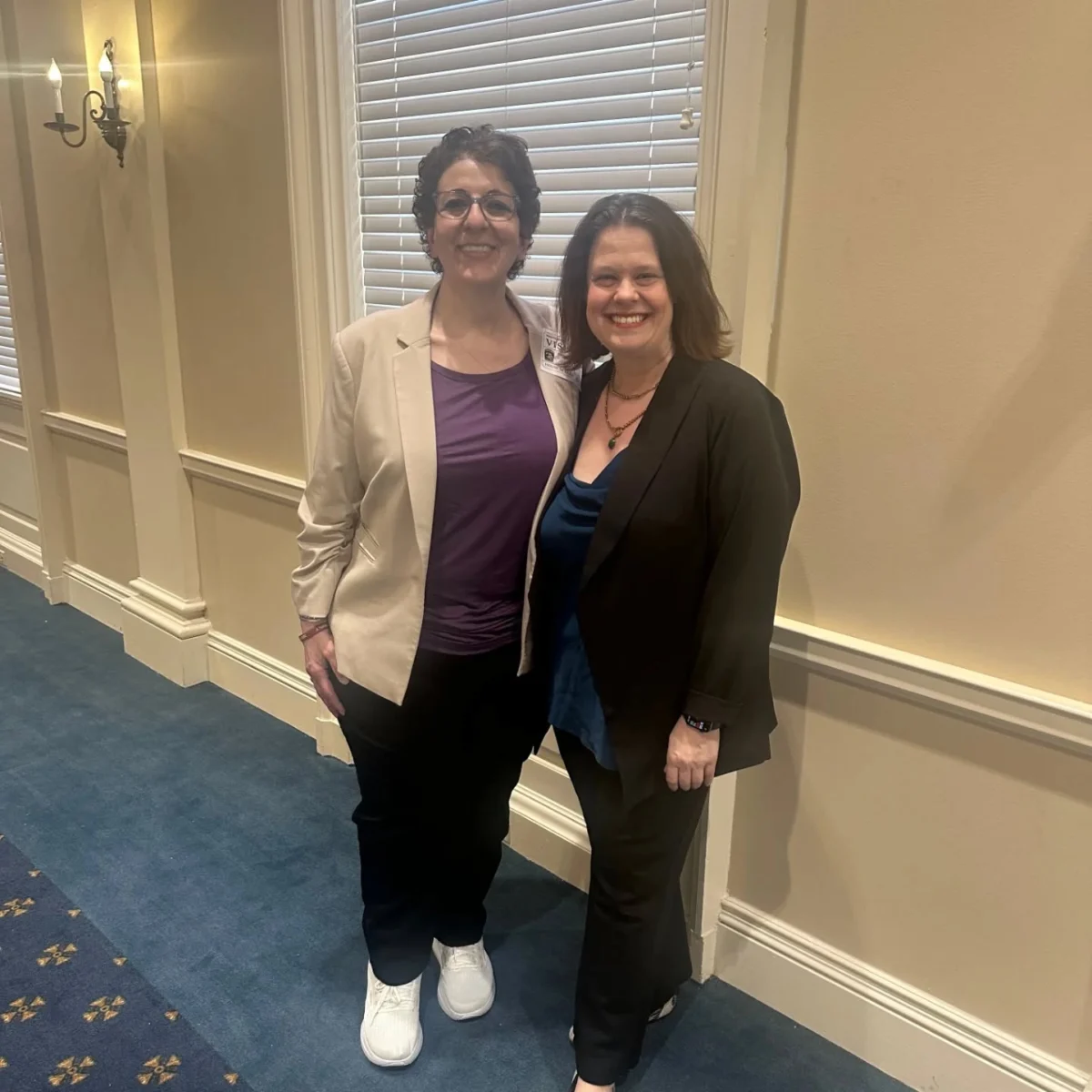
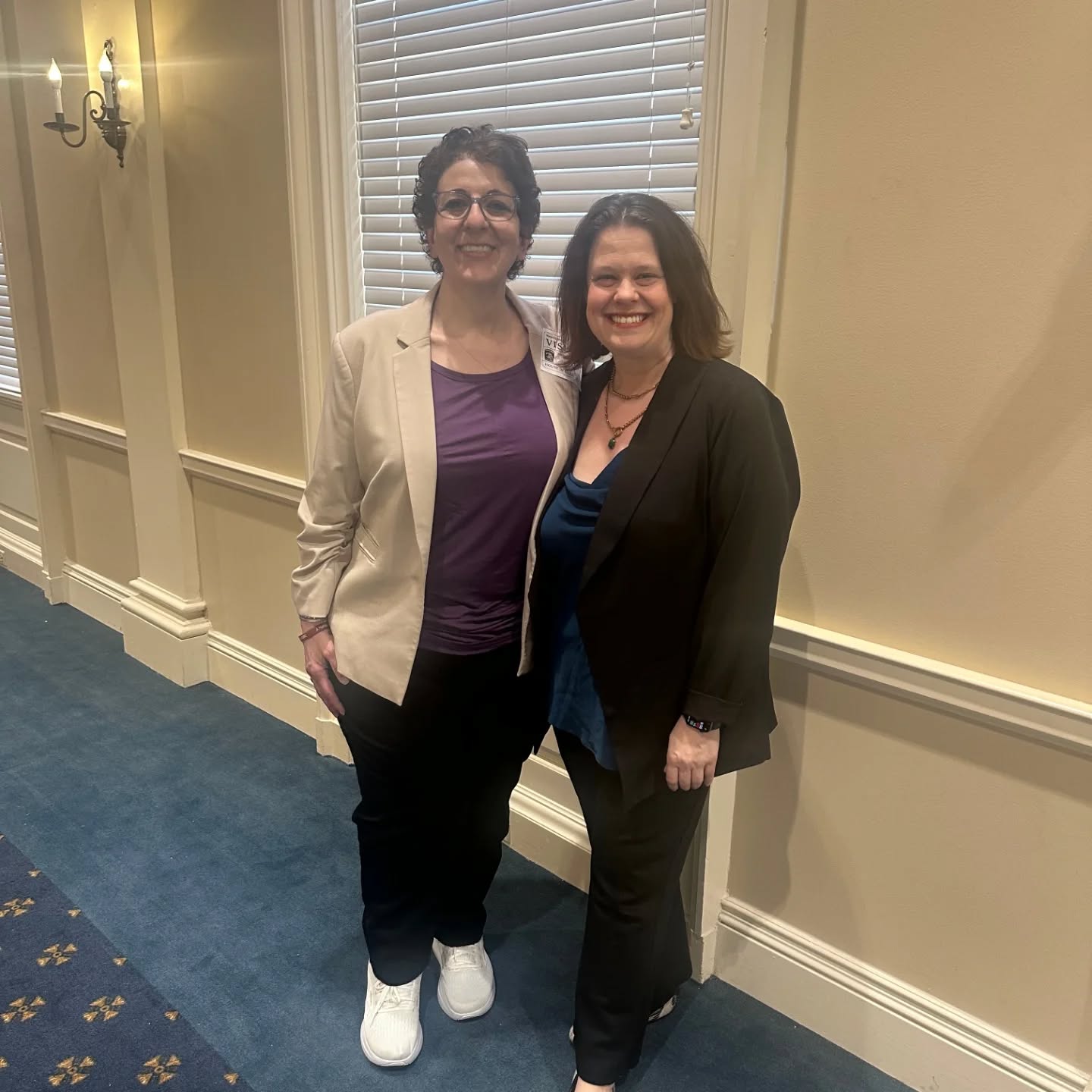
Dr. Rachael Batabyal, a prominent advocate for the bill, highlighted the power of the democratic process in achieving this result. “Advocating for obesity care coverage has taught me that lawmakers listen when we share real stories,” said Dr. Batabyal. “Our voices matter far more than we realize. Change only happens when we show up, speak up, and share our experiences.”
For Anita S., an OAC member and Maryland resident living with obesity, the law represents a validation of her struggle and her rights as a patient. “Change happens when people speak up,” she noted. “I used to think you had to be an expert or public speaker to advocate, but I’m simply a Marylander living with obesity who believes everyone deserves access to compassionate, evidence-based care. Your voice matters, whether you tell your story, join an advocacy group, or simply like and share a post.”
The Obesity Action Coalition (OAC) released a statement confirming their commitment to the next phase of this journey. The organization noted that "coverage is not automatically guaranteed" despite the law’s passage. They will continue to monitor how insurance companies interpret the new mandates to ensure that patients are not met with "hidden" barriers, such as excessive prior authorization requirements or "fail-first" policies.
Implications: What This Means for Patients and the Future
The implications of Maryland’s new law extend far beyond the state’s borders. As one of the first states to take such a comprehensive approach, Maryland is serving as a blueprint for federal legislation, such as the Treat and Reduce Obesity Act (TROA), which aims to expand coverage for Medicare recipients nationwide.
For the Maryland Patient
For the individual patient in Baltimore, Silver Spring, or Western Maryland, this law means a shift in the conversation with their primary care physician. It means that a doctor can now recommend a multidisciplinary treatment plan—including specialized nutrition, medication, or surgery—with a higher degree of confidence that the patient will be able to afford the prescribed path.
However, patients must remain proactive. Because different insurance plans (e.g., self-insured employer plans vs. state-regulated plans) are governed by different rules, not every Marylander will see changes at the same time. The OAC recommends that patients contact their human resources departments or insurance representatives to ask how the new state law affects their specific policy.
For the Healthcare System
Healthcare providers in Maryland will need to scale up their obesity management services. This may lead to an increase in specialized weight management clinics and a greater integration of behavioral health and nutrition services into primary care settings.
The Challenge of Implementation
The most significant hurdle remaining is the technical implementation. Insurance companies must update their formularies and provider networks. State regulators must oversee these changes to ensure they comply with the spirit of the law. There is also the ongoing challenge of weight bias in the medical profession; even with coverage, patients need providers who treat them with respect and understand the complexities of the disease.
Conclusion: A Call to Continued Advocacy
The enactment of Maryland’s obesity care law is a profound victory for science and social justice. It acknowledges that health is a right, not a privilege, and that those living with obesity deserve the same level of medical support as those living with any other chronic condition.
However, as the OAC and its members suggest, the work is far from over. The transition from a signed piece of paper to a functional healthcare benefit requires the continued engagement of the public. Residents are encouraged to join OAC Action Teams to stay informed about the implementation process and to advocate for similar changes in other states and at the federal level.
Maryland has moved the needle, proving that when patients, doctors, and advocates unite, the healthcare system can be moved toward a more compassionate and effective future. For the thousands of Marylanders who have felt invisible in the healthcare system, this law is a signal that they have finally been heard.

