
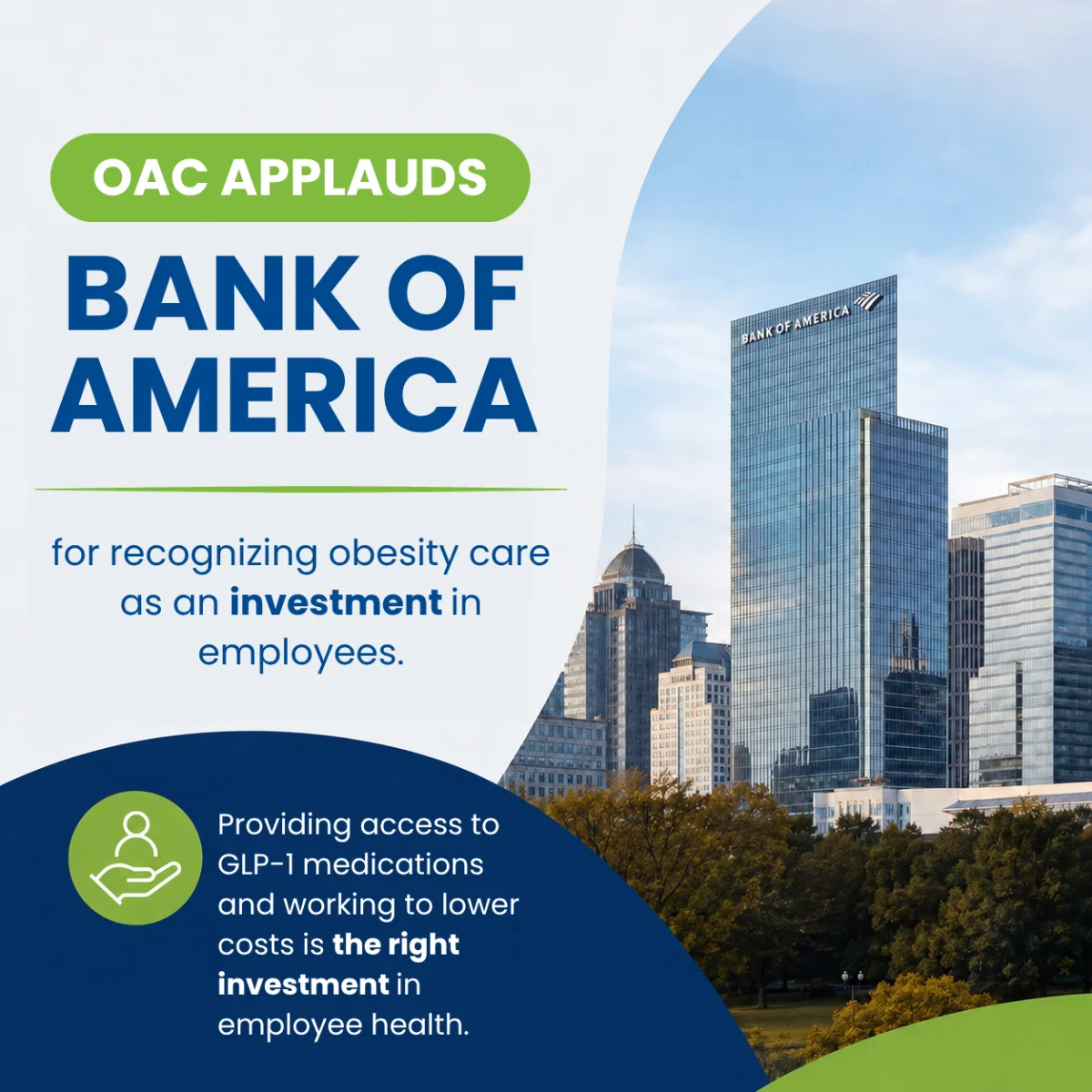
In an era where corporate belt-tightening often targets the most expensive line items in employee benefits, Bank of America (BofA) has emerged as a high-profile outlier. While several major employers and state health plans are scaling back or outright eliminating coverage for the popular but pricey class of weight-loss drugs known as GLP-1 receptor agonists, the Charlotte-based financial giant is doubling down.
n
Bank of America CEO Brian Moynihan recently confirmed that the company allocates more than $250 million annually to provide these medications—which include brand names like Wegovy and Zepbound—to its workforce. This decision represents more than just a benefits update; it is a significant philosophical shift in how one of the world’s largest financial institutions views the intersection of chronic disease management, employee productivity, and long-term fiscal responsibility.
n
Main Facts: A Quarter-Billion Dollar Commitment
n
The primary driver of the current discourse is the staggering cost of GLP-1 medications. These drugs, originally developed to treat Type 2 diabetes, have proven remarkably effective at inducing weight loss by mimicking hormones that regulate appetite and blood sugar. However, with list prices often exceeding $1,000 per month per patient, they have placed an unprecedented strain on corporate healthcare budgets.
n
Bank of America’s commitment involves several key pillars:
n
- n
- Scale of Investment: An annual expenditure of over $250 million.
- Population Scope: Coverage for a global workforce of approximately 211,000 employees.
- Strategic Stance: Viewing the cost not as a sunk expense, but as an "investment" in the health and retention of "human capital."
- Negotiation Strategy: Utilizing the bank’s massive purchasing power to drive down costs through Pharmacy Benefit Managers (PBMs) and pharmaceutical manufacturers, rather than restricting access.
n
n
n
n
n
This move has earned the bank significant praise from the Obesity Action Coalition (OAC), a leading non-profit advocacy group. The OAC views Bank of America’s stance as a blueprint for how large-scale employers can treat obesity as a chronic medical condition rather than a lifestyle choice or a budgetary inconvenience.
n
Chronology: From Diabetes Breakthrough to Corporate Dilemma
n
To understand the weight of Bank of America’s decision, one must look at the rapid evolution of the GLP-1 market over the last three years.
n
2021–2022: The Rise of a Blockbuster Class
n
The FDA approval of Wegovy (semaglutide) specifically for chronic weight management in 2021 sparked a seismic shift in the pharmaceutical landscape. Previously, weight loss medications were often seen as marginally effective or fraught with side effects. GLP-1s changed the narrative, showing clinical weight loss of 15% to 20% or more.
n
2023: The Year of "Sticker Shock"
n
As demand skyrocketed—fueled by social media and celebrity endorsements—employers began to see the impact on their bottom lines. By mid-2023, many companies reported that GLP-1s had become their single largest pharmacy expense, often surpassing specialty drugs for cancer or autoimmune diseases.
n
Early 2024: The Great Retreat
n
Faced with unsustainable cost projections, several major entities began to pull back. In early 2024, the North Carolina State Health Plan voted to end coverage for GLP-1 weight-loss drugs for state employees, citing a projected $1.5 billion loss over the next few years. Similarly, the University of Texas System and several large private healthcare providers began implementing strict "prior authorization" hurdles or ending coverage entirely.
n
August 2024: Moynihan’s Public Declaration
n
In a high-profile interview with CNBC, Bank of America CEO Brian Moynihan addressed the rising costs head-on. While acknowledging the $250 million price tag, he rejected the trend of cutting coverage. His comments signaled a break from the reactionary cost-cutting measures seen elsewhere in the Fortune 500, setting the stage for a new corporate standard.
n
Supporting Data: The Economics of Obesity and GLP-1s
n
The financial tension surrounding these drugs is rooted in a complex set of data points regarding the cost of obesity versus the cost of treatment.
n
The Cost of Inaction
n
According to the Centers for Disease Control and Prevention (CDC), the annual medical cost of obesity in the United States was nearly $173 billion in 2019 dollars. For an employer, these costs manifest in:
n
- n
- Higher Premiums: Increased risk of comorbidities like Type 2 diabetes, hypertension, and cardiovascular disease.
- Absenteeism: Employees with obesity-related illnesses take more sick days.
- Presenteeism: Reduced productivity while at work due to health complications.
n
n
The Price of Intervention
The list price for Wegovy is approximately $1,349 per month, while Zepbound lists for about $1,059. Even with typical rebates, many employers pay between $700 and $900 per month per patient. For a company like Bank of America, if even 10% of its 211,000 employees utilize the drug, the math quickly reaches the $250 million figure cited by Moynihan.
The Negotiating Lever
Bank of America is utilizing its "purchasing power" to mitigate these costs. Large employers rarely pay the "sticker price." By leveraging their massive headcount, they can negotiate deeper discounts with PBMs. BofA’s strategy suggests that the solution to high drug prices is aggressive negotiation and market pressure, rather than denying care to the end-user.
Official Responses: Advocacy and Leadership
The response to Bank of America’s policy has highlighted a divide between clinical advocacy and traditional corporate finance.
The Obesity Action Coalition (OAC)
The OAC has been vocal in its support, stating: "We applaud Bank of America for recognizing the value of obesity care. People living with obesity deserve access to appropriate, science-based treatment just as people living with other chronic diseases do." The coalition emphasizes that obesity is a complex, chronic disease, and treating it as such is a matter of healthcare equity.
Brian Moynihan, CEO of Bank of America
Moynihan’s perspective is rooted in a long-term view of corporate health. He noted that even if an employee eventually leaves the company, the benefit provided is still "worthwhile." This is a radical departure from the "Next Benefits Cycle" mentality, where companies often avoid expensive treatments if the ROI (Return on Investment) isn’t immediate or if the employee might take their improved health to a competitor.
"It’s a good investment," Moynihan told CNBC, framing the $250 million as a foundational cost of maintaining a healthy, capable workforce. He argued that the potential short-term and long-term health benefits—ranging from improved mental health to the prevention of heart attacks—outweigh the immediate fiscal burden.
Implications: A New Model for Corporate Healthcare?
Bank of America’s decision carries profound implications for the future of employer-sponsored insurance in the United States.
1. The "Human Capital" Philosophy
BofA is signaling that health benefits are a primary tool for employee retention and recruitment. In a competitive labor market for top-tier financial talent, offering comprehensive "gold-standard" healthcare can be a deciding factor for prospective hires. By covering GLP-1s, the bank is positioning itself as a modern, empathetic employer that understands the science of modern medicine.
2. Pressure on Pharmaceutical Pricing
When a company the size of Bank of America publicly complains about the cost of drugs while simultaneously refusing to cut coverage, it puts immense pressure on pharmaceutical giants like Novo Nordisk and Eli Lilly. BofA is essentially saying, "We want to provide this, but the price is the problem, not the treatment." This could embolden other large corporations to join forces in negotiating lower "net prices" for these medications.
3. Challenging the ROI Myth
Traditional insurance models look for a 12-to-24-month ROI. Obesity treatment often requires a 5-to-10-year horizon to see the full financial benefits of avoided surgeries and chronic disease management. BofA’s willingness to look "beyond the next benefits cycle" may encourage other CEOs to adopt a more "ESG-friendly" (Environmental, Social, and Governance) approach to employee wellness.
4. Setting a Precedent for the Financial Sector
The banking industry is notoriously "follow-the-leader." If Bank of America can sustain this $250 million annual cost without impacting its dividends or share buybacks, peers like JPMorgan Chase, Citigroup, and Goldman Sachs will face increased pressure from their own employees to maintain or match similar levels of coverage.
Conclusion: Balancing the Ledger of Care
The conflict over GLP-1 coverage is a microcosm of the broader American healthcare crisis: the tension between life-changing medical innovation and the sheer exhaustion of the budgets meant to pay for them.
Bank of America has chosen a path of resistance against the trend of "exclusionary" benefits. By categorizing obesity treatment as a necessary investment rather than a discretionary expense, the bank is attempting to bridge the gap between fiscal prudence and clinical necessity.
As Moynihan and the OAC have suggested, the true cost of obesity is not just found in the pharmacy bill; it is found in the diminished quality of life and productivity of the workforce. By spending $250 million today, Bank of America is betting that a healthier, more loyal workforce will yield a return that far exceeds any quarterly line item. Whether other titans of industry follow suit will likely depend on how effectively BofA can use its size to force a more sustainable pricing model from the pharmaceutical industry. For now, however, the message is clear: at Bank of America, the health of the employee is no longer a cost to be managed, but an asset to be protected.

