
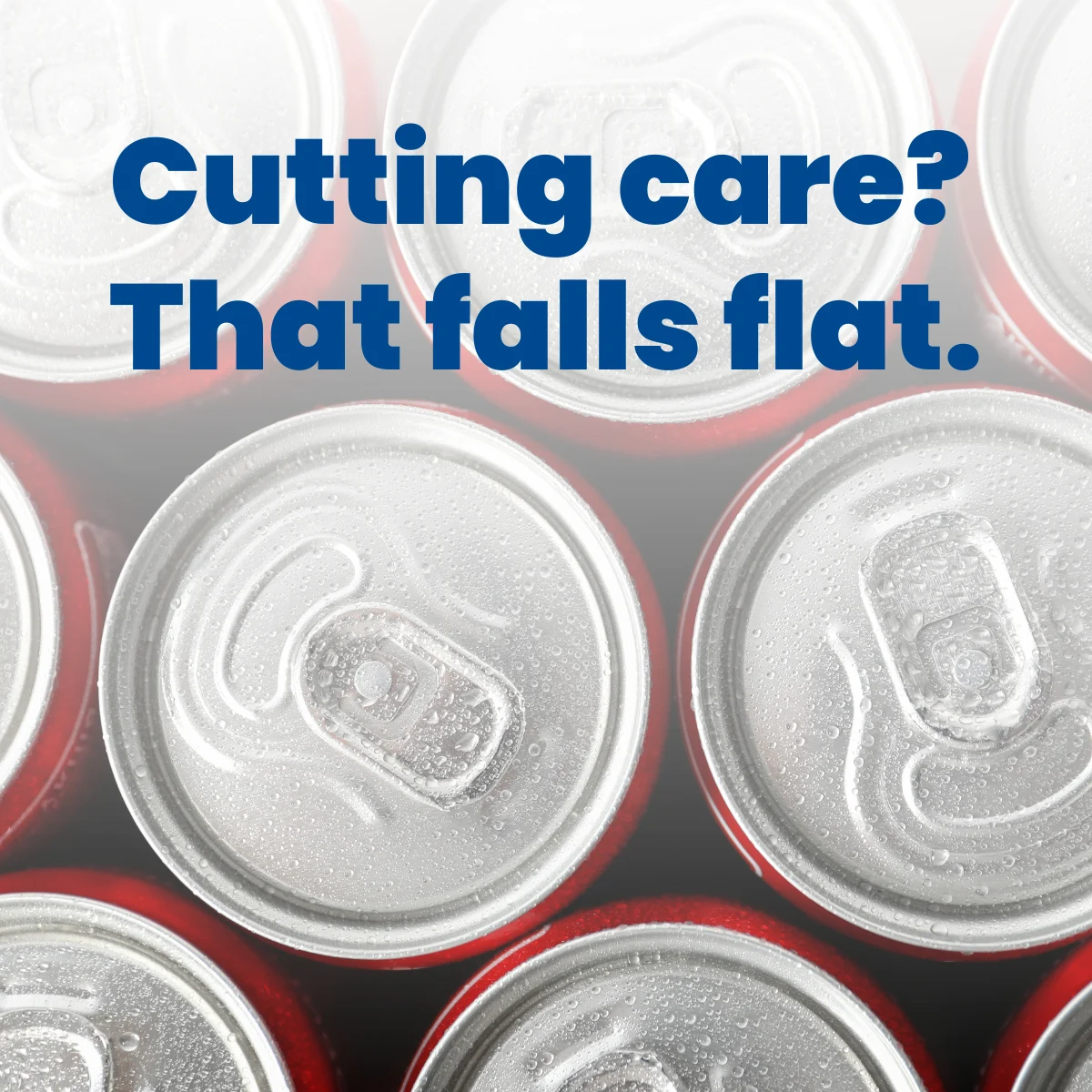
Introduction: A Clash of Corporate Strategy and Employee Wellness
n
In a move that has sent shockwaves through the corporate healthcare landscape, PepsiCo, the multinational food, snack, and beverage titan, has reportedly decided to terminate insurance coverage for GLP-1 (glucagon-like peptide-1) receptor agonists used specifically for weight management. Effective October 2024, the policy change marks a significant shift in how one of the world’s largest employers approaches obesity—a condition increasingly recognized by medical authorities as a chronic, complex disease rather than a lifestyle choice.
n
The decision has ignited a firestorm of criticism from healthcare advocates, most notably the Obesity Action Coalition (OAC), which argues that the move creates a profound inequity within the company’s workforce. The controversy is further heightened by a perceived corporate irony: even as PepsiCo restricts its employees’ access to these life-altering medications, it is simultaneously pivoting its product development strategy to profit from the growing demographic of GLP-1 users.
n
Main Facts: The Scope of the Policy Change
n
PepsiCo’s decision targets a specific class of medications that have revolutionized the treatment of obesity. GLP-1 drugs, such as Wegovy (semaglutide) and Zepbound (tirzepatide), have demonstrated unprecedented efficacy in helping patients achieve significant weight loss, often reducing body weight by 15% to 20% or more. However, these benefits come with a high price tag, often exceeding $1,000 per month per patient without insurance.
n
Key Details of the Coverage Termination
n
- n
- Effective Date: The cessation of coverage for weight-loss indications is slated to begin in October 2024.
- Affected Medications: The policy specifically targets GLP-1 medications prescribed for chronic weight management. It is currently unclear if coverage remains for those using the same medications for Type 2 diabetes (such as Ozempic or Mounjaro).
- Proposed Alternative: PepsiCo has reportedly suggested that employees transition to manufacturer-sponsored "self-pay" programs.
- The Rationale: The company cites the need for "healthcare sustainability" and the necessity of keeping insurance premiums affordable for its entire global workforce.
n
n
n
n
n
The Obesity Action Coalition (OAC) has formally called on PepsiCo to reverse this decision, stating that singling out obesity treatment for exclusion is discriminatory and medically unsound. The OAC emphasizes that obesity is a gateway disease to over 200 other health complications, including heart disease, stroke, and various cancers.
n
Chronology: The Rise of GLP-1s and the Corporate Retreat
n
To understand the weight of PepsiCo’s decision, one must look at the rapid evolution of the GLP-1 market and the subsequent fiscal panic among American employers.
n
2021–2022: The Breakthrough Years
n
The FDA approval of Wegovy in 2021 marked a turning point. For the first time, medical professionals had a highly effective pharmacological tool to treat obesity. Demand skyrocketed, fueled by social media "Ozempic" trends and clinical success stories. Initially, many large self-insured employers, including PepsiCo, added these drugs to their formularies to support employee health initiatives.
n
2023: The "Sticker Shock" Era
n
As utilization rates soared, so did the costs for corporate health plans. Unlike medications for rare diseases, obesity affects nearly 42% of the U.S. adult population. Large employers began seeing their pharmacy benefit costs jump by double-digit percentages. Throughout late 2023 and early 2024, several high-profile organizations—including the University of Texas system and the North Carolina State Health Plan—began scaling back or eliminating coverage to protect their budgets.
n
Late 2024: PepsiCo’s Strategic Pivot
n
By mid-2024, PepsiCo leadership faced a dual reality. On the one hand, the cost of covering GLP-1s for its massive employee base was becoming a significant line item. On the other, the company’s market research indicated that GLP-1 users represent a lucrative new consumer segment. This led to the internal decision to cut employee coverage starting in October, while simultaneously launching new protein-heavy products designed for the very people using these drugs.
n
Supporting Data: The Economics of Obesity and Treatment
n
The debate over PepsiCo’s decision is underpinned by staggering financial and medical data. The OAC and other medical experts argue that cutting coverage is a "penny wise, pound foolish" strategy.
n
The Cost of Treatment vs. The Cost of Neglect
n
While GLP-1 medications are expensive, the cost of untreated obesity is also high. According to the Centers for Disease Control and Prevention (CDC), the annual medical cost of obesity in the United States was nearly $173 billion in 2019 dollars. Individuals with obesity paid an average of $1,861 more in medical costs than those with a healthy weight.
n
| Metric | Estimated Cost |
|---|---|
| Monthly List Price (Wegovy/Zepbound) | $1,050 – $1,350 |
| OAC Estimated Self-Pay Cost (with coupons) | $300 – $500 |
| Average Monthly PepsiCo Employee Contribution | Varies by plan |
The OAC points out that even at the "discounted" self-pay rate of $300 to $500 per month, the medication remains out of reach for the average worker. For a family living on a median household income, an extra $6,000 a year in out-of-pocket medical expenses is often a financial impossibility.
The Science of "Chronic Disease"
The American Medical Association (AMA) officially recognized obesity as a disease in 2013. This classification was intended to shift the focus from "willpower" to "biology." GLP-1s work by mimicking hormones that target areas of the brain that regulate appetite and food intake. Medical experts argue that when a patient stops taking these medications, the biological drive to regain weight returns, making consistent access essential for long-term health.
Official Responses: Advocates vs. Corporate Interests
The reaction to PepsiCo’s policy has been one of sharp divide between corporate fiscal responsibility and patient advocacy.
The Obesity Action Coalition (OAC) Statement
Joe Nadglowski, President and CEO of the OAC, has been vocal in his condemnation of the move.
“If PepsiCo is committed to protecting healthcare for all employees, that must include employees living with obesity,” Nadglowski stated. “Obesity is a chronic disease, and its treatment should not be singled out for exclusion. Removing access to treatment for one chronic disease does not make healthcare more equitable. It creates another barrier for employees living with obesity.”
The OAC’s primary argument is that insurance plans cover treatments for various chronic conditions—such as hypertension, high cholesterol, and asthma—regardless of the cost. By excluding obesity, PepsiCo is effectively telling its employees that their specific chronic condition is less valid than others.
PepsiCo’s Internal Rationale
While PepsiCo has not issued a formal public press release defending the move to the general media, internal reports and communications with benefits providers suggest the company views the move as a necessity for "long-term sustainability." The company argues that the rapid uptake of these high-cost drugs threatens the viability of the health plan for the entire workforce, potentially leading to higher premiums for all employees if not curtailed.
Implications: A Dangerous Precedent and a Marketing Irony
The implications of PepsiCo’s decision extend far beyond its own office walls and bottling plants. As a "bellwether" company, PepsiCo’s actions often influence the benefits strategies of other Fortune 500 firms.
The "GLP-1 Economy" and Brand Hypocrisy
One of the most striking aspects of this story is PepsiCo’s external business strategy. During recent earnings calls, PepsiCo CEO Ramon Laguarta acknowledged the impact of GLP-1 medications on consumer habits. Instead of fearing the drugs, the company is leaning in. PepsiCo is developing "GLP-1 friendly" products—specifically snacks and beverages with increased protein and fiber, such as the new Propel Clear Protein line.
The OAC highlights this as a major point of contention:
“PepsiCo recognizes that people using GLP-1 medications are an important consumer audience. Those same individuals should not face greater barriers to treatment when they are PepsiCo employees. If people using GLP-1s are worth investing in as consumers, that same investment should extend to the health and well-being of employees.”
The Future of Workplace Health Equity
By directing employees toward manufacturer self-pay programs, PepsiCo is shifting the financial burden of a chronic disease from the employer to the individual. This raises significant questions about health equity. Higher-salaried executives may be able to absorb a $500 monthly cost, but frontline workers in warehouses or delivery routes likely cannot. This creates a tiered healthcare system where only the wealthy can afford the most effective treatments for obesity.
Furthermore, this decision may have a "rebound effect" on PepsiCo’s bottom line. Untreated obesity leads to higher rates of absenteeism, lower productivity, and increased long-term costs associated with diabetes and heart disease. By cutting coverage now, the company may be inviting much larger medical claims five to ten years down the line.
Conclusion: The Call to Action
The battle over GLP-1 coverage at PepsiCo is a microcosm of a larger national debate: How does the U.S. healthcare system afford a breakthrough treatment for a condition that affects nearly half the population?
The Obesity Action Coalition is urging the public and PepsiCo employees to take action by contacting the company’s leadership. Their message is clear: obesity care is healthcare. As the October deadline approaches, the pressure on PepsiCo to align its internal employee benefits with its external marketing strategy continues to mount. For the thousands of employees currently relying on these medications, the outcome of this dispute will determine not just their financial stability, but their long-term health and quality of life.

