
For millions of Americans, a medical diagnosis is not just a health crisis—it is a financial one. Despite the United States spending more on healthcare than any other high-income nation, a new, comprehensive study from KFF (formerly the Kaiser Family Foundation) reveals a startling reality: the individuals who need the most care are often the ones least able to access or afford it.
n
The "KFF Survey of Health Access and Caregiving," based on a massive, nationally representative sample of over 25,000 adults, provides a granular look at how serious and complex health conditions—such as cancer, diabetes, and heart disease—intersect with a healthcare system that many patients find increasingly navigable only by the wealthy or the healthy.
n
Executive Summary: The Burden of the Sickest
n
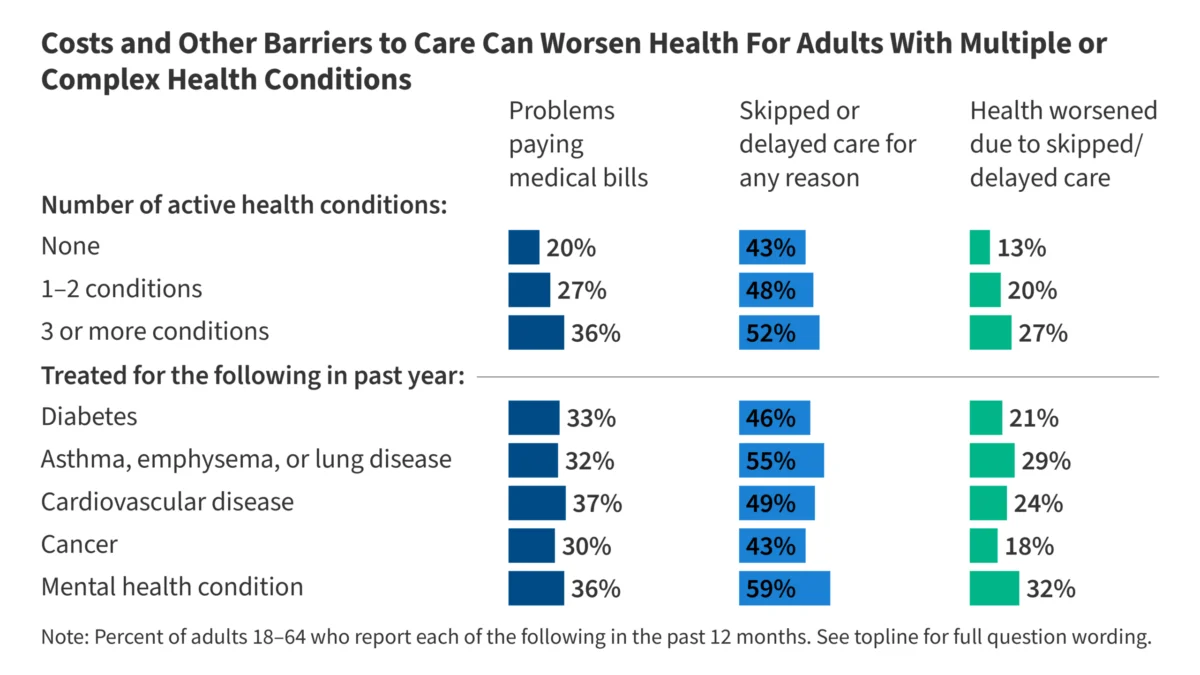
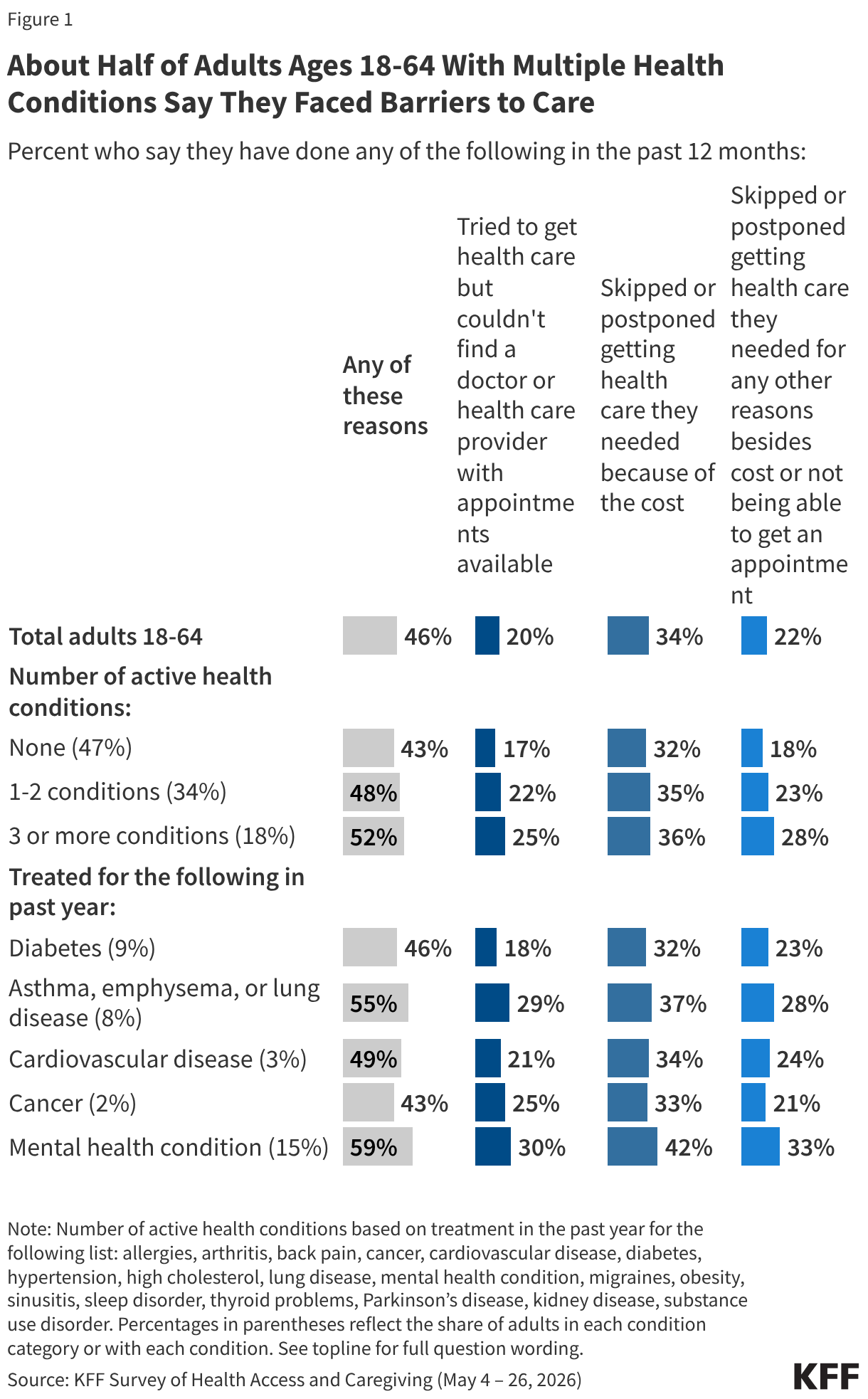
The KFF findings underscore a systemic failure to protect the most vulnerable. According to the report, more than half of adults aged 18-64 who are managing three or more chronic health conditions reported that they did not receive the medical care they needed in the past year. This figure rises to nearly 60% for those seeking treatment for mental health conditions.
n
The data suggests that health insurance is no longer a guaranteed shield against financial ruin or care deprivation. Even among the insured, nearly half of those with multiple conditions reported that their insurance providers had delayed or denied coverage for doctor-prescribed treatments. For the uninsured, the situation is catastrophic, with nearly 70% skipping care due to costs, often leading to a measurable decline in their physical health.
n
Chronology of a Crisis: Rising Economic Anxiety
n
The backdrop of this study is a year in which healthcare costs have surged to the top of the American public’s list of economic anxieties. KFF polling has historically tracked the struggle of U.S. families to afford care, but the past twelve months have seen an intensification of these worries, eclipsing other traditional concerns like housing or gas prices.
n
This specific report was conducted between May 4 and May 26, 2024, utilizing the SSRS Opinion Panel. By focusing on 16,677 individuals who received treatment for at least one health condition in the past year, researchers were able to bypass the "sample size limitations" that previously obscured the experiences of those with rare or complex diseases.
n
The timing is critical. As the U.S. continues to navigate post-pandemic inflationary pressures, the "medical debt" phenomenon has become a defining feature of the American middle class. The KFF data confirms that for those with chronic conditions, the choice is no longer between different types of care, but between medical treatment and basic household necessities.
n
Supporting Data: The Working-Age Struggle (Ages 18-64)
n
The most acute challenges are faced by adults under the age of 65, who largely rely on employer-sponsored insurance, Medicaid, or the individual market. In this demographic, one in five adults is managing three or more health conditions simultaneously.
n
The Cost-Care Paradox
n
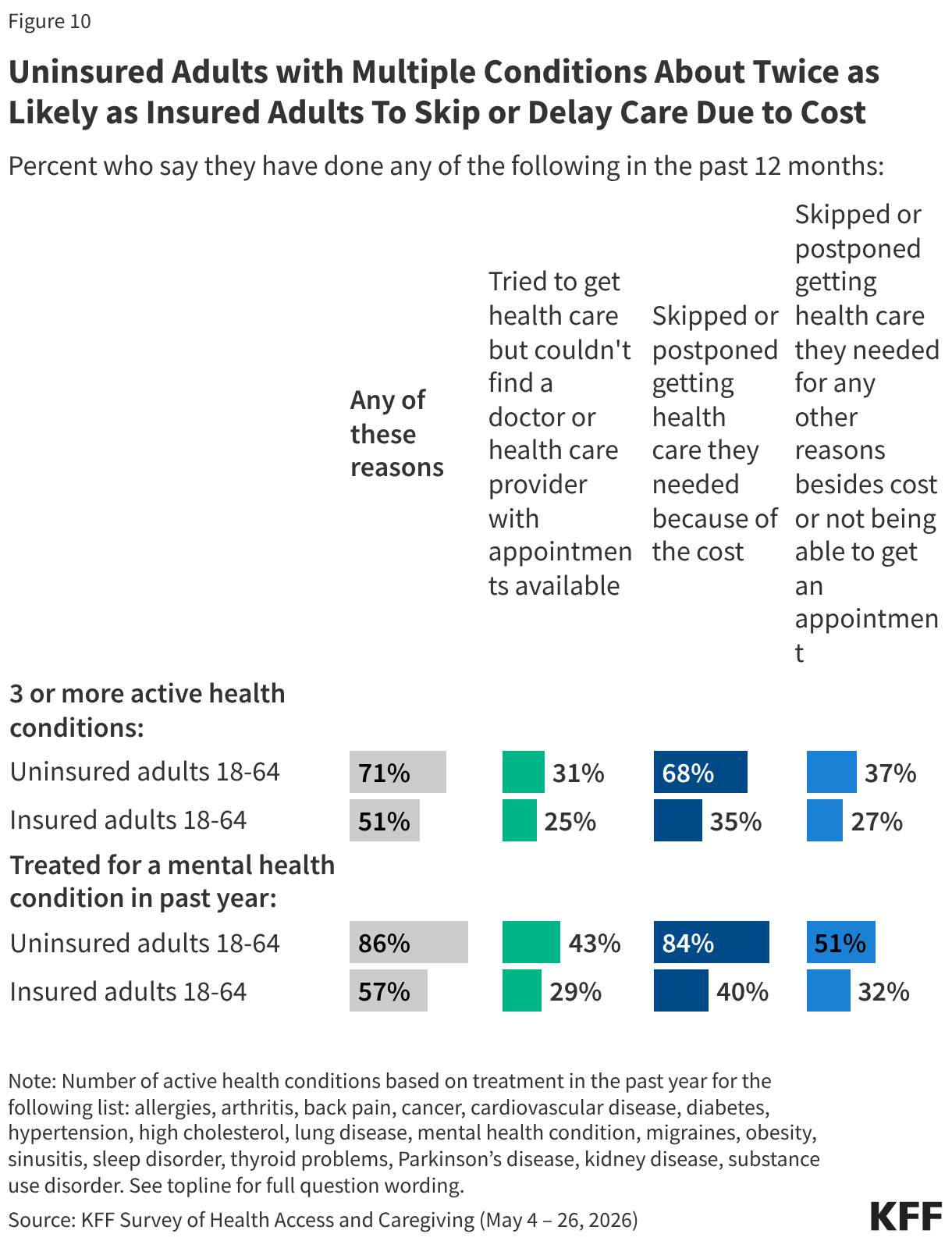
For those with multiple conditions, the most prevalent reason for skipping or delaying care is cost. Specifically:
n
- n
- 36% of adults with three or more conditions skipped or delayed care due to the price tag.
- 25% reported they could not find a provider with an available appointment.
- 42% of those with mental health conditions reported skipping care because they could not afford it.
n
n
n
n
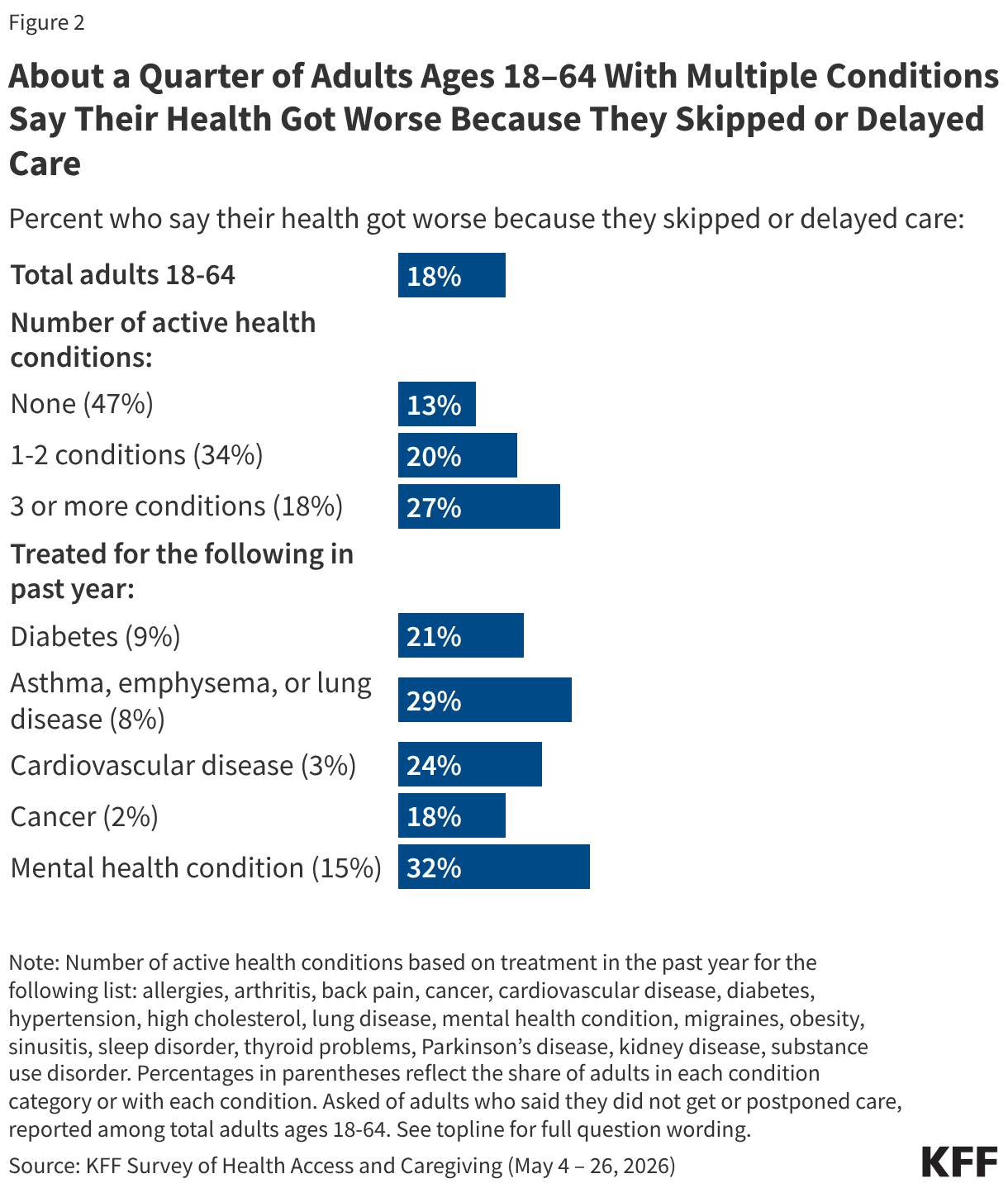
The consequences of these delays are not merely administrative; they are physiological. Nearly 30% of adults with mental health or lung conditions who delayed care reported that their health worsened as a direct result. This creates a "vicious cycle" where postponed care leads to more severe symptoms, which in turn require more expensive, emergency-level interventions.
n
The Medication Gap
n
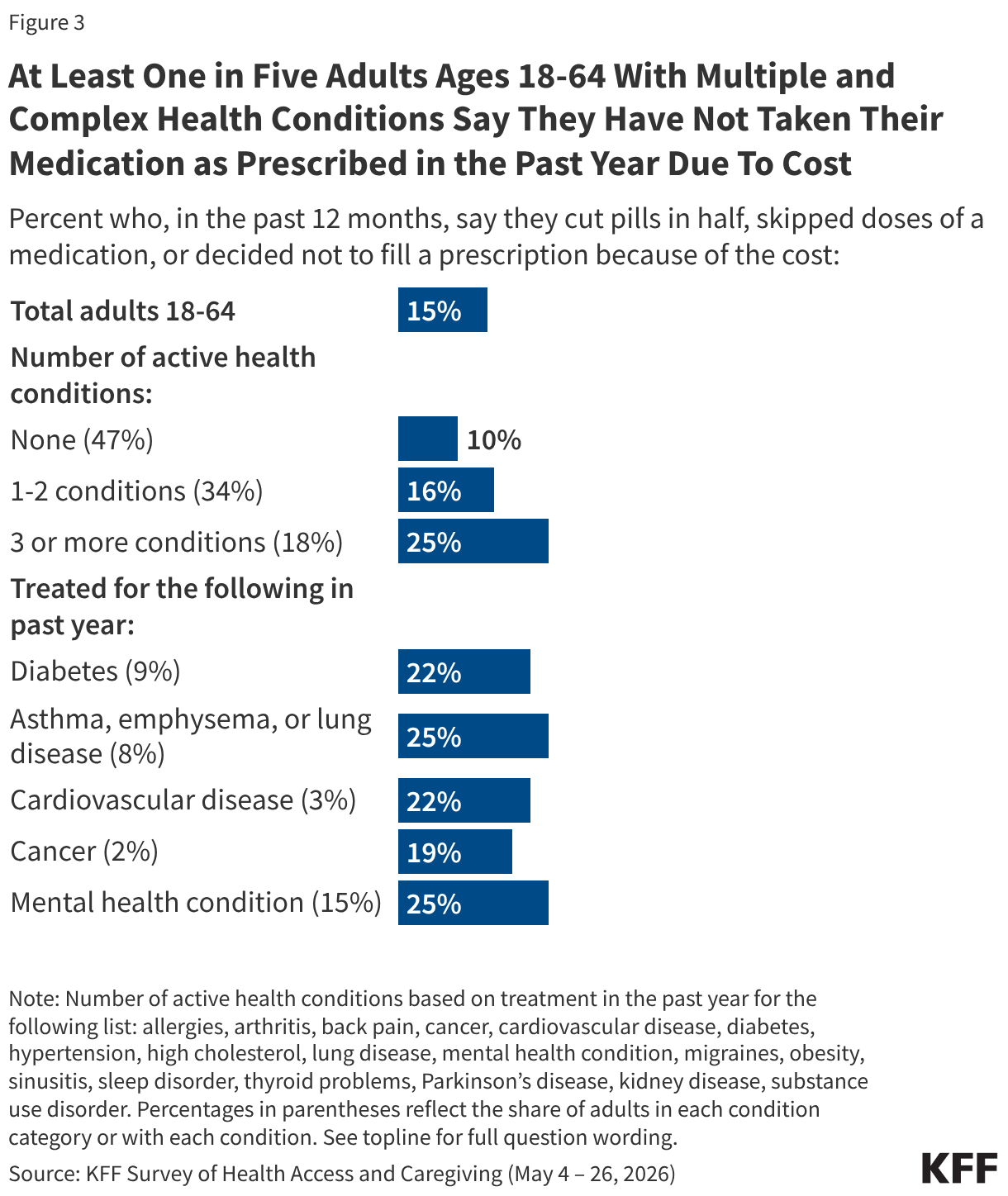
Affording the doctor’s visit is only half the battle; the other half is the pharmacy counter. One-quarter of adults managing multiple conditions reported they had engaged in "cost-saving" measures that compromised their health, such as:
n
- n
- Cutting pills in half.
- Skipping doses.
- Leaving prescriptions unfilled.
n
n
n
n
This behavior was particularly prevalent among those with lung disease (25%) and diabetes (22%), conditions where medication adherence is the primary factor in preventing long-term disability or death.
n
The Insurance Hurdle: Denials and Delays
n
Perhaps the most significant finding for policymakers is the friction within the insurance system itself. Having a "platinum" or employer-sponsored plan is no longer a guarantee of seamless care.
n
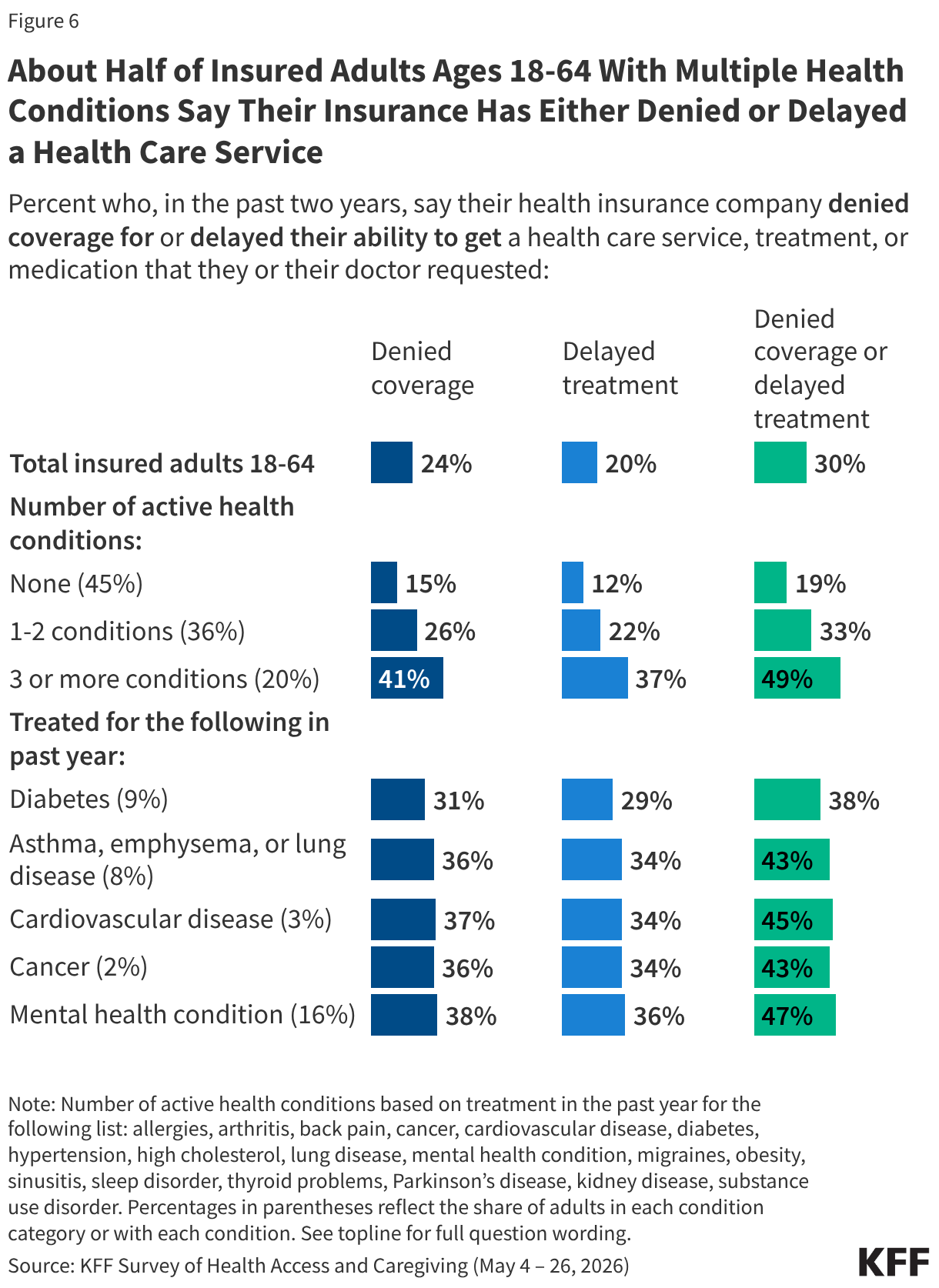
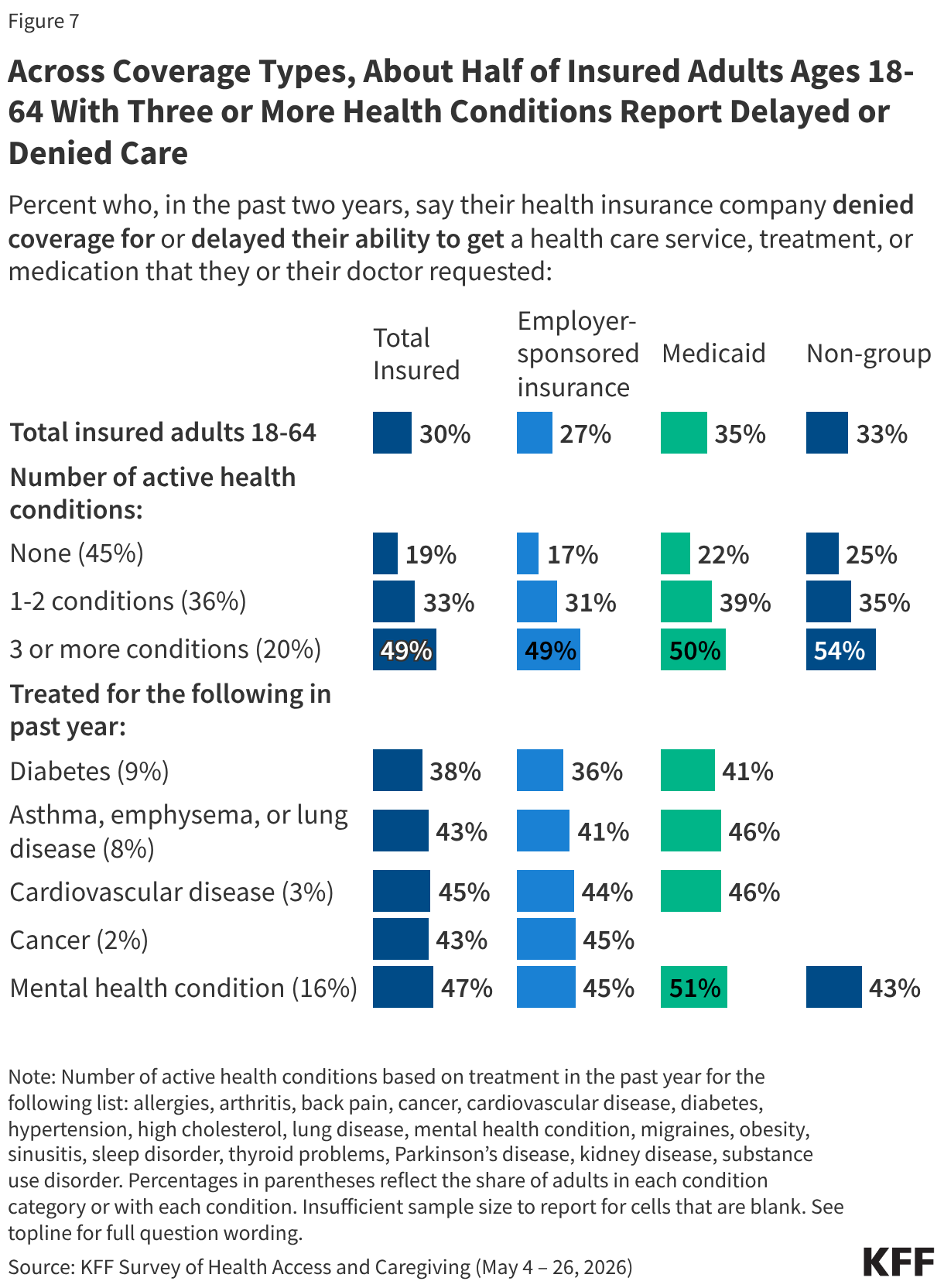
49% of insured adults with multiple conditions reported that their insurance company denied coverage or delayed a service prescribed by their doctor in the past two years. These hurdles—often manifesting as "prior authorization" requirements or formulary exclusions—disproportionately affect the sickest patients.
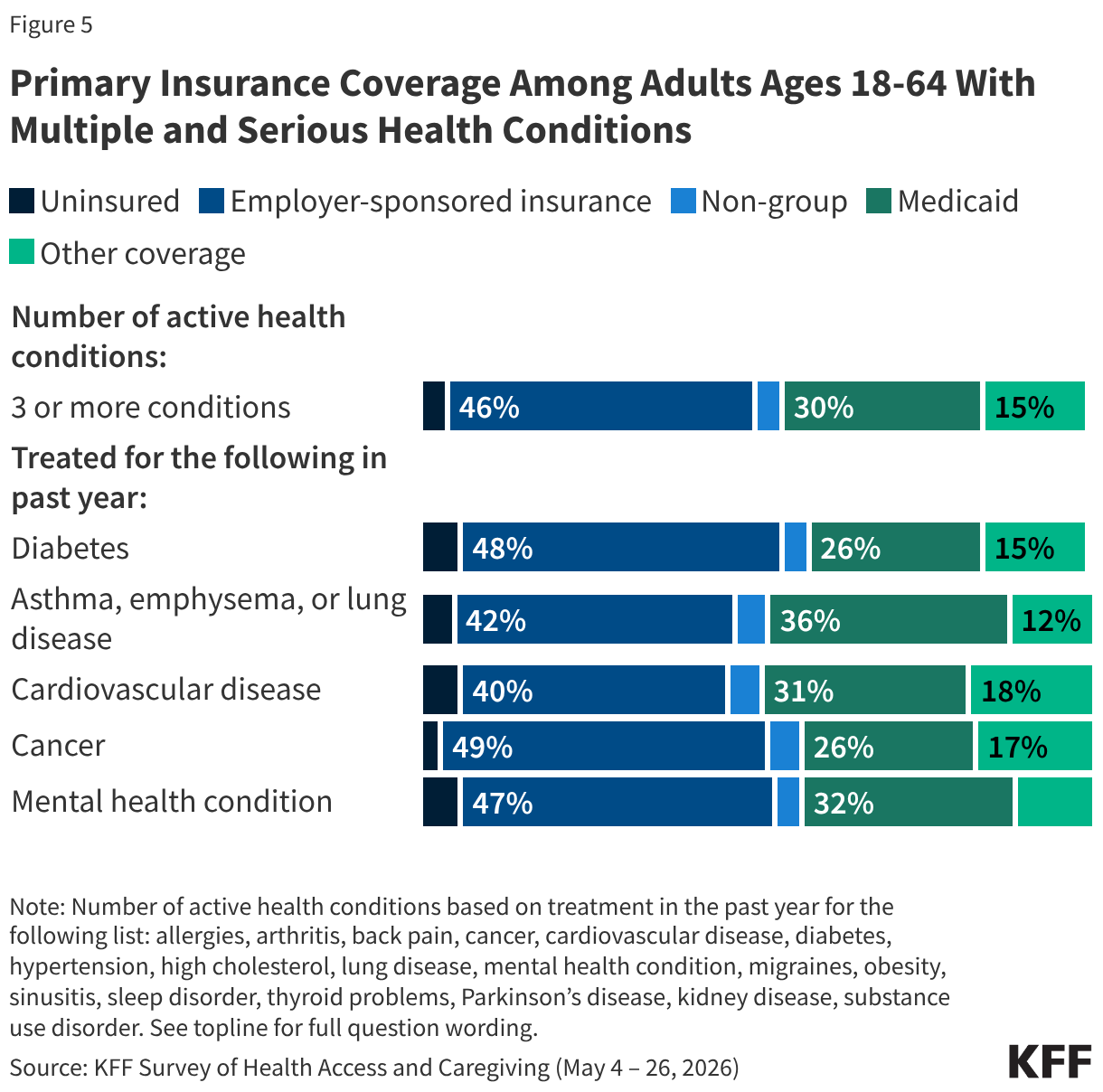
Interestingly, the source of insurance—whether it was an employer-sponsored plan, Medicaid, or non-group insurance—did not significantly change the likelihood of facing a denial. Approximately 50% of Medicaid recipients and 49% of those with employer plans reported these issues, suggesting that the "bureaucracy of care" is a universal experience across the American private and public sectors.
The Uninsured: A Group Left Behind
While the overall uninsured rate has stabilized in recent years, the KFF report highlights the "invisible" suffering of those without coverage who also have chronic illnesses.
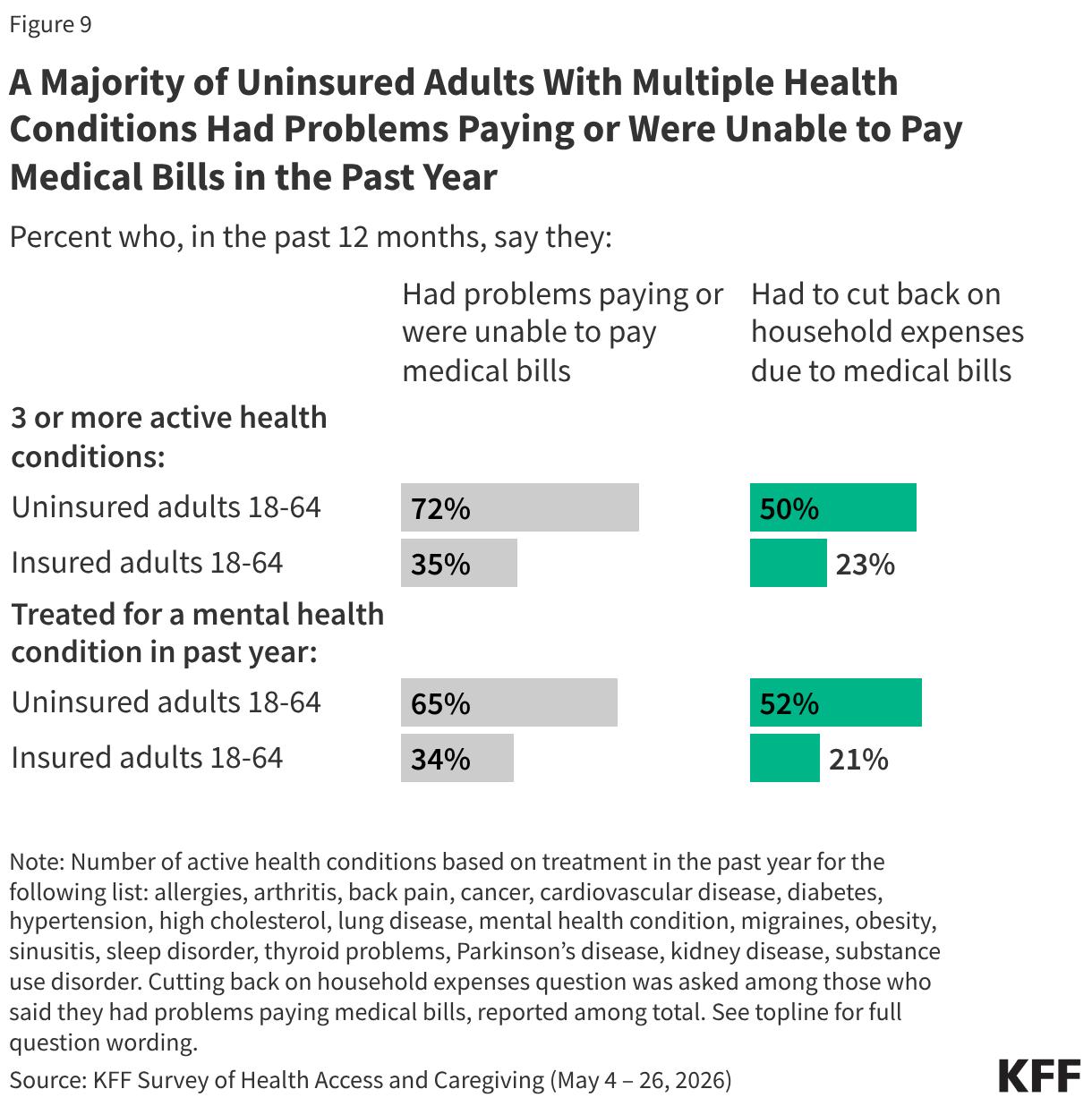
Among uninsured adults with multiple conditions:
- 72% had problems paying medical bills.
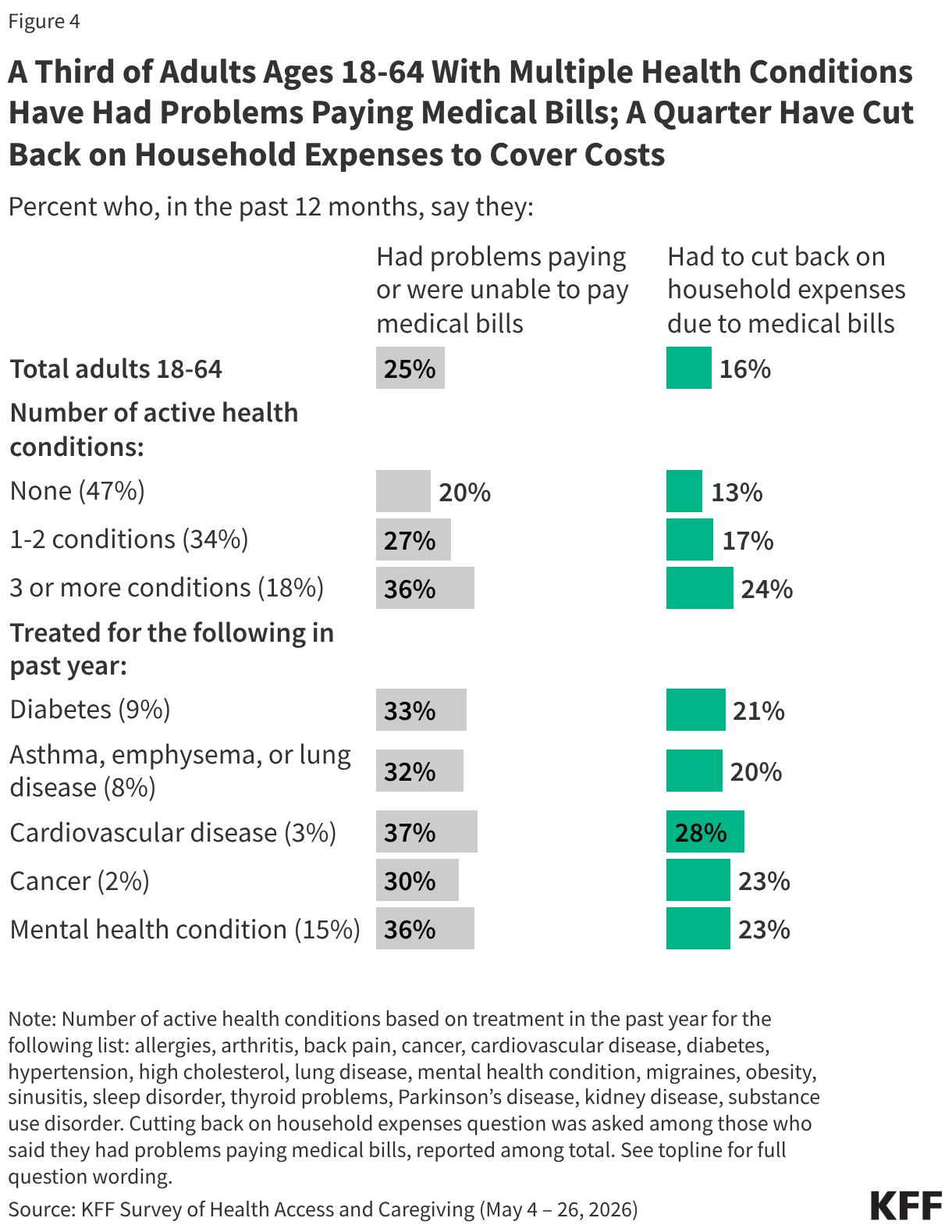
- 50% had to cut back on household expenses like food and clothing to pay for care.
- 68% skipped care entirely due to cost.
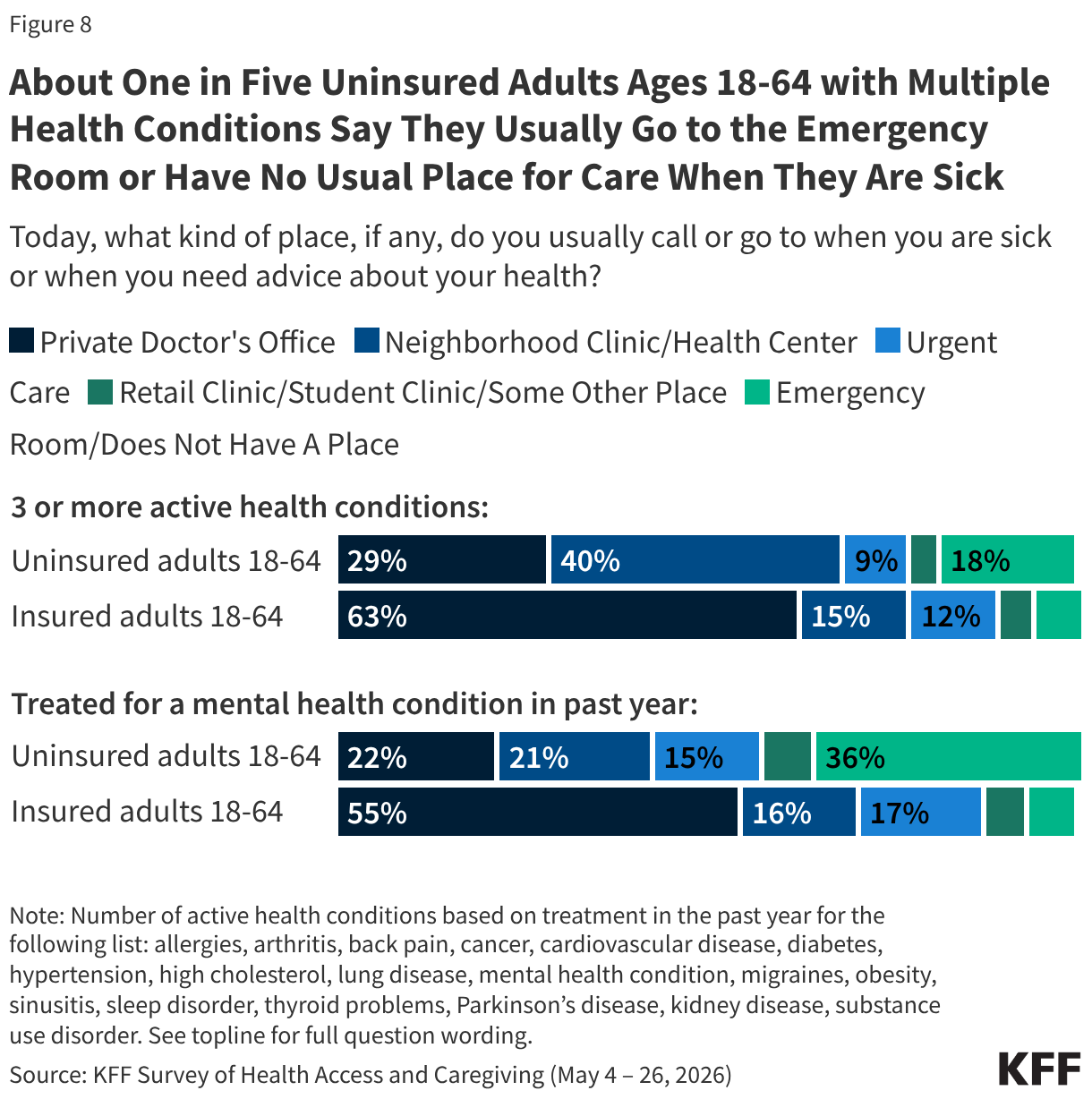
A particularly grim statistic reveals that 18% of the uninsured with multiple conditions have no "usual source of care" other than the emergency room. This reliance on emergency services is the most expensive and least efficient way to manage chronic disease, yet for many, it remains the only option.
Medicare’s Protective Reach—and Its Cracks (Ages 65+)
Adults aged 65 and older, who are largely covered by Medicare, fare better than their younger counterparts, but they are not immune to the system’s flaws.
While only 10% of seniors with multiple conditions skipped care due to cost (compared to 36% of younger adults), they still face significant insurance-related friction. 25% of seniors reported that Medicare Advantage or supplemental plans denied or delayed treatment.
Furthermore, 14% of seniors with multiple conditions still reported problems paying medical bills, and 9% had to cut back on basic household spending. This indicates that even with the "safety net" of Medicare, the sheer volume of care required for complex conditions can overwhelm a fixed social security income.
Sociodemographic Disparities
The report also sheds light on who is most likely to be suffering. Women are more likely than men to report receiving treatment for multiple conditions (26% vs. 21%) and are significantly more likely to be treated for mental health and lung conditions.
Racial and ethnic disparities also persist. While Black and White adults report similar rates of multiple conditions (25% and 26% respectively), Black and Hispanic adults are disproportionately affected by diabetes. Conversely, White adults are more likely to be in active treatment for mental health conditions, a trend that may reflect disparities in access to specialized psychiatric care rather than a difference in underlying prevalence.
Official Context and Policy Implications
Experts and healthcare advocates suggest that these findings should serve as a wake-up call for legislative reform. The high rate of insurance denials (nearly 50%) points to a need for stricter regulation of "prior authorization" practices, which were originally intended to curb unnecessary spending but are now being used, critics argue, to delay essential care.
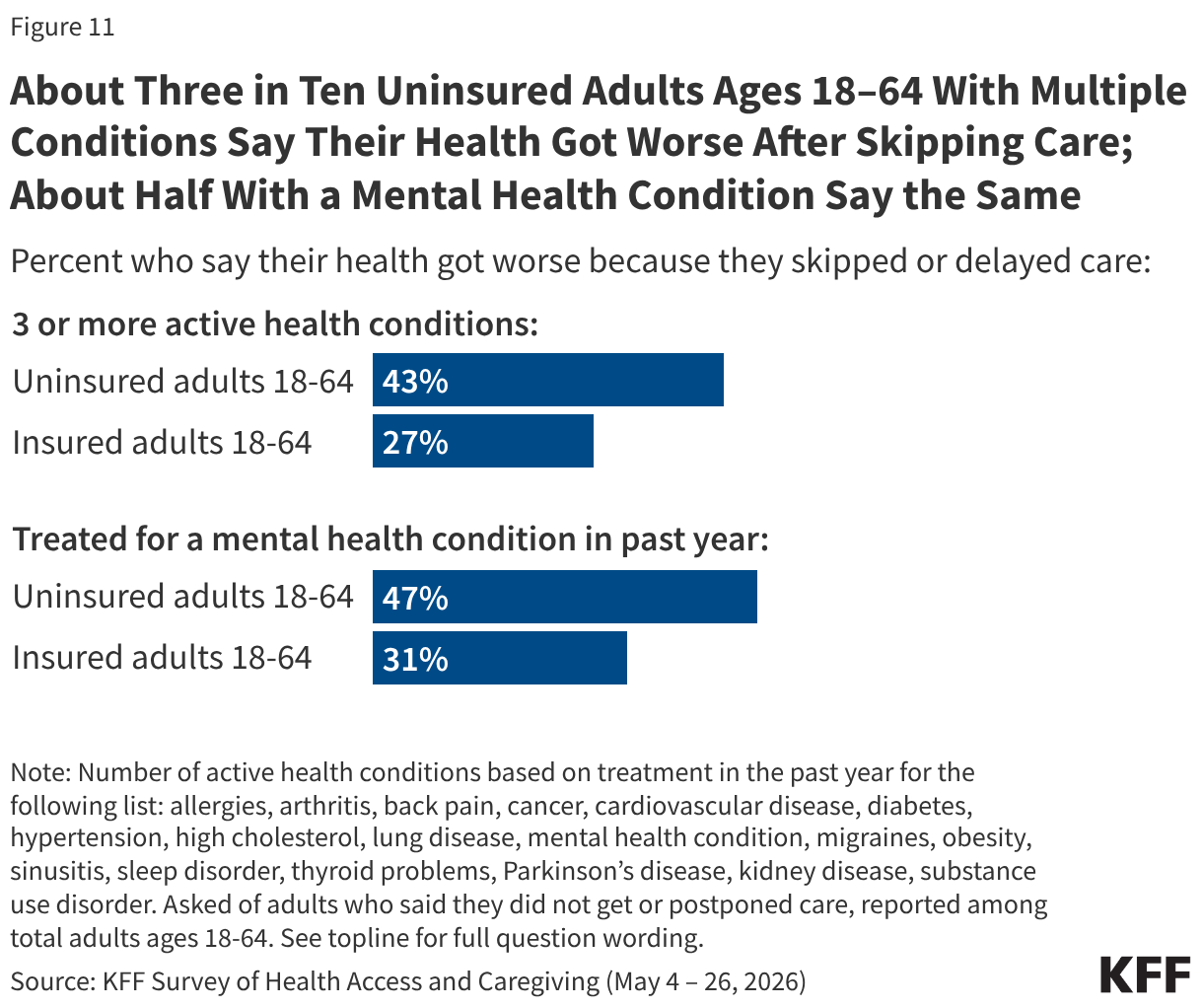
Furthermore, the "Key Takeaways" from the KFF report suggest that the current definition of "underinsured" needs to be expanded. If a patient has an insurance card but cannot afford the deductible or the co-pay for a life-saving prescription, their coverage exists only in name.
The implications of this data are profound for the future of the U.S. economy and public health:
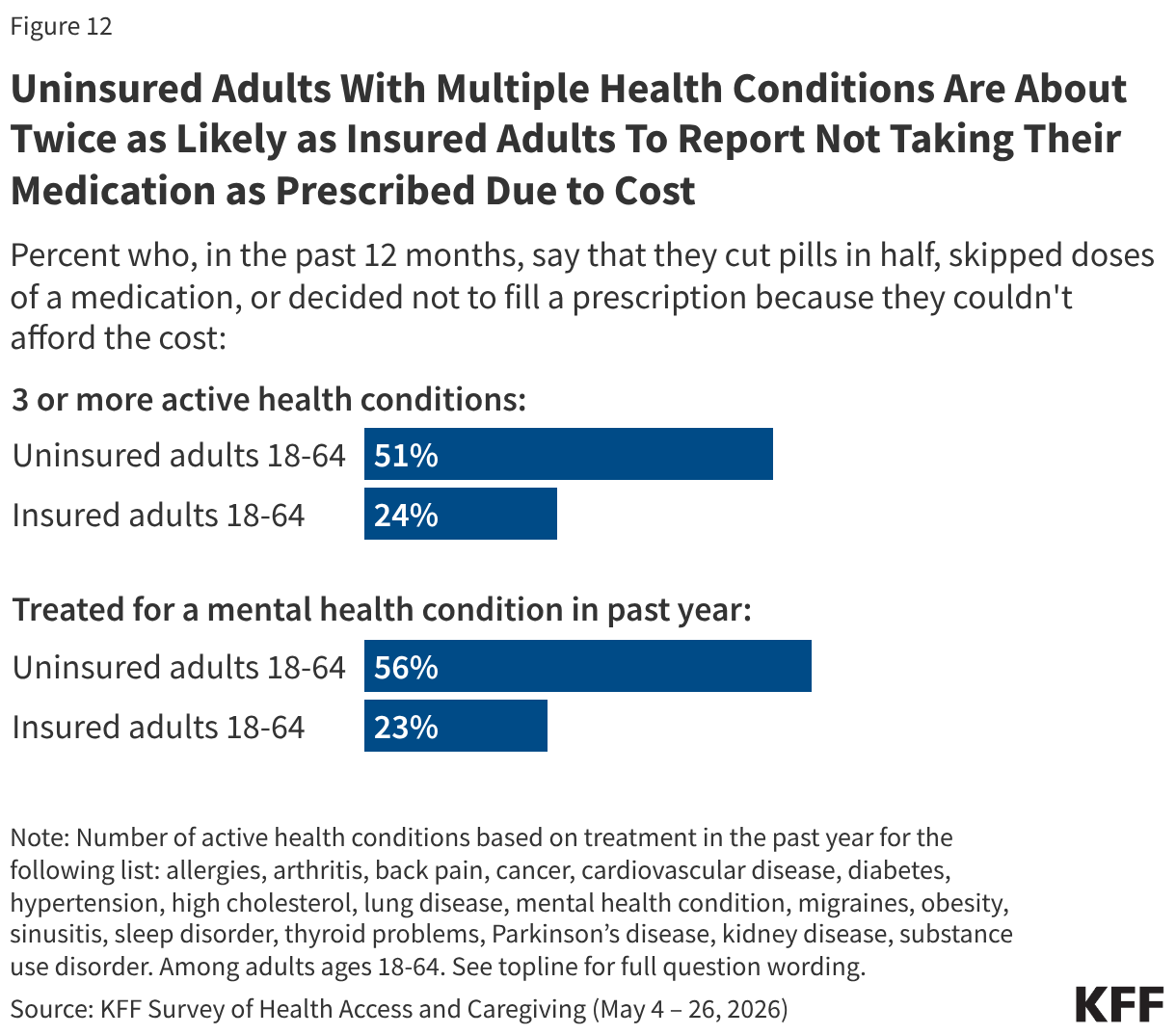
- Workforce Productivity: With 18-64-year-olds (the primary workforce) skipping care and seeing their health decline, the long-term impact on labor productivity is significant.
- Long-term Costs: By delaying care for conditions like cardiovascular disease and diabetes, the system is essentially trading lower costs today for massive, unavoidable expenses tomorrow (such as dialysis, heart surgery, or stroke rehabilitation).
- Financial Stability: Medical debt remains the leading cause of bankruptcy in the U.S., and the KFF data confirms that chronic illness is the primary driver of this financial instability.
Conclusion
The KFF Survey of Health Access and Caregiving paints a portrait of a healthcare system at a crossroads. While medical technology has made it possible to manage once-fatal conditions, the financial and bureaucratic systems designed to deliver that care are failing the very people they were built to serve. For the millions of Americans managing multiple health conditions, the "top economic anxiety" is not a political talking point—it is a daily struggle to balance the cost of staying alive against the cost of living.

