
Introduction
n
For decades, Starbucks Coffee Company has cultivated an image as a "progressive" employer, famously referring to its baristas as "partners" and offering health insurance to part-time workers—a rarity in the American retail and fast-food landscape. This reputation was bolstered as recently as last month, when an independent analysis by Aon ranked Starbucks as the No. 1 provider of hourly benefits value among more than 60 major U.S. retailers.
n
However, that carefully curated image is currently facing a significant challenge. A reported shift in the company’s healthcare policy has sent shockwaves through its workforce and the medical advocacy community. Starting in October, Starbucks reportedly plans to terminate insurance coverage for GLP-1 (glucagon-like peptide-1) medications when prescribed specifically for weight loss. While the medications will remain available for those with Type 2 diabetes, the exclusion of obesity treatment has sparked a fierce debate over corporate responsibility, the medical definition of obesity, and the ethics of marketing to a demographic while simultaneously denying similar care to the employees who serve them.
n
Main Facts: The Policy Pivot
n
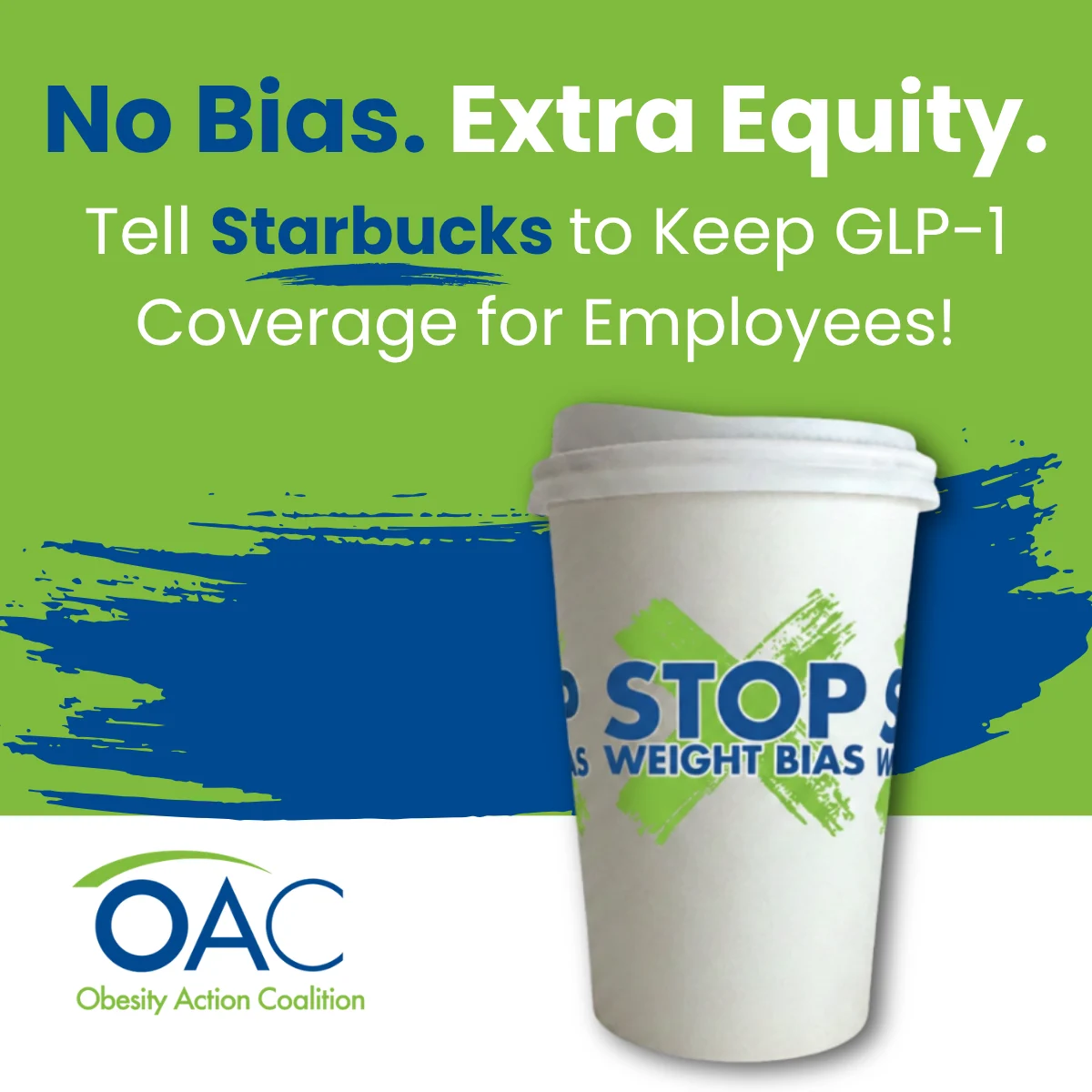
The core of the controversy lies in a change to the Starbucks "Your Special Blend" benefits package. According to internal reports and advocacy groups like the Obesity Action Coalition (OAC), Starbucks will no longer cover blockbuster GLP-1 drugs—such as Wegovy and Zepbound—for the purpose of chronic weight management.
n
GLP-1 receptor agonists have revolutionized the treatment of obesity by mimicking hormones that target areas of the brain that regulate appetite and food intake. For many, these medications are not "lifestyle drugs" but essential tools for managing a chronic condition that contributes to heart disease, sleep apnea, and joint degradation.
n
The policy change creates a bifurcated system: an employee with Type 2 diabetes may continue to receive coverage for Ozempic or Mounjaro, but a colleague struggling with clinical obesity will be forced to pay out-of-pocket—often upwards of $1,000 per month—or discontinue treatment entirely. This decision comes at a time when the demand for these drugs is at an all-time high and as Starbucks undergoes a high-profile leadership transition.
n
Chronology: From Benefit Leader to Cost-Cutter
n
To understand the weight of this decision, one must look at the timeline of Starbucks’ benefits evolution and the recent shift in corporate strategy.
n
- n
- September 2023 – August 2024: Starbucks maintains its position as a benefits leader. The company highlights its comprehensive healthcare, including mental health support and fertility benefits, culminating in the Aon No. 1 ranking for hourly benefits.
- Early 2024: Then-CEO Laxman Narasimhan and other executives begin addressing the "GLP-1 trend" in earnings calls. Rather than focusing on employees, the discussion centers on consumer behavior.
- March 2024: Starbucks leadership notes that the rise of GLP-1 medications is influencing the company’s product pipeline. The company begins testing and promoting "protein-rich" food and beverage options to cater to customers who are using these medications and seeking smaller, nutrient-dense portions.
- August 2024: Starbucks announces a massive leadership shakeup, appointing former Chipotle CEO Brian Niccol as the new Chairman and CEO. Niccol is tasked with reversing declining sales and improving the "Starbucks Experience."
- Late August/September 2024: Reports emerge that the health plan administrator for Starbucks will implement the GLP-1 weight-loss exclusion effective October 2024.
- September 2024: The Obesity Action Coalition (OAC) and other health advocates launch public campaigns calling on Starbucks to reverse the decision, citing a "double standard" in how the company treats its customers versus its employees.
n
n
n
n
n
n
n
Supporting Data: The Financial and Medical Context
n
The decision by Starbucks is not occurring in a vacuum. It is a reflection of a broader, tense negotiation between American corporations and the skyrocketing costs of pharmaceutical innovation.
n
The Cost of GLP-1s
n
GLP-1 medications are among the most expensive chronic treatments on the market. In the United States, the list price for Wegovy is approximately $1,349 per month, while Zepbound retails for about $1,060. Unlike a ten-day course of antibiotics, these are intended for long-term use. For a company with hundreds of thousands of employees, the cumulative cost can be staggering. Recent data suggests that some large employers have seen their pharmacy benefit spending increase by 20% to 50% in a single year solely due to the uptake of GLP-1s.
n
The Prevalence of Obesity
n
According to the Centers for Disease Control and Prevention (CDC), the adult obesity prevalence in the United States is approximately 42%. Within the retail and service sector, where physical stamina is required but access to healthy, affordable food can be limited by shift work, the impact of obesity is significant. By removing coverage, Starbucks is potentially affecting a large plurality of its workforce.
n
The Science of Disease
n
The medical community’s understanding of obesity has shifted. The American Medical Association (AMA) officially recognized obesity as a disease in 2013. Research has shown that for many individuals, diet and exercise alone are insufficient to overcome biological "set points" and hormonal imbalances. GLP-1s have shown the ability to reduce body weight by 15% to 22% in clinical trials, significantly reducing the risk of cardiovascular events.
n
Official Responses and Advocacy Perspectives
n
Starbucks has historically defended its benefit changes as necessary steps to ensure the long-term sustainability of its "total rewards" package. While the company has not issued a comprehensive public rebuttal to the OAC’s specific claims, the general corporate sentiment in the industry is that rising healthcare premiums must be managed to protect other benefits like 401(k) matching and tuition reimbursement.
n
However, the Obesity Action Coalition (OAC) has been vocal in its opposition. In a formal statement, the OAC argued:
n
n
"When health coverage excludes treatment for obesity while maintaining access to GLP-1 medications for other health conditions, it reinforces an unacceptable double standard: that obesity does not deserve the same standard of care. Starbucks is adapting its products to meet the changing needs of consumers using GLP-1 medications while pulling back access to obesity treatment for its own employees."
Advocates point out the irony in the company’s marketing strategy. Under Brian Niccol’s predecessors, Starbucks began emphasizing "high-protein" snacks and "shaken espressos" as ideal for the "GLP-1 consumer." Critics argue that it is hypocritical to profit from a medical trend while denying the underlying medical treatment to the "partners" who prepare those drinks.
Implications: A Turning Point for Corporate Healthcare
The Starbucks decision carries implications that reach far beyond the coffee counter. As a "bellwether" employer, Starbucks often sets the tone for the rest of the retail industry.
1. The Erosion of the "Gold Standard"
If Starbucks—a company that prides itself on being the best in class for benefits—cannot or will not sustain GLP-1 coverage for weight loss, it signals to other Fortune 500 companies that they have "permission" to cut these benefits as well. This could lead to a massive regression in how obesity is treated in the private sector, moving it back into the realm of "elective" or "cosmetic" care rather than essential medicine.
2. Employee Retention and Labor Relations
Starbucks has faced a wave of unionization efforts over the past three years, with workers citing "eroding benefits" and "unpredictable scheduling" as primary concerns. The removal of a high-value medical benefit like GLP-1 coverage provides further ammunition for labor organizers. Employees who joined Starbucks specifically for its robust health insurance may now look elsewhere, potentially impacting the company’s ability to attract top-tier talent in a competitive labor market.
3. The Future of Drug Pricing
This conflict highlights the desperate need for a middle ground in drug pricing. As long as GLP-1s remain priced at a premium in the U.S. compared to Europe (where the same drugs often cost less than $200 a month), employers will continue to be caught between the financial health of the company and the physical health of their employees.
4. Moral and Ethical Consistency
The most significant implication is the message it sends about the value of the "partner." If Starbucks views GLP-1 users as a lucrative customer segment to be catered to with new menu items, but views GLP-1 users on their own payroll as a "cost center" to be trimmed, it risks damaging the core of its brand identity.
Conclusion: A Call to Action
The Obesity Action Coalition is currently urging Starbucks employees and the general public to use their "Action Center" to demand a reversal of this policy. They argue that obesity care should not be treated differently than any other chronic disease.
As October approaches, the "partners" at Starbucks find themselves at a crossroads. The company must decide if it wants to maintain its status as a leader in employee care or if the "Triple Shot Reinvention" strategy under new leadership will prioritize short-term balance sheet stability over the long-term health of its workforce. For the thousands of employees currently managing their health with these medications, the decision is not just about a paycheck—it is about their quality of life.

