
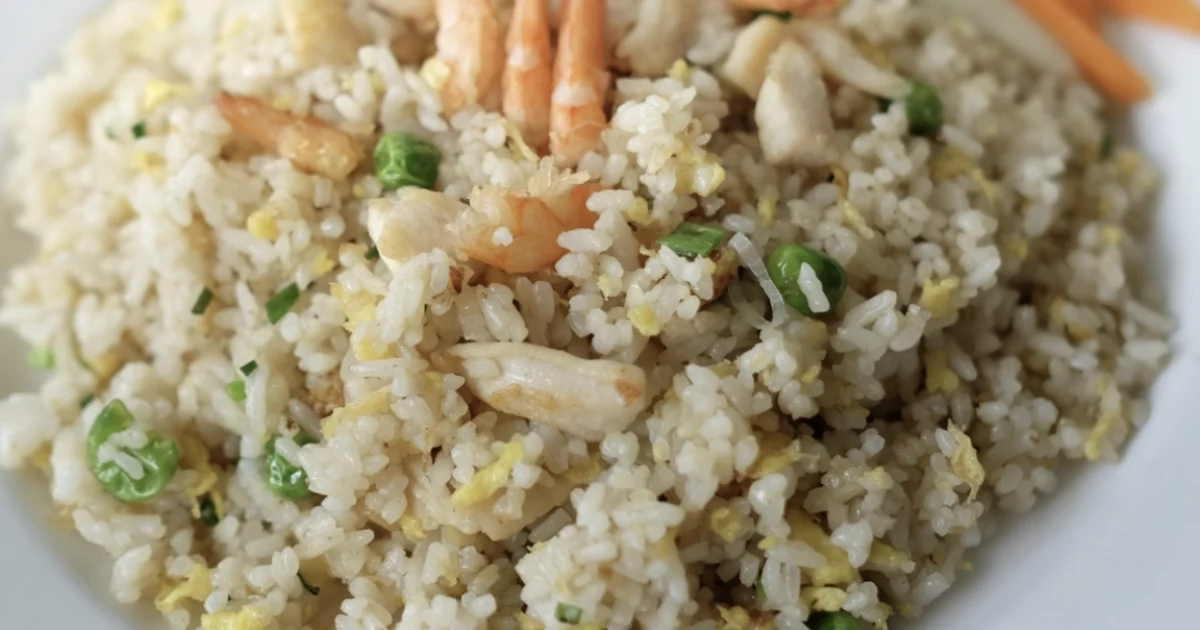
The allure of peptides has swept through the wellness community, with influencers and enthusiasts alike extolling their supposed benefits for everything from muscle growth to anti-aging. However, this broad embrace of peptides overlooks a critical distinction: not all peptides are benign. In fact, some, like the potent toxin cereulide, can transform an otherwise innocent meal, particularly rice-based dishes, into a source of severe gastrointestinal distress. The alarming reality is that once this toxin is present, reheating your food offers no protection, a fact that has led to a common culinary hazard being dubbed "fried rice syndrome."
n
This article delves into the science behind cereulide, exploring its origins, the mechanisms by which it causes illness, and the crucial preventative measures that can safeguard individuals from its debilitating effects. We will examine the role of the bacterium Bacillus cereus, its spore-forming capabilities, and the specific conditions that allow cereulide to develop, turning everyday leftovers into a potential health risk.
n
The Peptides Phenomenon: A Double-Edged Sword
n
The current fascination with peptides in wellness circles is understandable, given their fundamental role in biological processes. Peptides are short chains of amino acids, the building blocks of proteins, and they perform a vast array of functions within the body. Insulin, a vital peptide produced by the pancreas, regulates blood sugar and is indispensable for individuals with type 1 diabetes. Its administration can be life-saving, yet an overdose can be fatal, highlighting the potent and context-dependent nature of these molecules.
n
However, the wellness industry’s blanket promotion of "peptides" often fails to acknowledge the immense diversity within this molecular class. The sheer number of possible amino acid combinations means that peptides are not a monolithic entity with uniform effects. Many peptides are produced by living organisms and can be considered "natural." Yet, as with insulin, "natural" does not equate to "harmless." The human body encounters a spectrum of peptides, some beneficial, some neutral, and some lethally toxic.
n
Nature has engineered an arsenal of peptides for defense and predation. The death cap mushroom, for instance, contains alpha-amanitin, a peptide potent enough to be fatal with a single ingestion. The venom of the cone snail is a complex cocktail of conotoxins, peptides designed to immobilize or kill prey. Similarly, the Black mamba snake injects dendrotoxins, and the Russell’s viper delivers toxins that disrupt blood coagulation, leading to fatal hemorrhaging. These examples underscore that while peptides are integral to life, they can also be instruments of extreme danger.
n
The Unwelcome Guest: Cereulide and the "Fried Rice Syndrome"
n
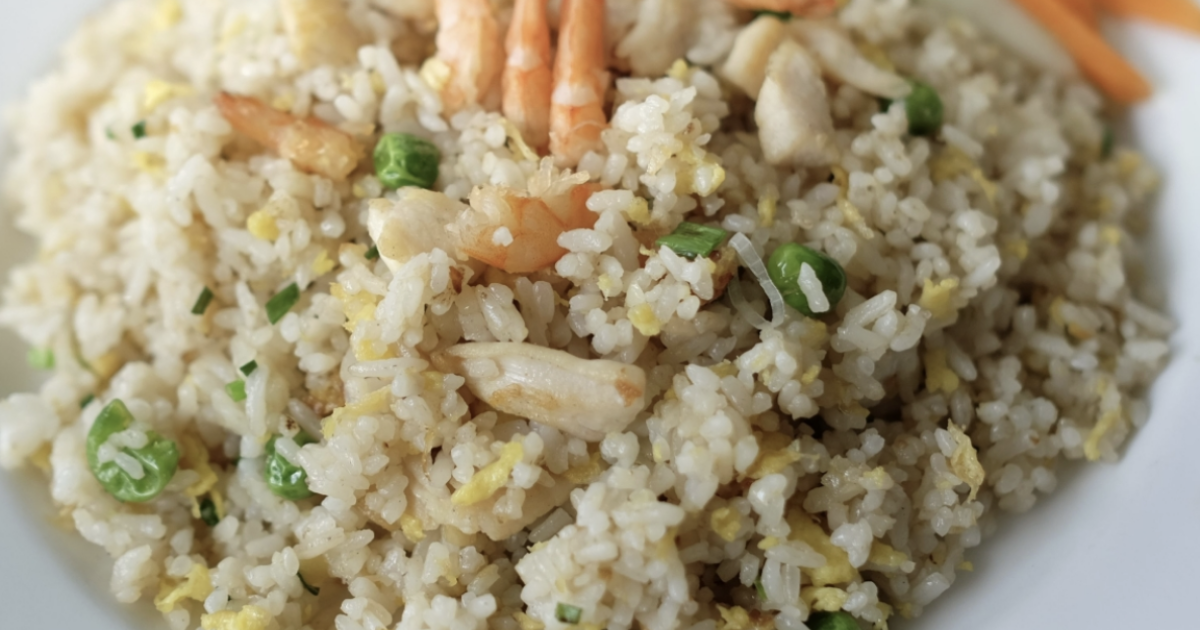
While encounters with deadly mushrooms or venomous snakes are rare for most people, a more common threat lurks in our kitchens: cereulide. This specific peptide, produced by the bacterium Bacillus cereus, is the culprit behind the unpleasant and sometimes severe gastrointestinal symptoms associated with improperly handled food, particularly rice. The term "fried rice syndrome" is a misnomer, as the issue extends beyond rice and can affect other carbohydrate-rich foods.
n
Bacillus cereus is a ubiquitous bacterium found in soil, water, and air, and consequently, it is frequently present in raw agricultural products, including rice. Bacteria can pose a threat to human health in two primary ways: by causing infection through invasion and multiplication within body tissues, or by producing toxins that disrupt normal bodily functions. Examples of the former include Streptococcus pyogenes, responsible for strep throat, and Mycobacterium tuberculosis, the causative agent of tuberculosis.
n
However, it is the latter mechanism, the production of toxins, that concerns us in the context of cereulide. These toxins can interfere with cellular processes, leading to illness. A well-known example is botulinum toxin, produced by Clostridium botulinum. This neurotoxin is incredibly potent, with just a few micrograms being lethal. Fortunately, botulinum toxin is heat-sensitive and can be destroyed by heating to 85°C (185°F) for five minutes.
n
A critical characteristic of Clostridium botulinum, and indeed Bacillus cereus, is their ability to form dormant, heat-resistant spores. These spores can survive conditions that would kill the active bacteria. While the botulinum toxin itself can be inactivated by heat, the spores can lie dormant and then reactivate under favorable conditions, releasing more toxin. Destroying these spores requires much higher temperatures, around 120°C (248°F), achievable under pressure, such as during the canning process.
n
The Science of Spoilage: How Cereulide Forms
n
Bacillus cereus was first identified in 1887 by British chemist Percy Frankland. Like Clostridium botulinum, it possesses the dual threat of toxin production and spore formation. However, the toxin produced by Bacillus cereus, cereulide, presents a unique and insidious challenge: it is exceptionally heat-resistant. While cooking may eliminate the living bacteria, the cereulide they have already produced remains intact.
n
The symptoms of cereulide intoxication typically manifest within one to three hours of ingestion, presenting as nausea, vomiting, and abdominal cramps. This rapid onset is due to cereulide’s mechanism of action: it directly stimulates pathways involving the vagus nerve, a crucial communication channel between the digestive tract and the brain’s vomiting center. While most cases resolve within 24 hours, there have been rare instances of severe complications, including kidney and liver failure.
n
The key to preventing cereulide poisoning lies in understanding its formation and the critical role of proper food cooling. The risk is significantly reduced when cooked foods are cooled rapidly and stored correctly.
n
Rice: The Primary Culprit and Its Misunderstood Role
n
Rice, due to its prevalence and its common presence of Bacillus cereus spores from soil contamination, is most frequently implicated in cereulide toxicity. The spores themselves are not destroyed by typical cooking processes. Once rice is cooked, these spores can germinate into active bacteria if the food is left at room temperature for an extended period – generally more than two hours. During this germination and growth phase, the bacteria produce cereulide.
n
The problem is exacerbated because the toxin is heat-stable. This means that even if you stir-fry previously cooked rice, effectively killing any remaining live bacteria, the cereulide they have already secreted will persist. Furthermore, cereulide is a silent threat; it does not alter the smell or taste of the food, making its presence undetectable by sensory means.
n
The danger arises from improper handling of cooked rice and other leftovers. Leaving cooked food at room temperature for more than two hours provides the optimal window for Bacillus cereus spores to germinate and produce cereulide. Refrigeration is crucial, but the method of cooling matters. Simply placing a large, hot container of food in the refrigerator may not be sufficient. The center of the food will cool too slowly, allowing ample time for toxin production.
n
Beyond Rice: The Wider Implications of "Fried Rice Syndrome"
n
While the name "fried rice syndrome" is catchy and memorable, it inaccurately narrows the scope of this food safety concern. The condition is not exclusive to rice or even starchy foods. One of the most significant outbreaks of emetic syndrome caused by cereulide occurred in a British prison, and the source was traced not to rice, but to improperly cooled beef stew. This highlights that any cooked food left at improper temperatures for too long can become a breeding ground for Bacillus cereus and the subsequent production of cereulide.

n
The core message is not to fear fried rice or other popular dishes, but to understand the fundamental principles of food safety, particularly concerning leftovers. Reheating food, even to temperatures that kill live bacteria, is not a guarantee of safety if a heat-stable toxin like cereulide has already formed.
n
Prevention: The Crucial Steps to Safer Leftovers
n
The most effective strategy for preventing cereulide intoxication is proper food cooling. Instead of relying on reheating as a safeguard, focus on rapidly reducing the temperature of cooked foods.
n
- n
- Cool Quickly: After cooking, cool food as rapidly as possible. This can be achieved by dividing large quantities into smaller, shallow containers. This increases the surface area, allowing heat to dissipate more quickly.
- Refrigerate Promptly: Once cooled, refrigerate food promptly. Aim to get leftovers into the refrigerator within two hours of cooking. If the ambient temperature is above 32°C (90°F), this window shrinks to one hour.
- Mindful Refrigeration: Even with refrigeration, be mindful of large portions. If a dish is very dense or in a large container, the center may not cool sufficiently. Consider dividing it further or using an ice bath to accelerate the cooling process before refrigerating.
- Consume Promptly: While proper cooling minimizes the risk, it’s still advisable to consume leftovers within a few days.
- When in Doubt, Throw It Out: If you are unsure about how a food was stored or cooled, or if it has been left out for an extended period, it is always safer to discard it.
n
n
n
n
Official Responses and Scientific Guidance
Organizations like the World Health Organization (WHO) and national food safety agencies provide extensive guidelines on safe food handling practices. These guidelines consistently emphasize the importance of proper cooling and prompt refrigeration of cooked foods. They also educate the public about the risks associated with foodborne pathogens and toxins.
The McGill University’s Office for Science and Society (OSS), where Dr. Joe Schwarcz, the author of the original article, directs, plays a vital role in disseminating accurate scientific information to the public. Their mission is to "separate sense from nonsense," and their work on topics like "fried rice syndrome" aims to demystify complex scientific issues and empower individuals with practical knowledge.
Implications: A Call for Informed Food Safety Practices
The "fried rice syndrome" serves as a potent reminder that scientific understanding is crucial for everyday health decisions. The trend of embracing "wellness peptides" without critical discernment highlights a broader societal need for evidence-based information. While peptides hold immense therapeutic potential, their misuse or misunderstanding can lead to harm.
The implications of cereulide toxicity are clear: a lapse in basic food safety practices can have significant health consequences. By understanding the science behind bacterial toxins and implementing proper cooling and storage methods, individuals can effectively mitigate the risk of experiencing the unpleasant and potentially dangerous effects of "fried rice syndrome." The takeaway is not to shun certain foods, but to approach food preparation and storage with informed caution and a commitment to scientific principles. Staying curious and staying informed, as the original article advocates, is the most potent defense against culinary hazards, both known and emerging.

