
A recent randomized study offers critical insights into the multifaceted impact of the ketogenic diet, revealing that its influence extends far beyond the scale, with significant implications for metabolic health, cardiovascular markers, and even neurological function.
n
The ketogenic diet, a dietary approach characterized by extremely low carbohydrate intake, moderate protein, and high fat, has surged in popularity as a potent tool for weight management. However, a growing chorus of inquiry from the public and the scientific community alike centers on its comprehensive, long-term effects on overall health. A reader’s pointed question – "I’m curious about the whole-body health effects of a long-term keto diet – cholesterol, heart disease, etc." – encapsulates this widespread curiosity. While the short answer is that the keto diet initiates a cascade of physiological changes far exceeding mere weight reduction, a deeper dive into emerging research, particularly a recent randomized study published in Cell Metabolism, provides a more nuanced and comprehensive understanding of these profound tradeoffs.
n
The Fundamental Shift: How Ketosis Rewires Your Body’s Engine
n
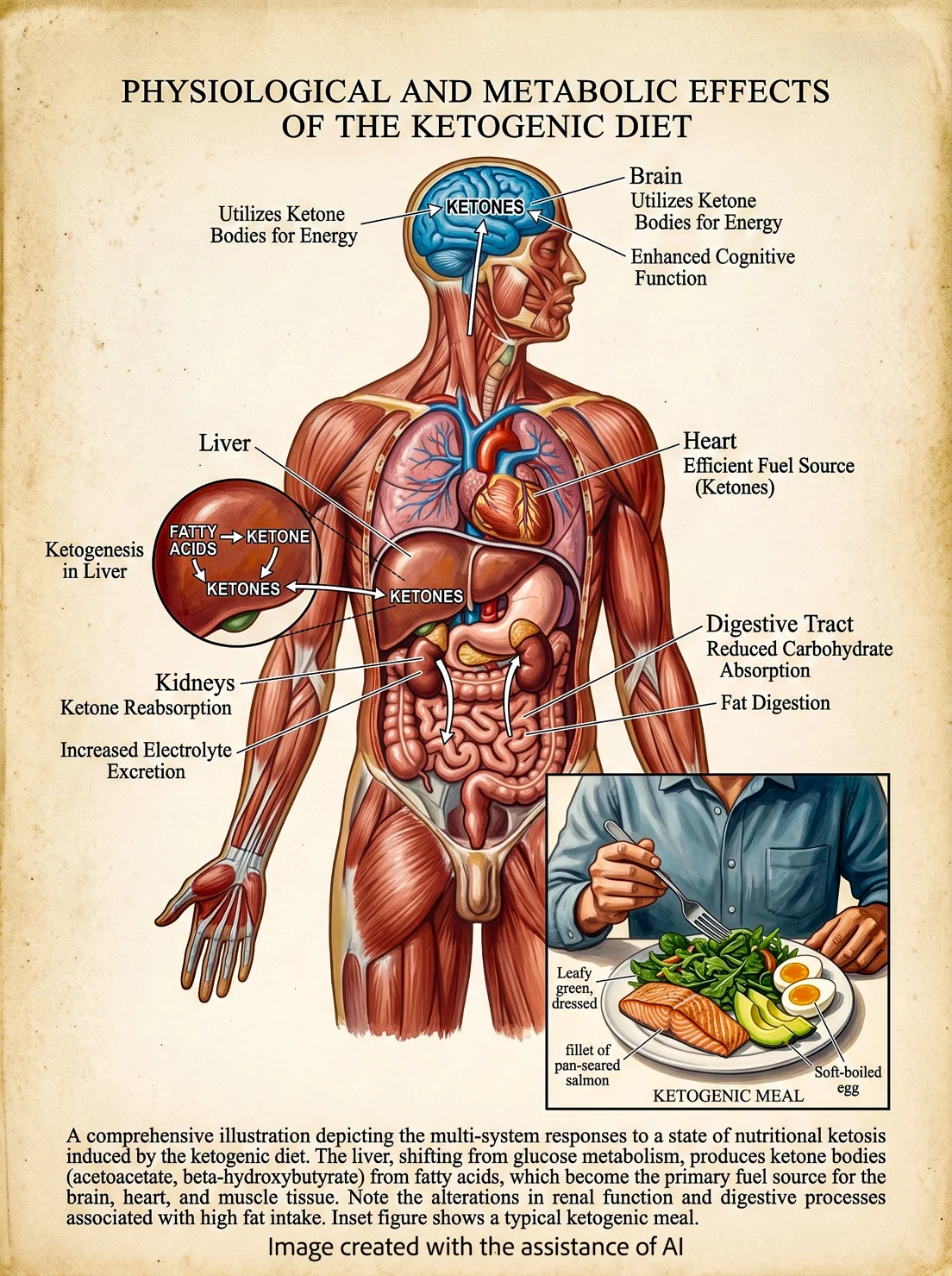
At its core, the ketogenic diet forces a radical metabolic recalibration. Our bodies are primarily designed to utilize glucose, derived from carbohydrates, as their principal energy source. When carbohydrate intake is drastically curtailed, the body enters a state of ketosis, where it begins to break down fat for fuel, producing ketone bodies: beta-hydroxybutyrate (β-HB), acetoacetate, and acetone. This shift is not merely a change in fuel source; it’s a fundamental rewiring of the body’s energy production system, with downstream effects rippling throughout various physiological processes.
n
The Brain’s New Fuel Source: Ketones and Cognitive Function
n
The brain, a notoriously energy-intensive organ, relies almost exclusively on glucose. However, ketone bodies are able to efficiently cross the blood-brain barrier, becoming a primary energy substrate for the central nervous system. In a ketogenic state, ketones can supply a remarkable 60-70% of the brain’s energy needs. The remaining glucose required is synthesized by the liver through a process known as gluconeogenesis. Beyond energy provision, ketone bodies are believed to enhance signals within the central nervous system that dampen nerve excitability. This mechanism is precisely what underpins the well-established efficacy of the ketogenic diet in managing epilepsy, a condition characterized by excessive neuronal firing.
n
Hormonal Harmony and Cardiovascular Ripples: Insulin, Lipids, and Blood Pressure
n
The drastic reduction in carbohydrate intake has a profound impact on insulin secretion. With less glucose entering the bloodstream, the pancreas releases less insulin. This hormonal shift is often associated with a reduction in serum triglycerides, a type of fat found in the blood, and a notable increase in high-density lipoprotein cholesterol (HDL-C), commonly referred to as "good" cholesterol.
n
Furthermore, reduced insulin signaling prompts the kidneys to excrete more sodium. This increased sodium and water excretion can lead to a decrease in blood volume, ultimately contributing to lower blood pressure. While this hypotensive effect can be beneficial for many, the rapid loss of sodium, potassium, and water is also believed to be the primary metabolic driver behind the transient symptoms of "keto flu." This common syndrome, typically emerging within 24 hours of initiating a ketogenic diet, can manifest as fatigue, headache, nausea, and general malaise, and usually subsides within three to five days as the body adapts.
n
The Gut Microbiome’s Transformation: A Delicate Balance
n
Our gut microbiome, the complex ecosystem of microorganisms residing in our digestive tract, is also significantly influenced by dietary changes. The restricted carbohydrate availability on a ketogenic diet means fewer fermentable soluble fibers, the preferred food source for many beneficial gut bacteria. This alteration in the gut’s fuel supply can lead to shifts in the composition and diversity of the microbiome. Additionally, changes in the dietary fat-to-fiber ratio can impact gut transit times, potentially leading to either accelerated transit (diarrhea) or slowed transit (constipation).

n
Anti-Inflammatory Powerhouse: β-Hydroxybutyrate’s Protective Role
n
Emerging research highlights another crucial benefit of ketone bodies, particularly β-hydroxybutyrate. This predominant ketone body has demonstrated potent anti-inflammatory properties. It can actively reduce the production of inflammatory cytokines, signaling molecules that play a central role in chronic inflammation, a known contributor to a multitude of diseases.
n
The Study: A Direct Comparison of Dietary Approaches
n
The question of whether the ketogenic diet offers superior metabolic benefits compared to other popular dietary strategies has long been a subject of debate. A recent, meticulously designed randomized study published in Cell Metabolism sought to address this very question, offering valuable empirical data to inform the discussion.
n
The study enrolled 42 adults diagnosed with prediabetes and hepatic steatosis, collectively considered indicators of being "metabolically unhealthy." Participants were randomly assigned to one of three dietary groups: a ketogenic diet (characterized by approximately 4% carbohydrate content), a Mediterranean diet (around 50% carbohydrate), or a low-fat, plant-based diet (approximately 70% carbohydrate). Crucially, all meals for the participants were prepared and delivered, ensuring strict adherence to the prescribed macronutrient profiles.
n
Unveiling the Results: Weight Loss and Cardiometabolic Improvements
n
The findings of this study provided a fascinating and somewhat surprising perspective. All three dietary interventions achieved a significant 10% weight loss within a comparable timeframe. Furthermore, the study revealed a remarkable degree of similarity in improvements across various metabolic health markers, regardless of the macronutrient composition of the diet.
n
Participants in all three groups experienced comparable reductions in fat mass. More importantly, all diets led to significant decreases in total cholesterol, low-density lipoprotein cholesterol (LDL-C – often termed "bad" cholesterol), ApoB (a key protein component of LDL particles), blood pressure, and triglycerides. These collective improvements represent a substantial reduction in cardiovascular risk factors.
n
The ketogenic diet, however, demonstrated a unique advantage in one specific area. It significantly reduced the liver’s production of fat, a process known as lipogenesis. This finding is particularly relevant given the study’s focus on individuals with hepatic steatosis. Additionally, the ketogenic diet led to a significant improvement in prediabetes markers, a predictable outcome given its extremely low carbohydrate content.
n
Generalizing the Findings: Nuance and Application
n
While the results of this study are undoubtedly significant, the researchers and medical professionals caution against overgeneralization. The applicability of these findings hinges on the individual’s baseline metabolic health.

n
For the Metabolically Unhealthy: A Promising Pathway
n
The study’s participants, with their prediabetes and hepatic steatosis, fall under the umbrella of Metabolic Dysfunction-Associated Steatotic Liver Disease (MASLD). Current consensus guidelines acknowledge this condition affects a substantial portion of the adult population. For individuals within this demographic, the ketogenic diet emerges as a potentially powerful therapeutic tool. Its ability to reduce hepatic lipogenesis and significantly improve markers of insulin resistance and prediabetes positions it as a valuable intervention for reversing or mitigating the progression of these metabolic disturbances.
n
For the General Population: Weight Loss Reigns Supreme
n
For the broader population, defined as individuals who are overweight but not yet exhibiting signs of significant metabolic dysfunction, the study’s implications are more nuanced. For these individuals, the research underscores a liberating truth: the specific macronutrient composition of a diet may be less critical than the achievement of substantial weight loss itself.
n
In the absence of baseline insulin resistance or elevated hepatic lipogenesis, the strict carbohydrate restriction inherent in the ketogenic diet does not appear to confer an exclusive physiological advantage for fat loss. The fact that a 10% weight reduction yielded virtually identical improvements in weight, blood pressure, and cardiovascular risk-related lipoproteins across a wide spectrum of carbohydrate intake (from 4% to 70%) highlights the paramount importance of calorie deficit and subsequent weight reduction.
n
The takeaway for the majority of individuals is one of empowerment: there is no single, universally mandated dietary dogma. The "best" dietary approach is not dictated by rigid rules but by individual responsiveness and sustainability. The most effective strategy is the one that allows individuals to feel satiated and nourished, and that can be maintained as a permanent lifestyle change, rather than a restrictive, short-term diet. This means prioritizing whole, unprocessed foods, regardless of their macronutrient profile, and finding a dietary pattern that genuinely resonates with one’s individual needs and preferences.
n
Conclusion: A Data-Driven Perspective on Keto’s Role
n
The ketogenic diet is a powerful physiological tool, capable of inducing significant metabolic changes. Its benefits in managing neurological conditions like epilepsy and its potential for individuals with metabolic dysfunction-associated steatotic liver disease are increasingly evident. However, for the general population seeking weight loss, the emphasis should remain on achieving a healthy weight through sustainable dietary patterns that prioritize whole foods and individual well-being. The ongoing exploration of diet’s impact on health is a testament to the dynamic nature of scientific understanding, continually refining our approach to nutrition and promoting a more personalized and evidence-based path to wellness.

