
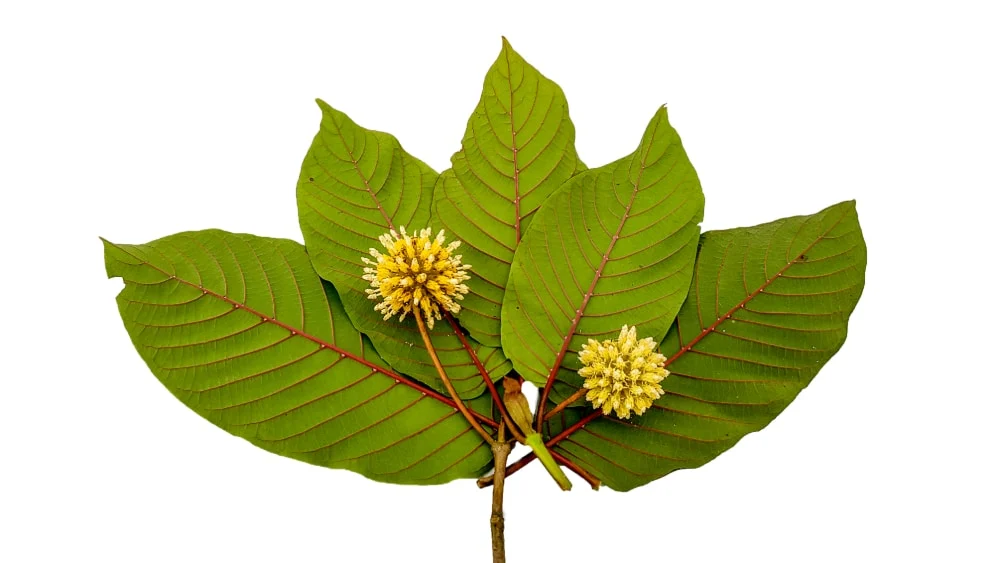
The landscape of substance use in the United States is currently facing a complex inflection point. At the center of this storm is Kratom—a botanical substance that has transitioned from a niche herbal supplement to a focal point of federal drug policy and clinical addiction medicine. As of mid-2026, the debate has intensified, driven by the rise of highly potent, lab-synthesized derivatives like 7-hydroxymitragynine (7-OH) and a looming federal crackdown by the Drug Enforcement Administration (DEA).
n
Main Facts: The Dual Identity of Mitragyna Speciosa
n
Kratom is derived from the leaves of Mitragyna speciosa, a tropical evergreen tree native to Southeast Asia, particularly Thailand, Malaysia, and Indonesia. For centuries, indigenous populations have used the leaves for their dual-acting properties: in low doses, it serves as a stimulant to combat fatigue among manual laborers; in higher doses, it acts as an analgesic and sedative.
n
The pharmacology of Kratom is what makes it both a promising therapeutic tool and a significant public health risk. Unlike traditional opioids, Kratom contains alkaloids—primarily mitragynine and 7-hydroxymitragynine—that bind to the brain’s mu-opioid receptors. However, it is a partial agonist, meaning it does not typically produce the same level of fatal respiratory depression associated with "full agonist" opioids like heroin or fentanyl.
n
Despite this "ceiling effect" on respiratory depression, the substance is far from benign. The unique combination of euphoria and stimulation is highly habit-forming. Recently, the market has seen a surge in products labeled "7-OH." While 7-hydroxymitragynine occurs naturally in the Kratom leaf in minute quantities, the products currently flooding gas stations and online marketplaces are often lab-concentrated or synthetic. These "7-OH" extracts possess a potency far exceeding that of the raw leaf, leading to a rapid escalation in tolerance and dependency among users.
n
Chronology: From Traditional Remedy to Scheduled Substance
n
The journey of Kratom in the United States has been marked by a decade of regulatory "whack-a-mole."
n
- n
- Early 2010s: Kratom gains popularity in the U.S. as a "natural" alternative to prescription painkillers and a DIY tool for managing opioid withdrawal.
- August 2016: The DEA first announces its intent to place Kratom into Schedule I of the Controlled Substances Act, the most restrictive category. This sparked an unprecedented backlash from consumers and some members of Congress, leading the DEA to withdraw its proposal—a rare move for the agency.
- 2019–2023: While the federal government remained in a holding pattern, individual states began taking action. Eight states enacted total bans, while others began adopting the Kratom Consumer Protection Act (KCPA), a model piece of legislation intended to regulate purity and age-restrict sales without a total ban.
- July 1, 2026: The DEA publishes a formal notice of intent to "temporarily" schedule 7-OH and related substances under Schedule I. The agency cites an increase in adverse events and the emergence of high-potency synthetic variants as a threat to public safety.
- July 31, 2026: The public comment period for the DEA’s proposed scheduling ends. Healthcare providers and advocacy groups report a surge in "panic quitting," as users fear their legal supply will vanish overnight.
- August 17, 2026: Reports from institutions like the University of Michigan highlight a growing clinical need for Medication-Assisted Treatment (MAT) specifically tailored to Kratom and 7-OH dependency.
n
n
n
n
n
n
n
Supporting Data: Potency and the Regulatory Patchwork
n
The current crisis is fueled by a lack of standardization. According to research published in Pain and Therapy, the alkaloid profile of Kratom can vary wildly depending on the strain and processing method.
n
The rise of 7-OH is particularly concerning to researchers like Kara Gavin of the University of Michigan’s Institute for Healthcare Policy and Innovation. While raw Kratom leaves might contain less than 0.02% 7-hydroxymitragynine, some concentrated extracts found in the "grey market" boast concentrations hundreds of times higher. This concentration bypasses the traditional safety profile of the plant, moving it closer to the potency of traditional pharmaceutical opioids.
n
The legal landscape reflects this instability:
n
- n
- Unregulated (19 States): In nearly twenty states, there are no age limits, purity standards, or labeling requirements. 7-OH products are sold alongside candy and energy drinks.
- The KCPA Model: Several states regulate Kratom as a food supplement, requiring third-party testing for heavy metals and contaminants.
- Prohibition (8 States): States like Alabama and Indiana have banned the substance entirely, though critics argue this has simply pushed the market underground.
n
n
n
n
Data from the University of Michigan indicates that as 7-OH products become more available, the profile of the "Kratom user" is changing. Once used primarily by middle-aged adults for chronic pain, high-potency extracts are now increasingly found in the hands of younger demographics seeking a legal "high."
n
Official Responses: The DEA vs. The Medical Community
n
The DEA’s recent move to schedule 7-OH as a Schedule I substance—meaning it has "no currently accepted medical use and a high potential for abuse"—has drawn a sharp divide between law enforcement and harm-reduction advocates.
n
The DEA argues that the proliferation of synthetic 7-OH constitutes a public health emergency. In their July 2026 notice, the agency highlighted that these substances are being marketed in ways that appeal to minors and that the lack of manufacturing oversight poses a risk of contamination with deadlier substances like fentanyl.
n
However, many in the medical community, including Dr. Eliza Hutchinson of the Packard Health Clinic in Ann Arbor, express deep concern over the "suddenness" of the DEA’s intervention. Dr. Hutchinson, who leads a team specializing in Medications for Addiction Treatment (MAT), notes that her clinic is already seeing an influx of patients terrified of withdrawal.
n
"For some people, Kratom was the bridge that allowed them to quit heroin or fentanyl," Dr. Hutchinson explains. "If we remove that bridge without providing adequate clinical support, we risk pushing those people back into the illicit market, where the risk of a fatal overdose is exponentially higher."
The University of Michigan has responded by expanding its outreach to healthcare providers. They are now offering specialized training on using buprenorphine—a gold-standard treatment for opioid use disorder—to manage Kratom and 7-OH withdrawal. This represents a significant shift in clinical practice, as Kratom addiction was once considered a "mild" issue that did not require pharmaceutical intervention.
Implications: The Future of Harm Reduction
The "Kratom Conundrum" highlights a recurring theme in American drug policy: the "Iron Law of Prohibition." This theory suggests that when a substance is banned or heavily restricted, the market inevitably produces more potent and dangerous versions to facilitate easier smuggling and higher profit margins. The transition from raw Kratom leaf to synthetic 7-OH is a textbook example of this phenomenon.
The implications of the 2026 DEA scheduling are twofold:
1. The Risk of Displacement
If 7-OH and Kratom are moved to Schedule I, millions of Americans who currently use the substance for chronic pain or as an opioid substitute will be criminalized. Public health experts fear a "displacement effect," where users who can no longer access Kratom will turn to the black market for street opioids. Given that the illicit supply is currently dominated by fentanyl and nitazenes, the potential for an increase in overdose deaths is a very real possibility.
2. The Need for a New Regulatory Category
The current binary choice—either an unregulated supplement or a Schedule I narcotic—may be insufficient for substances like Kratom. Some advocates argue for a "third way": a strictly regulated, medicinal category that allows for the use of Kratom under professional supervision while banning the high-potency synthetic extracts that are driving the current addiction spike.
Conclusion
As the DEA moves toward finalization of its scheduling order, the focus must shift to the "boots on the ground" in the medical community. The work of researchers like Kara Gavin and clinicians like Dr. Eliza Hutchinson suggests that the solution to Kratom dependency is not found in the criminal justice system, but in the doctor’s office.
By utilizing tools like buprenorphine and expanding access to addiction services through platforms like FindTreatment.gov, the healthcare system can prepare for the fallout of new regulations. The goal remains a difficult balance: protecting the public from the dangers of lab-made synthetics while ensuring that those using the plant as a lifeline are not cast back into the shadows of the opioid crisis. The coming months will determine whether the U.S. can successfully navigate this balance or if the ban on Kratom will become the latest chapter in the long history of unintended consequences in the War on Drugs.

