
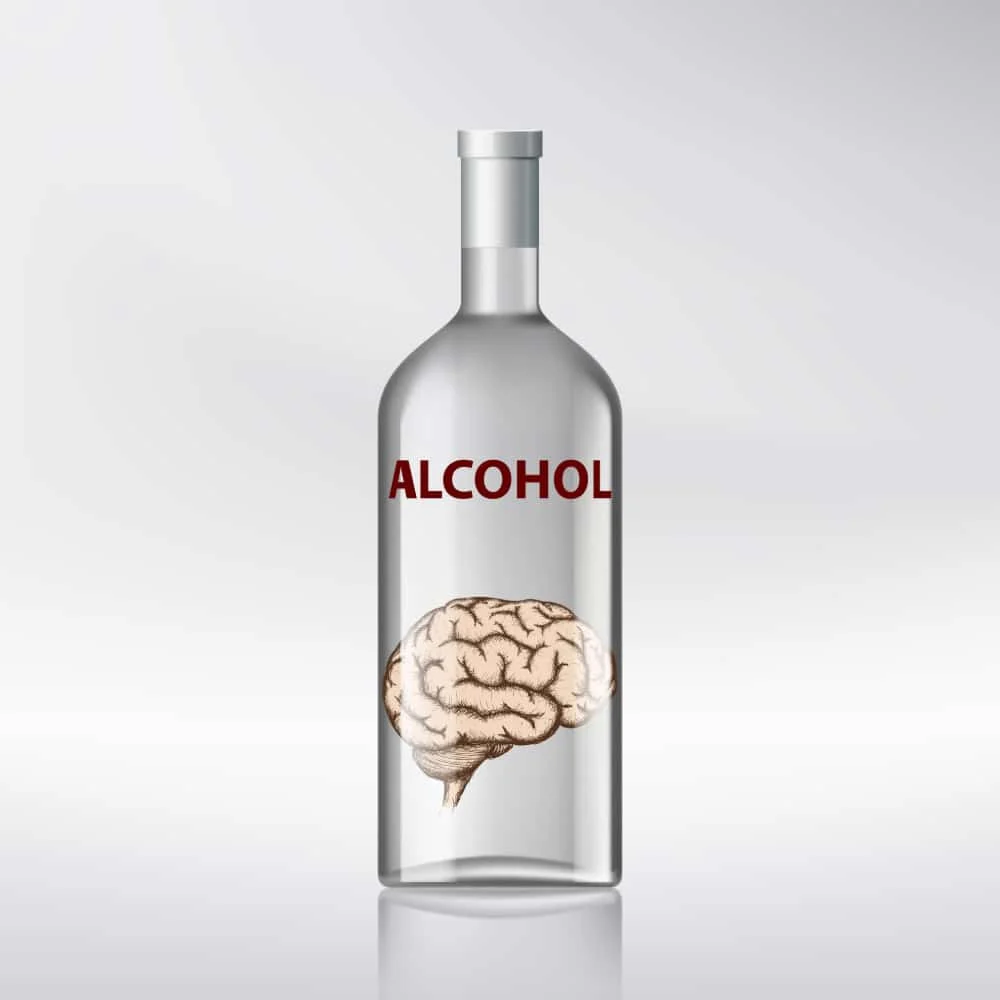
The human brain is an organ of remarkable resilience, yet it remains one of the most vulnerable targets for the toxicological effects of alcohol. For decades, the narrative surrounding alcohol consumption focused primarily on liver health and cardiovascular risk. However, a growing body of neuroscientific research, spearheaded by leading experts at the National Institute on Alcohol Abuse and Alcoholism (NIAAA) and Yale University, is shifting the focus toward the "gray matter" between our ears.
n
Recent reporting, most notably by neuroscientist and journalist Dr. Richard Sima, has highlighted a profound discovery: while alcohol consumption—even at moderate levels—can significantly alter brain structure and function, the brain possesses a startling capacity for recovery once consumption is curtailed or eliminated. This report explores the neurological mechanisms of alcohol damage, the timeline of cognitive restoration, and the emerging pharmacological frontiers that may change the future of addiction treatment.
n
n
Main Facts: The Neurological Toll of Alcohol
n
The impact of alcohol on the brain is not a binary state of "sober" versus "drunk." Instead, it is a progressive physiological transformation. According to Dr. George Koob, director of the NIAAA, alcohol functions as a pharmacological sledgehammer that disrupts the delicate balance of neurotransmitters and structural integrity.
n
The Erosion of Gray Matter
n
Research indicates that chronic alcohol use leads to a measurable decrease in gray matter volume. Gray matter consists of the neuronal cell bodies where processing, memory, and decision-making occur. The reduction in this volume is associated with several long-term risks:
n
- n
- Cognitive Decline: Increased risk of early-onset dementia and Alzheimer’s disease.
- Emotional Dysregulation: Worsening of anxiety and clinical depression.
- Sleep Distruption: Alcohol interferes with REM cycles, leading to chronic fatigue and impaired neural repair.
- Systemic Health: Beyond the brain, alcohol is a known carcinogen, significantly increasing the risk of breast and colorectal cancers.
n
n
n
n
n
The "Euphoria Rebound"
n
The immediate appeal of alcohol lies in its ability to trigger "euphoric intoxication." This occurs as alcohol releases endorphins, which in turn activate dopamine neurons in the brain’s reward circuitry. While this provides short-term relief from stress, it creates a neurological debt. As the euphoria fades, the brain’s stress systems overcompensate, leading to a "roaring back" of anxiety that is often more intense than the original stressor.
n
n
Chronology: From First Sip to Cognitive Restoration
n
Understanding the timeline of alcohol’s effect on the brain is crucial for both prevention and recovery. The journey from initial consumption to chronic use, and finally to abstinence, follows a predictable neurological path.
n
1. The Short-Term: The Reward Phase
n
In the initial stages of consumption, alcohol acts as a central nervous system depressant that temporarily mutes the "fight or flight" response. This reduction in anxiety reinforces the behavior, teaching the brain to view alcohol as a primary tool for emotional regulation.
n
2. The Mid-Term: Tolerance and Adaptation
n
With repeated use, the brain undergoes "neuroadaptation." The reward circuitry becomes less sensitive to dopamine, and the stress circuitry (the "anti-reward" system) becomes hyperactive. This is the stage where tolerance develops. An individual requires more alcohol to achieve the same euphoric effect, while the "baseline" state of sobriety becomes increasingly uncomfortable.
n
3. The Long-Term: Chronic Negative Emotional State
n
As described by Dr. James MacKillop of McMaster University, long-term users eventually enter a "chronic negative emotional state." At this point, drinking is no longer about "getting high" or feeling good; it is about "getting level" or escaping the intense psychological pain caused by the brain’s maladaptive changes.
n
4. The Recovery Phase: 6 to 12 Months
n
The good news lies in the brain’s plasticity. A systematic review of 16 different studies found that most cognitive functions—including memory, attention, and executive function—begin to restore significantly after six months of total abstinence. By the 12-month mark, many individuals show a near-complete recovery of gray matter volume in several key regions of the brain.
n
n
Supporting Data: The Science of Choice and Environment
n
The shift in how we view Alcohol Use Disorder (AUD) is supported by rigorous data from "neuroeconomics"—the study of how the brain makes choices between immediate rewards and long-term health.
n
The Nature Study
Dr. James MacKillop, a specialist in substance use disorders, was the lead author of a landmark study published in the journal Nature. His research suggests that AUD is driven by two primary factors:
- Genetics: Approximately 40-60% of the risk for AUD is hereditary.
- Environment: The remainder is attributed to "adverse childhood exposures" and "maladaptive developmental trajectories."
Interestingly, MacKillop’s research suggests that stress is the primary catalyst that activates genetic predispositions. If an individual has a genetic vulnerability but is never exposed to high-stress environments or traumatic triggers, the "alcoholism gene" may never manifest as a disorder.
Benefits of Temporary Sobriety
Data from month-long sobriety challenges (such as "Dry January") provide a window into the rapid benefits of cessation. Participants reported:
- Physical Improvements: Significant weight loss and improved skin clarity.
- Sleep Quality: 70% of participants reported better sleep.
- Financial Health: Average savings of several hundred dollars per month.
- Cognitive Clarity: Heightened energy levels and improved concentration within just 30 days.
Official Responses: Expert Perspectives on Addiction
The medical community is moving away from viewing addiction as a moral failing and toward viewing it as a "coping pathway" gone wrong.
The NIAAA Perspective
Dr. George Koob emphasizes that the severity of brain damage is directly proportional to the quantity and frequency of alcohol abuse. "The more people with AUD reduce their alcohol consumption, the faster the recovery," Koob notes. His office continues to advocate for "harm reduction"—the idea that even reducing intake, rather than total abstinence, can begin the process of neurological repair.
The Yale School of Medicine Approach
Dr. Rajita Sinha, a professor of neuroscience and psychiatry at Yale, takes a unique approach by focusing on "stress biology." She argues that addiction fundamentally disrupts our ability to tolerate distress. In her view, alcohol becomes a "false friend" that provides temporary relief while simultaneously destroying the biological machinery we need to handle stress naturally.
Dr. Sinha’s current research is particularly groundbreaking, as she explores the intersection of metabolic health and addiction. She has noted that consuming "comfort foods" (high in sugar and fat) activates the same stress pathways in the brain as alcohol. This suggests that the "craving" for a drink and the "craving" for junk food are neurologically cousins.
Implications: The Future of Treatment and GLP-1s
The most exciting development in the field of addiction science is the potential use of GLP-1 receptor agonists—the class of drugs currently used for weight loss and diabetes (such as Ozempic and Wegovy)—to treat alcohol use disorder.
The "Coping Pathway" and GLP-1s
Dr. Sinha’s research suggests that GLP-1 drugs may do more than just suppress appetite; they may alter the way the brain responds to stress. By mitigating the "coping pathway," these drugs could potentially reduce the urge to use alcohol as a stress-management tool. If the brain no longer feels an intense, physiological need to "escape" stress through chemical means, the cycle of addiction can be broken more easily.
A New Paradigm for Recovery
The implications of this research are profound. If alcoholism is effectively a disorder of the stress-response system, then treatment must focus on two fronts:
- Pharmacological Intervention: Using tools like GLP-1s to stabilize the brain’s reward and stress circuitry.
- Behavioral Reconstruction: Teaching the brain new ways to tolerate distress without the use of substances.
Conclusion
The journey from alcohol dependence to neurological health is a testament to the brain’s ability to reorganize itself. While the damage caused by alcohol is severe—ranging from gray matter loss to increased cancer risk—the window for recovery remains open for most individuals. As science continues to unravel the link between stress, metabolism, and addiction, the hope for more effective, biology-based treatments grows. For those struggling with alcohol use, the message from the scientific community is clear: the brain wants to heal; it simply needs the time and the environment to do so.
References:
- Sima, R. (2026). "Here’s what happens to your brain when you stop drinking alcohol." The Washington Post.
- MacKillop, J., et al. (2022). "Hazardous drinking and alcohol use disorders." Nature.
- Forbes Health (2026). "GLP-1s and Alcohol Addiction: Potential Benefits."
- NIAAA Director’s Reports on Alcohol and Neuroplasticity (2025-2026).

