
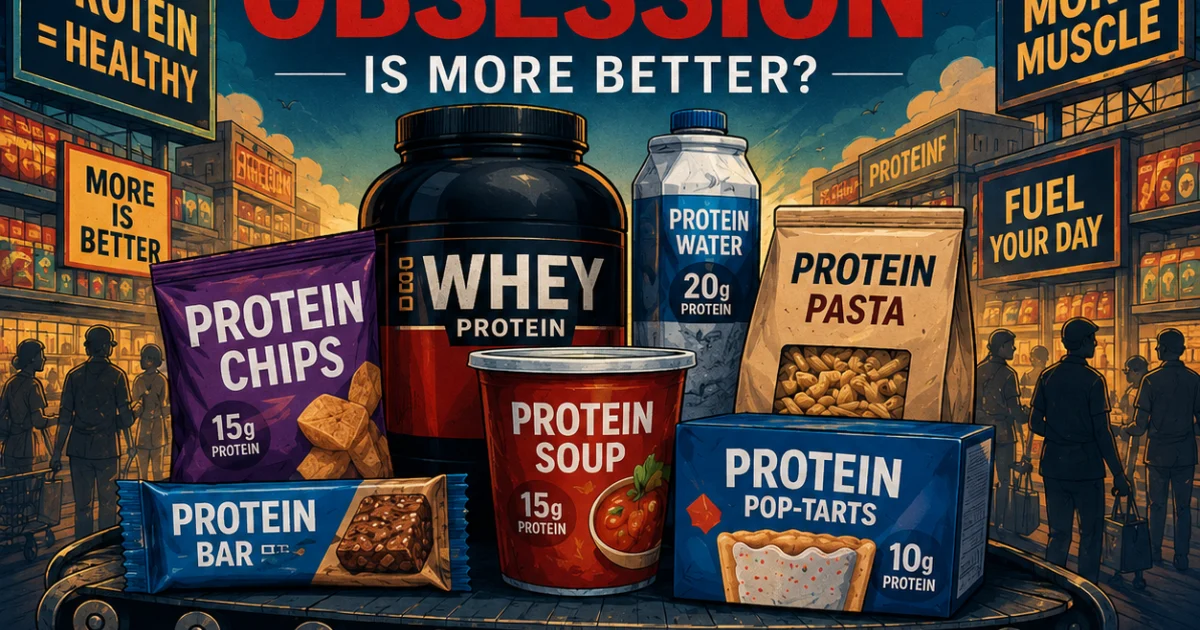
The quest for "healthy" has transformed protein from a vital nutrient into a marketing slogan, plastered across everything from pasta to pastries. But as the nation inundates itself with protein-fortified foods, a growing body of research is prompting a crucial re-evaluation: could we, in fact, be consuming too much?
n
In recent years, protein has ascended to a near-mythical status in the American diet. It’s the headline ingredient on countless food packages, a siren call promising vitality, muscle, and an antidote to unhealthy eating. This widespread embrace has fueled a booming market, with companies aggressively integrating protein into an astonishing array of products, from breakfast cereals and snack bars to even water and chips. The message is simple and pervasive: more protein equals healthier.
n
However, this pervasive narrative masks a more complex reality. While protein is undeniably essential for life – crucial for building and repairing tissues, producing enzymes and hormones, and supporting immune function – the notion that "more is always better" is increasingly being challenged. Emerging research, coupled with a closer examination of consumer behavior and product composition, suggests that America’s protein fixation may be misplaced, potentially diverting attention from a balanced diet and even raising concerns about product quality and long-term health.
n
The Protein Hype Machine: A Decade of Dominance
n
The transformation of protein into a nutritional buzzword isn’t a recent phenomenon, but its intensity has escalated dramatically over the past decade. Gone are the days when protein supplements were relegated to the dusty corners of gyms, characterized by chalky textures and questionable flavors. Today, the protein market is sophisticated, diverse, and ubiquitous.
n
Data underscores this dramatic shift. In 2024 alone, the U.S. protein supplement market saw a growth of over 9%, solidifying protein as the nutrient consumers most frequently prioritize. Surveys consistently reveal that a staggering 70% of Americans actively try to consume more protein, with many equating "healthy food" directly with "good source of protein." This perception has translated into an explosion of protein-branded products inundating supermarket shelves. A recent count revealed nearly 39,000 products in American stores marketed on their protein content. This insatiable demand has even driven the price of key protein ingredients, like 80% whey protein concentrate, to record highs.
n
Even seemingly indulgent products have been rebranded with a protein-centric narrative. Take, for instance, the "Protein" version of Pop-Tarts. While it does boast 10 grams of protein per serving, this is alongside a substantial 31 grams of sugar and approximately 380 calories. This exemplifies a key critique: the protein label often serves as a health halo, masking less desirable nutritional profiles of sugar, sodium, and saturated fat.
n
This pervasive marketing strategy raises two fundamental questions: First, are these protein-fortified products of reliable quality? And second, beyond the marketing blitz, does the average American truly need more protein, or could a re-evaluation of our intake yield unexpected benefits?
n
Unpacking the Protein Promise: Quality and Quantity Concerns
n
The allure of protein-rich foods and supplements is undeniable, but a closer inspection reveals potential pitfalls that extend beyond mere caloric content.
n
H2: The Shadow of Contamination: A Closer Look at Product Quality
n
Concerns about the quality of protein products are not new, but recent investigations have brought them to the forefront. A significant study by Consumer Reports tested 23 dairy-based, plant-based, and beef-based protein products, revealing elevated levels of lead in over two-thirds of them. Alarmingly, plant-based products averaged nine times more lead than their dairy-based counterparts. Furthermore, three products exceeded established thresholds for cadmium and inorganic arsenic.
n
While industry groups have raised valid points regarding the methodologies used and the stringency of certain regulatory thresholds (such as California’s Proposition 65), these findings are not isolated. They align with previous peer-reviewed research that has identified undeclared stimulants, prohormones, and anabolic agents in various sports supplement categories, including those that feature protein prominently.
n
The presence of heavy metals and other contaminants in products marketed as "healthy" is a serious concern. It suggests that the pursuit of protein fortification might be outpacing rigorous quality control, leaving consumers unknowingly exposed to potentially harmful substances. This issue underscores the importance of transparency and robust regulatory oversight in the rapidly expanding protein market.
n
H3: The Protein Plateau: Are We Already Meeting Our Needs?
n
Beyond product quality, the fundamental question remains: do most Americans actually need to consume more protein? The data suggests otherwise. National dietary surveys in the U.S. indicate that men aged 20-59 consume an average of 97.3 grams of protein daily, while women average 70.2 grams. Both figures already surpass the commonly accepted baseline recommendation of 0.8 grams of protein per kilogram of body weight per day for healthy adults.
n
Globally, this 0.8 g/kg recommendation serves as a general guideline. For a 60 kg adult, this translates to approximately 48 grams of protein per day – an amount easily attainable through a balanced diet of ordinary foods. While protein needs can increase with age, physical activity levels, and specific goals like preserving muscle mass during weight loss, the widespread assumption of deficiency among the general population appears unfounded.
n
H3: The Misguided Pursuit: Why We’re Hooked on "High Protein"
n
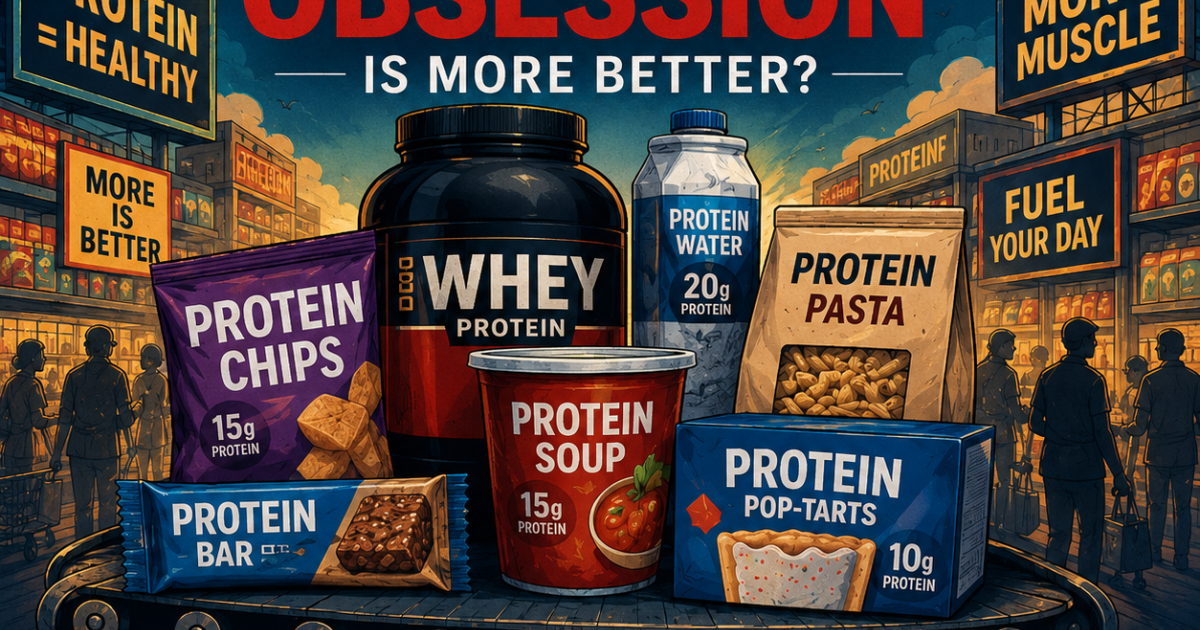
The pervasive belief that more protein is always beneficial is a complex phenomenon fueled by marketing, social trends, and a misunderstanding of nutritional science. An Italian study tracking retail data found a significant jump in sales of "High Protein" labeled products, with fresh protein desserts experiencing the most dramatic increase. This pattern is not confined to Italy; surveys in the U.S. consistently show a rising number of individuals actively trying to increase their protein intake.
n
This surge in interest, however, often outpaces actual knowledge. A significant portion of Americans admit to not knowing the recommended daily protein intake, with many relying on informal advice from friends and family rather than healthcare professionals. This knowledge gap creates fertile ground for marketing claims that position protein as a panacea for health and wellness.
n
A study published in the journal Nutrients further highlighted this disconnect. It evaluated protein-enriched processed foods and found that while consumers often chose them based on perceived health benefits, a substantial majority also believed that excessive protein consumption could pose health risks. This paradox reveals a curious gap between the perceived importance of protein and the actual understanding of its optimal intake and potential downsides.
n
Brands have capitalized on this, using "High Protein" labels as a premium differentiator, often while maintaining or even increasing levels of sugar, sodium, and saturated fat. Protein, in essence, has transitioned from being a nutrient to a powerful marketing tool, a "health seal" that allows for higher price points and a perceived advantage in a crowded marketplace.
n
The Emerging Counter-Narrative: Could Less Protein Be More Beneficial?
n
While the American consumer is enthusiastically embracing more protein, a growing body of scientific inquiry is beginning to explore a provocative counter-question: could reducing protein intake, rather than increasing it, offer significant health advantages, particularly in the context of aging?
n
H2: Rethinking Protein and Longevity: Insights from Emerging Research
n
A comprehensive review published in Cell Press Blue delved into the impact of protein restriction and the restriction of specific amino acids on the biology of aging. The findings, primarily derived from studies on model organisms like flies and rodents, suggest a potential link between lower protein intake and extended lifespan. These studies have observed improvements in markers such as adiposity, energy expenditure, and glucose handling, even when the dietary intervention begins later in life. In aged mice, for instance, reducing protein or isoleucine intake was associated with improved frailty markers and a delay in molecular signs of aging.
n
The implications for mitochondria, the "energy factories" of our cells, are also being investigated. Some research indicates that protein restriction may lower reactive oxygen species and enhance mitochondrial function. Conversely, high-protein diets have, in some animal models, negatively impacted skeletal muscle mitochondria. However, the variability across different tissues and species makes definitive conclusions challenging at this stage.
n
H3: The Aging Paradox: Preserving Muscle vs. Longevity
n
The tension between protein consumption and healthy aging is particularly pronounced. On one hand, older adults are often advised to increase protein intake to combat sarcopenia, the age-related loss of muscle mass. Observational data has frequently linked higher protein intake with a reduced risk of frailty.
n
However, some studies present a more nuanced picture. One study involving over 3,000 British twins over the age of 60 found that individuals consuming above 1.3 g/kg/day exhibited less muscle mass and greater muscle wasting. While the cross-sectional design of this study precludes definitive causal conclusions, it raises questions about the optimal protein intake for muscle health in older adults and suggests that exceeding certain thresholds might not be beneficial. Factors such as the source of protein and individual body composition likely play significant roles in these outcomes.
Furthermore, the role of specific amino acids is under scrutiny. Restrictions in methionine, isoleucine, and valine have been shown to replicate some of the benefits of broader protein restriction in animal models. Yet, human evidence in this area remains limited and often yields mixed results.
It is crucial to emphasize that this emerging research does not definitively prove that eating less protein extends human life. The current evidence relies heavily on animal studies, and human data primarily focuses on metabolic markers and short-term interventions, not on overall lifespan. Advocating for a deliberate reduction in protein intake without careful consideration would be ill-advised for individuals with elevated protein requirements, including children, pregnant women, those recovering from illness, and older adults at risk of muscle loss.
The Path Forward: Protein in Perspective
The current fervor surrounding protein in the American diet is a testament to effective marketing, but it risks overshadowing a more balanced and nuanced understanding of nutrition. Protein is undeniably a vital nutrient, playing a critical role in numerous bodily functions, particularly in maintaining muscle mass during aging or weight loss. However, it should not be elevated to the status of a sole indicator of a healthy diet.
A truly healthy dietary pattern encompasses a wide array of nutrients, including fiber, vitamins, minerals, and other beneficial compounds found abundantly in fruits, vegetables, legumes, and whole grains. The intriguing clues offered by protein restriction regarding aging are promising but far from conclusive enough to warrant widespread dietary changes aimed at increasing longevity.
The overarching lesson is straightforward: protein is a nutrient, not a definitive verdict on health. A protein-enriched cookie, for instance, remains a cookie, and the added protein does not negate the impact of its accompanying sugar, sodium, saturated fat, or caloric density.
Perhaps the healthiest response to America’s protein obsession is not to meticulously track intake or to arbitrarily increase or decrease consumption. Instead, it lies in a collective shift in perception: to stop treating "high protein" as a synonym for "healthy." By demystifying protein and understanding its role within the broader context of a balanced and varied diet, consumers can make more informed choices that genuinely contribute to their well-being, rather than falling prey to the latest nutritional fad. The journey toward optimal health is rarely as simple as focusing on a single macronutrient, and the protein paradox serves as a potent reminder of this fundamental truth.

