
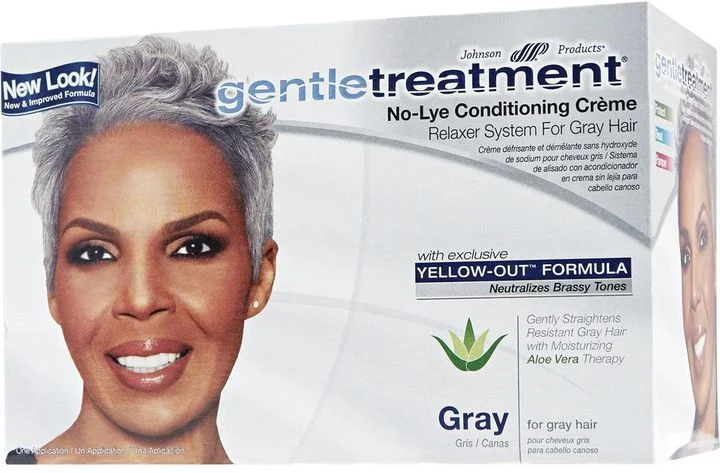
The cosmetic industry, a multi-billion-dollar global enterprise, has long been a source of innovation and personal expression. However, a significant and troubling chapter is currently unfolding, casting a shadow over widely used products, particularly chemical hair relaxers. Among the brands now facing intense scrutiny and a wave of legal challenges is Gentle Treatment, a long-standing fixture in the hair care market. A growing body of scientific evidence suggests a potential link between the long-term use of such relaxers and an increased risk of developing certain types of cancer and other hormone-related diseases, prompting thousands of individuals to seek justice through the courts.
n
This article delves into the heart of this controversy, examining the scientific findings, tracing the timeline of legal developments, exploring the implications for consumers and the industry, and outlining the avenues available for those who believe their health has been compromised.
n
Gentle Treatment at the Forefront of Litigation
n
For decades, Gentle Treatment hair relaxer has been a popular choice for individuals seeking to achieve sleek, straight hair. Marketed for its effectiveness, the product, like many others in its category, utilizes powerful chemical agents to alter the natural structure of hair. However, this convenience now comes with a potentially grave cost, as mounting evidence points to hazardous ingredients that may contribute to serious health conditions.
n
Regular users of Gentle Treatment, particularly those with a history of frequent and prolonged application, are now being urged to stay informed about potential risks. If an individual suspects that their use of Gentle Treatment or a similar hair relaxer has led to a cancer diagnosis, they are not alone. Across the United States, a significant number of manufacturers, including those behind Gentle Treatment, are confronting an escalating number of product liability lawsuits. These legal actions allege that companies failed to adequately warn consumers about the inherent dangers associated with their products, particularly concerning carcinogenic and endocrine-disrupting chemicals.
n
A Timeline of Emerging Concerns and Legal Action
n
The current wave of litigation and public awareness did not emerge overnight. It is the culmination of decades of product use, evolving scientific understanding, and persistent advocacy.
n
Historical Context of Hair Relaxer Use
n
Chemical hair relaxers first gained widespread popularity in the early to mid-20th century, offering a transformative solution for individuals, predominantly Black women, seeking to straighten tightly coiled hair. These products became deeply embedded in cultural practices and beauty routines, promising manageability and a particular aesthetic. Over the years, formulations evolved, moving from harsh lye-based products to "no-lye" alternatives, often containing calcium hydroxide or guanidine carbonate. Despite these changes, the fundamental principle remained the same: using strong chemicals to break down and restructure the hair’s protein bonds. For many, relaxers became a regular, often lifelong, part of their hair care regimen, applied frequently for touch-ups.
n
The Pivotal Sister Study Publication
n
A critical turning point in the understanding of hair relaxer safety occurred in October 2022 with the publication of the Sister Study. This landmark research, a major long-term investigation conducted by the National Institute of Environmental Health Sciences (NIEHS), part of the National Institutes of Health (NIH), provided compelling data linking hair relaxer use to adverse health outcomes.
n
The Sister Study followed over 46,000 women, focusing on environmental risk factors for breast cancer and other health conditions. Its findings, published in the Journal of the National Cancer Institute, were indeed alarming. The study revealed a strong correlation between the frequent use of chemical hair relaxers, including products like Gentle Treatment, and a significantly increased incidence of uterine cancer. Specifically, women who reported using hair relaxers four or more times a year were found to have a 150% higher risk (more than double the risk) of developing uterine cancer compared to those who never used such products. This finding was particularly impactful given the study’s robust methodology and large cohort size.
n
The Surge in Litigation and Multi-District Proceedings
n
In the wake of the Sister Study’s publication and earlier scientific investigations hinting at potential risks, product liability lawsuits against hair relaxer manufacturers began to proliferate across the United States. Plaintiffs allege that manufacturers were aware, or should have been aware, of the dangers posed by chemicals in their products but failed to warn consumers.
n
Given the sheer volume of similar complaints against multiple manufacturers, the U.S. Judicial Panel on Multidistrict Litigation (JPML) consolidated all federal hair relaxer lawsuits into a single Multi-District Litigation (MDL) No. 3060. This MDL, established in February 2023, is centered in the Northern District of Illinois under the Honorable Judge Michael T. Reagan. The purpose of an MDL is to streamline the pretrial process for complex cases with common questions of fact, such as discovery and motions, thereby increasing efficiency and consistency across thousands of individual claims. This consolidation allows for a more coordinated legal challenge against the various manufacturers, including Strength of Nature Global, the company behind Gentle Treatment.
n
Unpacking the Scientific Evidence and Alleged Health Impacts
n
The core of the current legal battle rests on the scientific evidence linking hair relaxer chemicals to serious health conditions. Beyond the groundbreaking Sister Study, other research and understanding of chemical toxicology contribute to the plaintiffs’ claims.
n
The NIH Sister Study: Detailed Findings
n
The Sister Study’s findings on uterine cancer were a significant catalyst for the lawsuits. Researchers observed that the association between hair relaxer use and uterine cancer risk was stronger for women who used the products more frequently (four or more times per year) and for a longer duration. While the study primarily focused on uterine cancer, it reinforced broader concerns about the chemical cocktail present in these products and their potential systemic effects. The study highlighted the disproportionate impact on Black women, who are major consumers of hair relaxers and, tragically, also face higher rates of aggressive uterine cancer subtypes and poorer prognoses.
n
Other Research and the Role of Endocrine-Disrupting Chemicals
n
The Sister Study built upon a growing body of scientific literature that had, for years, raised flags about the ingredients commonly found in hair relaxers. Many of these chemicals are classified as endocrine-disrupting chemicals (EDCs). EDCs are exogenous substances or mixtures that alter the function(s) of the endocrine system and consequently cause adverse health effects in an intact organism, its progeny, or subpopulations. The endocrine system regulates hormones, which play vital roles in growth, metabolism, reproduction, and mood. Disrupting this delicate balance can have profound health consequences.
n
Studies have identified EDCs like phthalates, parabens, and phenols in various cosmetic products, including hair relaxers. These chemicals can mimic natural hormones like estrogen, potentially interfering with hormonal pathways and contributing to the development of hormone-sensitive cancers. The scalp, being highly vascularized, provides a direct route for these chemicals to enter the bloodstream, especially when products are applied to irritated or abraded skin, a common occurrence during relaxer application.
n
Specific Cancers and Conditions Named in Lawsuits
n
The lawsuits against Gentle Treatment and other hair relaxer manufacturers typically allege a link to a range of serious, life-threatening side effects, extending beyond just uterine cancer. These include:
n
- n
- Uterine Cancer: As highlighted by the Sister Study, this is a primary focus of the litigation.
- Ovarian Cancer: Another hormone-sensitive cancer, potentially linked to endocrine disruption.
- Endometrial Cancer: A type of uterine cancer that begins in the lining of the uterus (endometrium).
- Breast Cancer: Particularly aggressive forms of breast cancer, potentially exacerbated by hormonal imbalances.
- Uterine Fibroids: Non-cancerous growths of the uterus, which can cause pain, heavy bleeding, and fertility issues. While not cancerous, their prevalence and severity have also been an area of concern regarding chemical exposure.
- Endometriosis: A painful disorder in which tissue similar to the tissue that normally lines the inside of your uterus (the endometrium) grows outside your uterus.
- Infertility: Reproductive health issues arising from hormonal disruption.
n
n
n
n
Plaintiffs argue that the chemical exposure from relaxers directly contributed to the development of these conditions.
Key Chemicals Under Scrutiny
Several specific chemicals frequently present in hair relaxers are under intense scrutiny in the lawsuits and scientific research:
- Phthalates (e.g., Di-2-ethylhexyl phthalate or DEHP): Often used as plasticizers and solvents, phthalates are well-known EDCs. Research has linked them to reproductive issues, developmental problems, and an increased risk of certain cancers.
- Parabens (e.g., methylparaben, propylparaben): Used as preservatives in cosmetics, parabens also possess estrogen-mimicking properties and have been detected in breast cancer tissues.
- Formaldehyde-releasing agents: Some relaxers may contain chemicals that release formaldehyde, a known carcinogen, especially under heat.
- Lye (Sodium Hydroxide) and "No-Lye" Alternatives (Calcium Hydroxide, Guanidine Carbonate): While these primarily cause chemical burns and irritation, which can facilitate the absorption of other harmful chemicals, concerns also exist about their general impact on scalp health and integrity over long-term use.
- Bisphenol A (BPA): Another EDC that can mimic estrogen and has been associated with various health problems.
- Cyclosiloxanes: Certain silicone compounds sometimes found in hair products, which can also be EDCs.
The cumulative effect of exposure to these chemicals, particularly over many years, is a central argument in the legal claims.
Industry Responses and Regulatory Landscape
The escalating legal and scientific challenges have placed manufacturers and regulatory bodies in a difficult position, prompting various responses and highlighting gaps in oversight.
Manufacturers’ Stance Amidst Allegations
Manufacturers of hair relaxers, including Strength of Nature Global (the parent company of Gentle Treatment), are largely defending their products in court. Their typical defense strategies involve:
- Denial of Causation: Arguing that there is insufficient scientific evidence to definitively link their specific products to the plaintiffs’ illnesses. They may claim that other factors, such as genetics, lifestyle, or pre-existing conditions, are responsible.
- Compliance with Regulations: Asserting that their products met all applicable regulatory standards at the time of sale and that they were not required to issue warnings about risks that were not scientifically established.
- Disputing Scientific Interpretations: Challenging the methodology or conclusions of studies like the Sister Study, or presenting alternative scientific opinions.
- Absence of Specific Warnings: Arguing that general warnings about chemical irritants are sufficient, and they cannot be held liable for risks that were unknown or not widely accepted by the scientific community during the period of product use.
It is rare for companies facing such extensive litigation to make public admissions of fault outside of settlement agreements. Their primary communication regarding these allegations occurs through legal filings and courtroom proceedings.
The Food and Drug Administration’s Role
The Food and Drug Administration (FDA) is the primary regulatory body overseeing cosmetics in the United States. However, the FDA’s authority over cosmetics is notably less stringent than its oversight of drugs or medical devices. Unlike drugs, cosmetic products and their ingredients do not require FDA approval before they are marketed. Manufacturers are largely responsible for ensuring the safety of their products.
The FDA has acknowledged the public’s concerns regarding chemicals in hair products, including those used for straightening and relaxing. In October 2023, the FDA proposed a rule to ban formaldehyde and formaldehyde-releasing chemicals from hair smoothing and straightening products, citing health concerns for both consumers and salon workers. While this proposed ban is a significant step, it is important to note that it specifically targets formaldehyde and not necessarily the broader range of EDCs or other chemicals implicated in relaxer lawsuits. Moreover, the proposed rule is still under review and has not yet been finalized. The FDA has not issued a blanket ban or specific warnings on all chemical hair relaxers concerning cancer risks, though the ongoing lawsuits and scientific findings may pressure them to review their regulations more comprehensively in the future.
Legal Mechanisms: Individual Claims vs. Class Actions
It is crucial for affected individuals to understand the distinction between different types of legal action:
- Individual Personal Injury Lawsuits: The vast majority of hair relaxer lawsuits, particularly those alleging cancer diagnoses, are individual personal injury claims. In these cases, each plaintiff files a separate lawsuit seeking compensation for their specific injuries, medical expenses, lost wages, pain and suffering, and other damages directly related to their cancer diagnosis or other serious health condition. These cases are part of the MDL for coordinated pretrial proceedings but ultimately retain their individual character for trial or settlement.
- Hair Relaxer Class Action Lawsuits: While the original article mentions a class action, it is important to clarify its scope. A "class action" is a lawsuit where a group of people with similar injuries or claims sue a defendant. The class action referenced in the original text typically seeks different remedies than individual injury lawsuits. For instance, a class action might seek to make the manufacturer pay for medical monitoring for a large group of users who may be at increased risk, or to recover economic damages related to the purchase price of the product due to deceptive marketing. Crucially, such class action lawsuits generally DO NOT COMPENSATE CANCER VICTIMS for their specific medical injuries and pain and suffering. If an individual has been diagnosed with cancer or uterine fibroids, they typically need to pursue an individual personal injury lawsuit to seek significant financial compensation for their specific damages.
This distinction is vital for anyone considering legal action, as the path to compensation for a serious medical diagnosis lies primarily with individual injury claims.
Broader Implications for Public Health, Consumers, and the Cosmetics Industry
The hair relaxer litigation has far-reaching implications that extend beyond the courtroom, touching on public health, consumer behavior, and the future of the cosmetics industry.
Disproportionate Impact on Specific Demographics
One of the most significant implications revolves around the disproportionate impact of hair relaxer-related illnesses on Black women. Historically, these products have been heavily marketed to and primarily used by Black women and girls. This demographic reliance on relaxers means that if a definitive link between the chemicals and adverse health effects is established, Black women will bear the brunt of the public health crisis. This situation underscores existing health disparities and raises important questions about environmental justice and product safety for marginalized communities. The lawsuits highlight the need for greater scrutiny of products primarily consumed by specific ethnic groups and a deeper understanding of how beauty standards can inadvertently contribute to health risks.
Shifting Consumer Preferences and Market Trends
The growing awareness of potential health risks associated with chemical hair relaxers is already influencing consumer behavior. There has been a discernible shift towards "natural" hair care products and a embrace of natural hair textures. Many consumers are actively seeking out products free from parabens, phthalates, sulfates, and other controversial chemicals. This trend predates the Sister Study but has undoubtedly gained momentum in its wake. The industry is responding by developing more "clean beauty" alternatives and reformulating existing products, though the pace of change can be slow. This legal challenge could accelerate the move towards safer, more transparent ingredient lists across the entire beauty sector.
The Future of Product Liability in Cosmetics
The hair relaxer lawsuits represent a pivotal moment for product liability law in the cosmetics industry. If these cases result in substantial judgments or settlements, they could set a precedent for future litigation involving other cosmetic products with potentially harmful ingredients. It may force manufacturers to adopt more rigorous safety testing, engage in more transparent labeling, and proactively research the long-term health effects of their formulations, rather than waiting for scientific consensus to emerge years or decades later. The outcomes could redefine the standard of care expected from cosmetic companies regarding consumer safety.
Seeking Legal Recourse for Affected Individuals
For individuals who have used Gentle Treatment or other chemical hair relaxers and subsequently received a diagnosis of cancer (such as uterine, ovarian, or breast cancer) or serious conditions like uterine fibroids, understanding their legal rights is paramount. These individuals may be entitled to significant financial compensation to cover medical expenses, lost wages, pain and suffering, and other damages.
The legal process for such claims can be complex, involving detailed medical records, expert testimonies, and extensive legal arguments. Therefore, it is strongly advised that anyone who believes they have been affected seek the counsel of an experienced hair relaxer lawyer. Such legal professionals can provide a no-cost, no-obligation review of a potential case, helping individuals determine if they qualify to file a personal injury lawsuit and guiding them through the intricate steps required to pursue justice and compensation. The pursuit of legal action not only seeks to provide relief for victims but also holds manufacturers accountable, potentially fostering a safer cosmetic landscape for all consumers.

