
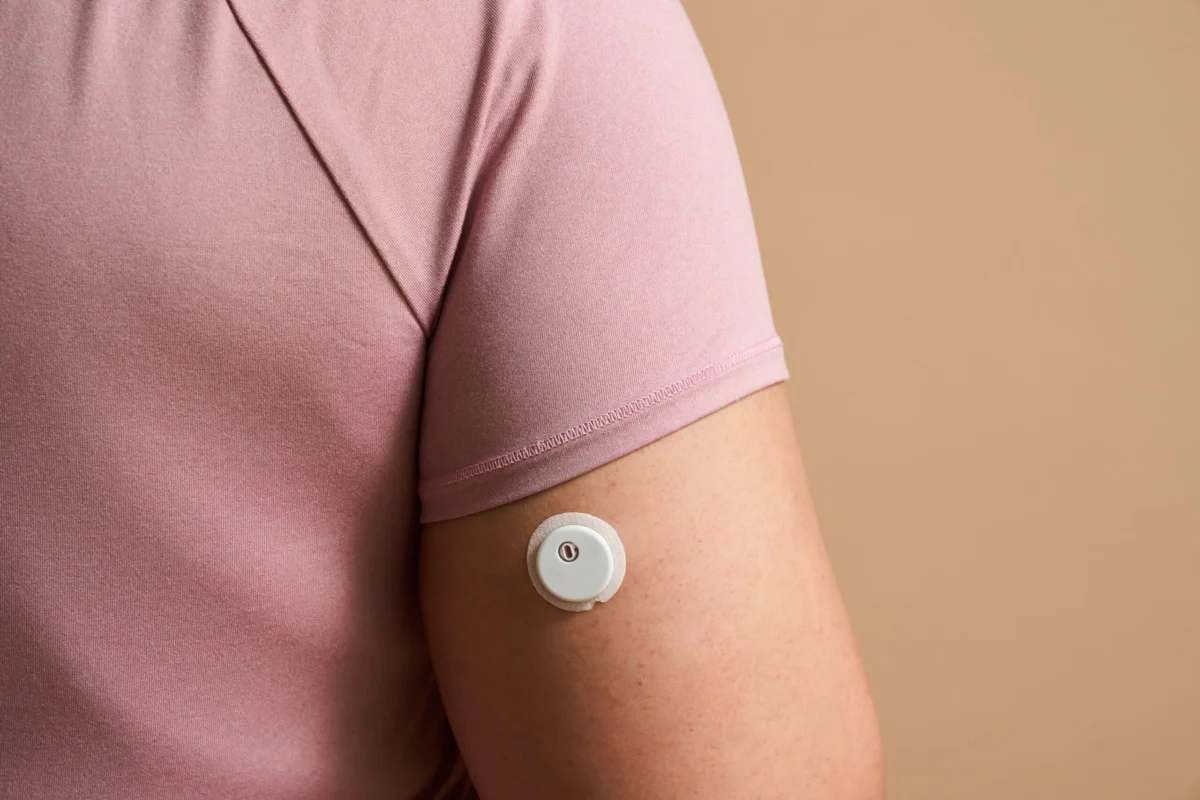
The landscape of diabetes management has undergone a seismic shift with the U.S. Food and Drug Administration’s (FDA) recent approval of Abbott’s Libre Duo 10 Day system. This device represents the world’s first dual glucose-ketone sensing technology, cleared for use in individuals aged two and older. For decades, the primary focus of wearable diabetes technology has been the tracking of interstitial glucose. However, the integration of continuous ketone monitoring (CKM) into a single, wearable sensor marks what clinicians are calling a "paradigm shift" in the prevention of diabetic ketoacidosis (DKA) and the expansion of therapeutic options for those living with type 1 diabetes (T1D).
n
Main Facts: Integrating Ketone Sensing into Daily Management
n
The Libre Duo 10 Day system is a dual-purpose sensor that measures both glucose and ketone levels simultaneously every minute, transmitting data to a compatible smartphone app. While continuous glucose monitors (CGMs) have become the standard of care for T1D, ketone monitoring has historically remained a reactive, episodic task. Most patients currently rely on urine strips or finger-stick blood ketone meters—methods that are often neglected until symptoms of illness or severe hyperglycemia appear.
n
Studies cited by Breakthrough T1D (formerly JDRF) reveal a startling gap in current care: a significant percentage of the T1D population does not keep ketone testing supplies at home, and an even larger group rarely, if ever, checks their levels. The Libre Duo aims to close this gap by making ketone data as passive and accessible as glucose data.
n
The Biological Necessity of Ketone Tracking
n
Ketones are chemicals the liver produces when the body breaks down fat for energy, usually because there is insufficient insulin to allow glucose into the cells. While low levels of ketones are normal, an accumulation—often triggered by illness, insulin pump failure, or missed doses—leads to DKA. This metabolic crisis acidifies the blood and can lead to cerebral edema, coma, or death if not treated urgently. By providing real-time alerts when ketone levels begin to rise, the Libre Duo allows patients to intervene with correction boluses and hydration long before a medical emergency develops.
n
Chronology: From Finger-Sticks to Continuous Sensing
n
The journey to the Libre Duo began with the realization that glucose monitoring alone was insufficient for total safety in T1D.
n
- n
- The Analog Era: For years, ketone monitoring was limited to "pee sticks," which measure acetoacetate in urine. This method is notoriously lagged, reflecting ketone levels from several hours prior.
- The Digital Transition: Blood ketone meters (measuring beta-hydroxybutyrate) offered more accuracy but required a separate, painful finger prick and expensive test strips, leading to low adherence.
- The Partnership Phase: Recognizing the need for a "safety net," Breakthrough T1D entered a multi-year partnership with Abbott to accelerate the development of a dual sensor.
- Clinical Validation: Extensive trials demonstrated that the chemistry for ketone sensing could be stabilized alongside glucose sensing on a single subcutaneous filament without compromising the 10-day lifespan of the device.
- FDA Approval (2024): The FDA’s clearance of the Libre Duo for adults and children as young as two provides the first commercially available CKM in the U.S. market, following similar regulatory successes in Europe.
n
n
n
n
n
n
Supporting Data: Addressing High-Risk Populations
n
While the Libre Duo is beneficial for all T1D patients, certain subgroups stand to benefit disproportionately from the technology. Data from clinical registries suggest that DKA remains a persistent threat, particularly for:
n
- n
- Young Children: Toddlers and young children can transition from healthy to DKA with alarming speed due to their smaller body mass and higher metabolic rates.
- Insulin Pump Users: If a pump site fails or a cannula becomes kinked, insulin delivery stops entirely. Without the "background" insulin provided by long-acting injections, these patients can enter DKA within hours.
- "Brittle" Diabetes: Individuals with highly labile blood sugars often experience rapid metabolic shifts that are difficult to catch with intermittent testing.
n
n
n
n
The SGLT Inhibitor Connection
n
Perhaps the most significant data-driven application for CKM involves the use of SGLT (Sodium-Glucose Cotransporter) inhibitors. Drugs like empagliflozin and dapagliflozin, originally designed for Type 2 diabetes, have shown remarkable "cardio-renal" benefits, protecting the heart and kidneys from long-term damage.
n
However, in Type 1 diabetes, SGLT inhibitors carry a specific risk: euglycemic DKA. This is a condition where a patient develops DKA even though their blood sugar levels appear normal or only mildly elevated. Because the Libre Duo monitors ketones independently of glucose, it provides the essential safety data needed to manage these "hidden" metabolic crises. This technology may finally pave the way for the widespread, safe use of SGLT inhibitors in the T1D community.
n
Official Responses and Clinical Initiatives
n
The medical community has responded with overwhelming support. Breakthrough T1D’s Chief Medical Officer, Dr. Thomas Danne, led an international panel of experts from 12 countries to publish a seminal paper in The Lancet Diabetes and Endocrinology. This consensus guidance provides healthcare professionals with a roadmap for integrating CKM into clinical practice, defining specific ketone thresholds that should trigger patient action.
n
Breakthrough T1D Research Grants
n
To ensure the technology is used effectively, Breakthrough T1D has funded eight major research projects using sensors donated by Abbott. Notable studies include:
n
- CKM-REACT: This study focuses on youth using automated insulin delivery (AID) systems. It evaluates whether CKM, combined with structured education, can help teenagers identify early warning signs of DKA more effectively than standard care.
- The SUGARNSALT Substudy: Led by Dr. David Polsky, this trial investigates whether CKM can better predict the progression to DKA in patients taking the SGLT inhibitor sotagliflozin compared to traditional finger-stick methods.
- Digital Health for Underserved Populations: This project aims to create a smartphone-based guidance system to support adults who may not have access to specialist diabetes clinics, ensuring that CKM technology reduces health disparities rather than widening them.
- The Steno 1 Study: A Danish-led initiative assessing the safety of a "triple-therapy" regimen (sotagliflozin, semaglutide, and finerenone) for heart and kidney protection in T1D, using the Libre Duo as the primary safety monitor.
Implications: A Shift Toward Proactive Health Outcomes
The implications of the Libre Duo’s approval extend far beyond the convenience of one less needle. It represents a fundamental shift from reactive to proactive medicine.
Empowerment and Mental Burden
For many families, the "fear of DKA" is a constant psychological weight. Parents of children with T1D often wake up multiple times a night to check for illness or pump failures. CKM technology offers a "digital guardian" that can alert caregivers to metabolic changes before they become symptomatic. This has the potential to significantly improve the quality of life and mental health of both patients and their families.
Payer Coverage and Global Access
Now that the device is FDA-approved, the next battleground is insurance coverage. Advocates argue that the cost of a dual sensor is negligible compared to the five-figure cost of a single DKA-related ICU admission. The data generated by current Breakthrough T1D studies will be instrumental in convincing private insurers and Medicare that CKM is a cost-saving preventative tool.
Future Innovations
The Libre Duo is likely the first of many such devices. Its success will encourage other manufacturers, such as Dexcom and Medtronic, to accelerate their own multi-analyte sensors. Future iterations may include sensors for lactate (for athletes) or even continuous insulin monitoring, creating a "lab-on-the-skin" that provides a holistic view of human metabolism.
Final Summary: Key Takeaways
The approval of the first dual glucose-ketone monitor is a milestone in the history of diabetes technology. By transforming ketone testing from a burdensome, episodic chore into a continuous data stream, the Libre Duo:
- Provides a critical safety net for those at high risk of DKA.
- Enables the safe exploration of heart- and kidney-protective therapies like SGLT inhibitors.
- Reduces the diagnostic delay in identifying insulin delivery failures.
- Offers peace of mind to caregivers through real-time metabolic alerts.
As the T1D community begins to adopt this technology, the focus will shift to education and access, ensuring that this life-saving innovation reaches every individual who needs it, regardless of their geography or socioeconomic status.
Written by: Sandy Vogt, Ph.D.
Edited for Journalistic Standards

