
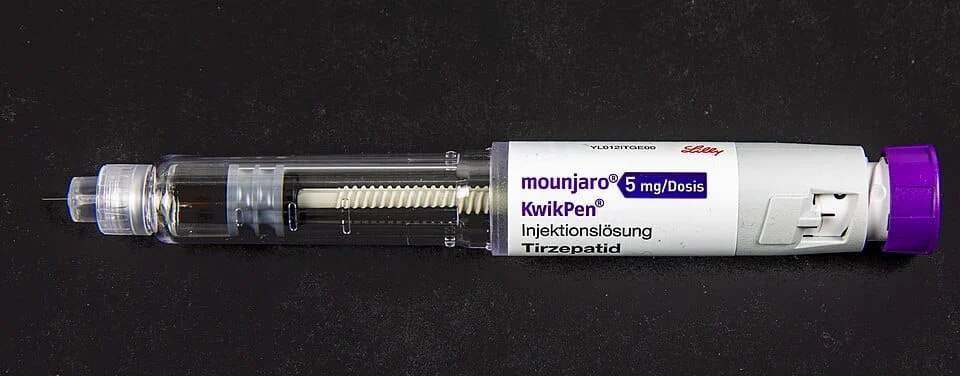
The landscape of metabolic medicine has been fundamentally altered by the emergence of glucagon-like peptide-1 (GLP-1) receptor agonists. Originally developed and utilized for the treatment of type 2 diabetes for over two decades, these medications—including semaglutide and tirzepatide—have transitioned into the frontline of obesity treatment. However, as the initial "honeymoon phase" of rapid weight loss passes for millions of early adopters, the medical community is turning its focus toward the long-term reality of these therapies.
n
Recent clinical reviews and meta-analyses published between 2025 and 2026 provide a sobering yet hopeful look at the efficacy of GLP-1s over extended periods. The data suggests that while these drugs are revolutionary, they are not a "one-and-done" solution. Instead, they represent a shift in the medical paradigm: obesity is increasingly being treated not as a failure of willpower, but as a chronic, relapsing condition requiring lifetime management.
n
Main Facts: The New Reality of Weight Maintenance
n
The transition of GLP-1 drugs from glycemic control to weight management has yielded several critical insights into how the human body responds to sustained pharmacological intervention.
n
First and foremost is the efficacy of these drugs compared to traditional interventions. Data indicates that traditional weight loss methods, such as low-calorie diets and standard behavioral counseling, often result in a weight regain of 30% or more within a single year. In contrast, GLP-1 receptor agonists have demonstrated the ability to maintain weight loss for two years and beyond, provided the medication is continued.
n
However, the "maintenance" aspect is the primary caveat. The consensus among recent studies is that obesity must be reframed in the same category as hypertension or hyperlipidemia. Just as a patient would not expect their blood pressure to remain low after stopping anti-hypertensive medication, clinicians are finding that weight-related metabolic benefits often dissipate once GLP-1 therapy is discontinued.
n
Key findings from the latest research include:
n
- n
- The Two-Year Plateau: Weight loss typically peaks and plateaus around the 24-month mark, after which some patients experience a slight rebound despite continued use.
- Adherence Challenges: Non-compliance is a significant barrier to long-term success, though the specific reasons—ranging from cost to side effects—remain a subject of intense study.
- Gastrointestinal Tolerance: While side effects like nausea and diarrhea are prevalent during the dose-escalation phase, many patients develop a level of tolerance over time, though discontinuation rates remain a concern.
- The Behavioral Synergy: Medications are most effective when paired with lifestyle interventions, though the medical community is still defining the exact nature of the "ideal" behavioral program.
n
n
n
n
n
Chronology: From Diabetes Management to Global Weight Loss Phenomenon
n
The journey of GLP-1 receptor agonists spans over twenty years, but the last five years have seen an exponential curve in their application for obesity.
n
- n
- Early 2000s – 2010s: GLP-1 agonists like exenatide and liraglutide are approved primarily for type 2 diabetes. Doctors begin to notice significant weight loss as a "side effect" of glycemic control.
- 2021 – 2023: The FDA approval of higher-dose semaglutide (Wegovy) specifically for chronic weight management triggers a global surge in demand. Tirzepatide (Zepbound) follows, showing even greater weight loss percentages in clinical trials.
- July 2025: The Cureus Journal of Medical Science publishes a landmark review of long-term impacts, narrowing hundreds of studies down to six high-quality, human-based randomized controlled trials with multi-year follow-ups.
- September 2025: Two major meta-analyses are released in Surgical Endoscopy and Diabetes, Metabolic Syndrome and Obesity, involving a combined total of nearly 80,000 patients. These studies establish the "trajectory" of weight loss and the reality of the two-year plateau.
- September 2026: An expert panel led by Dr. Davide Brancato publishes comprehensive clinical recommendations in Frontiers in Endocrinology, emphasizing the need for "baseline phenotyping" to move beyond simple BMI measurements.
n
n
n
n
n
n
Supporting Data: A Deep Dive into the Meta-Analyses
n
To understand the long-term outlook, researchers have synthesized data from tens of thousands of patients. The results offer a granular look at how these drugs perform over time.
n
The Cureus Review: Quality Over Quantity
n
Researchers in the Cureus Journal of Medical Science conducted an exhaustive search of 724 studies, eventually selecting only six that met the most rigorous criteria: randomized, human-based trials with sample sizes in the thousands and at least two years of follow-up.
n
The findings reinforced the "chronic disease" model. The review noted that liraglutide, in particular, showed enhanced "behavioral effects" when combined with lifestyle interventions. While the study did not detail the exact mechanics of these behavioral changes, it suggested that the drug might assist in neurological appetite regulation, making it easier for patients to adhere to dietary changes. Crucially, the review concluded that because traditional interventions fail so frequently (30% regain in 12 months), GLP-1s must be viewed as sustained pharmacological interventions.
n
The Surgical Endoscopy Meta-Analysis: The Scale of Impact
n
In one of the largest reviews to date, Surgical Endoscopy analyzed 54 studies encompassing nearly 60,000 patients. This study focused heavily on the "impact of non-compliance." The researchers noted that while the drugs are highly efficacious, "non-compliance dramatically reduces the impact of these therapies."
n
This meta-analysis highlighted a critical gap in current treatment: the lack of support systems to ensure medication adherence. The researchers hinted that digital interventions—such as app-based monitoring or remote coaching—could be the key to maintaining the high efficacy rates seen in controlled clinical trials.
The Trajectory of Efficacy: The Two-Year Wall
A systematic review in Diabetes, Metabolic Syndrome and Obesity involving 19,000 patients provided a map of the "long-term efficacy trajectory." The data showed that while weight loss is dramatic in the first 12 to 18 months, it hits a plateau at the 24-month mark.
In some cases, weight actually began to "rebound" even while the patient remained on a maintenance dose. This suggests that the body may undergo metabolic adaptation—a survival mechanism where the metabolism slows down to defend its current weight. The authors suggested that when this plateau is reached, "adjunct therapies"—which could include digital behavioral interventions or secondary medications—must be initiated to maintain progress.
Official Responses and Clinical Recommendations
As the data has matured, medical experts are issuing new guidelines on how to prescribe and manage these treatments. A panel of 15 leading clinicians, led by Dr. Davide Brancato from the University of Palermo, recently convened to establish "Good Clinical Practice" for long-term GLP-1 therapy.
The panel’s primary recommendation is a move toward "baseline phenotyping." They argue that prescribing GLP-1s based solely on BMI, waist circumference, or height-to-weight ratios is insufficient. Instead, clinicians must account for the psychological and behavioral drivers of weight gain.
"In addition to physical metrics, baseline phenotyping must account for behavioral and psychological drivers of weight gain," the panel stated. This includes identifying specific patterns such as:
- Emotional Eating: Using food to cope with stress or negative emotions.
- Binge Eating: Consuming large quantities of food in short periods.
- Night Eating Syndrome: Excessive food consumption after the evening meal.
By identifying these phenotypes at the outset, doctors can tailor their approach. For example, a patient identified as an emotional eater might receive concurrent cognitive behavioral therapy (CBT) alongside their GLP-1 prescription. This "tailored" approach is seen as essential for when the medication inevitably hits the two-year plateau.
Implications: The Future of Obesity Medicine
The findings of 2025 and 2026 mark the end of the "magic bullet" era for GLP-1s and the beginning of a more nuanced, integrated approach. The implications for public health, insurance, and individual patients are profound.
1. The Financial Burden of Longevity
If obesity is to be treated like hypertension—requiring decades of medication—the cost implications are staggering. With GLP-1 drugs currently carrying high monthly price tags, the long-term financial sustainability for both private insurers and national health systems remains a point of contention. This has led to an increased interest in "off-ramping" strategies, where behavioral therapy is used to help patients maintain weight loss if they must stop the medication for financial reasons.
2. The Integration of Digital Health
The high rates of non-compliance and the reality of the two-year plateau have opened the door for "GLP-1 Plus" programs. These involve the medication paired with digital interventions—apps that provide real-time feedback, nutritional tracking, and psychological support. These tools are no longer seen as optional but as critical adjuncts to pharmacological therapy.
3. Addressing the "Rebound"
The discovery that weight loss can reverse even during treatment highlights the complexity of human metabolism. It suggests that GLP-1s are a powerful tool to reset the body’s "set point," but they cannot entirely override the body’s biological urge to store energy. Future treatments may involve "pulsing" different medications or rotating therapies to prevent metabolic adaptation.
4. A Shift in Medical Training
The call for "baseline phenotyping" by Dr. Brancato’s panel suggests that the doctors of the future must be as well-versed in behavioral psychology as they are in endocrinology. Treating obesity will require a multidisciplinary approach that addresses the mind and the gut simultaneously.
In conclusion, the expert consensus is clear: GLP-1 receptor agonists are a monumental achievement in medical science, capable of sustained weight loss that was previously only achievable through bariatric surgery. However, their success is inextricably linked to long-term adherence and the integration of behavioral health. As we move forward, the focus will shift from how much weight a patient can lose in six months to how they can manage their metabolic health over a lifetime.

